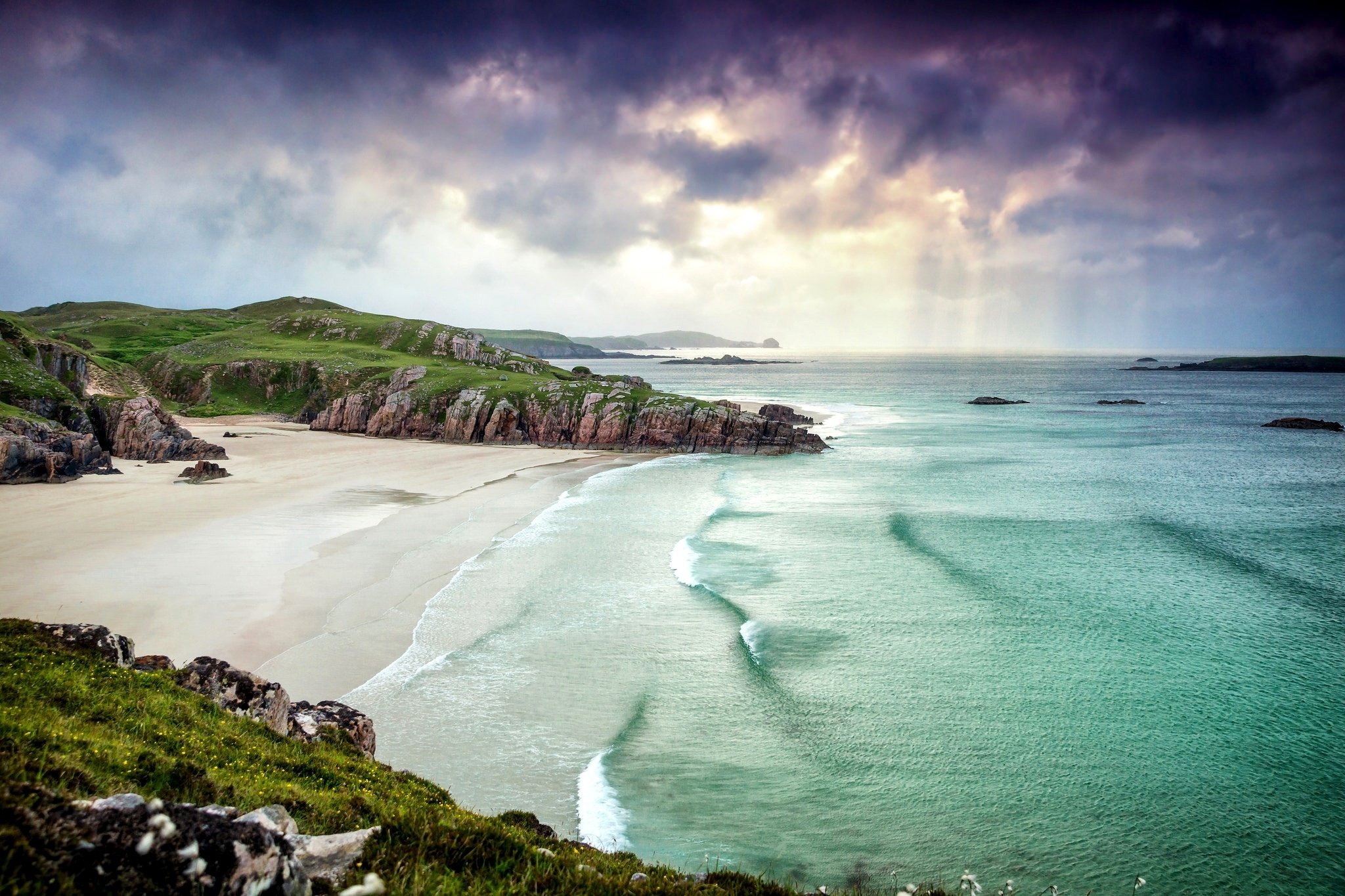
Alba Photography workshops in Scotland provide immersive, field-based education led by professional photographers across the country’s most dramatic landscapes. These workshops focus on mastering light, technical execution, and composition in regions like Glencoe, the Isle of Skye, and the Northwest Highlands, catering to photographers ranging from beginners to advanced professionals.
The Scottish landscape is globally renowned for its ethereal light, rugged geology, and volatile weather, making it both a dream and a challenge for photographers. Alba Photography workshops are designed to bridge the gap between basic snapshots and gallery-quality imagery. In 2026, these workshops have evolved to incorporate advanced modern techniques—such as high-dynamic-range blending and sophisticated focus stacking—while remaining rooted in the fundamental principles of "Alba," the Gaelic name for Scotland. By combining local knowledge with technical expertise, these workshops offer more than just a tour; they provide a structured curriculum for visual storytelling.
The Philosophy of Landscape Photography in Scotland
To understand the value of an Alba Photography workshop, one must first appreciate the unique characteristics of the Scottish environment. Unlike many destinations where golden hour is the primary focus, Scotland offers a "theatre of light" that can shift from brooding shadows to vibrant rainbows in a matter of minutes.
Embracing the "Alba" Identity
The name "Alba" is not merely a branding choice; it reflects a deep-rooted connection to the land. For a photographer, this means understanding the relationship between the Atlantic weather systems and the ancient metamorphic rock of the Highlands. Workshops emphasize "slow photography"—the practice of observing the landscape before even setting up a tripod. In 2026, as digital fatigue remains a common issue among enthusiasts, Alba Photography workshops prioritize the meditative aspect of the craft, encouraging participants to connect with the history and atmosphere of the locations.
Technical Adaptation to Environment
A core component of the curriculum is learning how to respond to the environment. Scotland’s weather is famously unpredictable. Rather than viewing rain or mist as an obstacle, these workshops teach participants how to use "bad" weather to create mood and depth. This includes mastering long exposures to flatten turbulent loch waters or using graduated filters to balance a bright sky against dark, peat-stained mountainsides.
Primary Workshop Locations and Itineraries
Alba Photography workshops are strategically located in areas that provide the highest density of iconic vistas and hidden gems. Each location is chosen for its specific photographic challenges and rewards.
Glencoe and Rannoch Moor
Glencoe is often the starting point for many workshop participants. The glen’s steep, volcanic walls provide a vertical scale that is difficult to capture without proper wide-angle techniques.
- The Buachaille Etive Mòr: Photographers learn to frame this iconic "Great Herdsman of Etive" from the River Coupall, focusing on leading lines created by the water’s flow.
- Rannoch Moor: This vast wilderness offers a masterclass in minimalism. The workshops focus on the "lochan" (small lakes) scattered across the moor, teaching students how to handle low-contrast scenes and subtle color palettes.
The Isle of Skye
Skye remains the crown jewel of Scottish landscape photography. Alba workshops here are typically more intensive due to the terrain.
- The Quiraing: A prehistoric landslip that requires a keen eye for composition. Here, instructors focus on "compression photography," using telephoto lenses to stack the jagged peaks of the Trotternish Ridge.
- The Old Man of Storr: This location is used to teach timing and perseverance. Capturing the sunrise hitting the pinnacle requires both physical stamina and a deep understanding of solar positioning.
- Elgol: Famous for its views across Loch Scavaig to the Cuillin mountains, Elgol is where participants master the "foreground interest" technique, utilizing the honeycomb-patterned rocks of the shoreline.
The Northwest Highlands (Assynt)
For those seeking a more rugged experience, workshops in Assynt explore some of the oldest rocks on the planet. Locations like Suilven and Stac Pollaidh offer a unique "island mountain" aesthetic. These workshops often involve more hiking and focus on capturing the isolation and raw power of the Lewisian gneiss landscape.
Technical Learning Objectives in 2026
Alba Photography workshops are structured around specific learning outcomes. Regardless of your current skill level, the 2026 curriculum focuses on three main pillars of photographic excellence.
1. Mastering Exposure and Dynamic Range
Scotland’s high-contrast environments—bright clouds over dark glens—often exceed the capabilities of modern sensors in a single frame. Workshops teach:
- Manual Mode Mastery: Moving beyond "Aperture Priority" to take full control of the exposure triangle.
- Filter Systems: The practical application of Neutral Density (ND) and Circular Polarizing (CPL) filters to manage light and reflections.
- Bracketing: Learning when and how to bracket exposures for later blending in post-processing.
2. Composition and Visual Flow
A beautiful location does not automatically result in a beautiful photograph. Instructors guide participants through the "visual hierarchy" of a scene:
- Leading Lines: Using rivers, paths, or ridges to draw the viewer's eye.
- Scale and Perspective: Incorporating small details to emphasize the vastness of the Scottish mountains.
- The Rule of Thirds and Beyond: Exploring advanced compositional frameworks like the Golden Ratio or Centered Symmetry.
3. Modern Post-Processing Workflows
In 2026, the "digital darkroom" is an essential part of the process. Most multi-day Alba workshops include dedicated classroom time for editing. This is not about "faking" the image but about "developing" the RAW file to match the photographer's vision. Training typically covers:
- Lightroom and Photoshop Integration: Efficiently managing large catalogs of images.
- Luminosity Masking: A precise way to edit specific brightness ranges without affecting the whole image.
- Focus Stacking: Combining multiple images taken at different focus points to achieve tack-sharp detail from the foreground to the horizon.
Comparison of Workshop Tiers (2026)
Choosing the right workshop depends on your time, budget, and physical ability. The following table outlines the standard offerings available in 2026.
| Workshop Type | Duration | Target Audience | Focus Areas | Typical Group Size |
|---|---|---|---|---|
| Day Masterclass | 1 Day | Beginners / Local Tourists | Fundamentals, single location mastery | 4–6 participants |
| Highland Intensive | 3–4 Days | Intermediate Hobbyists | Composition, weather adaptation, filtering | 4 participants |
| Expedition Tour | 7 Days | Advanced / Semi-Pro | Remote locations, deep post-processing | 3 participants |
| Private One-on-One | Flexible | All levels | Tailored curriculum, personal mentorship | 1 participant |
Essential Gear and Preparation
To get the most out of an Alba Photography workshop, specific equipment is required. Scotland is notoriously hard on gear, so preparation is key to both safety and photographic success.
Camera Equipment
While any camera with manual controls will work, a Mirrorless or DSLR system with interchangeable lenses is recommended.
- Lenses: A wide-angle (16-35mm) for sweeping vistas and a telephoto (70-200mm) for detail shots of mountain peaks are essential. A 24-70mm "all-rounder" is also highly useful.
- The Tripod: This is the most underrated piece of equipment. In the wind-swept Highlands, a flimsy tripod will lead to blurry images. A sturdy, carbon-fiber tripod with spiked feet for boggy ground is the professional standard for 2026.
- Filters: At minimum, a 6-stop ND filter and a Circular Polarizer are required for managing water and reflections.
Personal Protection and Safety
In Scotland, there is a saying: "There is no such thing as bad weather, only the wrong clothes."
- Layering: Merino wool base layers, a fleece mid-layer, and a high-quality GORE-TEX outer shell are mandatory.
- Footwear: Waterproof, over-the-ankle hiking boots are necessary for navigating the peat bogs and rocky trails.
- The Midge Factor: If attending a workshop between June and September, specialized midge repellent or a head net is vital for comfort during dawn and dusk shoots.
For those interested in the environmental impact and regulations of shooting in these areas, NatureScot provides guidelines on the Scottish Outdoor Access Code, which Alba Photography workshops strictly follow to ensure the preservation of these fragile landscapes.
Seasonal Considerations for 2026
When you book your workshop in 2026 significantly changes the portfolio you will build. Each season in Scotland offers a distinct "look."
- Winter (December – February): Low sun all day, potential for snow-capped peaks, and dramatic, short days. These workshops focus on "Blue Hour" and the stark contrast of the winter light.
- Spring (March – May): Fresh greens in the valleys and lingering snow on the tops. This is often the driest period in the Highlands, offering great clarity.
- Summer (June – August): Long days (up to 18 hours of light) allow for late-night sunset shoots. However, this is also peak season for midges and tourists.
- Autumn (September – November): Widely considered the best time for landscape photography. The glens turn shades of copper and gold, and the frequent rain showers create dramatic "god rays" through the clouds.
Troubleshooting Common Landscape Challenges
Even with expert guidance, Scotland presents hurdles that every photographer must learn to overcome.
Dealing with "Flat" Light
On overcast days, the landscape can look grey and uninviting. Alba workshops teach participants to look for "intimate landscapes"—focusing on textures, patterns in the rock, or the flow of a small stream—rather than grand vistas.
Managing Moisture on the Lens
In the misty Highlands, keeping your front element dry is a constant battle. Instructors emphasize the "lens hood and microfiber" technique, teaching you how to shield your glass until the moment the shutter clicks.
Battery Management in Cold Weather
Digital cameras drain batteries significantly faster in the Scottish cold. A common tip shared in these workshops is to keep spare batteries in an inner pocket close to your body heat to preserve their charge.
Frequently Asked Questions
Do I need to be physically fit for an Alba Photography workshop?
It depends on the specific workshop. Day masterclasses in Glencoe often involve locations near the road, requiring minimal walking. However, "Expedition" style workshops in Assynt or Skye may involve 2–4 miles of hiking over uneven, boggy terrain. It is important to check the "Physicality Rating" of your chosen workshop before booking.
What happens if it rains the entire time?
Rain is a fundamental part of the Scottish aesthetic. Workshops are rarely canceled due to rain; instead, the focus shifts to moodier, atmospheric compositions. Instructors will teach you how to protect your gear and how to use the "soft box" effect of clouds to capture saturated colors that aren't possible in harsh sunlight.
Are these workshops suitable for smartphone photographers?
While the principles of composition apply to all cameras, Alba Photography workshops are primarily geared toward users of Mirrorless and DSLR cameras. To get the full value out of technical sessions on long exposure and filtering, a camera with manual control and a tripod mount is necessary.
Is accommodation included in the workshop price?
For multi-day workshops, Alba Photography typically offers two options: a "Residential" package that includes lodging in a local hotel or cottage, and a "Tuition Only" package for those who prefer to arrange their own stay or are traveling in a campervan. Always verify the specifics of your 2026 booking as arrangements can vary by location.
How far in advance should I book for 2026?
Due to small group sizes (often limited to 4 participants to ensure individual attention), workshops in popular locations like Skye or Glencoe often fill up 9 to 12 months in advance. Early booking is recommended, especially for the peak autumn season.
Final Recommendation
If you are looking to elevate your landscape photography while experiencing the raw beauty of the Scottish Highlands, an Alba Photography workshop is a premier choice for 2026. For the best balance of dramatic light and comfortable weather, consider booking a Highland Intensive workshop during the October autumn window. Ensure your gear is weather-sealed, invest in a high-quality tripod, and come prepared to embrace the unpredictability of the Scottish elements. The result will not just be better photographs, but a deeper understanding of the land known as Alba.