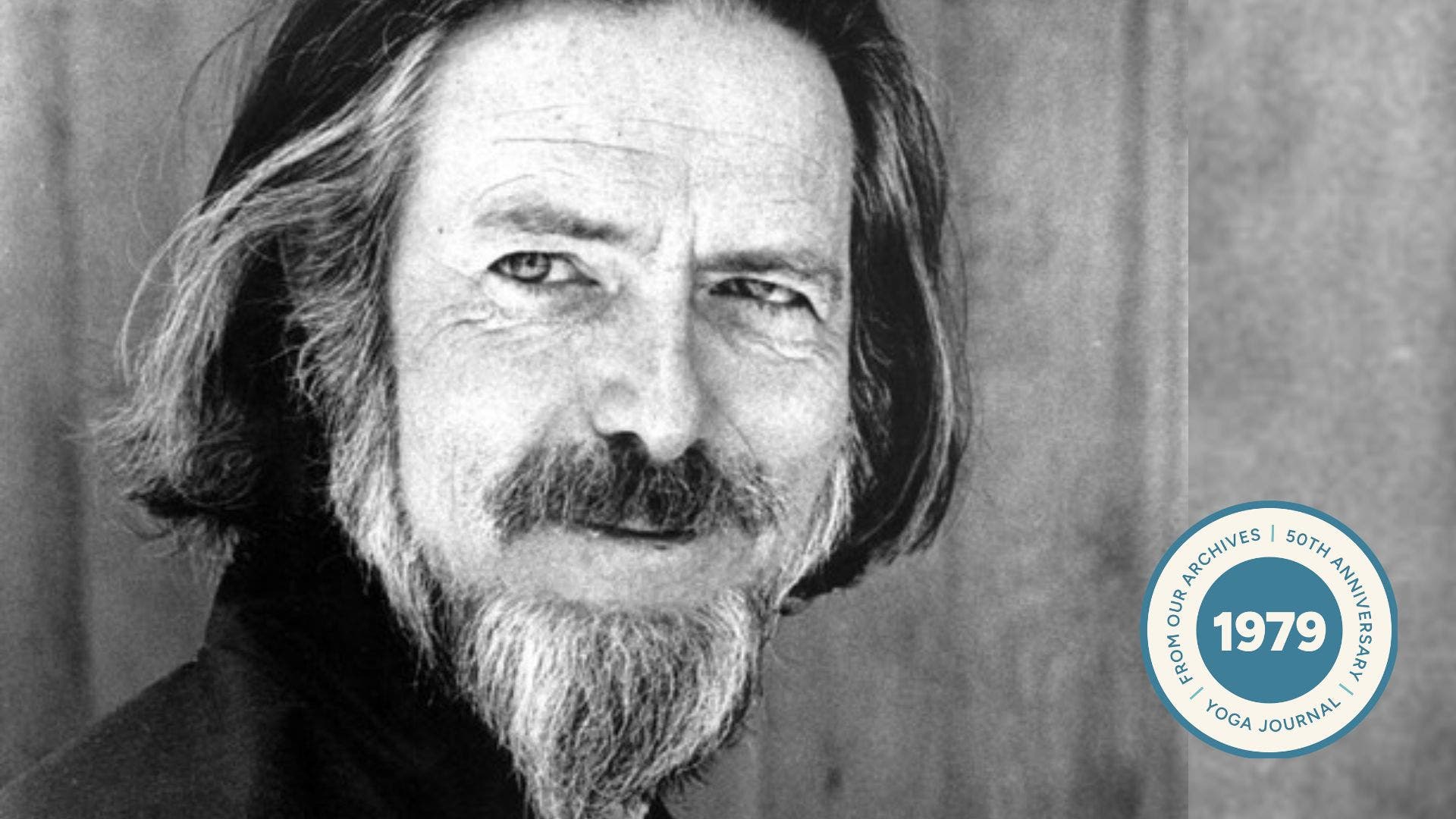
Alan Watts, the British-born philosopher and writer, died in 1973 with a financial estate that was modest in comparison to his profound, enduring cultural influence. At the time of his passing, his net worth was not characterized by vast liquid assets, commercial holdings, or accumulated real estate wealth, but rather by the residual value of his literary catalog and an extensive archive of recorded lectures. Understanding his financial standing requires viewing it through the lens of a mid-20th-century public intellectual who prioritized the dissemination of Eastern philosophy over the pursuit of material capital.
Defining the Financial Reality of Alan Watts
To evaluate the net worth of Alan Watts, one must distinguish between personal wealth and the valuation of his intellectual property. Throughout his career, Watts operated primarily as an independent lecturer, author, and radio broadcaster. His income streams were largely tied to book royalties, speaking engagements at universities and institutes, and the sale of his recorded talks on reel-to-reel tapes. Unlike modern digital influencers or academic tenure-track professors with substantial institutional retirement funds, Watts’ financial stability was fluid and often precarious.
When Watts died in 1973 at his cabin in Mount Tamalpais, California, he was not a man of significant monetary wealth. His lifestyle was famously bohemian, often revolving around his houseboat, the SS Vallejo, in Sausalito. His "net worth" at the time of death comprised personal effects, his interest in the houseboat, and the legal rights to his books and recordings. In the context of his era, he was considered a successful author and a prominent figure in the counterculture, but he remained outside the traditional structures of high-net-worth accumulation.
The Evolution of Intellectual Property Value
The true financial legacy of Alan Watts lies in the post-mortem commercialization of his intellectual property. Since his death, his estate has transformed into a well-managed entity that oversees the distribution of his books, the digitization of his audio archive, and licensing for various media.
Licensing and Media Utilization
In the decades following his death, the value of Watts’ work surged as digital media provided a new platform for his lectures. The Alan Watts Organization, founded by his family, has curated and distributed his vast library of audio recordings. This shift from physical tape sales to digital streaming services and podcast integrations has fundamentally altered the revenue profile associated with his name.
Book Royalties and Literary Holdings
Watts wrote over 25 books, including The Way of Zen (1957) and The Wisdom of Insecurity (1951). These titles have remained in print for over 70 years, providing a consistent, long-tail revenue stream that many contemporary authors rarely achieve. The longevity of these copyrights and their constant reprinting represents the primary asset of the Watts estate.
Comparative Financial Frameworks
When analyzing the "net worth" of a historical figure, it is useful to compare their economic behavior to contemporaries who occupied similar spaces as public intellectuals and cultural critics.
| Feature | Alan Watts (1915–1973) | Mid-Century Peer Comparison |
|---|---|---|
| Primary Income | Royalties & Lectures | Academic Salary & Tenure |
| Asset Base | Copyrights & Audio Archives | Institutional Retirement Funds |
| Lifestyle | Bohemian/Minimalist | Middle-Class Professional |
| Estate Model | Family-Managed Trust | Probate/Standard Inheritance |
This table highlights that while many of his peers pursued the security of institutional employment—which provided predictable wealth accumulation—Watts took the financial risks associated with the independent intellectual life. His net worth at death was minimal, but the "value" of his estate has grown inversely to the time passed since his death, a rarity in financial planning.
The Role of the Alan Watts Organization
The Alan Watts Organization acts as the steward of his legacy. By 2026, this entity has successfully navigated the transition from physical media to a subscription-based, digital-first model. This stewardship is the critical factor in why we discuss his financial context today; without this formal structure, his work might have fallen into obscurity, rendering the estate value negligible.
The organization’s focus on the ethical distribution of his lectures—often made available through modern platforms—has maintained the "brand" equity of Alan Watts. This is a common strategy for estates of philosophers and spiritual teachers: protecting the integrity of the message while creating a sustainable business model that supports the administration of the archive.
Common Misconceptions Regarding Celebrity Estates
A frequent error in analyzing the net worth of historical figures like Watts is the assumption that high cultural recognition correlates with high personal wealth during their lifetime.
- The Myth of Institutional Wealth: Many assume that a man who lectured at Harvard or Cambridge must have accumulated significant wealth. Watts, however, drifted in and out of formal institutional roles, preferring the freedom of independent inquiry, which inherently limits traditional financial accumulation.
- The "Passive Income" Fallacy: While his estate earns royalties today, Watts himself lived through periods of significant financial volatility. His net worth was subject to the cycles of the publishing industry and the fluctuations of public interest in Eastern philosophy, which saw peaks and valleys during the 1950s and 1960s.
- Property vs. Intellectual Assets: His residence at the end of his life was an unconventional living arrangement. Valuing his "home" in the traditional real estate sense is difficult because the SS Vallejo and his mountaintop cabin were expressions of his lifestyle rather than vehicles for capital appreciation.
Practical Considerations for Intellectual Property Stewardship
For those interested in the economics of legacy preservation, the Alan Watts case offers several lessons in asset management:
- Archive Preservation: The digitization of thousands of hours of audio is the primary driver of value. Preserving raw, high-quality masters ensures that the asset can be adapted to new technologies (e.g., AI-enhanced audio or high-fidelity streaming).
- Copyright Continuity: Ensuring that copyrights are renewed and protected globally is vital. The expiration of copyright would allow his works to enter the public domain, which, while beneficial for dissemination, would dilute the estate’s ability to control and monetize the materials.
- Balanced Dissemination: Providing free access to core teachings creates a broad audience, while premium access to high-quality, curated archives creates a sustainable revenue stream. This hybrid model has kept his work relevant in the 2020s.
FAQ: Frequently Asked Questions
Did Alan Watts die as a wealthy man? No. Alan Watts died with a modest personal estate. He lived a life that prioritized intellectual freedom and the exploration of consciousness over wealth accumulation. His financial status at death was not reflective of his massive cultural impact.
How does the Alan Watts estate generate money today? The estate generates revenue primarily through book royalties from his extensive bibliography and the licensing of his audio lecture archive to various digital platforms, publishers, and media outlets.
Is there a specific "net worth" figure for Alan Watts? There is no verified, public dollar amount for his net worth at the time of his death. Financial records from his era for independent authors were not public, and his assets were primarily composed of rights rather than liquid cash or high-value real estate.
Why is his financial history important? Understanding his financial history serves as a reminder that cultural influence and financial success are not synonymous. It provides context for how philosophers and public thinkers of the 20th century navigated the tension between professional survival and their chosen intellectual path.
How is his estate managed in 2026? As of 2026, the estate is managed by an organization that focuses on the preservation of his archives and the authorized distribution of his books and recordings, ensuring the quality and integrity of his message are maintained for future generations.
Next Steps for Researchers and Archivists
If you are investigating the financial or historical records of figures similar to Alan Watts, focus on their literary estates rather than their personal bank accounts. Consult university archives, publisher records (such as those of Vintage or Pantheon, who published his work), and the public filings of their respective family trusts or organizations. When assessing the value of such a figure, remember that the true asset is the consistency of their output and the ability of their estate to manage that output in a changing media landscape. For those managing a personal legacy, the Watts model suggests that investing in the organization of one's own archive—rather than relying solely on post-mortem management—is the most effective way to secure a long-term, meaningful legacy.