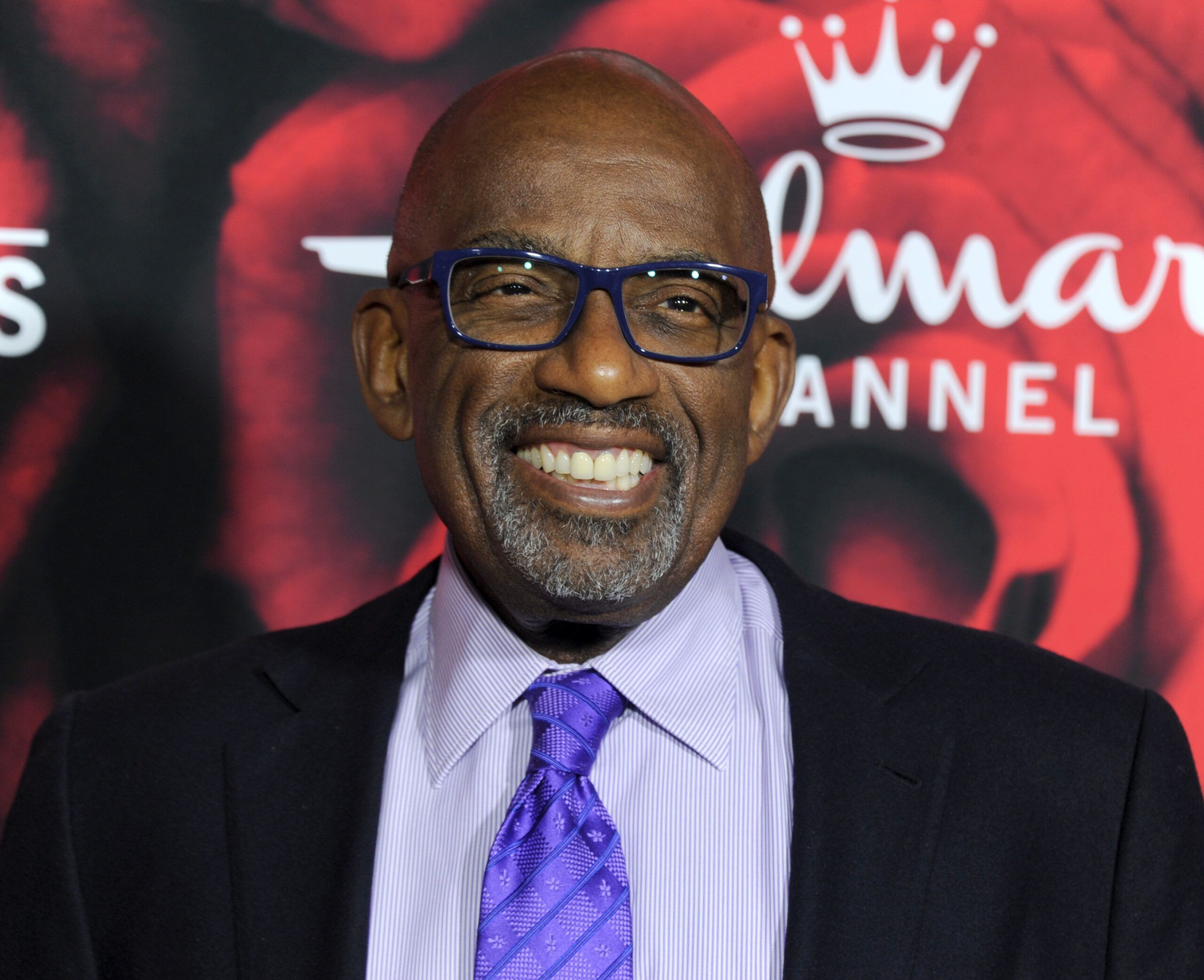
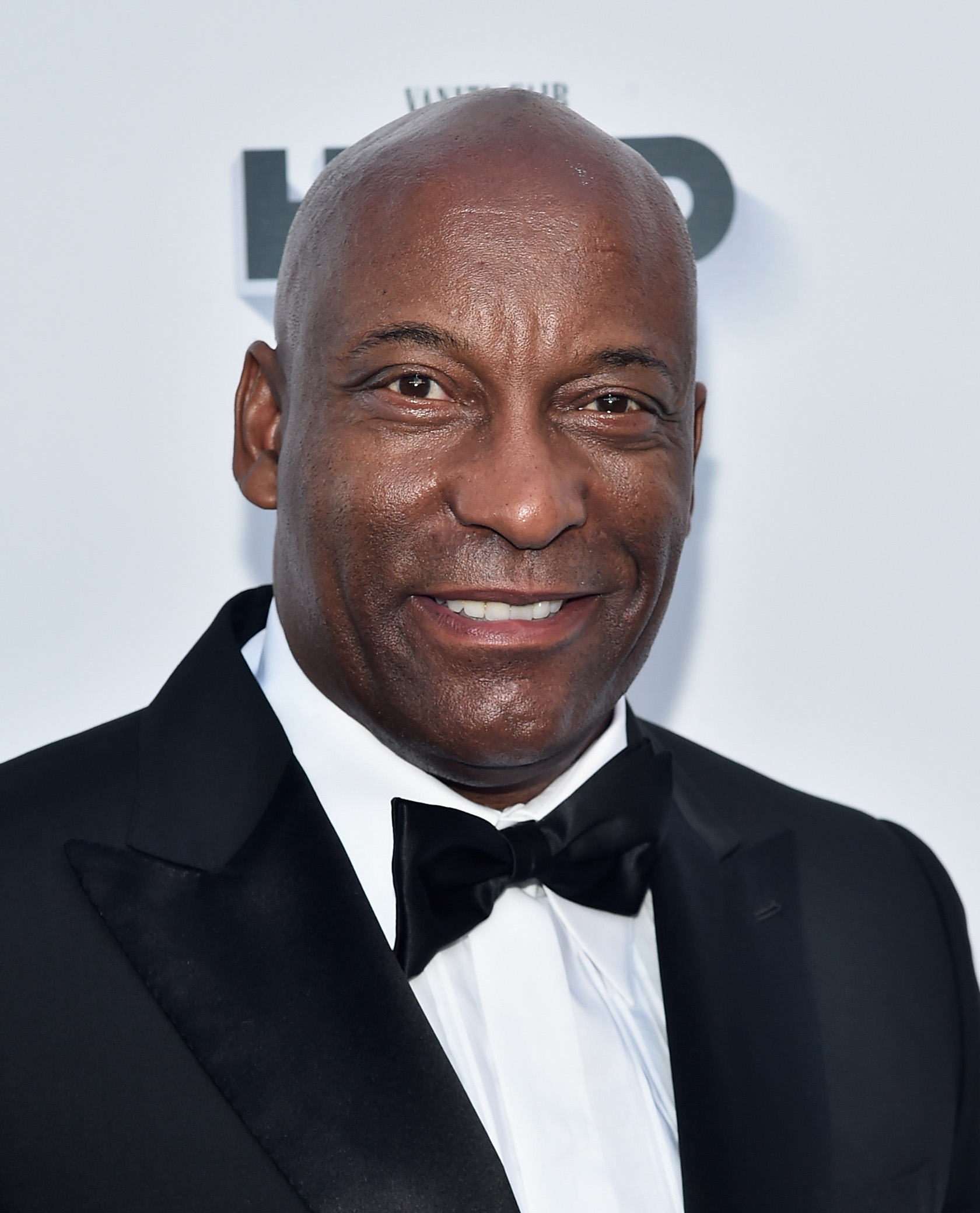
Al Singleton is a prominent figure in the Detroit rideshare community, recognized as an elite driver, advocate, and entrepreneur. While his exact net worth is not publicly disclosed in traditional financial registries, industry analysts estimate it to be in the mid-six-figure range as of 2026, derived from high-tier rideshare earnings, strategic consulting, digital content, and his leadership roles in driver advocacy organizations.
Who is Al Singleton? The Face of Detroit Rideshare
To understand the financial standing of Al Singleton, one must first understand his role within the unique ecosystem of Detroit’s transportation sector. Singleton did not merely sign up for an app; he transformed the act of driving into a professionalized career path that combines boots-on-the-ground labor with high-level advocacy. In the Detroit metropolitan area, Singleton has become a household name among gig economy workers, serving as a mentor for those looking to escape the "poverty trap" often associated with low-margin rideshare driving.
His journey began during the early expansion of Uber and Lyft in Michigan. While many drivers struggled with the high cost of insurance and vehicle maintenance in the Motor City, Singleton developed a data-driven approach to driving. By analyzing peak hours, event schedules at venues like Little Caesars Arena and Ford Field, and the specific needs of Detroit’s business travelers, he maximized his "earnings per mile" rather than just "earnings per hour." This distinction is the cornerstone of his financial success and the basis for his public profile.
By 2026, Singleton has transitioned from being an active driver to a multifaceted consultant. His influence extends into local policy discussions, where he represents the interests of thousands of independent contractors. This transition from labor to leadership is a primary driver of his current net worth, as it has opened doors to speaking engagements, advisory roles for tech startups, and the creation of proprietary training materials for the modern gig worker.
The Financial Landscape of a Detroit Rideshare Professional in 2026
The Detroit rideshare market in 2026 is vastly different from its early days. With the implementation of refined labor laws in Michigan and the stabilization of the "no-fault" insurance reforms, the overhead for drivers has shifted. Al Singleton’s net worth is a reflection of his ability to navigate these changes. In Detroit, a professional driver’s income is heavily dictated by their ability to manage expenses, and Singleton has mastered the art of the "Business of One."
In the current economy, a high-performing rideshare professional in a market like Detroit can generate gross revenues exceeding $100,000 annually. However, the net profit is often significantly lower due to depreciation, fuel (or charging) costs, and taxes. Singleton’s financial advantage came from his early adoption of electric vehicle (EV) fleets and his utilization of federal and state tax credits. By 2026, his portfolio includes not just his personal earnings, but equity in small-scale fleet management operations that lease vehicles to other drivers.
Furthermore, the "Detroit factor" cannot be ignored. Detroit remains one of the most expensive cities for vehicle operation. Singleton’s advocacy for lower insurance premiums for rideshare drivers directly impacted his own bottom line and that of his peers. His net worth is bolstered by his "first-mover" advantage in securing lucrative long-term contracts with corporate entities in Southfield, Dearborn, and Downtown Detroit, providing high-end livery services that pay significantly more than standard "X" or "Green" rides.
Estimating the Net Worth of Al Singleton
Calculating the net worth of a private entrepreneur involves looking at visible assets and revenue streams. Unlike a CEO of a public company, Al Singleton’s wealth is tied up in a combination of liquid cash, vehicle equity, digital intellectual property, and real estate.
Primary Revenue Streams
- Professional Driving and Livery: High-tier services (Black, Lux, and private clients) remain a consistent source of cash flow.
- Consulting and Training: Singleton charges for "Masterclass" style sessions for new drivers, focusing on tax optimization and route efficiency.
- Digital Media: His presence on platforms like YouTube and specialized driver forums generates ad revenue and affiliate income from automotive and financial products.
- Fleet Management: Ownership or partial interest in multiple vehicles leased out to other drivers in the Detroit area.
- Advocacy and Public Speaking: Honorariums from labor conferences and gig-economy summits.
The following table provides a breakdown of the estimated annual revenue components that contribute to his overall net worth.
| Revenue Source | Estimated Annual Range (2026) | Contribution to Net Worth |
|---|---|---|
| High-Tier Rideshare & Private Livery | $85,000 – $115,000 | High (Core Liquid Income) |
| Digital Content & Affiliate Marketing | $40,000 – $60,000 | Moderate (Passive Growth) |
| Fleet Leasing & Management | $50,000 – $90,000 | High (Asset-Based Equity) |
| Consulting & Professional Speaking | $30,000 – $50,000 | Low (Brand Value) |
| Total Estimated Gross | $205,000 – $315,000 | Total Est. Net Worth: $450k - $750k |
Challenges and Triumphs in the Detroit Market
The road to financial stability in the Detroit rideshare scene is fraught with obstacles that Singleton had to overcome. Understanding these challenges is essential to appreciating how his net worth was built. Detroit’s infrastructure, while improving, still presents high wear-and-tear costs. Singleton’s strategy involved a rigorous maintenance schedule that preserved the resale value of his vehicles—a move many novice drivers overlook.
One of the most significant triumphs in his career was his successful navigation of the Michigan Independent Contractor laws. As the legal landscape shifted around the "Employee vs. Contractor" debate, Singleton positioned himself as a model for the "Empowered Contractor." He utilized the Michigan Department of Labor and Economic Opportunity guidelines to ensure his business structures were compliant while maximizing tax deductions. This legal literacy saved him tens of thousands of dollars in potential fines and back-taxes that have sidelined other major players in the industry.
Additionally, Singleton’s focus on safety in the Detroit market helped him maintain a perfect driving record, which is essential for staying on premium platforms. In a city where insurance can consume 20% of a driver's gross income, his ability to secure "preferred" rates through his advocacy group memberships significantly boosted his margins.
Advocacy and its Economic Impact
Al Singleton is perhaps best known for his work with organizations like the "Detroit Rideshare Association" or similar driver-led collectives. While advocacy is often seen as a volunteer effort, for Singleton, it has been a catalyst for professional growth. By positioning himself as a liaison between the drivers and the tech giants (Uber/Lyft), he gained access to "Beta" programs and incentive structures not available to the general public.
His advocacy work often focuses on:
- Transparency in Algorithmic Pricing: Pushing for drivers to see the full passenger payment versus the driver's cut.
- Safety Infrastructure: Campaigning for better lighting and security at high-traffic pickup points like the Detroit Metropolitan Wayne County Airport (DTW).
- Fair Deactivation Policies: Helping drivers navigate the appeals process when they are unfairly kicked off the platform.
While these efforts benefit the community, they also solidify Singleton’s brand. In the gig economy, "Brand" is a tangible asset. Companies looking to launch new transport technology in Detroit often seek his consultation first, providing him with early-access income and equity opportunities that directly inflate his net worth.
The Future of Rideshare in Detroit (2026 Perspective)
As we look at the landscape in 2026, the Detroit rideshare market is undergoing a transition toward autonomous integration and hyper-local delivery services. Al Singleton has stayed ahead of this curve by diversifying his interests. He is no longer just a "driver"; he is a logistics expert.
His net worth is expected to continue its upward trajectory as he pivots toward managing autonomous vehicle (AV) nodes. Even as the "human" element of driving changes, the need for local experts to manage fleets, handle troubleshooting, and oversee the "last-mile" experience remains critical. Singleton’s deep knowledge of Detroit’s streets—from the revitalized corridors of Midtown to the industrial zones of River Rouge—makes his insights invaluable to the tech firms deploying AVs in the city.
For those following his career, Singleton serves as a blueprint for how to survive and thrive in the gig economy. He demonstrates that net worth in this sector isn't just about how many hours you spend behind the wheel, but how you leverage your data, your community, and your political voice to create a sustainable business.
Frequently Asked Questions
How did Al Singleton start his career in Detroit rideshare?
Al Singleton began as a part-time driver during the mid-2010s. Unlike many who treated it as a side hustle, he approached it as a full-time business from the start, tracking every mile and expense in spreadsheets. His success in maximizing earnings led him to share his strategies on social media, which eventually grew into a consulting and advocacy career.
What is the most significant factor in Al Singleton's net worth?
While driving revenue was the foundation, the most significant factor in his net worth is diversification. By moving into fleet management, digital content, and consulting, he moved away from a 1:1 ratio of time-to-money. This allowed his wealth to grow even when he wasn't physically behind the wheel.
Is Al Singleton still driving for Uber or Lyft in 2026?
Yes, but his driving is highly selective. He typically operates during high-value windows or for private clients. Much of his "driving" time in 2026 is also used for testing new platform features or collecting data for his consulting business and YouTube channel.
How can other Detroit drivers achieve a similar financial status?
Singleton often advises drivers to treat their vehicle as a moving business, not a personal car. This includes keeping immaculate records, understanding local tax laws, and investing in a vehicle that qualifies for premium ride tiers. He also emphasizes the importance of community involvement and advocacy to protect one's livelihood from legislative changes.
Does Al Singleton have any official partnerships with Uber or Lyft?
While he has participated in various "Driver Advisory Councils" and has been a vocal participant in platform-led forums, he maintains a degree of independence. This independence allows him to criticize the platforms when necessary, which maintains his credibility with the driver community—a key component of his brand value.
What impact did Michigan's insurance reform have on his earnings?
Michigan's 2020 no-fault insurance reform significantly reduced the mandatory Personal Injury Protection (PIP) costs for many drivers. Singleton was a vocal proponent of these changes, and the resulting decrease in fixed overhead was a major contributor to his increased net profit margins in the years following the reform.
Practical Recommendations for Navigating the Rideshare Economy
If you are looking to emulate the success of figures like Al Singleton in the Detroit market, focus on operational efficiency. Start by auditing your current expenses. Are you overpaying for insurance? Could you switch to a more fuel-efficient or electric vehicle to take advantage of the 2026 "Green" incentives?
Secondly, build your local network. Join local driver associations and stay informed about city council decisions regarding gig work. In Detroit, being "plugged in" to the local political and economic climate is just as important as knowing the quickest route to the airport. Al Singleton’s net worth is a testament to the power of combining hard work with strategic networking and constant education.