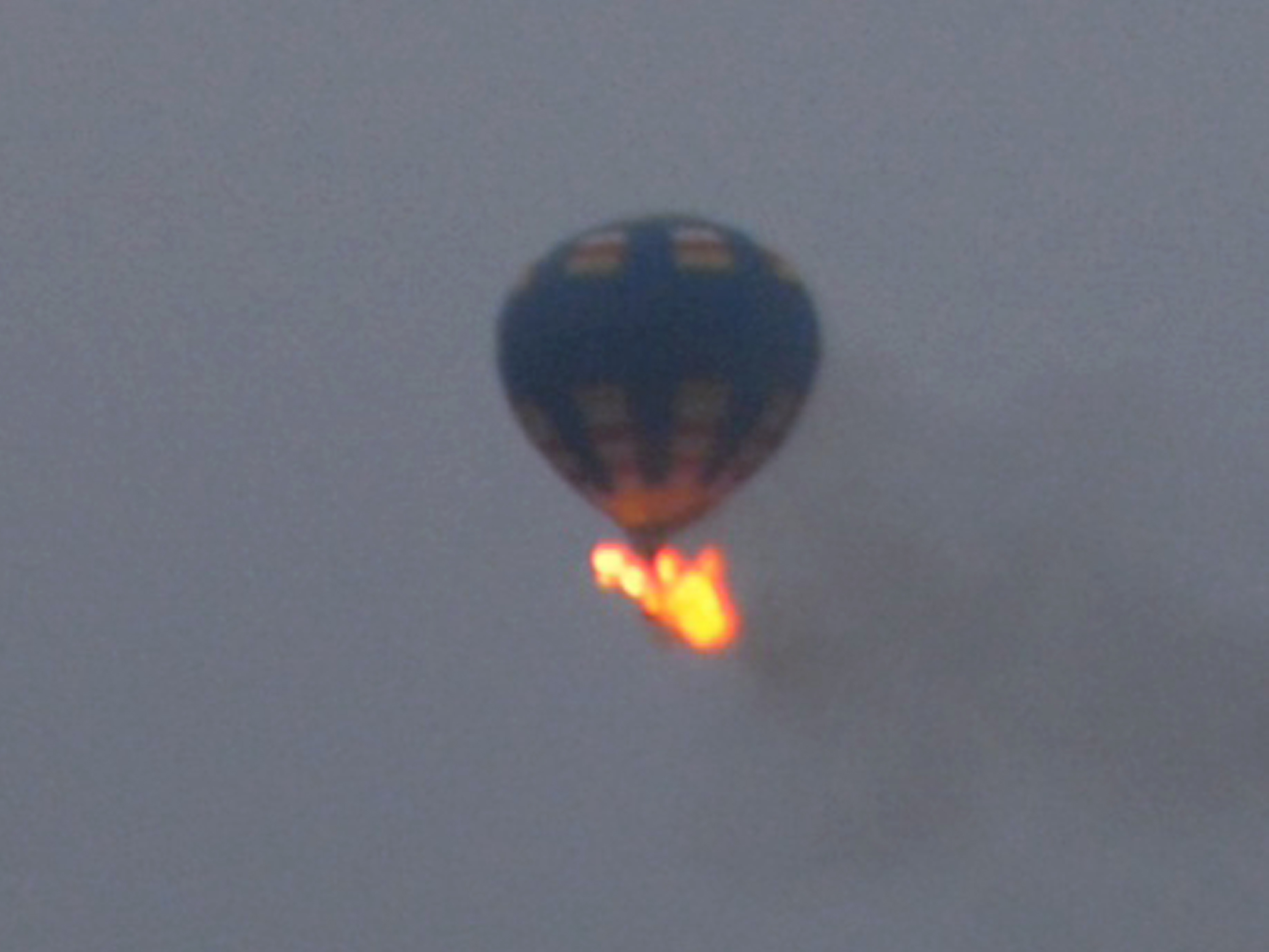
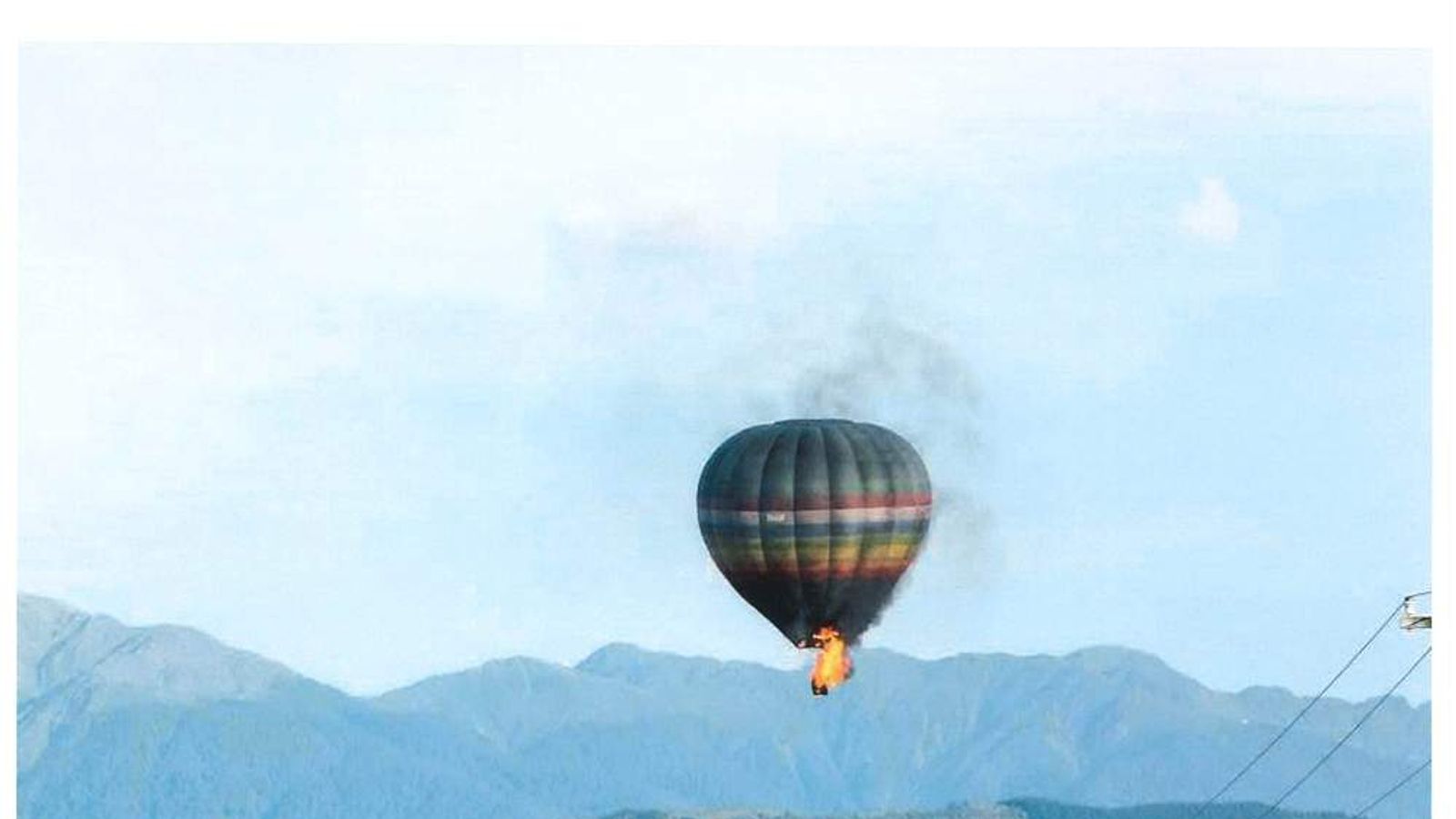
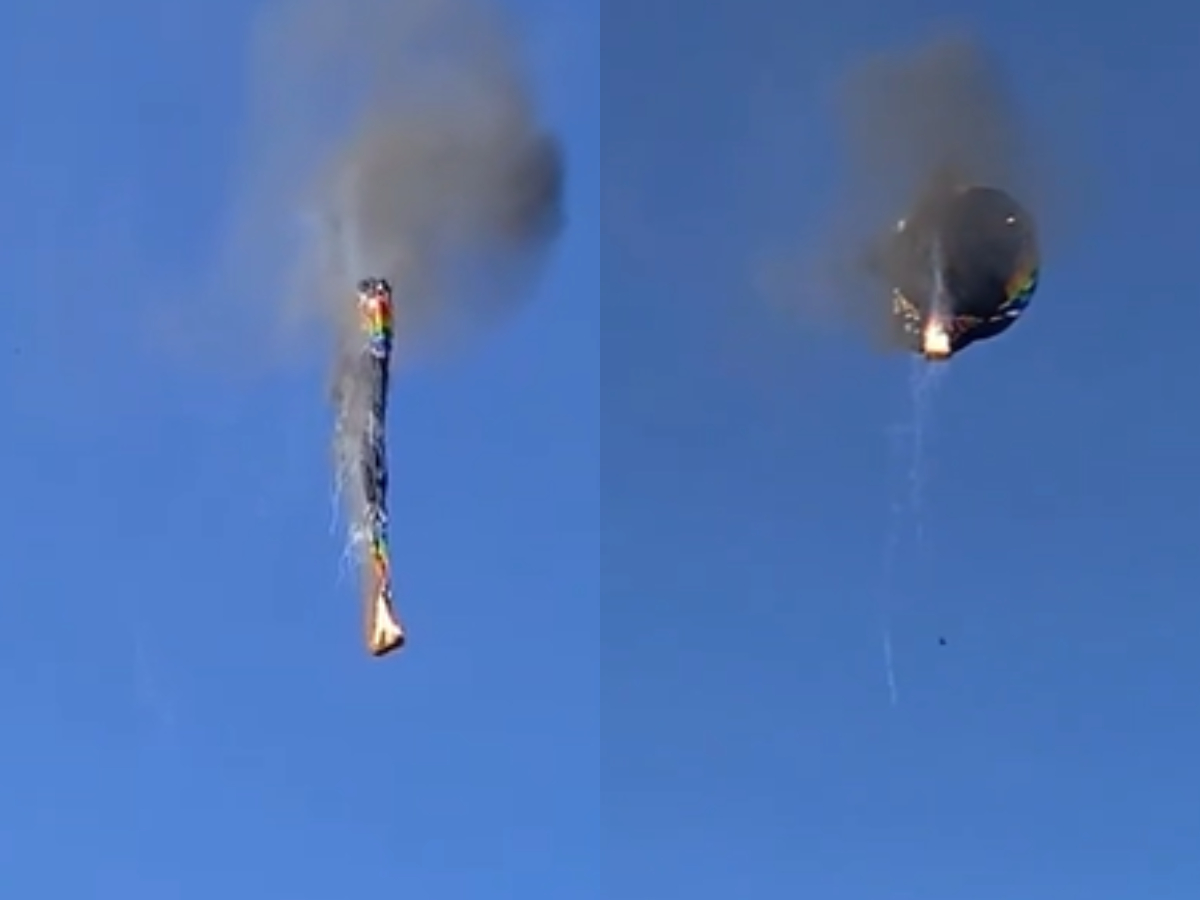
While hot air ballooning remains one of the safest forms of aviation, an onboard fire or a fire resulting from an external strike represents the most critical emergency a pilot can face. Most balloon fires are caused by propane leaks, equipment failure, or contact with high-voltage power lines during landing or low-level flight.
The Role of Combustion in Hot Air Balloon Flight
To understand how a hot air balloon might catch fire unintentionally, one must first understand the intentional fire that keeps it aloft. Hot air balloons operate on the principle of thermal buoyancy. The air inside the envelope (the "balloon" part) is heated by a burner system, typically fueled by liquid propane.
Propane is stored in high-pressure stainless steel or aluminum cylinders located within the basket. When the pilot opens the blast valve, liquid propane is forced through fuel hoses into a heat exchanger coil located in the burner. The burner pre-heats the liquid into a gas, which is then ignited by a pilot light. This process produces a flame that can reach temperatures exceeding 2,000 degrees Fahrenheit and generates millions of BTUs (British Thermal Units) of heat.
Because fire is the primary engine of the aircraft, the entire system is designed with multiple redundancies. However, the proximity of high-pressure fuel to an open flame creates a narrow margin for error if equipment is poorly maintained or if external obstacles interfere with the flight path.
Primary Technical Causes of Hot Air Balloon Fires
In the rare event that a hot air balloon catches fire, the cause is typically categorized into equipment failure, operator error, or environmental interference. By 2026, aviation safety data from the National Transportation Safety Board (NTSB) and the Federal Aviation Administration (FAA) indicates that technical failures have decreased due to stricter maintenance mandates, but environmental factors remain a persistent challenge.
Propane Fuel System Leaks
The most common internal cause of a fire is a leak in the fuel delivery system. This system includes the tanks, valves, hoses, and the burner assembly. Propane is highly flammable and, in its liquid state, expands rapidly when released into the atmosphere.
- Hose Degradation: Fuel hoses are subject to extreme temperature fluctuations and physical wear. A hairline crack in a high-pressure hose can atomize propane, creating a fuel-air mixture that can be ignited by the burner’s own pilot light.
- O-Ring and Seal Failure: Small rubber seals (O-rings) at the connection points between hoses and tanks can dry out or perish. If a seal fails while the system is pressurized, propane can spray into the basket.
- Valve Malfunctions: If a blast valve "sticks" in the open position, the pilot may be unable to extinguish the flame, leading to an over-temperature condition in the envelope or an uncontrolled ascent.
Envelope Overheating and Fabric Ignition
The envelope of a modern hot air balloon is usually made of high-tenacity nylon or polyester coated with silicone or polyurethane to reduce porosity. While the "skirt" or "scoop" at the bottom of the balloon is made of fire-resistant material like Nomex, the upper sections are not.
If a pilot allows the internal temperature of the envelope to exceed its design limit (typically around 250 degrees Fahrenheit for standard fabrics), the fabric can lose structural integrity. In extreme cases, if the burner flame is tilted due to high winds or pilot error, the flame can make direct contact with the non-fire-resistant portion of the envelope, causing it to melt or ignite.
The Danger of Power Line Strikes
Statistically, the most dangerous scenario for a hot air balloon is contact with power lines. Power line strikes are often the catalyst for the most catastrophic fires. When a balloon’s basket, suspension cables, or burner frame contacts a high-voltage wire, the aircraft can become part of an electrical circuit to the ground.
Electrical Arcing and Fuel Ignition
When contact occurs, the resulting electrical arc can reach temperatures of several thousand degrees instantly. This heat is sufficient to melt stainless steel suspension cables and, more critically, puncture propane fuel tanks or hoses. Once a fuel tank is compromised by an electrical arc, a pressurized fire—often referred to as a "blowtorch" effect—ensures.
Structural Failure from Heat
The suspension cables that connect the basket to the envelope are usually made of stainless steel or Kevlar. While these materials are incredibly strong, the localized heat from an electrical arc or a propane fire can cause them to snap. If enough cables fail, the basket can separate from the envelope, leading to a catastrophic fall.
Safety Equipment and Fire Suppression Systems
By 2026, safety regulations for commercial balloon operations have become more stringent regarding onboard fire suppression. While pilots cannot "put out" the main burner (as it is the engine), they must be equipped to handle "secondary" fires in the basket or on the fabric.
- Fire Extinguishers: Every balloon is required to carry at least one fire extinguisher. Most pilots prefer 2kg or 5kg dry chemical or Halotron extinguishers. These are designed to be used on Class B (flammable liquid) and Class C (electrical) fires.
- Fire-Resistant Clothing: Professional pilots often wear natural fibers (cotton, wool) or specialized Nomex flight suits. Synthetic materials like polyester or nylon are avoided by crew members because they can melt onto the skin when exposed to high heat.
- Nomex Scoops and Skirts: The bottom portion of the balloon envelope—the area closest to the burner—is constructed from Nomex, a flame-resistant meta-aramid material. This ensures that the normal operation of the burner does not ignite the aircraft.
- Fuel Shut-off Valves: Modern tank systems feature "quick-shut-off" valves. In the event of a hose failure, the pilot can reach down and manually seal the tank at the source, starving the fire of fuel.
Pilot Training and Emergency Procedures
In the United States, the FAA regulates hot air balloons as aircraft. To mitigate the risk of fire, pilots must undergo rigorous training and practical examinations. This includes mastering emergency procedures for "fire in flight."
Emergency Descent (The "Rapid Deflation" Maneuver)
If a fire is unmanageable and occurs at a low altitude, the pilot's primary goal is to get the basket on the ground as quickly as possible. This involves using the "parachute valve" or "ripping panel" at the top of the balloon. By venting a massive amount of hot air, the pilot can induce a controlled but rapid descent. This maneuver is dangerous and requires precise timing to avoid a hard impact, but it is often the only way to escape an onboard fire.
Fuel Management and Isolation
If a leak is detected in one fuel circuit, the pilot must be trained to immediately switch to a backup tank and isolate the leaking component. Most commercial balloons operate with at least two independent fuel systems (two burners, two sets of hoses, and multiple tanks) to ensure that a single point of failure does not lead to total loss of control.
Wire Strike Avoidance
Training emphasizes "situational awareness" to prevent power line contact. This includes identifying "poles" rather than "wires," as wires are often invisible against a dark or cluttered background. In 2026, many commercial pilots also utilize advanced GPS overlays that map known high-voltage corridors.
Regulatory Standards and Maintenance (2026 Standards)
Maintenance is the cornerstone of fire prevention. A hot air balloon must undergo a "100-hour inspection" or an "annual inspection" by a certified A&P (Airframe and Powerplant) mechanic.
| Inspection Component | Requirement | Fire Prevention Role |
|---|---|---|
| Fuel Hoses | Replace every 5–10 years (or upon wear) | Prevents high-pressure propane leaks and atomization. |
| Envelope Porosity | Grab test and pressure test | Ensures fabric hasn't been weakened by heat or UV. |
| Burner Assembly | Clean jets and check pilot lights | Ensures efficient combustion and prevents "dirty" flames. |
| Fuel Tanks | Hydrostatic testing every 10 years | Prevents structural failure of the pressurized vessel. |
| Blast Valves | Lubrication and seal replacement | Ensures the pilot can shut off fuel flow instantly. |
Historical Context and Safety Evolution
The history of hot air ballooning has been punctuated by incidents that have directly led to better safety standards. A notable historical event was the 2016 Lockhart, Texas crash, which was the deadliest balloon accident in U.S. history. While that specific incident involved power lines and weather factors rather than a spontaneous equipment fire, it resulted in the FAA mandating that commercial balloon pilots hold a second-class medical certificate and increasing the frequency of oversight for large-capacity balloon ride operations.
Since then, the industry has shifted toward more transparent reporting of "near-misses." In 2026, the data indicates that the adoption of "double-redundant" burner systems in balloons carrying more than four passengers has significantly lowered the rate of in-flight fires related to mechanical failure.
Passenger Safety: What to Know Before You Fly
If you are a passenger, understanding the safety measures can provide peace of mind. Before any flight, the pilot is required to give a safety briefing.
- Listen for the "No-Smoking" Rule: This is not just a health regulation; smoking near propane tanks or the envelope is a severe fire hazard.
- Identify the Extinguisher: Know where the pilot keeps the fire extinguisher and how the "emergency landing position" is executed.
- Wear Appropriate Clothing: When booking a flight, wear long pants and long sleeves made of natural fibers (like denim or cotton). Avoid loose scarves or highly flammable synthetic "puffer" jackets.
- Observe the Pilot: A professional pilot will perform a "pre-flight" check of the burner, testing each fuel circuit and checking the color of the flame (it should be mostly blue with some yellow, indicating clean combustion).
Frequently Asked Questions
Can the balloon envelope catch fire from the burner during a normal flight?
Under normal conditions, no. The burner is positioned at a specific distance from the envelope, and the bottom of the balloon (the scoop) is made of flame-retardant Nomex. The flame is directed into the center of the mouth of the balloon, where the air is moving upward, carrying the heat into the envelope without the flame touching the fabric.
What happens if the pilot light goes out?
Modern burners are equipped with "piezo" igniters or redundant pilot lights. If the pilot light goes out, the pilot can manually re-ignite the burner using a flint striker or a specialized lighter. The loss of a pilot light is not a fire hazard in itself, but rather a loss-of-heat hazard that requires immediate attention to maintain altitude.
Why don't balloons use less flammable gases?
Hot air balloons rely on the difference in density between hot and cold air. Propane is the preferred fuel because it is energy-dense, portable, and provides the high heat output necessary to lift thousands of pounds. Other gases, like helium or hydrogen, are used in "gas balloons," which operate on different principles and do not require a burner. Hydrogen is highly flammable (as seen in the Hindenburg disaster), which is why modern gas balloons typically use non-flammable helium.
Is it possible for a fuel tank to explode?
Propane tanks used in ballooning are engineered to extreme standards and include pressure relief valves. A tank "explosion" (a BLEVE - Boiling Liquid Expanding Vapor Explosion) is incredibly rare and would generally only occur if the tank were engulfed in an external fire for a prolonged period, causing the internal pressure to exceed the tank's structural limits.
Can a balloon survive a power line strike without a fire?
Yes, it is possible. If only the basket or a non-conductive part of the balloon touches the line, and there is no "ground" or second wire to complete the circuit, a fire may not occur. However, pilots treat all power lines as lethal threats because the risk of arcing or structural melting is extremely high.
Practical Recommendation for Flight Safety
For anyone planning to fly in or operate a hot air balloon, the best defense against fire is rigorous maintenance and conservative decision-making. Before boarding, ensure the operator is FAA-certified (or equivalent in your region) and ask when the last 100-hour inspection was performed. During the flight, if you smell a strong odor of "rotten eggs" (the mercaptan additive in propane used to detect leaks), alert the pilot immediately, as this may indicate a fuel leak that hasn't yet ignited.