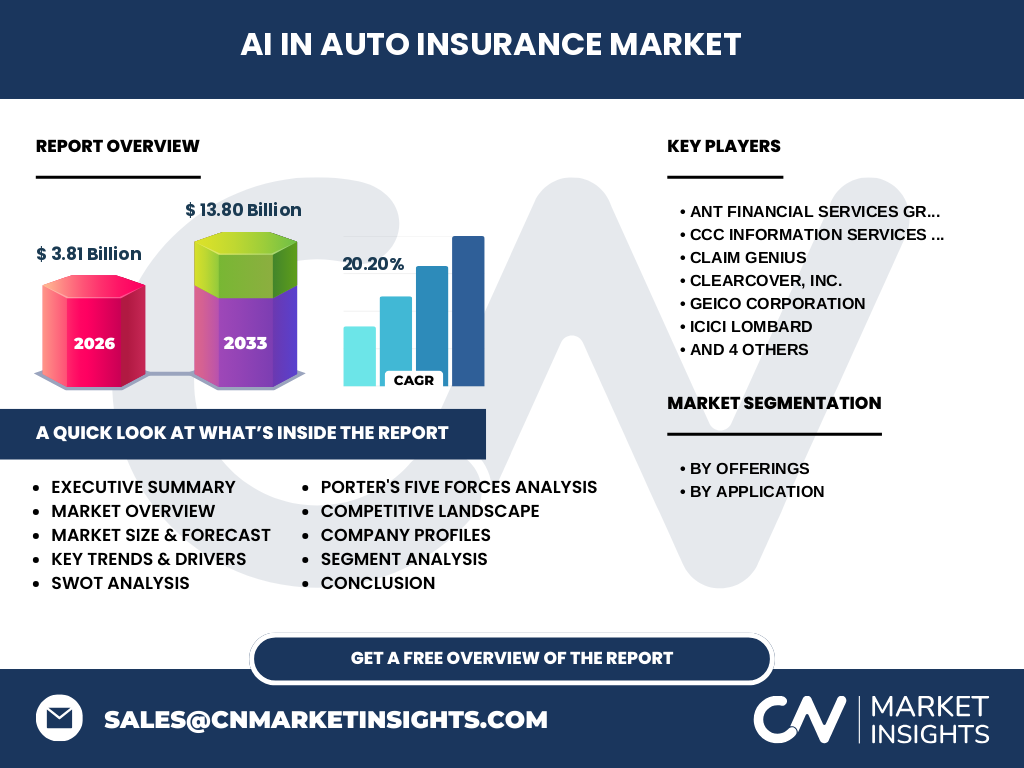
Artificial intelligence (AI) in auto insurance is currently reshaping the industry by automating claims processing, personalizing premium pricing through telematics, and enhancing fraud detection. These technologies leverage machine learning models to analyze vast datasets, including driving behavior, historical claim patterns, and real-time risk assessments, ultimately aiming to increase operational efficiency while adjusting policy costs to reflect individual risk profiles.
The Evolution of Artificial Intelligence in Insurance Markets
The integration of AI into auto insurance is not merely a modern trend but a multi-year shift toward data-driven risk management. As of 2026, the primary application of AI involves the transition from traditional, static actuarial tables to dynamic, real-time risk assessment. Insurance companies have moved beyond basic automation into the realm of predictive analytics, where software can forecast the likelihood of an accident based on variables that were previously impossible to quantify at scale.
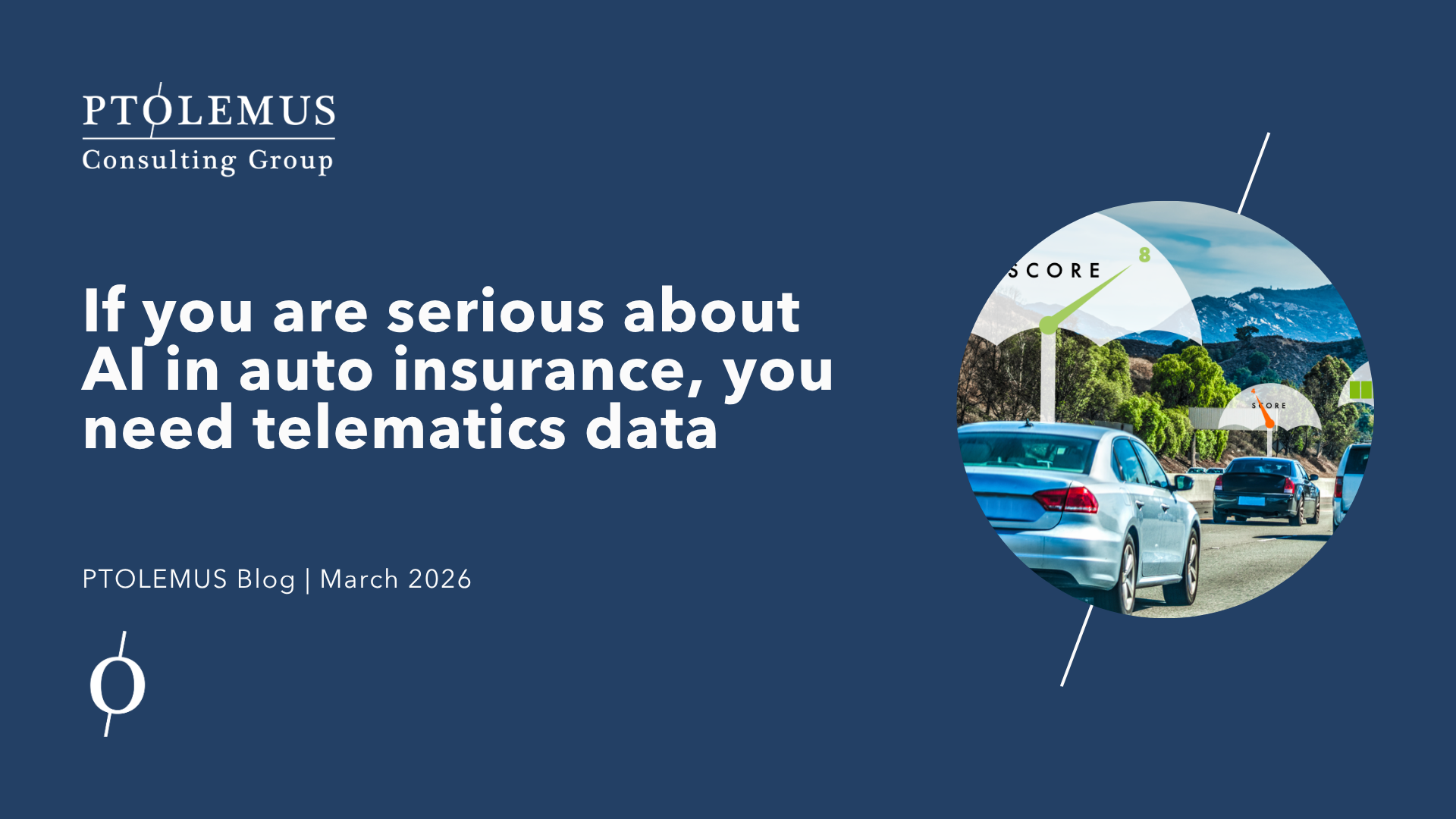
For the policyholder, this means the shift from "proxy-based" pricing—where premiums are based on age, location, and vehicle type—to "behavior-based" pricing. This transition relies on Internet of Things (IoT) sensors and mobile telematics, which track acceleration, braking patterns, and time-of-day usage. By processing this data through AI, insurers can assign a "risk score" to an individual, offering lower premiums to safer drivers while adjusting the rates for those who exhibit high-risk habits.
Key Applications of AI in Modern Auto Insurance
To understand how AI impacts the insurance lifecycle, it is necessary to examine the three distinct pillars where these technologies provide the most significant value: claim automation, fraud detection, and personalized underwriting.
Automated Claims Processing
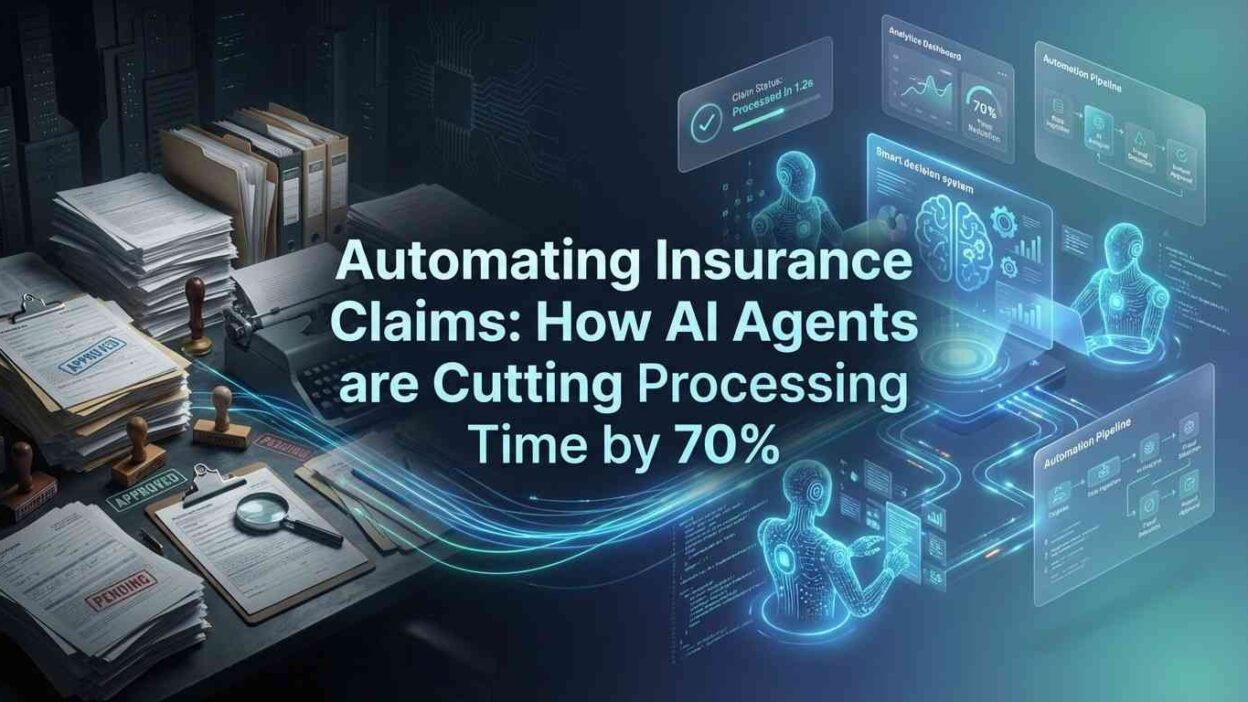
Traditionally, filing an insurance claim was a manual, paper-intensive process requiring adjusters to physically inspect vehicles. In 2026, many insurers have implemented computer vision technology. When a policyholder submits a photograph of a vehicle after an incident, AI-driven image recognition software can scan the damage, estimate repair costs, and even determine if the vehicle is a total loss within minutes. This significantly reduces the time from accident reporting to payout.
Fraud Detection and Mitigation
Insurance fraud costs the industry billions annually. AI systems act as gatekeepers by analyzing patterns that a human eye might miss. These algorithms compare new claims against databases of historical data to flag inconsistencies, such as suspicious repair shop locations, unusual repair costs for specific vehicle models, or links between individuals involved in recurring "accidents." By detecting these anomalies in real-time, insurers can trigger a human-led investigation before a payment is erroneously issued.
Personalized Underwriting and Dynamic Pricing
The core of modern auto insurance is the refinement of the risk model. AI models ingest external data streams—such as weather reports, traffic density indices, and local crime statistics—alongside individual driving data. This creates a hyper-personalized policy. For example, a driver living in a high-theft area might see lower premiums if their vehicle is equipped with specific anti-theft telematics and they primarily park in secure garages, a nuance that traditional underwriting often overlooked.
Operational Benefits and Consumer Impacts
The implementation of AI is not without controversy, particularly regarding data privacy and the accuracy of algorithms. Below is a comparison of the perceived impacts of these technologies from both the insurer and the consumer perspective.
| Feature | Insurer Benefit | Consumer Impact |
|---|---|---|
| Claims Speed | Lower administrative overhead | Immediate resolution and payout |
| Pricing Models | Improved actuarial accuracy | Potential for lower, personalized rates |
| Fraud Prevention | Reduced losses and legal costs | Fewer premium hikes due to fraud |
| Data Collection | Deep insights into risk | Privacy concerns over tracked behavior |
The Challenge of Algorithmic Bias
A significant concern in 2026 is the potential for AI to introduce bias. If the historical data used to train an AI model contains systemic imbalances, the algorithm may inadvertently penalize certain demographic groups or geographic areas. Regulatory bodies, such as the National Association of Insurance Commissioners (NAIC) in the United States, have been increasingly focused on ensuring that AI models used for pricing are transparent and do not violate anti-discrimination laws. Consumers are encouraged to review their insurer’s privacy policy to understand exactly what data is being tracked and how it influences their premiums.
Navigating Telematics Programs
For many consumers, the most tangible interaction with AI in auto insurance is through telematics—apps or plug-in devices that monitor driving behavior. To participate in these programs, users must consent to continuous tracking.
Prerequisites for Participation
- Device Compatibility: Users typically need a smartphone with GPS capabilities or an On-Board Diagnostic (OBD-II) port device provided by the insurer.
- Data Sharing Consent: Drivers must agree to the collection of location, speed, and braking data.
- Usage Minimums: Many programs require a specific duration of active driving (e.g., 30 to 90 days) to establish a baseline for pricing.
Potential Drawbacks
While safe drivers may benefit from discounts of up to 30%, high-risk driving behaviors can lead to higher premiums than those offered by traditional policies. Furthermore, the "black box" nature of some proprietary algorithms means that a driver might not always know exactly which behavior caused a rate increase, making it difficult to improve their score.
Implementation Hurdles and Future Outlook
While the industry continues to integrate AI, several hurdles remain. Integrating legacy mainframe computer systems—which many older insurance companies still rely on—with modern cloud-based AI platforms is costly and technically demanding. Furthermore, the legal landscape surrounding "AI-made decisions" is still evolving.
As of 2026, the industry is moving toward a model of "explainable AI." Insurers are increasingly required to provide customers with the reasoning behind a specific claim denial or rate increase if that decision was reached via an algorithm. This move toward transparency is expected to build consumer trust, which is a major hurdle for AI adoption in a sector built on long-term relationships and reliability.
Frequently Asked Questions
Will using an AI-based telematics app always lower my insurance bill?
No. While these apps reward safe driving, they are designed to reflect actual risk. If your driving data shows frequent hard braking, excessive speeding, or driving during high-risk hours, your premium may actually increase compared to a standard, non-telematics policy.
How does AI know if I was the driver or a passenger?
Most modern AI telematics systems use motion sensors, GPS acceleration data, and pattern recognition to distinguish between the driving signature of a car operator and the movement of a passenger on public transit or a vehicle driven by someone else. However, errors occur, and most platforms allow users to manually tag a trip as "passenger" or "public transport" to correct the record.
Is my personal data safe when using AI-driven insurance products?
Insurers are subject to strict data protection regulations. However, the data collected is often shared with third-party vendors who provide the AI software. It is essential to read the "Data Privacy" section of your insurance agreement to understand if your driving habits are sold to third parties or used solely for underwriting purposes.
Can AI deny a claim without human intervention?
In most jurisdictions as of 2026, total claim denial typically involves a human review process for complex cases. While AI may "suggest" a denial based on policy conditions or inconsistent data, the final decision usually requires human oversight to ensure compliance with legal and contractual obligations.
How can I dispute a decision made by an AI?
If you disagree with an AI-generated outcome, such as a low claim settlement or a premium increase, you have the right to request a manual review. Contact your insurer’s customer service department and specifically ask for an explanation of the data points used in the AI decision. Documentation of the facts (e.g., your own photos, police reports, or witness statements) remains the best way to contest an algorithmic determination.
Conclusion and Next Actions
The integration of AI in auto insurance is fundamentally changing the relationship between the insurer and the insured. For the consumer, this offers an opportunity to lower costs through demonstrably safe behavior, but it requires a willingness to engage with telematics and a vigilance regarding data privacy.
To maximize your benefits in the current landscape, conduct an annual audit of your insurance policy. If you are not enrolled in a telematics program, request a quote to see how your driving habits could influence your rate. If you are already enrolled, review your driving score periodically and cross-reference it with your latest billing statement to ensure your premium reflects your actual road performance. Always prioritize your privacy by opting out of non-essential data sharing where the insurer provides that choice, and never hesitate to dispute an automated decision if you believe the underlying data is inaccurate.