AI auto insurance involves the integration of artificial intelligence and machine learning into the insurance value chain, from underwriting and risk assessment to claims processing and customer service. Deloitte’s research provides a framework for how insurers leverage these technologies to improve operational efficiency, enhance customer personalization, and refine actuarial precision in an increasingly data-driven automotive landscape.
The Evolution of Auto Insurance through Artificial Intelligence
The automotive insurance sector is undergoing a profound transformation driven by digital maturity and data availability. Artificial intelligence serves as the foundational technology that allows insurance carriers to move beyond static, historical data models. Traditional underwriting relied on demographics, credit scores, and past claims history. Today, the focus has shifted toward predictive modeling, real-time behavioral data, and automated decision-making.
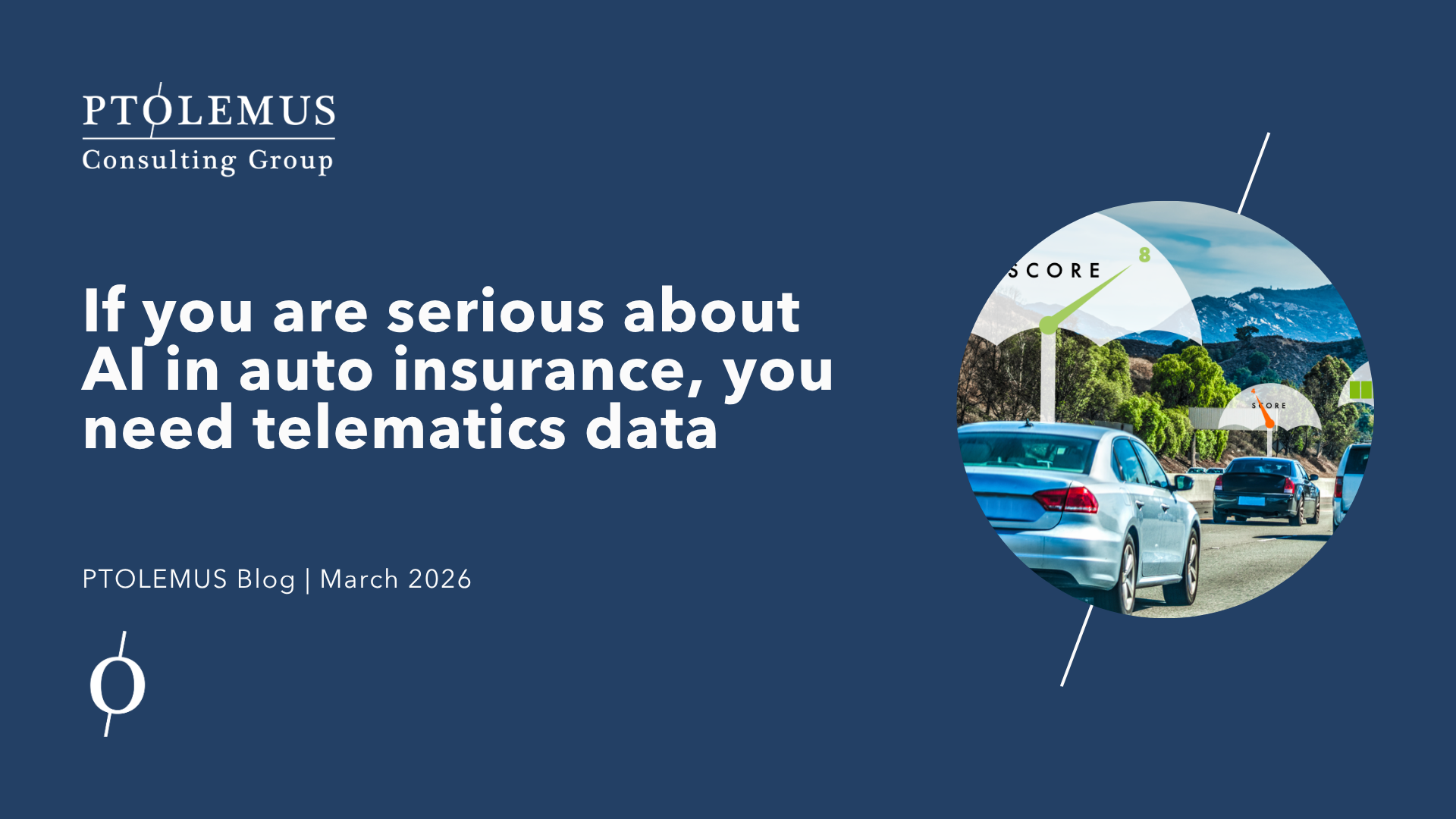
Deloitte’s analyses have consistently highlighted that AI in auto insurance is not merely a tool for automation but a strategic necessity for competitive differentiation. By deploying AI, insurers can transition from a "detect and repair" model to a "predict and prevent" approach. This shift is enabled by telematics—the integration of telecommunications and informatics—which provides granular insights into driver behavior, such as braking patterns, speed, and distracted driving indicators.
Core Applications in the Insurance Value Chain
The application of AI in auto insurance is categorized into several functional areas. Understanding these divisions is essential for grasping how organizations like Deloitte evaluate the operational impact of these technologies.
1. Underwriting and Actuarial Pricing
AI algorithms can ingest massive datasets, including telematics, vehicle sensor data, and external socio-economic indicators. This allows for highly personalized risk profiles. Instead of grouping individuals into broad demographic categories, AI-driven underwriting evaluates the individual risk profile of a specific driver. This granularity often leads to more accurate pricing, ensuring that premiums reflect actual driving behavior rather than generic statistical averages.
2. Claims Management and Automated First Notice of Loss (FNOL)
One of the most significant pain points in auto insurance is the claims lifecycle. AI automates the FNOL process by utilizing computer vision to assess vehicle damage through photographs uploaded by policyholders. These tools can estimate repair costs instantly, reducing the reliance on manual field inspections. By accelerating the claims process, insurers increase customer satisfaction while simultaneously reducing operational expenses and detecting potential fraud.
3. Fraud Detection
Fraud remains a multibillion-dollar challenge in the insurance industry. AI models are uniquely equipped to identify anomalies in complex data streams that would escape human notice. By cross-referencing claim patterns against historical fraud databases and identifying inconsistent behavioral signatures, AI systems act as a proactive gatekeeper against illicit activity.
Strategic Implementation and Operational Challenges
For insurance companies, the implementation of AI involves balancing innovation with regulatory compliance and ethical considerations. Deloitte’s advisory frameworks often emphasize that technology deployment must occur within a structured governance model.
- Data Governance: AI systems are only as effective as the data fed into them. Insurers must ensure that data collection complies with regional privacy regulations, such as the General Data Protection Regulation (GDPR) or the California Consumer Privacy Act (CCPA).
- Algorithmic Bias: There is a significant risk that AI models may inadvertently perpetuate biases if the training data is skewed. Ensuring the fairness and explainability of AI models is a core requirement for both regulatory approval and consumer trust.
- Legacy System Integration: Many established insurance carriers operate on outdated core systems. Integrating modern AI platforms with legacy infrastructure requires significant capital investment and technical agility.
Comparison of Traditional vs. AI-Enhanced Auto Insurance
The transition to AI-integrated processes offers distinct operational advantages over traditional models. The following table summarizes the shift in operational focus.
| Feature | Traditional Auto Insurance | AI-Enhanced Auto Insurance |
|---|---|---|
| Pricing Model | Demographic/Historical averages | Individualized/Real-time behavior |
| Claims Processing | Manual inspection/Long cycle times | Computer vision/Automated appraisal |
| Risk Detection | Reactive/Post-incident | Predictive/Pre-incident warning |
| Customer Interaction | Manual call centers | AI-driven chatbots/Digital self-service |
| Fraud Prevention | Manual audit/Reactive | Pattern recognition/Automated flagging |
The Impact of Telematics and Connected Vehicles
Connected vehicles are the primary engine for the next generation of auto insurance. As cars become mobile data hubs, the amount of information available to insurers expands exponentially. AI allows insurers to process this "Internet of Things" (IoT) data in real-time.
For the consumer, this translates into Usage-Based Insurance (UBI). Drivers who demonstrate safe behaviors are rewarded with lower premiums, fostering a mutually beneficial relationship. However, this also raises questions about data ownership and the extent to which insurers should monitor daily life. Deloitte notes that insurers who successfully navigate this balance—prioritizing transparency and offering clear value in exchange for data—are more likely to retain long-term policyholders.
Managing Regulatory and Ethical Risks
As insurers deploy AI, they must contend with an evolving regulatory landscape. Regulators are increasingly focused on the "black box" nature of machine learning. If an AI model denies a claim or increases a premium, the insurer must be able to explain the "why" behind the decision.
Explainable AI (XAI) is the industry's response to this requirement. It involves developing models that provide human-understandable justifications for their outputs. Deloitte’s guidance suggests that insurers who invest in transparent, interpretable AI frameworks are better positioned to satisfy regulators and avoid reputational damage. Furthermore, ethical considerations regarding the exclusion of certain populations based on algorithmic findings necessitate rigorous third-party auditing and internal governance.
Frequently Asked Questions
How does AI improve the accuracy of auto insurance pricing? AI improves pricing accuracy by moving away from static demographic proxies to dynamic, behavioral data points. By analyzing real-time telematics data, insurers can calculate premiums based on how a specific person actually drives rather than how their demographic group is predicted to drive, leading to more equitable pricing.
What is the role of computer vision in auto insurance claims? Computer vision allows AI to analyze images of a damaged vehicle to identify components that require repair or replacement. This technology automates the preliminary damage assessment, allowing for near-instant estimates and accelerating the settlement process for both the insurer and the policyholder.
Are there privacy risks associated with AI-driven telematics? Yes, there are inherent privacy risks when collecting detailed behavioral data. Insurers must implement robust encryption and clear consent protocols. Many users are willing to share data in exchange for lower premiums, but the burden remains on the insurer to ensure data is used only for the stated purposes and protected against breaches.
What is "Usage-Based Insurance" and how does AI enable it? Usage-Based Insurance (UBI) is a policy structure where premiums are determined by the driver's actual usage and behavior. AI enables UBI by processing high volumes of telematics data to generate a driver safety score, which is then used to adjust rates dynamically.
How do insurance companies prevent AI bias in their underwriting? Insurers prevent bias by performing regular audits of their training data to ensure it is representative and free from historical prejudices. They also employ "Explainable AI" techniques, which allow data scientists to trace the decision-making logic of a model to ensure no discriminatory variables are influencing the outcomes.
Practical Next Steps for Insurers and Policyholders
For insurance organizations looking to advance their AI capabilities, the primary recommendation is to prioritize the modernization of data architecture before attempting full-scale AI deployment. A "data-first" culture ensures that the insights generated by AI are actionable and accurate. Leaders should focus on cross-functional collaboration between IT, actuarial, and claims departments to ensure that AI initiatives align with broader business objectives.
For policyholders, the rise of AI-driven insurance offers the opportunity for greater control over insurance costs. Consumers should investigate whether their current provider offers UBI programs or digital-first claims tools. Engaging with these technologies typically leads to a more personalized experience, provided that the policyholder is comfortable with the level of data sharing involved. Verification of policy terms and data usage policies remains the best approach for consumers to ensure they are maximizing the benefits of an AI-integrated insurance market.