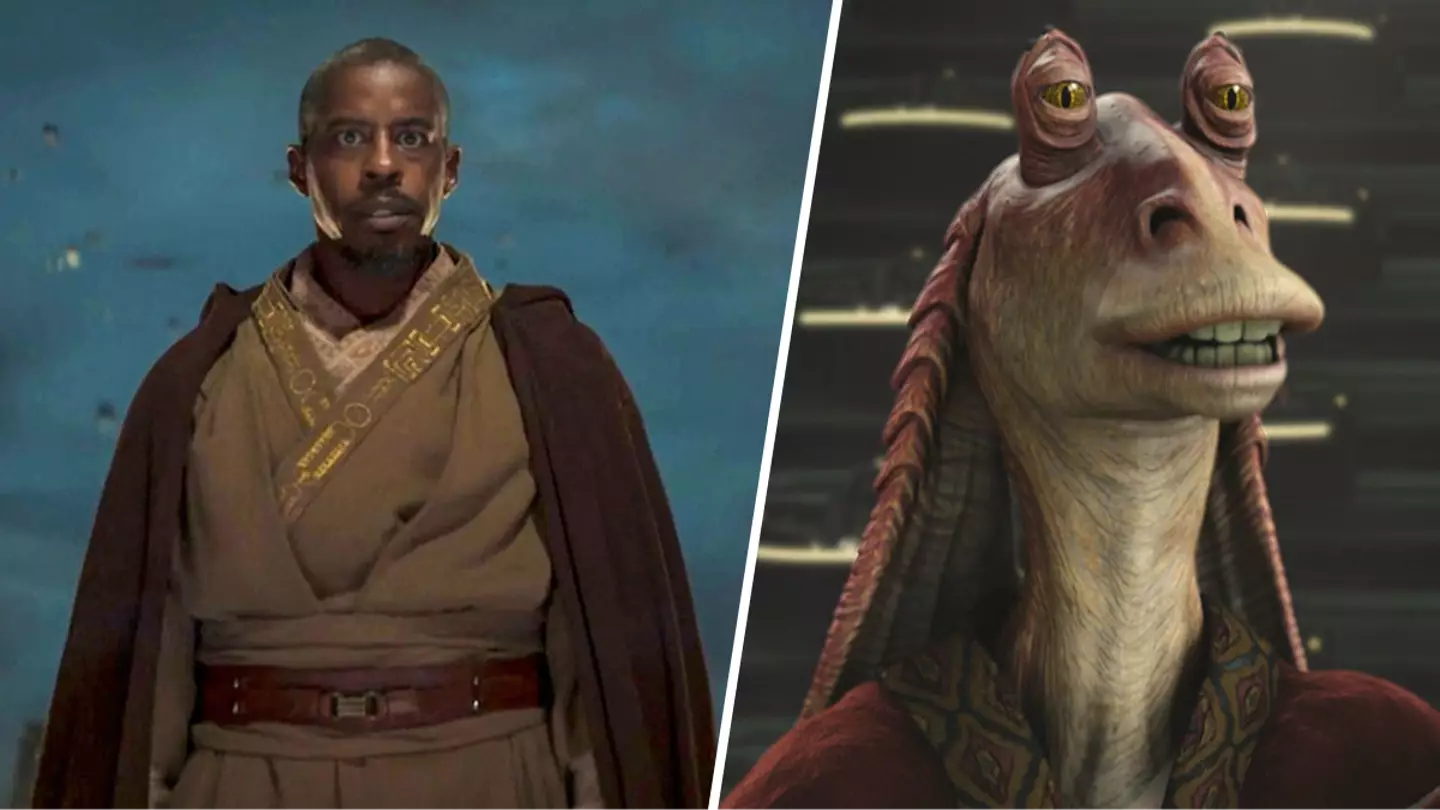
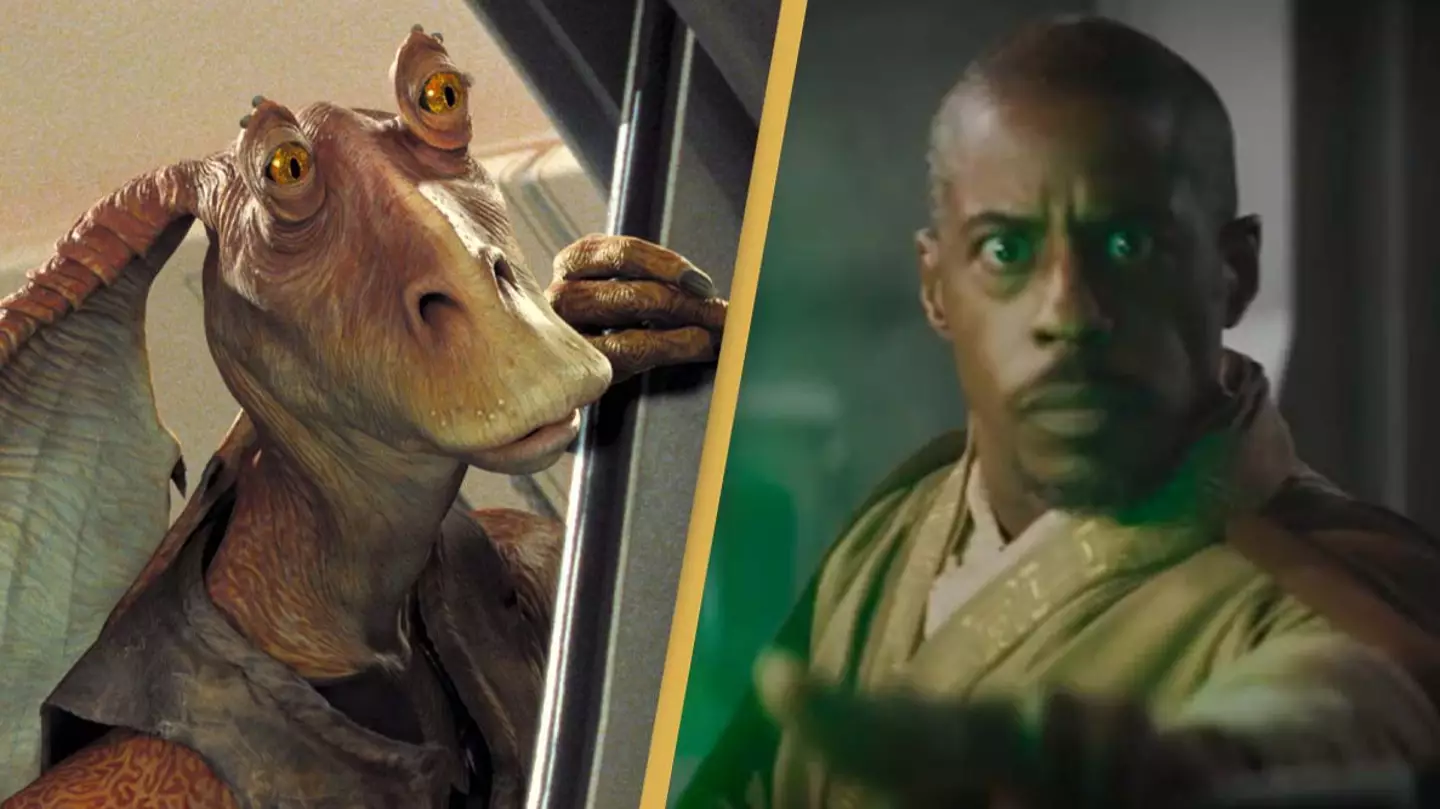
Ahmed Best is the actor and motion-capture pioneer who provided the voice and physical performance for Jar Jar Binks, the controversial Gungan character introduced in the 1999 film Star Wars: Episode I – The Phantom Menace. While the character faced intense public scrutiny and criticism upon release, Best’s performance represents a significant milestone in the history of computer-generated imagery (CGI) in cinema, marking one of the first times a lead character in a major blockbuster was fully realized through motion capture.
The Origins of a Digital Pioneer
In the mid-1990s, when George Lucas began developing the Star Wars prequel trilogy, the goal was to push the boundaries of what visual effects could achieve. The character of Jar Jar Binks was designed to be a centerpiece of this technological experiment. Ahmed Best, who was working in the stage production Stomp at the time, was scouted by casting director Robin Gurland. Lucas sought a performer who could bring a specific physicality to a character that would later be layered with digital skin.
Best did not merely provide voice-over work; he operated on set alongside human actors. This process required him to wear a suit equipped with tracking markers, allowing the animators at Industrial Light & Magic (ILM) to translate his specific movements, facial expressions, and timing into the digital model of the Gungan. In 1999, this workflow was revolutionary. It bridged the gap between traditional puppetry and the fully digitized performance capture that would become standard in later decades.
Navigating the Controversy of Jar Jar Binks
Upon the release of The Phantom Menace, Jar Jar Binks became a lightning rod for criticism. The character was intended by Lucas to be a source of comic relief, drawing inspiration from Buster Keaton and Charlie Chaplin’s slapstick routines. However, the reception was largely negative, with many fans and critics labeling the character as an unnecessary distraction that detracted from the film’s tone.
For Ahmed Best, the criticism became personal. He faced years of public backlash, which included harsh interviews, audience ridicule, and even death threats. As an actor, Best found himself in a unique and challenging position: he was the face of a technological innovation, yet he was systematically blamed for the perceived creative failings of a multibillion-dollar franchise. The psychological toll of this period was immense, and it influenced how the industry viewed the transition from human performance to digital characters.
The Technical Evolution of Motion Capture
The performance of Jar Jar Binks served as a foundational test case for ILM. By analyzing the way Ahmed Best interacted with the physical environment of the set, the animators learned how to integrate digital characters into live-action footage more effectively.
Key Technical Contributions to CGI
- Physical Grounding: Because Best was present on set, the other actors (such as Liam Neeson and Ewan McGregor) could interact with a real person, ensuring eye lines and blocking were natural.
- Dynamic Pacing: The movement data captured from Best ensured that the character’s "weight" and velocity remained consistent throughout the action sequences.
- The Prototype for Future Roles: The lessons learned from the limitations of the technology in 1999 paved the way for more nuanced motion-capture performances, such as Andy Serkis’s portrayal of Gollum in The Lord of the Rings and later work in the Planet of the Apes franchise.
Comparison of Performance Roles in the Prequel Era
The transition to digital characters in the Star Wars universe required a specific type of actor capable of blending theater, dance, and traditional acting.
| Performance Type | Primary Focus | Challenges | Example |
|---|---|---|---|
| Physical Stunt | Movement and blocking | Safety and choreography | Prequel Stormtroopers |
| Voice-Only | Intonation and timing | Lack of physical presence | Various Droids |
| Motion Capture | Emotive, full-body performance | Integrating physical/digital | Jar Jar Binks |
| Pure CGI | Non-human behavior simulation | Lack of human reference | Creatures/Monsters |
The Reclamation of the Character and Actor
In the years following the prequels, there has been a significant shift in the perception of both the character and Ahmed Best’s contribution. As the generation that grew up with the prequel trilogy matured, many began to view Jar Jar Binks not as an annoyance, but as a nostalgic piece of their cinematic upbringing.
In 2020, Best spoke openly about his experiences, highlighting how the industry has evolved to better understand the nuances of motion capture. He returned to the Star Wars franchise in the live-action series The Mandalorian (2023), portraying Jedi Master Kelleran Beq. This return served as a form of professional vindication, allowing fans to appreciate Best’s range as an actor beyond the constraints of the Gungan costume.
Addressing Frequent Inquiries
Was Jar Jar Binks intended to be a villain?
There is a popular fan theory, often referred to as the "Darth Jar Jar" hypothesis, suggesting the character was originally conceived as a secret antagonist. However, there is no official documentation from George Lucas or the production team confirming this. The character was consistently presented as a well-meaning, clumsy guide.
Did Ahmed Best perform the voice for all versions of Jar Jar?
Yes. Ahmed Best provided the voice for Jar Jar Binks in The Phantom Menace, Attack of the Clones, and Revenge of the Sith, as well as various animated series and video game adaptations.
How did the motion capture for 1999 differ from modern standards?
In 1999, the motion capture technology was in its infancy. Much of the interaction was manual, requiring animators to hand-key aspects of the performance over the captured data. Modern performance capture (post-2010s) uses high-density sensor suits and facial cameras that capture micro-expressions, allowing for a much more direct translation of the actor's performance to the screen.
Why is Ahmed Best associated with the "first" CGI lead?
While digital effects were used in previous films (such as Jurassic Park), Jar Jar Binks was the first primary, dialogue-driven character in a major feature film to be entirely created via motion capture, requiring the actor to lead a significant portion of the narrative.
What is the current status of Ahmed Best’s involvement in Star Wars?
As of 2026, Ahmed Best maintains a positive relationship with the Star Wars community and production teams. His role as Jedi Master Kelleran Beq has been well-received, effectively diversifying his legacy within the franchise.
Next Steps for Fans and Researchers
For those interested in the history of digital filmmaking, examining the Star Wars "behind-the-scenes" featurettes included in the Phantom Menace DVD and Blu-ray releases provides direct evidence of the technical hurdles faced in 1999. Readers looking to understand the psychological impact of public criticism on performers should refer to Ahmed Best’s own interviews and his 2023 appearances at fan conventions, where he discusses his recovery and continued career path. The evolution of this narrative—from a target of ridicule to a recognized pioneer of acting technology—is a definitive study in the changing nature of film criticism and digital art.