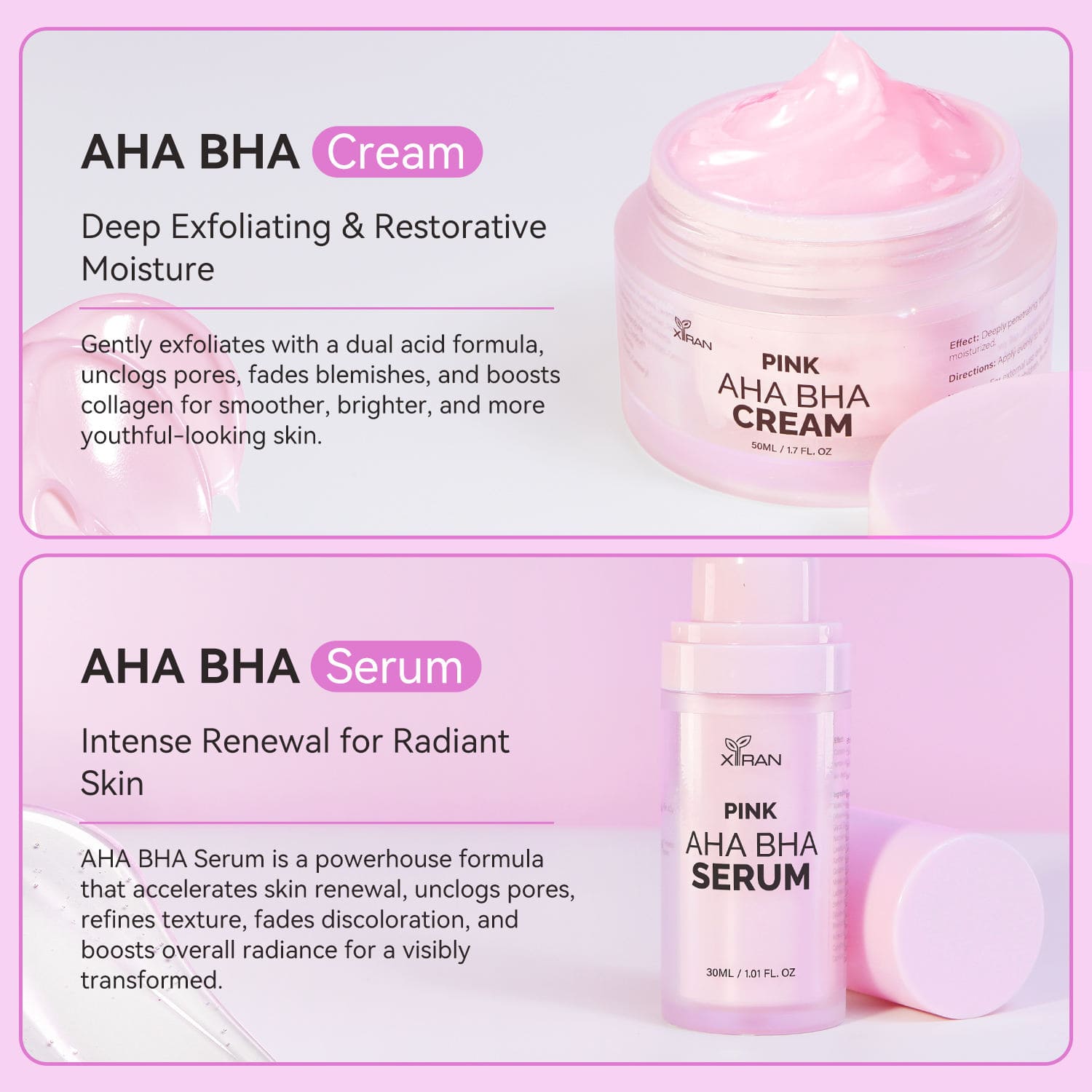
During pregnancy, Alpha Hydroxy Acids (AHAs) like glycolic and lactic acid are generally considered safe for topical use in low concentrations. Beta Hydroxy Acids (BHAs), specifically salicylic acid, are also regarded as safe when used topically at concentrations of 2% or less. However, high-strength chemical peels and oral salicylic acid must be avoided.
Expectant mothers often face a unique set of skin challenges, ranging from the famous "pregnancy glow" to less desirable issues like hormonal acne and melasma. Navigating the world of active ingredients becomes significantly more complex during these nine months. The primary concern with aha and bha while pregnant centers on systemic absorption—the amount of product that enters the bloodstream and potentially reaches the developing fetus. While topical application results in minimal absorption, understanding the nuances of these acids is essential for maintaining both skin health and peace of mind.
Understanding AHAs (Alpha Hydroxy Acids) and Pregnancy Safety
Alpha Hydroxy Acids are a group of water-soluble acids derived from sugary fruits, milk, or synthetic sources. The most common AHAs include glycolic acid (from sugar cane), lactic acid (from sour milk), citric acid (from citrus fruits), and mandelic acid (from bitter almonds). These acids work by exfoliating the uppermost layer of the skin, breaking down the "glue" (desmosomes) that holds dead skin cells together. This process promotes cellular turnover, leading to a brighter, more even complexion.
In 2026, the clinical consensus remains that AHAs are generally safe to use during pregnancy because they have a limited ability to penetrate deep into the dermis and enter the bloodstream. Because they are water-soluble, their action is largely confined to the surface of the skin. Glycolic acid and lactic acid are the most researched in this category. Medical professionals generally recommend keeping over-the-counter (OTC) concentrations at or below 10%.
The primary benefit of using AHAs during pregnancy is their ability to combat melasma, often referred to as the "mask of pregnancy." Melasma is a form of hyperpigmentation caused by a combination of hormonal fluctuations and UV exposure. AHAs help shed pigmented cells more rapidly. However, because AHAs increase sun sensitivity, it is non-negotiable to pair them with a pregnancy-safe mineral sunscreen to prevent further pigmentation.
The Nuances of BHA (Salicylic Acid) Usage
Beta Hydroxy Acid, specifically salicylic acid, presents a slightly different profile than AHAs. BHAs are oil-soluble, meaning they can penetrate through sebum and get deep into the pores to dissolve debris and excess oil. This makes them highly effective for treating the "pregnancy acne" that often flares up during the first and second trimesters due to rising androgen levels.
The safety concern regarding BHAs stems from their structural relationship to aspirin (acetylsalicylic acid). It is well-documented that high doses of oral aspirin are linked to pregnancy complications and birth defects. This led to historic caution regarding topical salicylic acid. However, multiple studies and the American College of Obstetricians and Gynecologists (ACOG) have clarified that topical application of salicylic acid in low concentrations (2% or less) is safe. The amount absorbed through the skin from a wash or a spot treatment is negligible.
Despite this safety clearance, many dermatologists still suggest a conservative approach. If a patient is using multiple products containing BHAs—such as a cleanser, a toner, and a moisturizer—the cumulative exposure could potentially increase. In 2026, the standard recommendation is to limit BHA use to once daily or to use it as a targeted spot treatment rather than an all-over face or body peel. High-concentration BHA chemical peels, often found in clinical settings, remain strictly contraindicated during pregnancy.
Systematic Absorption and the Precautionary Principle
When evaluating skincare ingredients during pregnancy, researchers look at the "systemic load." This refers to how much of a substance actually bypasses the skin's barrier to enter the systemic circulation. For most topical AHAs and BHAs, this percentage is extremely low. For instance, studies on salicylic acid suggest that less than 10% of a topical dose is typically absorbed, and much of that is metabolized before it can pose a risk.
The reason for the continued debate and the abundance of "pregnancy-safe" marketing is the "Precautionary Principle." Because it is unethical to perform controlled clinical trials on pregnant women, most of our data comes from animal studies or retrospective human observations. In animal studies, extremely high oral doses of salicylic acid produced adverse effects, leading to a "better safe than sorry" mentality in human skincare.
Furthermore, the skin's barrier function can change during pregnancy. Increased blood flow to the skin and changes in skin sensitivity mean that some women may react more strongly to acids than they did pre-pregnancy. This heightened sensitivity can lead to irritation, redness, and inflammation, which can in turn trigger post-inflammatory hyperpigmentation (PIH). Therefore, the "safety" of an ingredient isn't just about fetal risk; it is also about the mother's skin integrity.
Comparing AHA and BHA Safety Profiles
The following table summarizes the 2026 guidelines for the most common hydroxy acids used in consumer skincare products.
| Ingredient | Category | Typical OTC Strength | Pregnancy Safety Status | Primary Purpose |
|---|---|---|---|---|
| Glycolic Acid | AHA | 5% - 10% | Safe | Exfoliation, Melasma |
| Lactic Acid | AHA | 5% - 10% | Safe (Very Gentle) | Hydration, Dullness |
| Mandelic Acid | AHA | 5% - 10% | Safe | Acne, Sensitive Skin |
| Salicylic Acid | BHA | 0.5% - 2% | Safe in Low Doses | Clogged Pores, Acne |
| Citric Acid | AHA | < 2% | Safe | pH Balancing |
| Azelaic Acid | Dicarboxylic | 10% - 20% | Highly Recommended | Acne, Rosacea, Pigment |
Effective Alternatives to AHAs and BHAs
While low-concentration AHAs and BHAs are generally safe, some women prefer to avoid them entirely to minimize any perceived risk. Fortunately, 2026 has seen the continued rise of high-performance alternatives that offer similar benefits without the systemic concerns associated with traditional acids or retinoids.
Azelaic Acid is widely considered the gold standard for pregnancy-safe skincare. Naturally derived from grains like barley and rye, it is a dicarboxylic acid that targets acne-causing bacteria and inhibits tyrosinase, the enzyme responsible for melanin production. This makes it a dual-threat against both pregnancy acne and melasma. Unlike BHAs, it has an excellent safety profile, with even prescription-strength (15-20%) versions being cleared for use by many obstetricians.
Vitamin C (L-Ascorbic Acid) is another powerhouse for those looking to maintain a glow without aggressive exfoliation. Vitamin C is an antioxidant that protects the skin from environmental damage and brightens the complexion. While it doesn't exfoliate in the same way an AHA does, it helps manage the oxidative stress that can worsen hormonal pigmentation.
Bakuchiol has emerged as the premier alternative to retinol, which is strictly prohibited during pregnancy. While not an acid, Bakuchiol provides similar cellular-turnover benefits and collagen-stimulating properties. For women who usually rely on retinoids to keep their skin clear and smooth, switching to a Bakuchiol serum alongside a gentle lactic acid can provide comparable results safely.
Building a Pregnancy-Safe Skincare Routine
Creating a routine that incorporates aha and bha while pregnant requires a balanced approach. The goal is to address skin concerns without causing irritation or exceeding safe concentration limits.
- Morning Routine: Focus on protection and prevention. Use a gentle, non-medicated cleanser, followed by a Vitamin C serum to provide antioxidant protection. If you are struggling with melasma, an azelaic acid treatment can be applied here. Always finish with a mineral-based SPF (zinc oxide or titanium dioxide), as chemical sunscreens like oxybenzone are often scrutinized during pregnancy.
- Evening Routine: This is the best time for gentle exfoliation. After cleansing, you might use a 5% lactic acid toner or a 2% salicylic acid spot treatment. It is generally advised not to use both an AHA and a BHA in the same session to avoid over-stripping the skin's natural barrier. Follow with a rich, fragrance-free moisturizer containing ceramides or hyaluronic acid to support the skin's moisture barrier.
- The "Slow and Low" Approach: If you are introducing a new acid, start by using it only twice a week. Pregnancy hormones can make your skin behave unpredictably. Even if you used a 10% glycolic acid daily before pregnancy, your "pregnant skin" might find it too aggressive.
Ingredients to Avoid Completely
While the debate over low-dose AHAs and BHAs is largely settled in favor of safety, other ingredients are universally flagged as dangerous during pregnancy. Understanding what to avoid is just as important as knowing what is safe.
- Retinoids and Retinol: Oral retinoids (like Isotretinoin) are known to cause severe birth defects. While the systemic absorption of topical retinol, retinaldehyde, and adapalene is lower, the medical community maintains a blanket ban on all vitamin A derivatives during pregnancy and breastfeeding.
- Hydroquinone: Used for severe skin lightening, hydroquinone has a very high systemic absorption rate (up to 35-45%) compared to other topical ingredients. Due to this high absorption, it is strictly contraindicated.
- High-Strength Chemical Peels: Any "in-office" peel that uses high concentrations of salicylic acid, TCA (Trichloroacetic acid), or phenol should be postponed until after pregnancy and breastfeeding. These treatments are designed for deep penetration and carry a higher risk of systemic entry.
When to Consult a Dermatologist
Every pregnancy is unique, and skin reactions can vary wildly. If you find that your acne is becoming cystic and painful, or if melasma is causing significant distress, you should seek professional advice. A dermatologist can provide medical-grade treatments, such as prescription azelaic acid, which are specifically vetted for pregnancy.
Furthermore, if you experience a "burning" sensation, persistent peeling, or extreme redness after using an AHA or BHA product, stop use immediately. Pregnancy can induce a state of "reactive skin," and continuing to use exfoliants on a compromised barrier can lead to long-term sensitivity or scarring.
In 2026, many dermatologists offer "pregnancy skin audits" where they review your current regimen and swap out high-risk actives for safer, effective alternatives. This is often the most efficient way to ensure safety while maintaining your skincare goals.
Frequently Asked Questions
Can I use a 2% salicylic acid cleanser every day?
Yes, using a 2% salicylic acid cleanser is generally considered safe during pregnancy. Because the product is rinsed off rather than left on the skin, the time for absorption is extremely limited. However, if your skin becomes dry or irritated, consider alternating with a gentle, hydrating cleanser.
Is glycolic acid safer than salicylic acid for pregnant women?
In the hierarchy of medical caution, glycolic acid is often viewed as slightly "safer" simply because it is water-soluble and does not share a chemical lineage with aspirin. However, both are considered safe in low, over-the-counter concentrations. Glycolic acid is better for texture and pigment, while salicylic acid is better for acne.
Can I use AHAs and BHAs while breastfeeding?
The guidelines for breastfeeding are generally more relaxed than for pregnancy. The systemic absorption of topical acids is so low that the amount reaching breast milk is considered negligible. Most dermatologists agree that the same OTC concentrations of AHAs and BHAs used during pregnancy are perfectly safe to continue while nursing.
What should I do if I used retinol or high-strength BHA before I knew I was pregnant?
Do not panic. The risks associated with these ingredients are primarily linked to high-dose oral intake or long-term, high-concentration topical use. Most incidental exposures during the early weeks of pregnancy do not result in adverse outcomes. Simply discontinue the products immediately and inform your obstetrician at your next appointment.
Are "natural" acids better than synthetic ones during pregnancy?
Not necessarily. The skin does not distinguish between a "natural" molecule and a "synthetic" one. A 10% glycolic acid derived from sugar cane has the same chemical structure and potential for irritation as a 10% synthetic glycolic acid. Focus on the concentration and the overall formulation rather than the "natural" label.
Summary of Recommendations
Maintaining a skincare routine with aha and bha while pregnant is entirely possible and safe if done with moderation. Prioritize AHAs like lactic or mandelic acid for gentle exfoliation and brightening. If you must use BHAs for acne, stick to 2% concentrations and avoid large-area application or professional-strength peels.
The most effective strategy in 2026 is to incorporate Azelaic Acid as your primary active ingredient, as it provides the benefits of both AHAs and BHAs with an even higher safety profile. Always monitor your skin for signs of increased sensitivity and never skip your mineral sunscreen. When in doubt, a quick consultation with your OB-GYN or a board-certified dermatologist can provide the personalized assurance you need for a healthy pregnancy.