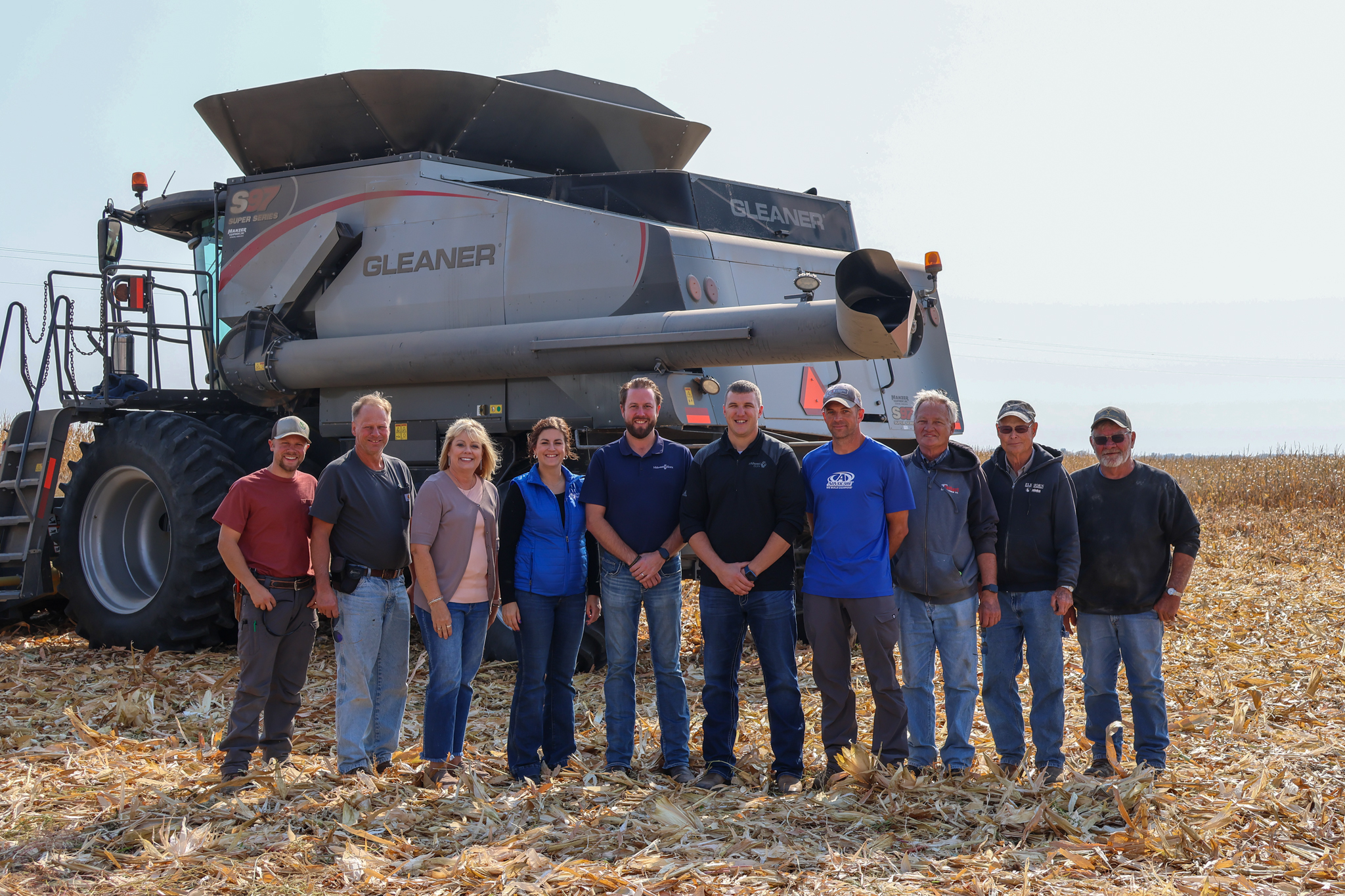
Securing agricultural loans in Tulsa involves navigating a specialized financial landscape that includes federal programs, cooperative lending systems, and commercial banks. In 2026, Tulsa serves as a critical financial hub for Northeastern Oklahoma producers, offering diverse capital solutions for land acquisition, equipment upgrades, livestock purchasing, and seasonal operating expenses tailored to regional agricultural cycles.
Agricultural financing in the Tulsa metropolitan area and its surrounding rural counties (such as Wagoner, Rogers, and Creek) is distinct from standard commercial lending. It requires an understanding of specific commodity risks, soil productivity, and federal subsidy structures. Whether you are an established cattle rancher in the Osage Hills or a precision crop grower near the Arkansas River, the following guide details the mechanisms of agricultural credit available in the region as of 2026.
The Landscape of Agricultural Credit in Northeastern Oklahoma
Tulsa’s position as a regional economic center makes it a unique location for agricultural finance. While the city itself is highly urbanized, Tulsa County and its immediate neighbors maintain significant agricultural output, particularly in livestock, hay production, and increasingly, high-value specialty crops.
Lenders in the Tulsa area typically fall into three categories:
- The Farm Service Agency (FSA): A branch of the USDA that provides government-backed loans, often serving as a "lender of last resort" for those who cannot qualify elsewhere.
- The Farm Credit System: Specifically Oklahoma AgCredit, a member-owned cooperative that specializes exclusively in rural and agricultural lending.
- Commercial Banks: Local and regional institutions like Arvest Bank, MidFirst Bank, and Mabrey Bank, which maintain dedicated agricultural lending departments.
The choice between these institutions depends on your credit profile, the amount of capital required, and the urgency of the funding. In 2026, many Tulsa lenders have integrated digital application portals, though the highly specialized nature of agricultural appraisal—valuing land not just for its acreage but for its AUM (Animal Unit Month) capacity or yield history—still necessitates personal interaction with a loan officer.
Types of Agricultural Loans Available in Tulsa
Farm Ownership Loans (Real Estate)
These are long-term loans used to purchase or enlarge a farm, construct new buildings, or improve existing structures. In the Tulsa area, these are frequently used for purchasing pastureland or specialized facilities for poultry or swine.
- Terms: Typically range from 20 to 40 years.
- Collateral: Usually the real estate being purchased.
- 2026 Outlook: With land values in Northeastern Oklahoma seeing steady appreciation due to urban expansion, these loans often require sophisticated appraisals that account for both agricultural value and potential future development value.
Operating Loans
Operating loans cover the "input" costs of farming. This includes seed, fertilizer, fuel, feeder livestock, and labor. These are often structured as lines of credit that the producer draws upon during the planting or growing season and pays back after harvest or sale.
- Terms: Usually 1 to 7 years, depending on the asset being financed (annual inputs vs. breeding stock).
- Utility: Essential for managing cash flow in the volatile Oklahoma weather cycles, where a late frost or summer drought can delay revenue.
Equipment and Machinery Financing
Modern agriculture in Oklahoma relies heavily on specialized machinery. Tulsa-area lenders provide term loans for tractors, combines, irrigation systems, and precision agriculture technology.
- Structuring: Many lenders offer "skip-payment" plans that align with the farmer’s cash flow—for example, making payments only in months when cattle are sold or crops are harvested.
Youth and Microloans
The USDA/FSA offers specialized microloans up to $50,000 designed for smaller operations, urban farms, or niche producers. These have a shortened application process and are highly relevant for the growing number of small-scale organic and "farm-to-table" operations serving the Tulsa metro food market.
Key Lenders Serving the Tulsa Region
Oklahoma AgCredit
Headquartered in Broken Arrow (part of the Tulsa metro), Oklahoma AgCredit is a primary source of capital for the region. As a cooperative, they operate under a "patronage" model.
- Patronage Dividends: One of the most significant benefits of borrowing through the Farm Credit system is the return of profits to members. In 2026, this effectively lowers the net interest rate for borrowers by returning a portion of the interest paid at the end of the fiscal year.
- Specialization: They offer specialized programs for "Young, Beginning, and Small" (YBS) farmers, which are vital for the next generation of Oklahoma producers.
USDA Farm Service Agency (FSA) - Tulsa/Wagoner Office
The FSA serves producers who may not meet the strict equity or credit requirements of commercial banks.
- Direct Loans: Funded directly by the government.
- Guaranteed Loans: Provided by a commercial bank or AgCredit, but backed by the FSA to reduce the lender's risk. This allows farmers to get better rates or longer terms than they would otherwise qualify for.
Regional Commercial Banks
Commercial banks in Tulsa are often preferred by large-scale agribusinesses or those with diversified income streams (e.g., a farmer who also runs a construction business).
- Arvest Bank: Known for its robust agricultural department, Arvest handles many of the larger commercial agricultural accounts in the Green Country area.
- Mabrey Bank: A locally owned institution that often provides more flexible, relationship-based lending for family-owned operations.
Comparison of Agricultural Loan Providers in Tulsa (2026)
| Feature | USDA / FSA | Oklahoma AgCredit | Commercial Banks |
|---|---|---|---|
| Primary Target | Beginning or credit-challenged farmers | All rural/ag producers | Established agribusinesses |
| Interest Rates | Often the lowest (statutory) | Competitive (with patronage) | Market-based |
| Speed of Funding | Can be slow (government process) | Moderate | Generally the fastest |
| Down Payment | Low (sometimes 0-5%) | Typically 15-25% | Typically 20-30% |
| Experience Requirement | Strict (3 years for ownership) | Flexible | Flexible |
| Maximum Loan Size | Set by federal limits | Scale-based | Bank liquidity-based |
Eligibility and Documentation Requirements
To secure an agricultural loan in Tulsa, you must demonstrate both the "character" of the borrower and the "capacity" of the land. Lenders in 2026 emphasize the "Five Cs of Credit": Character, Capacity, Capital, Collateral, and Conditions.
Financial Records
You will need at least three years of tax returns, specifically focusing on Schedule F (Profit or Loss From Farming). Lenders use this to verify your historical ability to generate revenue from agricultural activities. For new ventures, a comprehensive five-year pro-forma cash flow projection is usually required.
The Business Plan
A professional business plan is no longer optional. It must detail:
- Production Goals: Number of head of cattle, expected bushels per acre, etc.
- Marketing Strategy: Where will you sell your product? (e.g., Tulsa Stockyards, local farmers' markets, or forward-contracting with a processor).
- Risk Management: Do you have crop insurance? How do you mitigate the risk of Oklahoma's volatile weather?
Legal and Environmental Compliance
For loans involving land purchase or major construction in the Tulsa area, you may be required to provide:
- Environmental Assessments: Ensuring the land is not contaminated and that your operation complies with Oklahoma Department of Agriculture, Food, and Forestry (ODAFF) regulations.
- Water Rights: Documentation of legal access to water for irrigation or livestock, which is increasingly scrutinized in the Southern Plains.
Navigating the Application Process in 2026
- Pre-Qualification: Meet with a lender before you find a property. In the competitive Tulsa real estate market, having a pre-qualification letter from a reputable ag lender is essential.
- The Appraisal Gap: Be aware that "agricultural value" and "market value" can differ. If you are buying land near Bixby or Jenks, the market value (driven by housing potential) might be much higher than what the land can produce in crops. Lenders will generally only lend based on the lower of the two values for an agricultural loan.
- Site Visits: Expect your loan officer to visit the operation. Agricultural lending is "boots-on-the-ground" finance. They will want to see the condition of the fences, the health of the herd, and the maintenance of the equipment.
- Closing Costs: Factor in 1% to 3% of the loan amount for appraisals, title searches, and filing fees.
Common Challenges and Troubleshooting
Credit Score Issues
While agricultural lenders look closely at your "Schedule F" and assets, personal credit scores still matter. If your score is below 660, you may be steered toward FSA-guaranteed programs. Many Tulsa-area lenders recommend working with the Oklahoma Small Business Development Center (SBDC) to clean up financial statements before applying.
Lack of Three-Year Experience
The FSA requires three years of participation in the business operations of a farm for their Ownership Loan program. If you lack this, focus on Operating Loans or Microloans first to build a "paper trail" of management experience that will qualify you for a land loan later.
Debt-to-Asset Ratios
In the 2026 economic environment, lenders are cautious about over-leveraged operations. Aim for a debt-to-asset ratio of 40% or lower to secure the most favorable interest rates. If your ratio is higher, you may need to provide additional collateral, such as non-farm income (off-farm jobs are common for many Tulsa-area producers) or secondary real estate.
Frequently Asked Questions
What is the current interest rate for agricultural loans in Tulsa?
In 2026, interest rates vary significantly by loan type. FSA direct loans often range between 3.5% and 5%, while commercial agricultural loans and AgCredit rates typically track slightly above the Prime Rate, ranging from 6.5% to 8.5% depending on the borrower’s equity. Always check with the USDA/FSA current interest rate page for the most recent federal figures.
Can I get a loan for an urban farm inside Tulsa city limits?
Yes. Both the FSA and several local banks have expanded their definitions of "agriculture" to include high-density urban farming, hydroponics, and vertical farming. These often fall under "Microloan" programs which have more flexible land requirements than traditional 100-acre ranching loans.
Do I need a down payment for an Oklahoma AgCredit loan?
Typically, yes. While the FSA has some 0% down programs for beginning farmers, Oklahoma AgCredit and commercial banks generally require a 15% to 25% down payment or equivalent equity in other owned land.
Is livestock used as collateral?
Yes, in Oklahoma, livestock is a very common form of collateral for operating loans. Lenders will file a UCC-1 (Uniform Commercial Code) lien on the herd. You will be required to maintain accurate head counts and notify the lender of major sales or losses.
How does the 2026 Farm Bill affect Tulsa loans?
The 2026 regulatory environment has placed a higher emphasis on "climate-smart" agriculture. Producers who implement soil health practices or water conservation measures may find easier access to certain federal loan guarantees and potentially lower insurance premiums, which improves the overall loan-to-value ratio.
Strategic Recommendation for Tulsa Producers
For those seeking agricultural loans in Tulsa, the most effective path is to begin a relationship with a lender at least six months before you need the capital. Start by organizing your last three years of tax returns and drafting a clear business plan that accounts for the specific challenges of Northeastern Oklahoma—namely, weather volatility and shifting land values.
If you are a beginning farmer, your first stop should be the FSA office in Wagoner (serving Tulsa County) to explore "Beginning Farmer" programs. If you are an established producer looking to expand, contacting Oklahoma AgCredit in Broken Arrow will likely yield the best combination of agricultural expertise and long-term financial benefits through their patronage program.
Professional-Advice Limitation: This information is for educational purposes and does not constitute financial, legal, or tax advice. Agricultural lending involves significant risk and complex legal agreements. Consult with a qualified financial advisor or agricultural attorney before signing any loan documents.