Generally, life insurance proceeds paid directly to a named beneficiary are legally protected from the deceased person's creditors. Because the payout bypasses the probate process, it does not become part of your taxable estate for debt collection purposes. However, if you name your "estate" as the beneficiary, the money can be seized.
The question of whether your life insurance money can be seized for debts after your death is one of the most common concerns for policyholders who want to ensure their family’s financial security. As of 2026, the legal framework surrounding life insurance remains one of the strongest shields for asset protection, provided the policy is structured correctly.
To understand why this protection exists and where the vulnerabilities lie, we must examine the intersection of contract law, probate law, and state-specific exemptions. In most jurisdictions, life insurance is viewed as a private contract between the policyholder and the insurance company for the benefit of a third party—the beneficiary. Because the money is intended for the beneficiary's support, the law generally prevents your creditors from reaching it.
The Legal Shield: Why Life Insurance Bypasses Creditors
The primary reason life insurance money is typically safe from your creditors is that the death benefit is not considered part of your "probate estate." When you die, your assets (bank accounts, real estate, cars) generally go through probate, a court-supervised process where your debts are paid off before your heirs receive anything.
However, life insurance is a non-probate asset. If you have named a specific person (like a spouse or child) as your beneficiary, the insurance company pays them directly. This money never enters the probate court’s jurisdiction. Since the money belongs to the beneficiary from the moment of your death, your creditors have no legal standing to claim it. They are creditors of your estate, not creditors of your beneficiary.
The Role of Beneficiary Designations
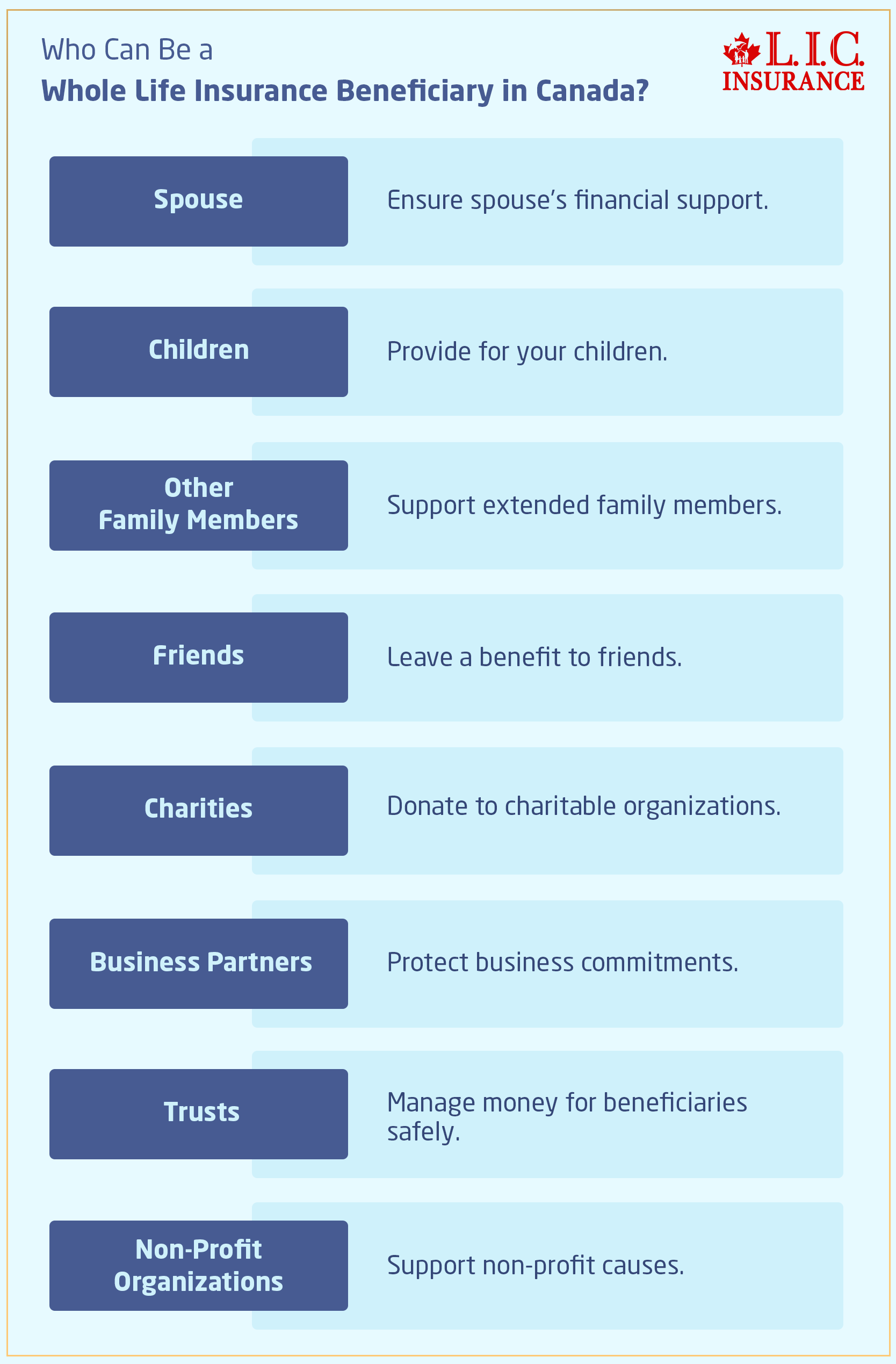
The strength of this shield depends entirely on the beneficiary designation. A "named beneficiary" is a specific individual or entity. As long as a living person or a valid trust is named, the funds transfer outside the reach of the executor of your estate. This is a fundamental principle of insurance law that remains steadfast in 2026.
When the Shield Fails: Scenarios Where Creditors Can Seize the Money
While the general rule offers robust protection, there are specific mistakes and legal scenarios where your life insurance payout can be diverted to pay off your debts.
1. Naming Your "Estate" as the Beneficiary
The most significant mistake a policyholder can make is naming their "Estate" as the beneficiary or failing to name any beneficiary at all. If the payout goes to your estate, it becomes a general asset of the estate, just like your savings account. At that point, the probate court is legally required to use those funds to satisfy your outstanding debts—including credit card balances, medical bills, and personal loans—before any remainder is distributed to your heirs.
2. The Beneficiary is Also a Co-Signer on the Debt
If your beneficiary is a co-signer or joint account holder on one of your debts, the life insurance money is not "seized" for your debt, but rather for their debt. For example, if you and your spouse have a joint credit card with a $20,000 balance, your spouse is legally responsible for that debt regardless of your death. Once the insurance company pays the death benefit to your spouse, your spouse's creditors (who are also your creditors in this case) can sue or garnish those funds.
3. Fraudulent Conveyance or "Intent to Defraud"
Courts may intervene if there is evidence of "fraudulent conveyance." This occurs if an individual, knowing they are insolvent and about to face massive judgments or bankruptcy, moves large sums of money into a permanent life insurance policy specifically to hide it from creditors. While laws vary by state, if a creditor can prove you purchased the policy or made massive premium payments with the specific intent to hinder, delay, or defraud them, they may be able to reach the cash value or the death benefit.
4. Obligations to the Government (Taxes and Federal Debts)
The Internal Revenue Service (IRS) often operates under different rules than private creditors. If you have an active federal tax lien against you at the time of your death, the IRS may be able to claim a portion of the life insurance proceeds, particularly the cash surrender value of a whole life policy that existed before you passed away.
State-Specific Exemptions and Protections
In the United States, the level of protection for life insurance varies significantly by state. As of 2026, many states have updated their statutes to provide clearer definitions of what can and cannot be seized.
| State Category | General Protection Level | Notes |
|---|---|---|
| Fully Exempt States | High | States like Florida, Texas, and New York offer broad protections for life insurance proceeds and cash values from both the insured's and the beneficiary's creditors. |
| Limited Exemption States | Moderate | Some states limit the exemption to a specific dollar amount (e.g., $50,000 or $100,000) or only protect the amount "necessary for support." |
| Dependent-Based States | Variable | Protection may only apply if the beneficiary is a spouse or a dependent child. |
| Cash Value vs. Death Benefit | Specific | Some states protect the death benefit fully but allow creditors to access the cash value of a permanent policy while the insured is still alive. |
It is crucial to consult the laws of the state where the policy was issued or where you reside, as these "Exemption Statutes" are the primary defense against aggressive collection agencies. For instance, some states protect the payout from the insured’s creditors but not from the beneficiary’s own pre-existing creditors once the money is in their bank account.
Protecting Life Insurance Through Trusts
For individuals with high net worth or complex debt situations, using a trust is a common strategy in 2026 to ensure the death benefit remains untouched by any party other than the intended heirs.
Irrevocable Life Insurance Trusts (ILIT)
An Irrevocable Life Insurance Trust (ILIT) is a legal entity created specifically to own and manage a life insurance policy. Because the trust owns the policy, rather than you personally, the death benefit is not considered part of your estate for either tax or debt purposes.
When you die, the insurance company pays the ILIT. The trustee then distributes the money according to your specific instructions. Since the beneficiaries of the trust do not technically "own" the lump sum all at once, their creditors often cannot reach the assets held within the trust. This provides a double layer of protection: shielding the money from your debts and, in many cases, from the future debts or legal judgments of your beneficiaries.
Specific Types of Debt and Their Impact
Not all debts are treated equally by the legal system. Here is how common forms of debt interact with life insurance proceeds:
- Medical Debt: Generally, hospitals and providers are considered unsecured creditors. They must file claims against the estate. If the insurance goes to a named beneficiary, medical creditors cannot touch it.
- Mortgages: Life insurance is often used specifically to pay off a mortgage. If the house is joint property, the surviving spouse might use the payout to clear the lien. However, the bank cannot force the beneficiary to use insurance money to pay the mortgage unless the insurance was specifically pledged as collateral.
- Student Loans: Federal student loans are typically discharged upon death. Private student loans, however, may attempt to collect from the estate. Again, a named beneficiary’s payout remains protected.
- Credit Cards: These are unsecured debts and are at the bottom of the priority list in probate. They are among the least likely to ever touch a life insurance payout unless the estate is the beneficiary.
Practical Steps to Safeguard Your Payout
To ensure your life insurance money serves its intended purpose of supporting your loved ones, follow these steps:
- Review Beneficiary Designations: Ensure you have named specific individuals. Avoid leaving the beneficiary line blank or naming "The Estate of [Your Name]."
- Name Contingent Beneficiaries: If your primary beneficiary dies before you, and you haven't named a contingent (secondary) beneficiary, the money may default to your estate. Always have a backup.
- Use a Trust for Minor Children: Never name a minor child as a direct beneficiary. Creditors are less of an issue here than the legal complications of the court appointing a guardian. Instead, name a trust for the benefit of the child.
- Keep Policies Current: Ensure premiums are paid. A lapsed policy provides zero protection.
- Seek Legal Counsel for High Debt: If you are navigating significant business debts or personal insolvency, speak with an asset protection attorney to ensure your policy structure is compliant with state laws.
Frequently Asked Questions
Can the IRS take my life insurance if I owe back taxes?
In many cases, yes. If the IRS has a federal tax lien against you before your death, they can pursue the cash value of your life insurance policy. If the policy is a term policy (no cash value), it is much harder for the IRS to claim the death benefit once it is paid to a named beneficiary, but they are one of the few entities with the power to attempt it under specific federal statutes.
Does it matter if I have Term or Whole Life insurance?
Regarding the death benefit, both are generally protected if a beneficiary is named. However, "Whole Life" or permanent policies have a cash value component. In some states, while you are still alive, creditors can sue to force you to withdraw the cash value to pay a judgment. Term insurance has no cash value, so there is nothing for creditors to seize while you are living.
Can a debt collector contact my beneficiary for my debts?
Debt collectors may attempt to contact family members, but the beneficiary is not legally obligated to use their life insurance payout to pay the deceased's debts unless they were a co-signer or the debt is a joint obligation. Under the Fair Debt Collection Practices Act (FDCPA), collectors cannot harass or mislead beneficiaries into thinking they are responsible for the deceased's personal debts.
What happens if I use my life insurance as collateral for a loan?
If you formally pledge your life insurance policy as collateral for a loan (common in some business transactions), the lender becomes a "collateral assignee." In this case, the lender is paid first from the death benefit, and the named beneficiary receives whatever remains. This is a voluntary "seizure" agreed upon by the policyholder.
Can my credit card company sue my kids to get the life insurance money?
No. Children are not responsible for their parents' credit card debts. Unless the child was a joint account holder, the credit card company has no legal claim against the child or the money the child receives as a named beneficiary of a life insurance policy.
Final Recommendation
To keep your life insurance money safe from creditors in 2026, the most critical action is to designate specific primary and contingent beneficiaries and keep those designations updated. Never allow the proceeds to default to your estate. If you are concerned about your beneficiaries' own creditors or have a complex financial situation, establishing an Irrevocable Life Insurance Trust (ILIT) remains the most robust method for isolating these funds from legal claims. For personalized protection, consult with an estate planning attorney who is familiar with the specific exemption laws in your state.