Finding affordable auto liability insurance near you requires understanding your state's mandatory minimum coverage laws, comparing quotes from both national insurance carriers and local regional providers, and evaluating how your specific zip code affects your premium. Auto liability coverage pays for third-party injuries and property damage when you are legally at fault in an accident, protecting your personal finances from expensive legal claims.
Understanding Auto Liability Insurance Basics
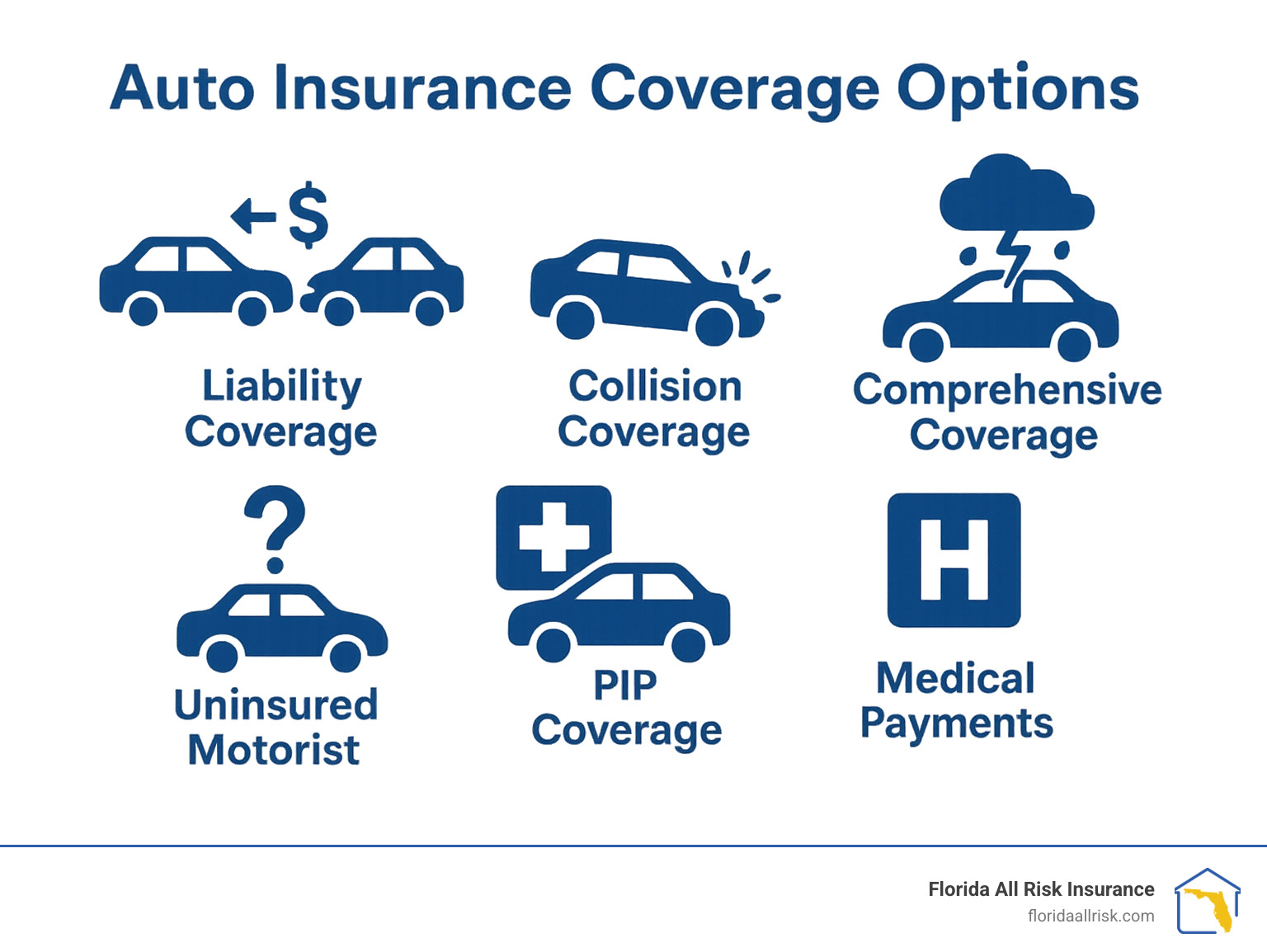
Auto liability insurance is the foundational component of motor vehicle insurance in almost every U.S. state. Unlike comprehensive or collision coverage—which pays to repair or replace your own vehicle—liability insurance pays exclusively for losses, injuries, and property damage suffered by other people when you cause a collision.
Liability policies are divided into two distinct components:
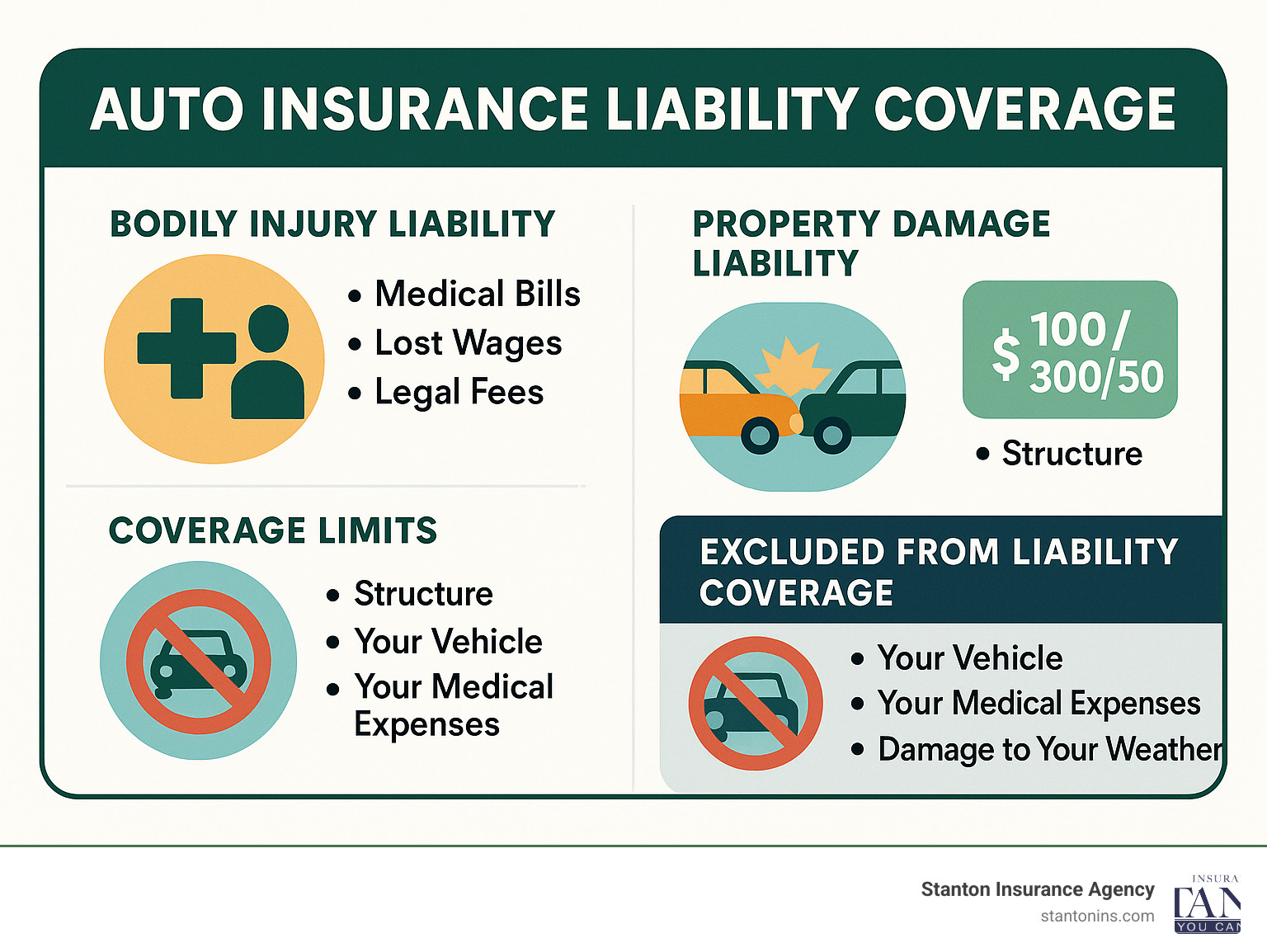
- Bodily Injury Liability (BI): Covers medical expenses, lost wages, emergency medical services, ongoing care, and legal defense fees for drivers, passengers, or pedestrians injured in an accident you cause.
- Property Damage Liability (PD): Covers repair or replacement costs for damaged property, including other vehicles, fences, utility poles, guardrails, or structures hit during an accident.
Insurance companies present liability limits using a standard three-number shorthand (for example, 25/50/25 or 50/100/50), expressed in thousands of dollars:
- First Number (Per Person Bodily Injury): The maximum amount the insurer will pay for bodily injury per individual injured in an accident.
- Second Number (Per Accident Bodily Injury): The maximum total payout for bodily injury across all injured parties in a single accident.
- Third Number (Per Accident Property Damage): The total limit available to cover property damage inflicted in a single accident.
For instance, a 25/50/25 policy provides up to $25,000 for bodily injury per person, a maximum of $50,000 total for bodily injury per accident, and up to $25,000 for total property damage caused in that collision. If damages exceed these thresholds, you remain personally liable for the remaining balance.
Why "Near Me" Matters: Local Pricing and Regulatory Factors
When searching for affordable auto liability insurance near your home, location serves as one of the most significant pricing factors. Insurance is regulated primarily at the state level, but local pricing is fine-tuned right down to your specific zip code and street address.
| State Legal Frameworks | Zip Code & Neighborhood Data |
|---|---|
| - Tort vs. No-Fault legal rules- Mandatory statutory minimums- PIP / MedPay requirements | - Traffic density & congestion- Local crash & litigation rates- Theft & vandalism statistics |
1. State Minimum Coverage Requirements
Every state (with rare statutory exceptions like New Hampshire, where drivers must still demonstrate financial responsibility) mandates minimum liability coverage limits. For example, California requires minimum limits of 15/30/5, whereas states like Texas enforce minimums of 30/60/25. Because state mandates vary significantly, baseline costs for liability insurance differ based on where your vehicle is registered.
2. State Legal Frameworks (Tort vs. No-Fault)
- Tort (At-Fault) States: In traditional tort states, the driver who causes the accident is financially responsible for all resulting injuries and damages. The injured party claims damages against the at-fault driver's liability insurance policy.
- No-Fault States: States with no-fault insurance rules (such as Florida, Michigan, and New York) require drivers to maintain Personal Injury Protection (PIP) to cover their own medical bills, regardless of fault. However, liability insurance remains mandatory to cover severe injuries that exceed PIP thresholds or third-party property damage.
3. Hyper-Local Geographic Rating Factors
Insurers determine risk by analyzing localized statistical data across your immediate neighborhood:
- Population Density and Traffic: Urban centers with heavy traffic volume generate more frequent collisions, leading to higher baseline rates than rural areas.
- Local Litigation Rates: Regions with higher rates of personal injury litigation push legal defense costs higher for insurers, which is reflected in local rates.
- Uninsured Motorist Rates: In areas where a higher percentage of drivers operate vehicles without insurance, insurance rates rise to balance regional risk exposure.
Comparing Liability Coverage Tiers and Average Costs
To select an affordable auto liability insurance policy that balances budget constraints with financial protection, compare the standard coverage levels below.
| Coverage Level | Typical Split Limits (BI/PD) | Ideal Driver Profile | Estimated Annual Cost Range | Key Advantages & Disadvantages |
|---|---|---|---|---|
| State Minimum | State mandatory baseline (e.g., 25/50/25) | Drivers on strict budgets, driving older vehicles, with minimal personal assets | $450 – $850 | Pro: Lowest immediate cash outlay.Con: High financial risk if an accident causes catastrophic injury or damages costly vehicles. |
| Moderate Liability | 50/100/50 | Renters or homeowners with moderate income seeking baseline financial risk management | $650 – $1,200 | Pro: Substantially reduces out-of-pocket risk for moderate cost increases.Con: May still be inadequate in severe multi-vehicle accidents. |
| High Liability Protection | 100/300/100 | Homeowners, individuals with high net worth, or drivers with sizable savings to protect | $900 – $1,600 | Pro: Protects personal assets and future earnings from severe lawsuits.Con: Higher monthly premium costs. |
Note: Pricing estimates reflect national averages for clean-driving records. Actual quotes depend heavily on individual age, credit-based insurance scores (where legal), driver history, and regional underwriting guidelines.
5 Practical Steps to Secure Cheap Auto Liability Insurance Locally
Finding low-cost auto liability insurance requires active comparison and leveraging regional options. Follow these practical steps to obtain competitive rates in your area:
Step 1: Research Your State's Financial Responsibility Laws
Before requesting quotes, visit your state’s Department of Insurance or Bureau of Motor Vehicles website to confirm your area's mandatory minimum coverage requirements. Knowing your baseline requirements prevents you from purchasing insufficient coverage or paying for unneeded policy add-ons.
Official state regulatory databases, such as the National Association of Insurance Commissioners (NAIC), provide direct links to every state insurance commissioner's official site.
Step 2: Compare Regional Insurers Alongside National Brands
National insurance companies maintain high brand recognition, but smaller regional carriers often offer lower rates tailored to local markets. Regional insurers frequently focus on specific states or geographic areas, keeping administrative costs low and offering competitive rates to local drivers.
Contact an independent insurance agent in your city who represents multiple regional and national carriers. Independent agents can run your profile through localized rating engines to find options that direct-to-consumer websites might miss.
Step 3: Utilize Telematics and Usage-Based Programs
If you drive lower-than-average miles or maintain safe driving habits, enroll in a telematics program. Usage-based insurance (UBI) uses smartphone apps or plugged-in vehicle devices to monitor driving metrics such as:
- Speeding and hard braking
- Late-night driving habits
- Cornering speed and total mileage
Drivers who demonstrate safe habits can earn initial policy discounts between 10% and 30% on liability premiums.
| Smooth Braking | Low Annual Miles | Safe Daytime Driving |
|---|---|---|
| Maintains distance and stops gently | Drives under 7,500 miles per year | Avoids high-risk hours between 12 AM - 4 AM |
Step 4: Maximize Available Policy Discounts
Insurers apply stackable discounts that immediately reduce liability insurance costs:
- Multi-Policy Discount: Bundling your liability auto insurance with home, condo, or renters insurance can reduce auto costs by 5% to 20%.
- Pay-in-Full & Electronic Billing: Paying your 6-month or 12-month policy premium upfront eliminates monthly installment fees.
- Defensive Driving Course: Completing an accredited state defensive driving course offers immediate liability rate discounts, particularly for young drivers and seniors.
- Paperless Discount: Opting for digital policy documents and automated payments usually yields a modest upfront savings.
Step 5: Maintain a Strong Credit-Based Insurance Score
In states where it is legally permitted (excluding states such as California, Hawaii, Massachusetts, and Michigan), insurers use credit-based insurance scores to calculate risk. Studies demonstrate a correlation between credit history and insurance loss frequency. Paying bills on time and keeping credit utilization low can improve your rating tier and secure lower rates.
Common Pitfalls to Avoid When Shopping for Cheap Liability Coverage
While cost reduction is the primary goal, cutting the wrong corners can lead to severe financial consequences.
Purchasing Inadequate Coverage for Your Asset Level
Carrying only state minimum liability coverage leaves your personal assets vulnerable. For example, if you hold 25/50/25 liability limits and cause an accident that results in $60,000 of medical expenses for another driver, your insurer will only pay up to the $25,000 per-person limit. You remain personally responsible for the remaining $35,000, which can result in wage garnishments or legal judgments against your personal property.
If you own a home, have accumulated savings, or earn a substantial income, purchasing higher liability limits (such as 100/300/100) or an affordable personal umbrella policy offers essential protection against devastating personal financial loss.
Allowing Coverage Lapses
Allowing your auto insurance policy to lapse—even for a few days—creates a gap in coverage. Insurance rating algorithms classify drivers with coverage gaps as high-risk, leading to significantly higher premiums when re-applying. Additionally, driving without coverage risks license suspensions, vehicle impoundment, fines, and mandatory SR-22 financial responsibility filings.
Misrepresenting Your Primary Garage Location (Rate Evasion)
Registering your vehicle at a relative's address in a rural zip code to receive lower insurance rates constitutes insurance fraud (rate evasion). Insurers audit claims carefully. If an accident occurs and your insurer discovers you lied about your primary residence or where the vehicle is garaged, they can deny your liability claim entirely, cancel your policy, and leave you personally liable for all damages.
Legal and Financial Disclosures
Disclaimer: Auto insurance requirements, state minimum laws, rating factors, and regulatory frameworks vary by jurisdiction. This article is intended for general informational purposes only and does not constitute formal legal or financial advice. Consult your state’s Department of Insurance or a licensed insurance professional in your area to confirm specific legal coverage requirements and available rates.
Frequently Asked Questions
What is the difference between auto liability insurance and full coverage?
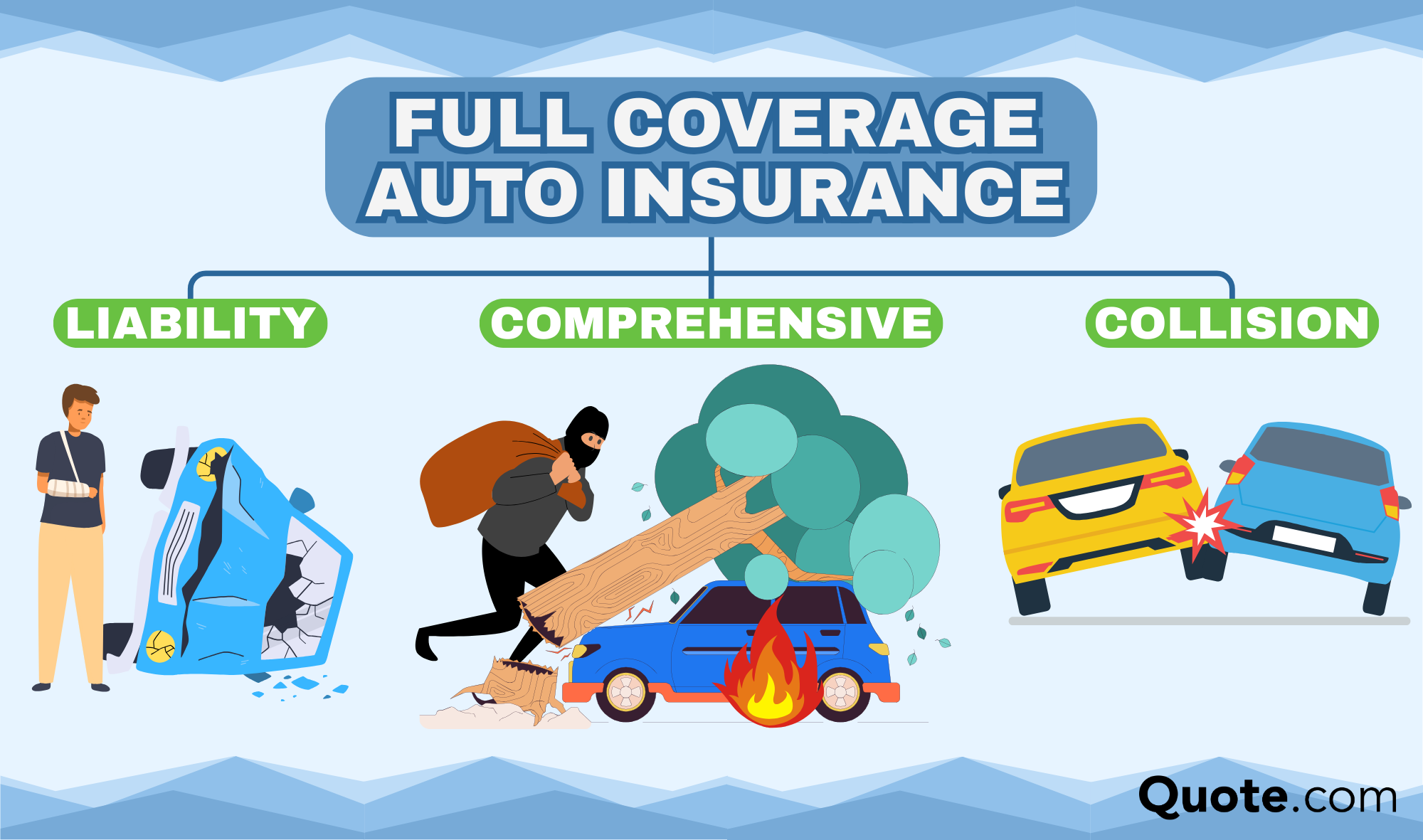
Auto liability insurance covers third-party bodily injuries and property damage you cause to others in an accident. It does not cover damage to your own vehicle. "Full coverage" is a broad industry term that typically refers to a policy combining liability insurance with collision coverage (which pays for damage to your car from an accident) and comprehensive coverage (which covers non-collision damage like theft, weather, vandalism, or animal strikes).
How does my specific zip code affect my liability insurance rates?
Insurers use zip code data to analyze regional risk factors, including local accident rates, traffic density, claim frequency, vehicle theft levels, and regional repair costs. If you live in an urban zip code with heavy traffic, your baseline probability of getting into a collision is statistically higher than in a rural zip code, resulting in higher liability premiums.
What happens if an accident I cause exceeds my liability limits?
If the total medical expenses or property damage resulting from an at-fault accident exceed your policy's liability limits, your insurance carrier will pay up to the maximum contracted limit and stop. The injured party or their insurer can sue you personally to recover the remaining balance. This can lead to court-ordered wage garnishment, liens on personal property, or the liquidation of personal savings.
Can I get affordable auto liability insurance with a poor driving record or SR-22 requirement?
Drivers with recent speeding tickets, at-fault accidents, or DUI convictions will face higher liability rates. To find affordable coverage, request quotes from non-standard insurance carriers that specialize in high-risk drivers. Completing a state-approved defensive driving course, opting for telematics programs, and driving a vehicle with safety features can help offset high-risk surcharges over time.
Is purchasing state minimum liability coverage recommended?
State minimum liability coverage provides the cheapest legal way to drive, but it is rarely recommended for drivers with personal assets to protect. Standard state minimum property damage limits (such as $10,000 or $25,000) can easily be exhausted in an accident involving a modern vehicle, leaving you personally exposed to the remaining financial liability.
Actionable Summary & Next Steps
Securing affordable auto liability insurance near you requires a balance between meeting legal requirements, finding local discounts, and protecting your personal finances from expensive third-party claims.
- Gather Information: Check your state insurance department's website to confirm mandatory minimum liability limits in your area.
- Evaluate Your Assets: Choose a coverage level (Minimum, 50/100/50, or 100/300/100) that protects your personal savings and property from potential legal claims.
- Request Multiple Local Quotes: Compare quotes from at least three different sources, including national insurers, regional carriers, and an independent local insurance agent.
- Apply Discounts: Ask agents directly about telematics options, paperless billing, pay-in-full discounts, and multi-policy bundling.
- Review Annually: Re-evaluate your coverage annually or whenever you move, purchase a vehicle, or experience a major credit improvement to ensure your rate remains competitive.