Aetna voluntary life insurance is an employee-paid supplemental benefit that allows workers to purchase additional life insurance coverage through their employer's group plan. Unlike basic life insurance, which is typically provided by the employer at no cost, voluntary life insurance premiums are paid by the employee via payroll deduction, often at competitive group rates.
What is Aetna Voluntary Life Insurance?
In the 2026 landscape of employee benefits, voluntary life insurance—often referred to as supplemental life insurance—serves as a flexible financial safety net. Aetna, a CVS Health company, provides these policies to help employees bridge the gap between the "basic" coverage provided by their employer and the actual financial needs of their beneficiaries.
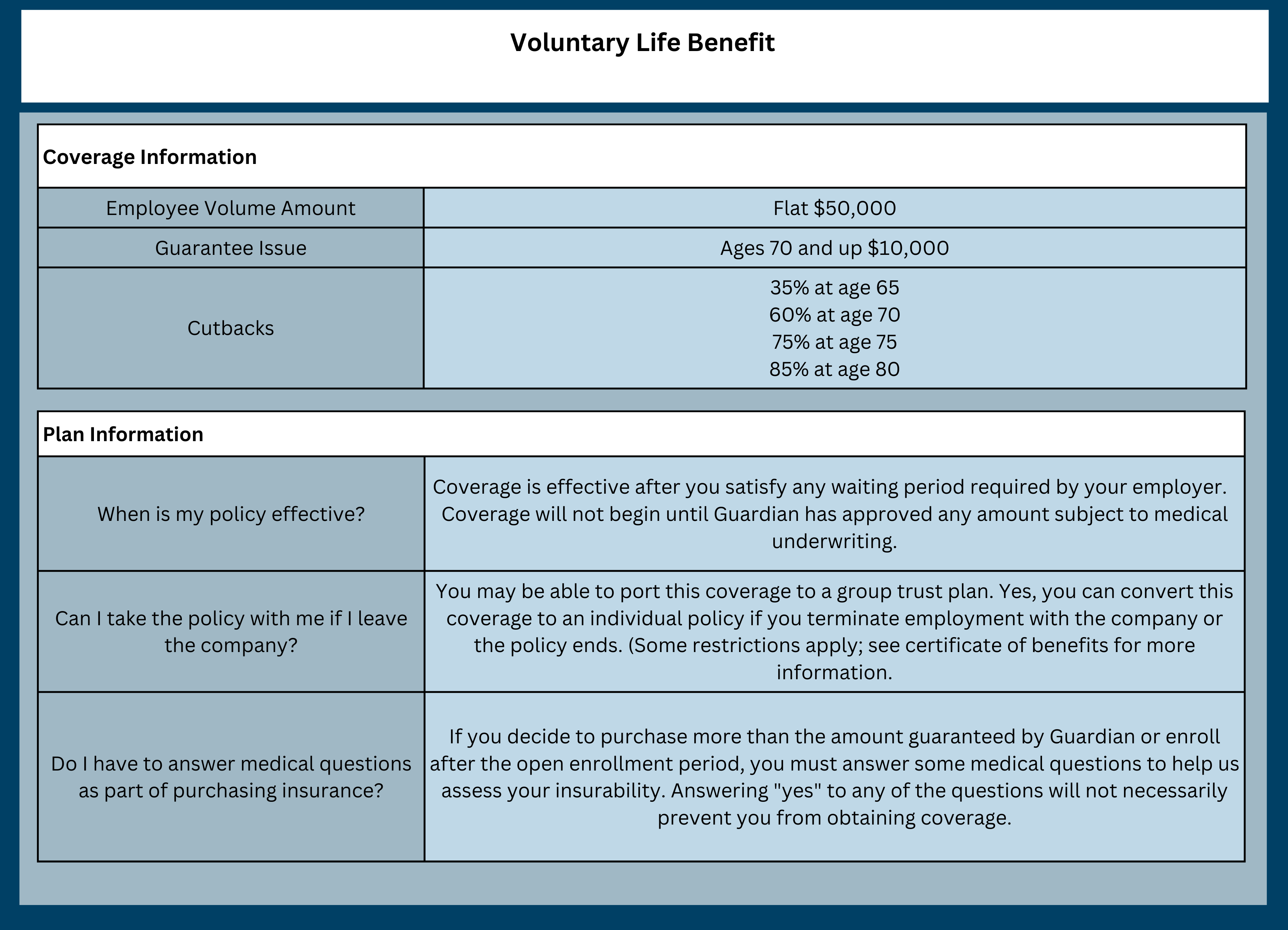
The term "voluntary" signifies that the employee chooses whether to participate, how much coverage to buy, and which dependents to include. Because Aetna negotiates these plans directly with employers, the policies often feature lower premiums than individual life insurance plans purchased on the open market. Furthermore, these plans frequently offer "guaranteed issue" amounts, meaning you can secure a certain level of coverage without undergoing a medical exam, provided you enroll during your initial eligibility period.
For most policyholders, Aetna voluntary life insurance is structured as group term life insurance. This means the coverage is active for a specific "term" (usually the duration of your employment) and does not build cash value. It is designed purely to provide a death benefit to your beneficiaries in the event of your passing.
How Aetna Voluntary Life Insurance Works
Understanding the mechanics of a voluntary plan is essential for effective financial planning. When an employer partners with Aetna, they establish a menu of coverage options. Employees then select from these options based on their personal requirements, such as outstanding debt, mortgage balances, or future educational costs for children.
The Role of Payroll Deductions
One of the primary conveniences of Aetna’s voluntary plans is the payment structure. Premiums are automatically deducted from your paycheck on a pre-tax or post-tax basis, depending on your employer's plan document and IRS regulations. This "set it and forget it" approach ensures that coverage does not lapse due to missed payments, provided you remain employed and your earnings cover the premium cost.
Coverage Increments
Aetna typically offers coverage in increments. For example, you might be able to purchase insurance in units of $10,000, or in multiples of your annual salary (e.g., 1x, 2x, or 5x your salary). There is usually a "cap" or maximum limit, such as $500,000 or 5 times your annual earnings, whichever is lower.
Beneficiary Designations
When you enroll in an Aetna voluntary life plan, you must designate beneficiaries. These are the individuals or entities that will receive the death benefit. Aetna allows for primary beneficiaries (first in line) and contingent beneficiaries (secondary, in case the primary is deceased). In 2026, managing these designations is typically done through an online benefits portal, allowing for real-time updates as life circumstances—like marriage, divorce, or the birth of a child—change.
Key Features and Riders
Aetna’s voluntary life products often include "riders" or additional features that enhance the value of the policy. These can be critical depending on your health status or lifestyle.
- Accidental Death and Dismemberment (AD&D): Many voluntary life plans are paired with AD&D. This pays an additional benefit if your death is the result of a covered accident. It also provides a partial benefit if you suffer the loss of a limb, sight, or hearing due to an accident.
- Waiver of Premium: If you become totally disabled and are unable to work for a specific period (usually six months), Aetna may waive your premium payments while keeping your coverage in force.
- Accelerated Death Benefit: This feature allows a terminally ill policyholder to receive a portion of the death benefit while they are still living. This is typically triggered when a physician certifies that the insured has a life expectancy of 12 months or less. The funds can be used for medical bills or end-of-life care.
Understanding Evidence of Insurability (EOI)
One of the most technical aspects of Aetna voluntary life insurance is the Evidence of Insurability (EOI) process. EOI is a medical questionnaire (and sometimes a physical exam) used to determine an applicant's insurability.
Guaranteed Issue (GI) Limits
Most Aetna plans feature a "Guaranteed Issue" amount. This is the maximum amount of insurance you can buy without answering health questions. For example, a plan might offer a GI limit of $150,000. If you want $100,000 in coverage, you are automatically approved. If you want $250,000, you must provide EOI for the remaining $100,000.
When is EOI Required?
In 2026, Aetna typically requires EOI under the following conditions:
- Exceeding GI Limits: As mentioned, any amount over the pre-approved limit requires medical vetting.
- Late Enrollment: If you decline coverage when you are first hired but decide to sign up during a subsequent Open Enrollment period, Aetna will likely require EOI for the entire amount.
- Significant Increases: If you already have coverage and want to increase it by more than one "level" or increment during Open Enrollment, EOI may be triggered.
The EOI process is managed through Aetna’s secure health portals. For many, it involves a simple digital questionnaire about height, weight, smoking status, and medical history. However, if the digital screening flags certain risks, Aetna may request medical records or a paramedical exam.
Portability and Conversion Rights
A common concern with employer-sponsored life insurance is what happens when you leave your job. Aetna provides two primary mechanisms to maintain coverage: Portability and Conversion.
Portability
Portability allows you to "port" or take your group term life insurance with you if you leave your employer due to resignation or retirement. You continue to pay premiums directly to Aetna at the group rate (though sometimes with an administrative fee). This is usually the more affordable option for those in good health.
Conversion
Conversion allows you to turn your group term policy into an individual whole life policy. This does not require EOI, which makes it an invaluable option for employees with chronic illnesses who might be uninsurable elsewhere. However, conversion premiums are significantly higher than group term rates because whole life insurance builds cash value and covers you for the remainder of your life, regardless of employment.
Cost Considerations and Premium Structure
The cost of Aetna voluntary life insurance is based on "age bands." As you move into a higher age bracket (typically every five years, such as ages 35-39, 40-44), your premiums will increase.
| Age Bracket | Typical Monthly Rate (per $1,000 of coverage) | Estimated Monthly Cost for $100,000 Policy |
|---|---|---|
| 25 - 29 | $0.05 - $0.08 | $5.00 - $8.00 |
| 35 - 39 | $0.09 - $0.12 | $9.00 - $12.00 |
| 45 - 49 | $0.20 - $0.28 | $20.00 - $28.00 |
| 55 - 59 | $0.50 - $0.65 | $50.00 - $65.00 |
| 65 - 69 | $1.10 - $1.50 | $110.00 - $150.00 |
Note: These figures are illustrative based on 2026 market averages for group voluntary plans; actual rates are determined by the specific contract between Aetna and your employer.
Beyond age, smoking status is the most significant factor affecting your premium. Tobacco users can expect to pay significantly more than non-smokers for the same level of Aetna coverage.
Enrollment and Eligibility
To be eligible for Aetna voluntary life insurance, you typically must be a regular, full-time employee. Some employers extend this to part-time workers who meet a specific hourly threshold (often 20 or 30 hours per week).
Initial Eligibility
The best time to enroll is when you are first hired. This "Initial Eligibility Period" (usually the first 30 days of employment) is when Guaranteed Issue limits apply. If you miss this window, you may have to wait until the annual Open Enrollment period and will likely face EOI requirements.
Qualifying Life Events (QLE)
Certain life events allow you to change your coverage outside of the standard Open Enrollment window. These include:
- Marriage or legal domestic partnership.
- Birth or adoption of a child.
- Death of a spouse or dependent.
- Change in employment status for you or your spouse.
When a QLE occurs, you usually have 31 days to notify your HR department and update your Aetna coverage.
Limitations and Exclusions
While Aetna voluntary life insurance is a robust product, it is not without limitations. It is vital to read your Summary Plan Description (SPD) to understand what is not covered.
- Suicide Exclusion: Most policies will not pay a death benefit if the insured commits suicide within the first two years of the policy effective date.
- War and Riots: Some policies exclude deaths resulting from active participation in a riot, insurrection, or acts of war.
- Illegal Acts: If a death occurs while the insured is committing a felony, the claim may be denied.
- Aviation: Some group policies exclude deaths resulting from non-commercial aviation (e.g., private piloting) unless a specific rider is purchased.
Comparison: Voluntary vs. Individual Life Insurance
Many employees wonder if they should rely solely on Aetna’s voluntary plan or seek an individual policy.
- Convenience: Aetna wins on convenience due to payroll deductions and simplified enrollment.
- Underwriting: Aetna is generally easier to get if you have minor health issues, thanks to Guaranteed Issue.
- Portability: Individual policies are "permanent" as long as you pay the bill. While Aetna is portable, the process of switching from group to individual billing can be cumbersome.
- Cost: For young, healthy individuals, a 20-year individual term policy might lock in a lower rate for a longer period than Aetna’s age-banded group rates, which increase every five years.
How to File a Claim with Aetna
In 2026, Aetna has streamlined the claims process through the Aetna Life Insurance Claims Portal. For beneficiaries, the process generally follows these steps:
- Notification: Contact the employer's HR department or Aetna directly to report the death.
- Documentation: Obtain a certified copy of the death certificate.
- Claim Form: Complete the Life Insurance Claim Form (GC-2110-1 or similar).
- Submission: Submit the form and death certificate through the online portal, mail, or fax.
- Review: Aetna typically reviews straightforward claims within 5 to 10 business days.
- Payment: Beneficiaries can often choose between a lump-sum check, an electronic funds transfer (EFT), or an Aetna Beneficiary Checkbook account.
Common Pitfalls to Avoid
When navigating Aetna voluntary life insurance, employees often make a few avoidable mistakes:
- Underestimating Needs: Relying only on the "1x salary" basic coverage is rarely enough for a family with a mortgage and children.
- Ignoring EOI Tasks: Many employees sign up for high coverage amounts but forget to complete the EOI questionnaire sent via email. If the EOI is not completed, the coverage defaults back to the Guaranteed Issue amount.
- Forgetting Beneficiary Updates: Leaving an ex-spouse as a beneficiary is a frequent and costly mistake. Aetna is legally obligated to pay the person named on the form, regardless of current relationship status.
FAQs
Can I buy Aetna voluntary life insurance for my spouse and children?
Yes. Most Aetna voluntary plans allow you to purchase "Dependent Life Insurance." However, you usually must be enrolled in voluntary coverage yourself to elect it for your family. Spouse coverage often requires EOI if it exceeds a small amount (e.g., $25,000), while child coverage is typically guaranteed issue.
Is the death benefit from Aetna life insurance taxable?
Generally, no. Under current IRS rules in 2026, life insurance death benefits paid to beneficiaries are not considered taxable income. However, if the benefit is held by Aetna and earns interest before being paid out, that interest portion may be taxable.
What is the difference between "Basic" and "Voluntary" life insurance?
Basic life insurance is 100% employer-funded and usually offers a modest benefit (like $50,000 or 1x salary). Voluntary life insurance is 100% employee-funded and allows you to buy much higher limits of protection based on your specific needs.
Does Aetna voluntary life insurance cover accidental death?
Aetna voluntary life insurance covers death from almost any cause (illness or accident). However, if you also have the Accidental Death and Dismemberment (AD&D) rider, your beneficiaries would receive a "double indemnity" (the life benefit plus the AD&D benefit) if the death was accidental.
How do I cancel my Aetna voluntary life insurance?
You can typically cancel or decrease your coverage during your employer's annual Open Enrollment period. If you experience a Qualifying Life Event, you may be able to make changes mid-year. Cancellations stop the payroll deductions, and coverage ends on the last day of the month for which premiums were paid.
Final Recommendation
Aetna voluntary life insurance is an excellent, cost-effective tool for most employees to secure their family's financial future. Because of the Guaranteed Issue feature, it is especially valuable for those who might struggle to pass a medical exam for an individual policy.
To maximize this benefit, you should calculate your total debt and future financial obligations, compare the Aetna age-banded rates against individual term quotes, and ensure you complete any required Evidence of Insurability forms immediately after enrollment. Always review your beneficiary designations annually to ensure your benefits are directed exactly where you intend.