Weekends with Adele at The Colosseum at Caesars Palace was a transformative residency that redefined live entertainment in Las Vegas. This intimate production combined world-class vocal performance with high-tech stagecraft, offering a curated journey through Adele’s discography. It remains a benchmark for sound engineering, visual storytelling, and high-demand ticketing strategy in the music industry.
The Architectural Choice: Why The Colosseum at Caesars Palace?
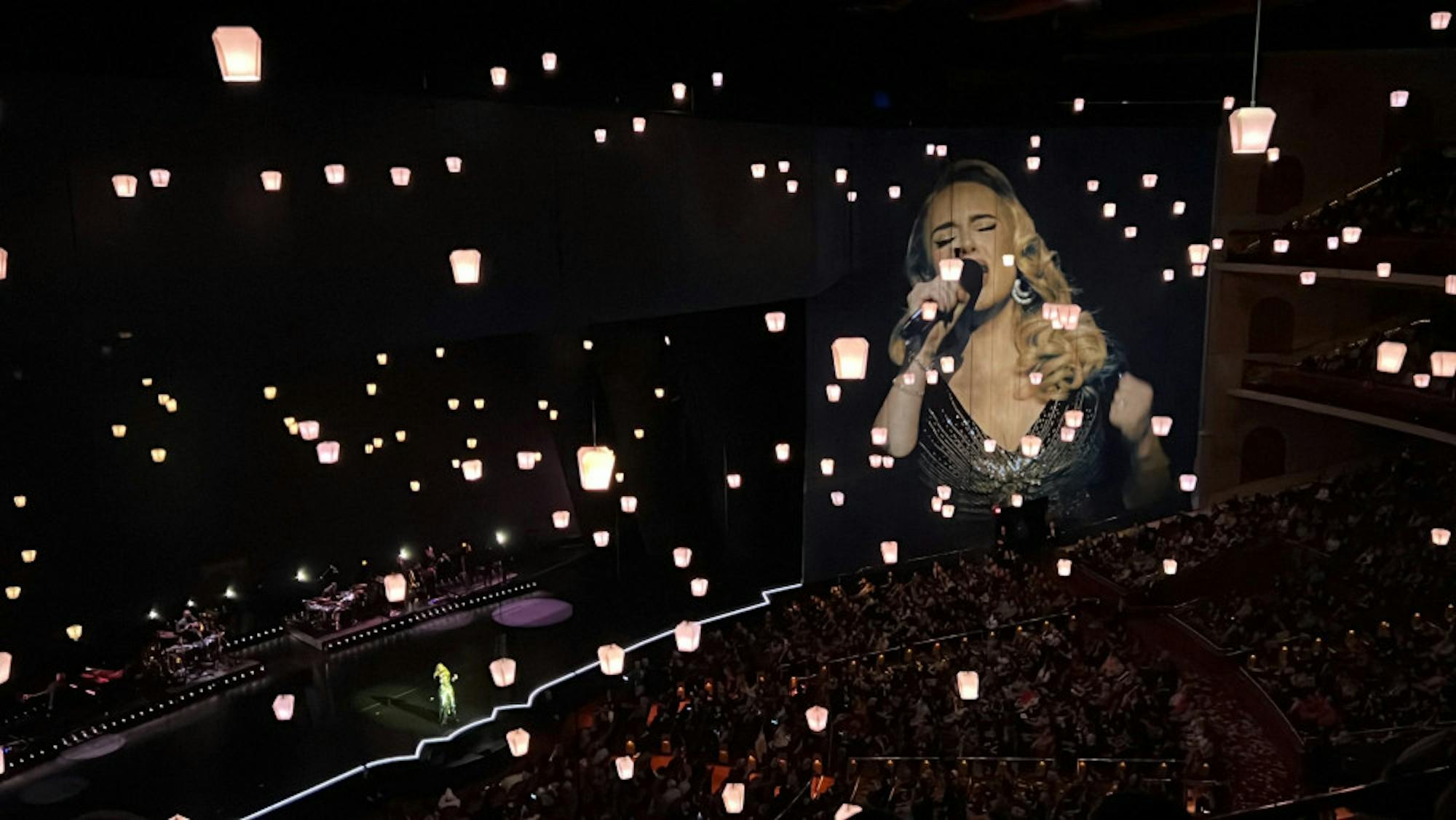
When analyzing the residency, the choice of venue is the most critical technical factor. The Colosseum at Caesars Palace was specifically engineered for the "boutique residency" model. Unlike stadiums where the artist is a distant figure, The Colosseum offers a maximum capacity of approximately 4,100 people. For an artist of Adele’s global stature, this choice was a deliberate move toward intimacy over mass-market volume.
The acoustics of the venue are world-renowned. Originally built to house Celine Dion’s residency, the theater features a state-of-the-art Meyer Sound system that ensures vocal clarity even at whisper levels. In the context of "Weekends with Adele," this allowed for a "living room" atmosphere where Adele’s banter between songs felt personal rather than rehearsed. The proximity of the furthest seat is only 145 feet from the stage, ensuring that the visual connection between the artist and the audience was never severed by distance—a rare feat for a performer who regularly headlines stadiums.
From a structural perspective, the stage at The Colosseum is one of the largest in the world for a theater of its size. This provided the necessary depth for the residency's complex technical requirements, including the hidden hydraulics for the "Set Fire to the Rain" sequence and the massive LED panels that framed the production.
Technical Production and Visual Storytelling
The visual design of "Weekends with Adele" was a masterclass in modular stagecraft. The show did not rely on standard concert lighting; instead, it utilized cinematic lighting techniques that emphasized shadows and warm highlights, mirroring the emotional depth of Adele’s lyrics.
The "Rain" and "Fire" Sequences
The most technically demanding segment of the show involved the performance of "Set Fire to the Rain." This required a sophisticated hydraulic system capable of managing a circular "curtain of rain" that surrounded a grand piano. Simultaneously, the stage was rigged with controlled gas lines to produce real flames on the surface of the water. The integration of fire and water on a theater stage requires rigorous safety certifications and specialized ventilation systems to ensure the smoke does not affect the singer’s vocal cords or the audience’s comfort.
The LED Integration
The backdrop of the show featured a massive, ultra-high-definition LED screen that often acted as a moving picture frame. During certain segments, the screen displayed "living portraits" or archival footage, while at other times, it opened up to reveal the full orchestra. The transition between the intimate "unplugged" feel of the first half and the cinematic "wall of sound" in the second half was facilitated by these silent, motorized screen panels.
The Setlist Narrative: A Journey Through Eras
Adele’s residency was structured not just as a collection of hits, but as a narrative arc. As of 2026, musicologists look back at the setlist as a perfect balance of the "four pillars" of her career: 19, 21, 25, and 30.
- The Greeting: The show typically opened with "Hello," performed behind a translucent screen, establishing a theme of reconnection.
- The Emotional Core: Mid-show segments featured "Someone Like You" and "When We Were Young," where the audience was encouraged to sing along, transforming the theater into a massive, communal choir.
- The Technical Apex: "Rolling in the Deep" and "Skyfall" utilized the full power of the venue’s subwoofers and the depth of the live orchestra.
- The Finale: The show often concluded with "Love is a Game," accompanied by a massive confetti drop that consisted of handwritten notes from Adele herself, adding a final layer of personal touch to the high-scale production.
The setlist remained remarkably consistent throughout the run, a testament to the rigorous rehearsal process required to synchronize the live band with the complex lighting and mechanical cues.
Ticketing Logistics and Market Impact
Understanding the "Adele Vegas show overview" requires an analysis of the economic model that supported it. This residency was one of the most expensive and exclusive tickets in history, setting new standards for the "Verified Fan" system.
The Verified Fan Process
To combat automated scalping bots, Ticketmaster and Adele’s management implemented a strict registration process. Fans had to be "verified" weeks before tickets went on sale. This did not guarantee a ticket but rather an invitation to join the queue. In 2026, this remains a case study for how high-demand artists manage supply and demand.
Seating Tiers and Historical Pricing
Pricing for the residency varied wildly based on the secondary market, though original face-value tickets were segmented into four primary categories.
| Section | View Quality | Technical Features | Historical Face Value (Starting) |
|---|---|---|---|
| Front Orchestra (102-104) | Exceptional | Face-to-face proximity; best for "banter" interaction. | $600+ |
| Rear Orchestra (202-204) | Very Good | Ideal eye-level view of the full stage production. | $400 - $500 |
| Mezzanine (301-307) | Good | Best perspective for the "floor" visual effects. | $250 - $400 |
| Balcony (401-407) | Balanced | Optimal for acoustic clarity and full-room light shows. | $100 - $200 |
Note: In the resale market during the peak of the residency, these prices often reached $3,000 to $15,000 per seat.
The Fan Experience: The "Adele Boutique" and Caesars Palace
The residency was not confined to the two hours of the show. Caesars Palace was transformed into a hub for "Adele culture." A dedicated boutique was established near the theater entrance, selling exclusive merchandise that could not be purchased online. This included high-end lifestyle items like specialized glassware, themed apparel, and limited-edition vinyl.
The hotel itself offered "Weekends with Adele" packages, highlighting how a single artist residency can drive the economy of a major resort. For attendees, the experience began the moment they entered the property, with digital signage and ambient music creating a cohesive "Adele world."
Operational Challenges and Historical Context
It is impossible to provide an overview without mentioning the initial delay. Originally slated to begin in January 2022, the show was postponed just 24 hours before the first performance due to delivery delays and COVID-19 related production issues. Adele’s decision to halt the show until it met her artistic standards was a massive financial risk for Caesars Entertainment, but it ultimately paid off. When the show finally debuted in November 2022, the level of polish and technical perfection was cited as a justification for the wait.
The production required a crew of hundreds, including specialized stagehands, audio engineers, and a rotating group of musicians. The logistical precision required to maintain a show of this caliber for dozens of weekends was unprecedented for a solo female artist in Las Vegas.
Legacy and the "Vegas Residency" Evolution
By 2026, the impact of "Weekends with Adele" is clear. It moved the Las Vegas residency away from the "greatest hits" or "career sunset" tropes. Instead, Adele proved that an artist at the absolute peak of their global power could find more value in a stationary, high-quality production than in a grueling world tour.
This model prioritized the artist's mental health and vocal longevity while offering fans a "destination" experience. It paved the way for other major stars to consider The Colosseum or the Sphere as viable alternatives to traditional touring. The residency didn't just showcase Adele's voice; it showcased Las Vegas as the premier global destination for high-fidelity audio-visual experiences.
Frequently Asked Questions
What was the dress code for the Adele Vegas show?
There was no official dress code mandated by Caesars Palace; however, most attendees opted for "cocktail attire" or "smart casual." Given the elegance of the production and the high ticket price, many fans viewed the evening as a formal event. It was common to see evening gowns and suits, though denim was technically permitted.
How long did the "Weekends with Adele" show last?
The performance typically lasted approximately two hours. Unlike many Las Vegas shows that are strictly capped at 90 minutes to facilitate casino traffic, Adele’s show was allowed a more organic flow. This extra time was often filled with her trademark storytelling, interactions with the front-row audience, and occasionally, longer instrumental bridges by the orchestra.
Was there an opening act for the residency?
No, there was no opening act for Weekends with Adele. The production was designed as a "straight through" experience. Doors typically opened 60 to 90 minutes before the scheduled start time, allowing fans to visit the bars and the boutique, but once the show began, it was exclusively focused on Adele’s performance.
Can you still see the show in 2026?
As of 2026, the original "Weekends with Adele" residency has concluded its scheduled run at The Colosseum. While there are often rumors of "one-off" return engagements or a filming of the production for streaming services, the era of the weekly residency has passed. Fans looking for a similar experience now look to the new rotation of resident artists at Caesars Palace who have adopted the "Adele model" of intimacy and high production value.
What happened if a show was canceled?
Throughout the residency, cancellations were rare after the initial 2022 delay. When health issues (such as vocal strain) did cause a postponement, ticket holders were typically offered the choice between a full refund or a seat at a rescheduled date. Because the show was so high-demand, most fans opted for the rescheduled date, often resulting in a complex "re-ticketing" logistics process managed by Caesars Palace.
Final Recommendation for Live Entertainment Planning
For those researching the history of "Weekends with Adele" or planning to attend similar high-tier residencies in 2026, the key takeaway is the importance of venue-specific acoustics. When choosing a seat for any show at The Colosseum, prioritize the 200 and 300 levels for the best balance of sound and visual perspective. Always use official venue channels for ticket verification to avoid the prevalent issues with counterfeit secondary market sales that defined much of the early 2020s.