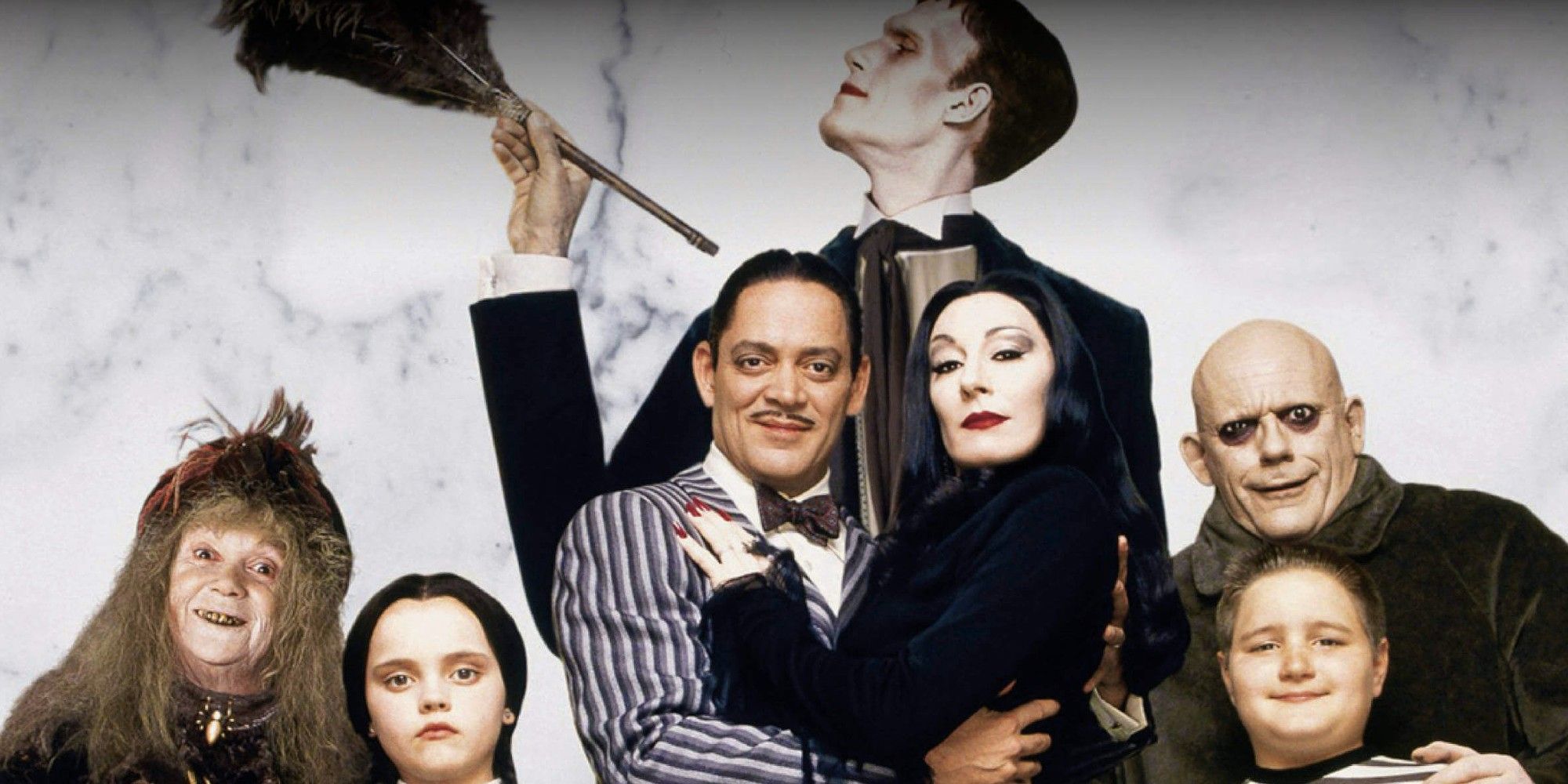
The Addams Family comprises a core group of iconic, macabre figures created by cartoonist Charles Addams in 1938. This ensemble, defined by their gothic sensibilities and ghoulish humor, includes Gomez, Morticia, Wednesday, Pugsley, Uncle Fester, Grandmama, Lurch, and Cousin Itt, all of whom have transitioned through various media iterations while retaining their distinct, eerie personalities.
The Origin and Evolution of the Addams Clan
The Addams Family did not begin as a narrative franchise but as a series of single-panel gag cartoons published in The New Yorker. Charles Addams introduced these characters as a satirical inversion of the ideal American family. Unlike their neighbors, the Addamses found beauty in darkness, torture, and decay. Throughout the late 1930s and into the mid-20th century, these figures lacked formal names or established relationships; they were simply recurring caricatures who lived in a decaying Victorian mansion.
It was not until the development of the 1964 television series that the family dynamic was fully codified. Producers assigned names and specific roles to the characters to facilitate episodic storytelling. This transition marked a shift from atmospheric cartooning to character-driven situational comedy, establishing the tropes that would define the franchise for decades, including the 1991 feature film, the 2022 Wednesday series, and numerous animated adaptations.
Defining the Core Addams Family Characters
To understand the Addams Family, one must analyze the specific archetypes each member represents. While their designs have fluctuated between the original illustrations and later media, the core personality traits remain consistent across the 2026 landscape of pop culture.
Gomez Addams
The patriarch of the family, Gomez is characterized by his boundless, often reckless enthusiasm, his intense devotion to Morticia, and his eccentric business dealings. Often depicted with a pencil-thin mustache and a penchant for fencing, Gomez represents a subversion of the typical stern, emotionally distant father figure of mid-century sitcoms.
Morticia Addams
As the matriarch, Morticia serves as the calm, elegant anchor of the family. She is traditionally associated with black, form-fitting gowns, long dark hair, and a hauntingly serene demeanor. Morticia is the primary catalyst for the family's dark aesthetic, frequently seen tending to her greenhouse of carnivorous plants.
The Children: Wednesday and Pugsley
Wednesday and Pugsley function as the dark reflections of childhood. Wednesday is defined by her stoicism, sociopathy, and intense intelligence, often acting as a foil to those outside the family. Pugsley is typically portrayed as her partner in crime, prone to explosive inventions and physical resilience, though he is often depicted as more overtly mischievous compared to his sister’s calculating nature.
Extended Kin: Fester, Grandmama, and Cousin Itt
- Uncle Fester: Depending on the iteration, he is either Gomez’s brother or Morticia’s uncle. His defining features include a pale, hairless head, a penchant for electricity, and a perpetually manic, joyful disposition toward pain.
- Grandmama: An elder witch figure, she provides the supernatural elements of the household, often seen brewing potions or practicing dark arts.
- Cousin Itt: A purely surreal character, Itt is composed entirely of long, flowing hair and speaks in a rapid, unintelligible high-pitched squeak that only family members can understand.
The Household Staff: Lurch and Thing
Lurch, the towering butler, embodies the archetype of the "Frankenstein’s monster" figure, providing physical labor and deep-voiced, deadpan comedy. Thing, originally conceived as a disembodied hand, represents the family’s comfort with the grotesque, serving as a functional, albeit unsettling, pet and assistant.
Comparative Analysis of Character Iterations
The portrayal of these characters has shifted significantly depending on the medium. The following table highlights the stylistic evolution of these characters across major adaptations.
| Character | 1964 TV Series (Classic) | 1991 Film (Macabre) | 2022 Netflix Series (Modern) |
|---|---|---|---|
| Gomez | Suave, comedic | Passionate, eccentric | Stoic, mysterious |
| Morticia | Elegant, maternal | Alluring, enigmatic | Calculating, academic |
| Wednesday | Deadpan, child-like | Morbid, sociopathic | Independent, dark-detective |
| Fester | Gomez's brother | Long-lost brother | Powerful, tragic |
| Lurch | Servile, slow | Loyal, expressive | Silent, protective |
Understanding the Archetypal Appeal
The enduring popularity of the Addams Family stems from their role as outsiders who embrace their "otherness." In a 2026 cultural context, the family is frequently analyzed as a critique of conformism. They do not view their habits—such as keeping a guillotine in the basement or raising man-eating plants—as deviant; they view them as a natural, healthy lifestyle.
This creates a unique psychological comfort for the audience. The Addamses never seek external validation from "normal" society. Instead, they operate within their own value system, where love, loyalty, and individuality are prioritized over social status. When they interact with the mundane world, it is the mundane world that appears absurd, not the Addams family. This inversion is the cornerstone of their sustained relevance in modern media.
Prerequisites for Creative Interpretation
For writers, artists, or creators looking to engage with the Addams Family or develop fan-driven content, it is vital to respect the "foundational DNA" of these characters. Deviating too far from their core characteristics can strip the characters of their identity.
- Gothic Optimism: The Addamses are never "evil" in a malice-driven sense. They are genuinely happy, loving, and supportive of one another. The humor must always be derived from their abnormal perspective on what constitutes happiness.
- The Mansion Context: The house is an extension of the family. It is sentient, shifting, and decaying. When writing or illustrating these characters, the environment should reflect their internal state.
- Intellectual Stoicism: Even the most chaotic characters should possess a level of wit. The dialogue should favor wordplay and dry, ironic observations over slapstick absurdity alone.
Legal and Ownership Considerations
As of 2026, the Addams Family intellectual property (IP) remains highly protected. While the original cartoons by Charles Addams have seen varying levels of copyright status based on their initial publication dates (pre-1978 works), the characters themselves, as they were codified in the 1964 television series and subsequent films, are subject to robust trademark and copyright protections managed by the Tee and Charles Addams Foundation and affiliated studios.
Individuals looking to produce derivative works or original characters set within the Addams "universe" should be aware that unauthorized commercial use of these character likenesses, names, and specific traits constitutes trademark infringement. Non-commercial, fan-driven creative projects, such as fan fiction or transformative art, generally fall under fair use interpretations, but legal counsel should always be consulted for any project intended for public distribution or sale.
Frequently Asked Questions
Are there officially sanctioned "new" Addams Family members? No. While various adaptations have introduced tertiary characters—such as the 1990s animated series introducing additional relatives—the core family remains static. Official canon focuses strictly on the members established by Charles Addams and the original TV production team.
Why does the relationship between Fester and Gomez change across versions? The change is a result of creative liberty taken by different production studios. In the 1964 series, Fester was Morticia’s uncle. In the 1991 film and later adaptations, he was reimagined as Gomez’s older brother to heighten the family drama. Both are considered valid interpretations within their respective "multiverses."
What is the defining trait of an "Addams" character? The defining trait is the refusal to compromise. An Addams character is defined by their unshakeable confidence in their own macabre interests, combined with a fierce, almost claustrophobic loyalty to their immediate family members.
How does Thing exist as a character? Thing is a conceptual realization of the "haunted house" trope. In early iterations, the character was simply a disembodied hand that appeared from boxes or behind curtains. Later films and the 2022 series added a backstory involving a mystical connection, but the character remains fundamentally an appendage of the house’s dark magic.
Can I create my own characters to live with the Addams family? If you are developing a narrative project, you are free to create original characters (OCs) to interact with the Addamses, provided you do not infringe on the existing trademarks. Many writers use original characters to act as "normal" foils who find themselves caught in the family's eccentric lifestyle, which serves as a standard narrative device in fan-fiction communities.
Conclusion and Recommendations
The Addams Family original characters endure because they provide a mirror to the human condition, stripped of social pretense and polite manners. Whether you are studying them for academic, creative, or entertainment purposes, the key is to focus on the interplay between their macabre preferences and their genuinely warm family dynamic.
For those looking to expand their knowledge, start by reviewing the original 1964 series episodes, as they provide the most comprehensive foundation for how the characters interact in a domestic setting. Always ensure that any creative work involving these entities remains transformative and respects the established creative property rights held by the estate.