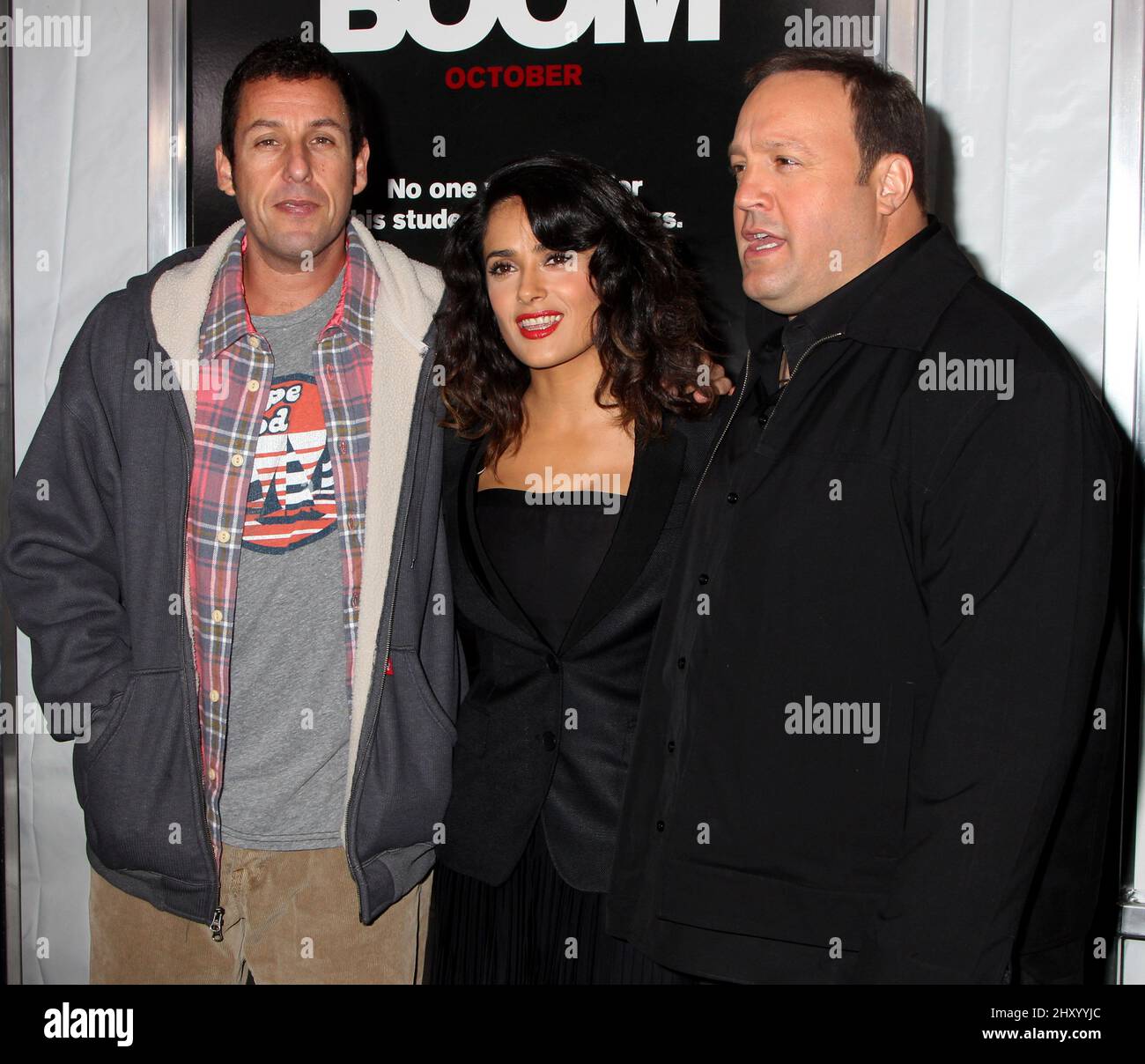
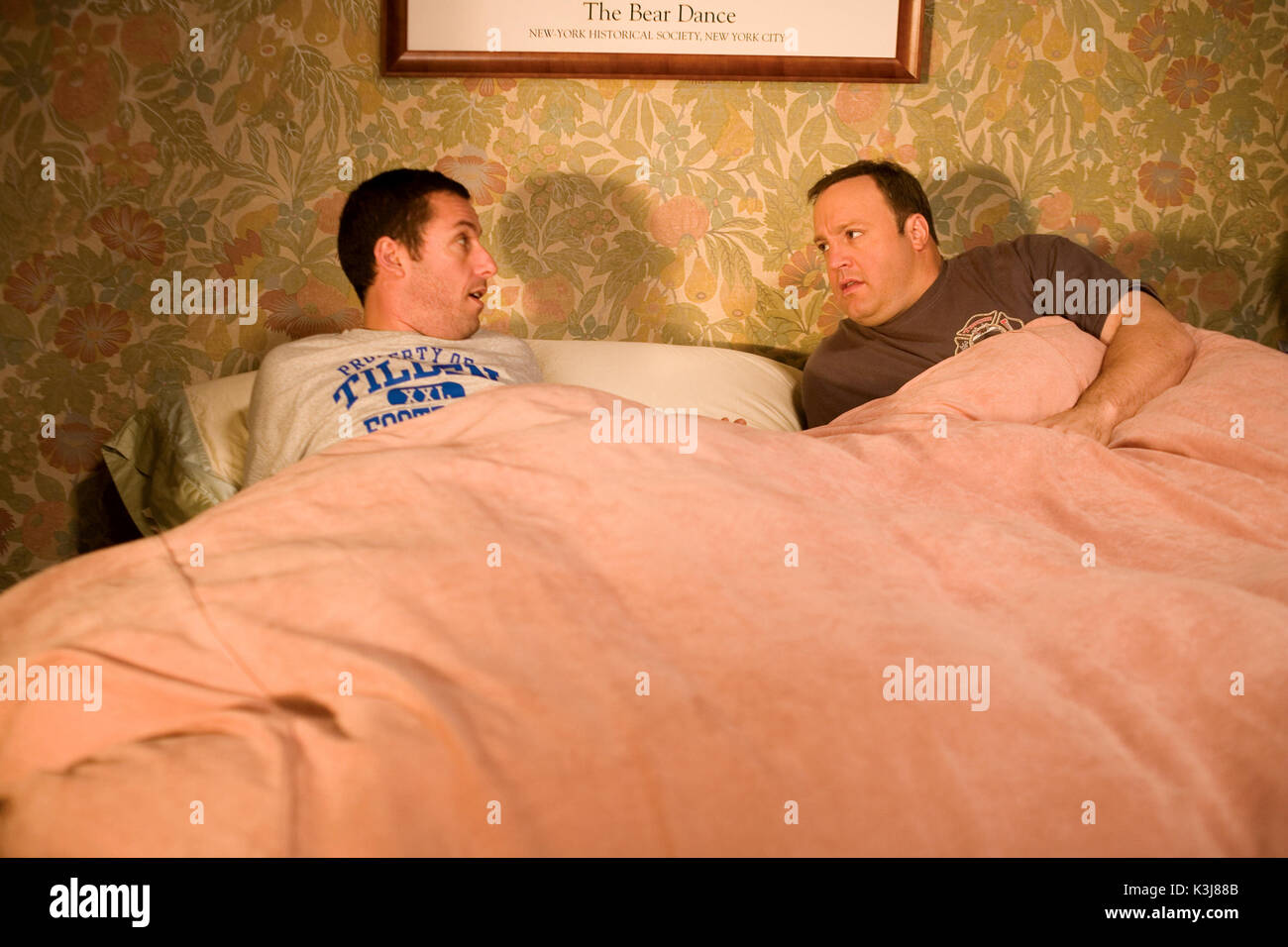
Adam Sandler and Kevin James represent one of the most commercially successful and enduring collaborative partnerships in contemporary American comedy. Their synergy, built on a shared commitment to slapstick, heart-centered storytelling, and high-concept physical humor, has defined a specific genre of film for over two decades. By bridging the gap between stand-up roots and mainstream blockbuster cinema, they have cultivated a reliable, audience-favorite brand that balances absurdity with the comfort of familiar ensemble casts.
The Foundations of the Collaborative Partnership
The creative alliance between Adam Sandler and Kevin James did not happen in a vacuum. Both performers emerged from the robust comedy club circuits of the 1980s and 1990s, where they honed their ability to play "everyman" characters who often find themselves in extraordinary or chaotic circumstances. When they first began working together under the Happy Madison Productions banner, it was a logical convergence of two sensibilities that prioritized relatability, physical comedy, and an irreverent yet ultimately optimistic worldview.
Sandler, whose career exploded via Saturday Night Live and mid-90s hits like Billy Madison and Happy Gilmore, established the blueprint for the "lovable man-child" archetype. Kevin James, who rose to massive prominence through his starring role in the long-running sitcom The King of Queens, mastered the art of the relatable, blue-collar protagonist struggling against the mild indignities of modern life. When these two forces combined on screen—most notably in I Now Pronounce You Chuck & Larry—the result was a dynamic that utilized Sandler as the manic instigator and James as the grounding, often bewildered, partner.
This dynamic has persisted because it provides a reliable formula for the audience: Sandler brings the high-energy, unconventional plot points, while James provides the comedic stakes through his reactions, physical agility, and timing. Their partnership is not merely a friendship; it is a professional infrastructure that has utilized the Happy Madison production model to churn out hits that favor audience reception over critical acclaim, often defying negative reviews by maintaining massive viewership numbers.
Defining the "Happy Madison" Aesthetic
To understand the comedic power couple, one must look at the ecosystem they inhabit: Happy Madison Productions. Founded by Sandler, the production company serves as a creative hub that emphasizes loyalty, recurring talent, and a specific brand of humor that blends juvenile wit with surprisingly earnest thematic explorations of friendship and family.
Kevin James became a cornerstone of this ecosystem, appearing in films like Grown Ups, Grown Ups 2, Pixels, and Hubie Halloween. In these films, the collaboration functions as a shorthand for the audience. When viewers see Sandler and James share a scene, they know exactly what to expect: a high-energy environment filled with improvised banter, physical gags, and a group-dynamic narrative that emphasizes the importance of community—a central tenet in almost every Happy Madison project.
This brand of comedy relies heavily on the "ensemble effect." Because both actors are deeply comfortable with each other, their on-screen chemistry feels lived-in and authentic. This chemistry allows them to perform complex physical comedy routines without the friction that often plagues less experienced duos. For the production, this translates to efficiency; they can execute a comedic sequence with fewer takes, relying on their internal rhythm to land the punchline.
Notable Collaborative Projects
The filmography of the Sandler-James duo is extensive, spanning various stages of their careers. Their collaborations are characterized by a distinct shift from situational comedies to larger ensemble pieces where their interaction serves as the "anchor" of the broader plot.
Key Collaborative Highlights
- I Now Pronounce You Chuck & Larry (2007): Perhaps their most prominent collaboration, this film allowed both men to carry the narrative burden equally. It played on the "buddy cop" dynamic, transposed into a domestic comedy setting, highlighting their ability to carry a film as a co-lead pair.
- Grown Ups (2010) and Grown Ups 2 (2013): While these were massive ensemble projects, the subplot involving the families of the characters played by Sandler and James provided the heart of the films. Their performance here served as a template for the "aging friends" trope that has dominated their later collaborations.
- Pixels (2015): This project demonstrated their willingness to lean into high-concept, CGI-heavy comedy. James’s portrayal of a beleaguered president paired with Sandler’s tech-savviness showcased their ability to adapt their classic "everyman" personas to genre-bending narratives.
- Hubie Halloween (2020): A quintessential Happy Madison film that highlights their secondary, yet essential, contribution to one another’s projects. James’s appearance serves as a nostalgic touchpoint for fans of the duo, reinforcing the internal consistency of their shared comedic universe.
Comparative Analysis of Performance Styles
| Feature | Adam Sandler's Style | Kevin James's Style |
|---|---|---|
| Physicality | High-energy, manic, aggressive | Graceful, deliberate, reactionary |
| Dialogue | Fast-paced, improvisational, loud | Deadpan, syncopated, timing-focused |
| Archetype | The instigator/man-child | The anchor/frustrated commoner |
| Audience Role | The emotional core of the film | The comedic counterweight |
The Mechanics of Their On-Screen Chemistry
Why does the partnership work? Beyond the professional association with Happy Madison, the core of their chemistry lies in the contrast of their physical profiles and comedic delivery.
In comedy, contrast is king. Adam Sandler often occupies a space of high-strung intensity; he represents the chaos of the scenario. Kevin James, conversely, is a master of the "slow burn." He allows the audience to catch up to the absurdity of the scene through his facial expressions and deliberate pacing. When Sandler accelerates the tempo of a scene, James serves as the speed bump, creating a rhythm that keeps the audience engaged without becoming overwhelmed by the noise.
Furthermore, both actors share a background in stand-up comedy, which necessitates a keen understanding of "the turn"—the exact moment a joke shifts from the expected to the unexpected. Because they both mastered this craft on stage, they possess an intuitive sense of when to step back and let the other performer shine. This lack of ego on screen is rare in high-profile comedy duos and is arguably the primary reason their collaborative efforts appear effortless to the average viewer.
Audience Reception and Cultural Impact
The cultural impact of the Sandler-James partnership is frequently underestimated by critics but highly valued by viewers. Their films consistently rank as some of the most-streamed content on platforms like Netflix, particularly in the mid-2020s, as audiences return to the "comfort food" of their familiar comedic tropes.
There is a distinct "nostalgia factor" associated with their work. For audiences who grew up watching The King of Queens and the mid-era Sandler films, the presence of both men in a feature film provides a sense of continuity. It is not just a comedy; it is a cultural artifact that reminds the audience of a specific era of American entertainment. This loyalty is rewarded by the production team, who consistently cast them together, effectively creating a "shared universe" that feels safe and predictable in an increasingly fragmented entertainment landscape.
Critics have often panned the repetitive nature of these films, but this critique ignores the functional intent of the genre. These movies are not designed to be prestige dramas or cinematic experiments; they are designed to be functional, accessible, and repeatable entertainment. By ignoring critical consensus and focusing on audience fulfillment, Sandler and James have built a resilient career model that has outlasted many of their contemporaries.
FAQ: Understanding the Sandler-James Partnership
Are Adam Sandler and Kevin James real-life friends? Yes. Their long-term professional partnership is built on a genuine off-screen friendship. They have frequently spoken about their mutual respect for each other’s comedic process, which naturally transitioned into the collaborative environment of Happy Madison Productions.
Why are their movies often panned by critics but successful with audiences? The disparity exists because critics often judge these films by standards of narrative complexity and artistic innovation, while audiences prioritize entertainment value, comfort, and the chemistry between the leads. Their films are designed to fulfill the expectations of their core demographic rather than to garner critical acclaim.
Which movie is considered the peak of their collaborative work? While subjectivity applies, I Now Pronounce You Chuck & Larry is widely considered the definitive project for their partnership because it was built specifically to showcase their interplay. It represents the point where their chemistry was the central narrative engine rather than a supporting element.
How does Kevin James fit into the Happy Madison "universe"? Kevin James serves as a core member of the "repertory company" of actors Sandler utilizes. His role is to provide a reliable, high-quality comedic anchor that allows Sandler to focus on the broader narrative, often playing the voice of reason that eventually succumbs to the chaos Sandler creates.
Will they continue to work together in the future? As of 2026, there are no indications that their professional relationship has waned. Both performers continue to operate within the Happy Madison infrastructure, and given their long-standing success, it is highly probable that future projects will continue to feature them as a team.
Next Steps for Fans of the Duo
For those interested in exploring the full breadth of this comedic partnership, the recommended path is to view their films chronologically. Start with their earlier collaborative works to see the development of their "buddy" dynamic, then move through the ensemble films to see how they evolved their roles to accommodate larger casts.
If you are looking to understand their individual comedic roots, revisit episodes of The King of Queens for Kevin James’s masterclass in reactionary comedy, and early Sandler stand-up specials for his pioneering work in character-based absurdity. By understanding where they started, you gain a deeper appreciation for the nuanced, high-level teamwork they display in their modern feature films. As their career continues, the Sandler-James partnership remains a textbook example of how professional loyalty and compatible comedic sensibilities can create an enduring legacy in the entertainment industry.