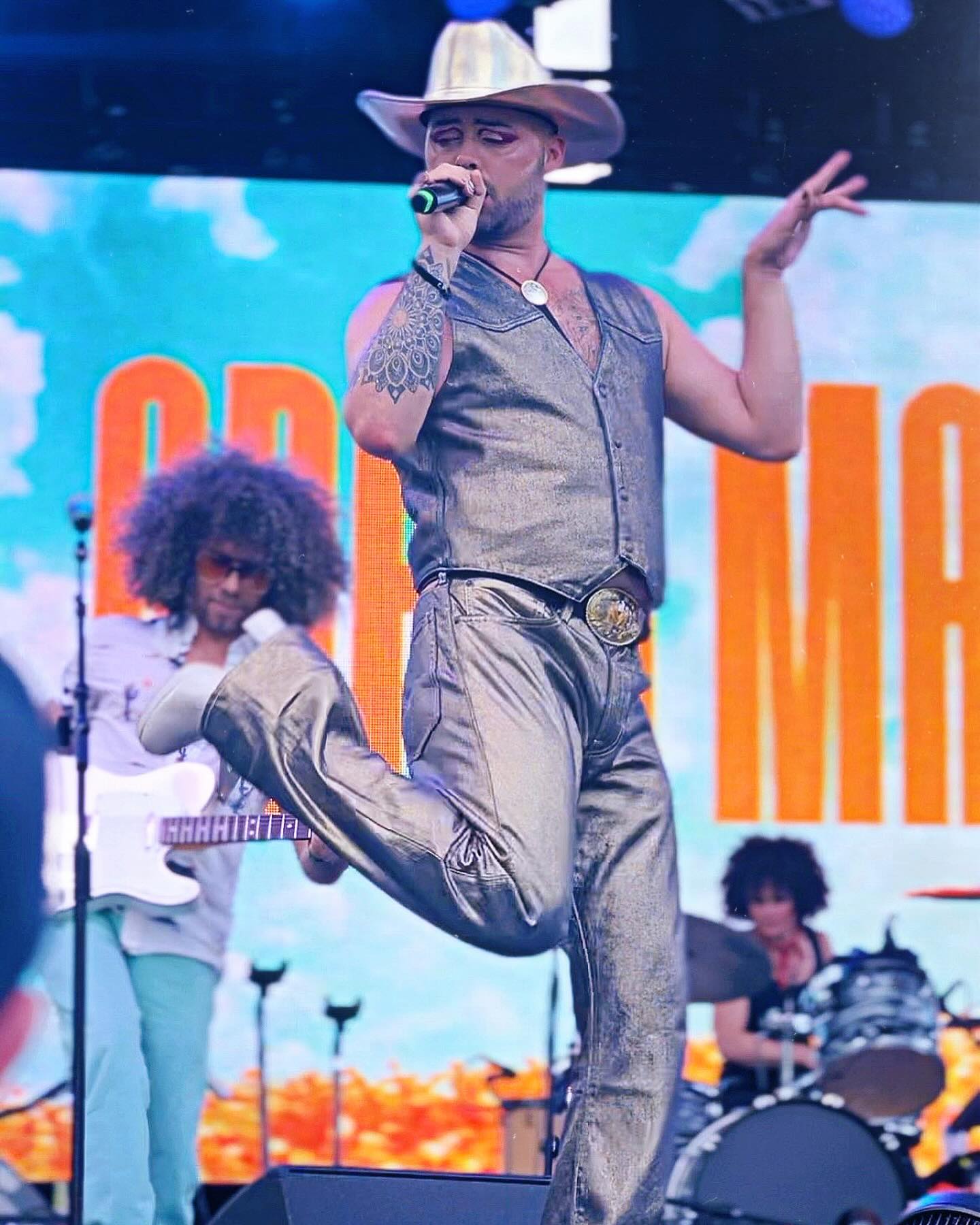
Adam Mac’s ascent in country music represents a compelling modern narrative of independent artistry, genre-blurring songwriting, and authentic storytelling. Emerging from the rich musical landscape of the American South, Mac has navigated the complexities of the modern music industry by blending traditional country instrumentation with contemporary pop sensibilities and unfiltered lyrical vulnerability. His journey highlights how independent artists leverage digital distribution, streaming platforms, and grassroots touring to build devoted audiences outside the traditional Nashville machine. This examination explores his origins, his musical style, his strategic navigation of the industry, and his broader cultural impact on the evolving boundaries of contemporary country music.
Origins and Early Musical Influences
The foundation of Adam Mac’s artistry lies in his upbringing and early exposure to the diverse sounds of the American South. Growing up surrounded by the rich musical traditions of his local community, Mac absorbed a wide spectrum of genres ranging from classic country and bluegrass to rhythm and blues, southern rock, and pop radio. This eclectic sonic diet proved essential in shaping his creative identity, preventing him from boxing himself into a rigid, traditionalist corner.
Unlike artists who follow a predetermined Nashville pipeline, Mac’s initial steps into music involved local performances, writing sessions, and refining his craft in regional venues. These formative years allowed him to develop a distinctive vocal tone characterized by emotional resonance and a conversational delivery that draws listeners into his narratives. Understanding these roots is vital for appreciating why his music resonates with fans who value sincerity over polished radio formulas.
Defining the Sound: Blending Country Tradition with Modern Pop Sensibility
One of the defining elements of Adam Mac’s rise is his unique sonic signature. Modern country music exists along a vast spectrum, stretching from neo-traditionalists who strictly mimic the sounds of the 1980s and 1990s to pop-country acts that lean heavily into electronic beats and glossy production. Mac occupies a dynamic middle ground that often aligns with the burgeoning independent country and Americana movements.
- Lyrical Authenticity: Mac’s songwriting frequently explores themes of personal introspection, heartbreak, resilience, and the complexities of modern relationships. He avoids tired cliches about trucks and dirt roads, opting instead for narrative-driven lyrics that reflect lived experiences.
- Instrumentation: While acoustic guitars, pedal steel, and traditional rhythms form the backbone of his tracks, he seamlessly integrates subtle electronic production elements, atmospheric synthesizers, and driving pop percussion.
- Vocal Delivery: His delivery prioritizes emotional weight over vocal acrobatics, allowing the stories within the songs to remain the primary focus.
| Production Element | Traditional Country Approach | Adam Mac’s Approach |
|---|---|---|
| Primary Instruments | Fiddle, pedal steel, acoustic guitar | Acoustic guitar, layered electrics, subtle synths |
| Lyrical Themes | Rural life, drinking, working-class pride | Personal identity, emotional vulnerability, modern life |
| Distribution Model | Major Nashville record label system | Independent release, digital streaming, direct-to-fan |
Strategic Navigation of the Independent Music Era
Adam Mac’s career trajectory illustrates the viability of the independent artist model in the streaming era. Historically, breaking into country music required signing with a major label based on Music Row, securing terrestrial radio airplay, and conforming to strict formatting standards. Today, artists like Mac utilize digital ecosystems to bypass traditional gatekeepers.
By releasing singles consistently, optimizing profiles on major streaming platforms, and utilizing short-form video content on social media, Mac has cultivated a loyal fanbase without the immediate backing of a conglomerate label. This direct-to-consumer relationship provides greater creative control, allowing him to release music that reflects his artistic vision without compromising for commercial radio appeal. Furthermore, independent touring has served as a cornerstone of his growth, building an engaged community one live performance at a time.
Key Milestones and Artistic Evolution
Tracking Mac’s evolution reveals a steady refinement of his craft and a growing confidence in his artistic identity. Each successive release has expanded his sonic palette and increased his streaming footprint.
Early singles established his baseline audience, showcasing his ability to write memorable hooks anchored by strong lyrical substance. As he released subsequent projects, critics and listeners alike noted a maturation in his production quality and thematic depth. This trajectory demonstrates that sustainable careers in modern country music are increasingly built on long-term artistic development rather than overnight, algorithm-driven viral moments.
The Cultural Shift in Country Music
Adam Mac’s rise does not happen in a vacuum; it coincides with a broader decentralization of the country music industry. Listeners are increasingly seeking out artists who exist outside the mainstream machinery, creating space for diverse perspectives, queer artists, and independent voices that challenge historical norms within the genre.
By bringing his authentic self and distinct perspective to country music, Mac contributes to a more inclusive and expansive definition of what the genre can encompass. This cultural shift benefits both artists and fans, fostering an environment where musical quality and genuine connection outweigh rigid demographic targeting.
| Industry Phase | Traditional Model (Late 20th Century) | Modern Independent Model (Current) |
|---|---|---|
| Gatekeepers | Record executives, radio programmers | Playlists curators, direct fans, algorithms |
| Marketing | Terrestrial radio, print media, TV | Social media, streaming algorithms, direct touring |
| Ownership | Master recordings owned largely by labels | Independent ownership, licensing agreements |
Practical Challenges and Industry Realities
Despite the democratization of music distribution, an independent rise in country music presents distinct hurdles. Understanding these challenges provides a realistic view of the landscape Mac and similar artists navigate:
- Touring Logistics and Economics: Funding independent tours without corporate backing requires careful financial management, merchandise sales, and reliable ticket demand.
- Radio Access: While streaming has leveled the playing field, terrestrial country radio remains heavily consolidated, making it difficult for independent acts to secure mass broadcast airplay.
- Marketing Budgets: Competing against major-label promotional campaigns requires creativity, consistency, and deep engagement with core supporters.
Addressing these obstacles demands strategic planning, resilience, and a deep understanding of audience analytics. Mac’s ability to sustain momentum within these constraints underscores his business acumen alongside his artistic talent.
Frequently Asked Questions
What genre of music does Adam Mac play?
Adam Mac performs country music, though his sound frequently incorporates elements of pop, Americana, and southern rock. His music is defined by acoustic-driven instrumentation paired with contemporary production techniques and narrative-focused lyrics.
Is Adam Mac signed to a major record label?
Adam Mac operates primarily as an independent artist, utilizing digital distribution platforms and self-directed marketing to build his career and retain creative control over his catalog.
How did Adam Mac gain popularity?
His popularity has grown through consistent single releases, strategic use of streaming platforms, engaging social media content, and grassroots touring that connects him directly with his audience.
What are the main themes in Adam Mac's songs?
His songwriting heavily features personal introspection, heartbreak, resilience, modern relationships, and authentic storytelling that avoids conventional genre cliches.
Where can listeners stream Adam Mac’s music?
His music is available across major digital streaming services, including Spotify, Apple Music, Amazon Music, and YouTube.
Conclusion and Next Actions
Adam Mac’s rise in country music exemplifies the power of authenticity, strategic independence, and cross-genre appeal in the modern entertainment landscape. For listeners interested in supporting his journey, the most effective steps include streaming his catalog on preferred platforms, following his official social media channels for updates on new releases, and attending live performances when he tours through local venues. Engaging directly with independent artists ensures the continued growth of diverse and innovative voices within the broader country music community.