The Acura MDX requires a timing belt replacement every 105,000 miles or every seven years, whichever occurs first. This critical maintenance task is essential because the MDX utilizes an interference engine design, where a belt failure leads to catastrophic internal damage. As of 2026, consistent preventative replacement remains the most effective way to ensure the longevity of the Acura J-series V6 engine.
Maintaining an Acura MDX involves more than just oil changes and brake pads. For owners of this luxury SUV, the timing belt replacement is often the most significant maintenance milestone they will encounter. Because the MDX has historically relied on the Honda J-series V6 engine—a powerhouse known for its reliability—the timing belt serves as the literal heartbeat of the engine’s synchronization. If this belt stretches, skips a tooth, or snaps, the internal components of the engine will collide, often resulting in a repair bill that exceeds the vehicle's market value.
In this guide, we will explore the technical nuances of the Acura MDX timing belt service, including the specific tools required, the associated costs in 2026, and a detailed walkthrough of the replacement process.
The Critical Nature of the Interference Engine
The Acura MDX, across almost all its generations featuring the 3.5L or 3.7L V6, uses an interference engine. In an interference design, the area of the cylinder head where the valves open overlaps with the area where the piston reaches its highest point (Top Dead Center). The timing belt's sole responsibility is to ensure that the valves and pistons never occupy that space at the same time.
If the timing belt breaks while the engine is running, the camshafts stop turning, leaving some valves in the open position. However, the crankshaft continues to spin due to momentum, driving the pistons upward into the stationary valves. This results in bent valves, cracked pistons, and potential damage to the cylinder head or engine block. Because of this high-risk factor, following the manufacturer’s service interval is not a suggestion; it is a mechanical necessity for vehicle survival.
Recommended Service Intervals and the Maintenance Minder
Acura utilizes a system called the Maintenance Minder, which monitors driving habits, engine temperatures, and mileage to suggest service. When it is time for a timing belt replacement, the MDX will display Sub-Code 4 on the multi-information display.
- Standard Interval: 105,000 miles (168,000 km).
- Time Interval: 7 years, regardless of mileage, as rubber compounds degrade over time.
- Severe Conditions: If you frequently drive in extreme temperatures (below -20°F or above 110°F) or tow heavy loads, Acura recommends inspecting or replacing the belt as early as 60,000 miles.
By 2026, many older MDX models (first and second generations) may be on their second or even third timing belt cycle. It is vital for owners of high-mileage vehicles to verify service history, as a "quiet" engine does not necessarily indicate a healthy belt.
Estimated Costs for Professional vs. DIY Replacement
As of 2026, labor rates and parts costs have stabilized, but the timing belt service remains a premium expense due to the labor-intensive nature of the job. The engine is mounted transversely (sideways), meaning the timing belt is located on the passenger side, squeezed tightly against the inner fender well.
| Service Provider | Estimated Cost (Parts & Labor) | Pros/Cons |
|---|---|---|
| Acura Dealership | $1,200 – $1,800 | Uses OEM parts; includes warranty; highest cost. |
| Independent Mechanic | $800 – $1,300 | Lower labor rates; quality varies by shop expertise. |
| DIY (Do It Yourself) | $250 – $450 | Significant cost savings; requires specialized tools and 6–10 hours. |
When opting for a professional service, ensure the quote includes the "water pump kit." Replacing only the belt while leaving an old water pump or tensioner in place is a common mistake that can lead to premature failure of the new belt.
Essential Parts and the "While You Are In There" Philosophy
A timing belt replacement is rarely just about the belt itself. Because the labor to access the belt is so extensive, several other components should be replaced simultaneously to prevent having to pay for the same labor again 20,000 miles later.
- The Timing Belt: The primary component connecting the crank and cams.
- Water Pump: Driven by the timing belt in the J-series engine. If it leaks or seizes, the belt will fail.
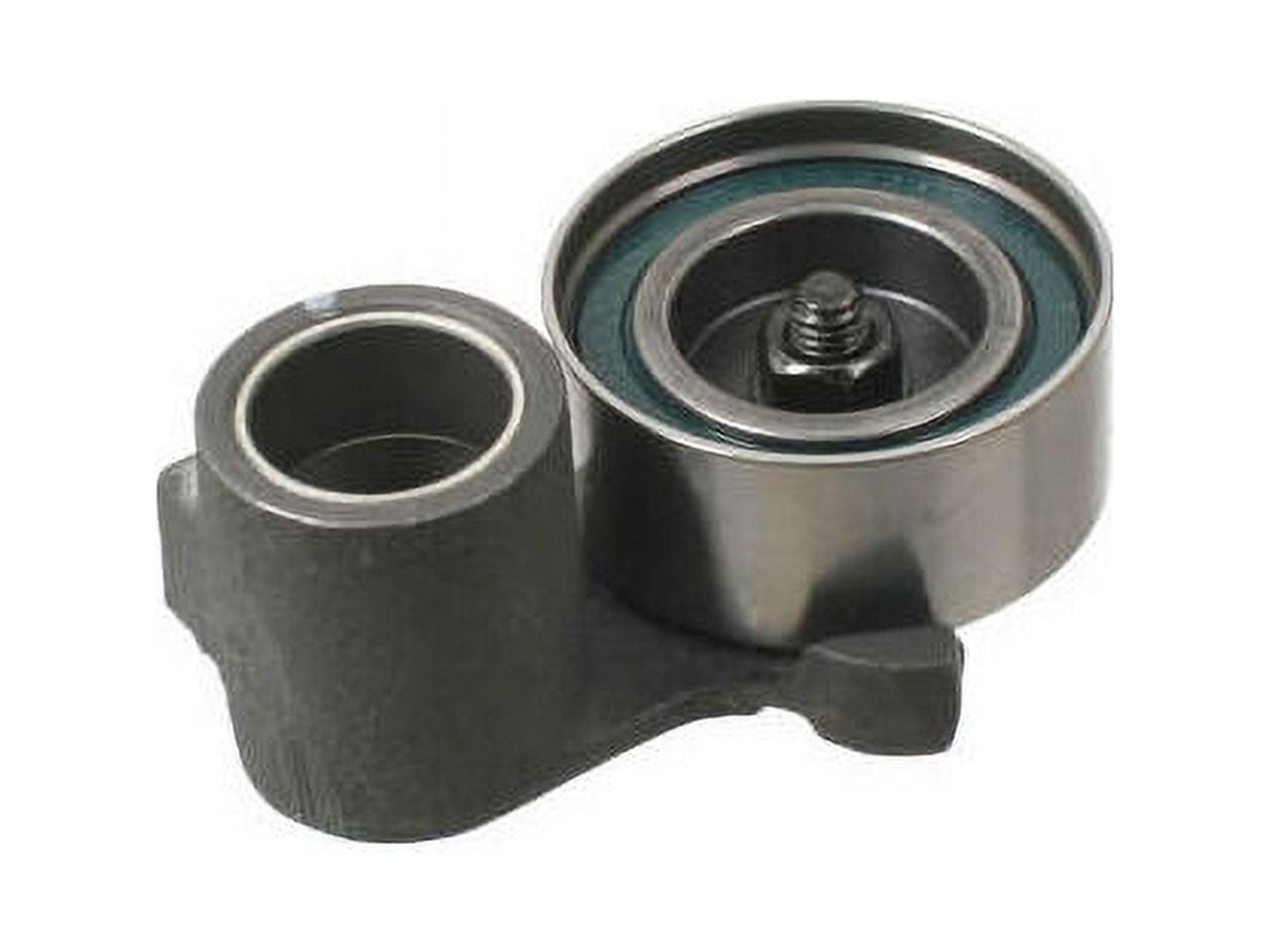
- Hydraulic Tensioner: This part maintains the correct pressure on the belt. They are notorious for leaking oil and losing tension over time.
- Idler and Tensioner Pulleys: The bearings in these pulleys have a finite lifespan.
- Serpentine Belt (Drive Belt): This must be removed to reach the timing belt anyway.
- Front Camshaft and Crankshaft Seals: If there are signs of oil weeping, replace these to prevent oil from degrading the new rubber belt.
For DIY enthusiasts, kits from reputable manufacturers like Aisin (the original equipment supplier for many Acura parts) are highly recommended, as they include the belt, water pump, and hydraulic tensioner in one package.
Specialized Tools Required for the MDX
Replacing the timing belt on a 3.5L or 3.7L Acura engine requires a few tools that the average home mechanic might not have in their toolbox.
- The Crankshaft Pulley Tool: Honda/Acura crankshaft bolts are famously difficult to remove. You will need a 50mm hex-shaped harmonic balancer wrench to hold the pulley in place while you apply torque to the bolt.
- High-Mass 19mm Socket: Often called "weighted sockets," these are designed for use with impact wrenches to break loose stubborn crank bolts by using extra inertia.
- Long Breaker Bar: A 1/2-inch drive breaker bar, often coupled with a "cheater pipe," is frequently necessary if an impact wrench isn't available.
- Torque Wrench: Essential for the final installation of the crank bolt (approx. 181 ft-lbs, though specs vary slightly by year) and smaller 10mm bolts.
Step-by-Step Overview of the Replacement Process
Disclaimer: This overview is for informational purposes. Always consult the official service manual for your specific MDX model year.
1. Preparation and Access
The vehicle must be securely jacked up and the front passenger wheel removed. You will then remove the plastic splash shields inside the wheel well to expose the crankshaft pulley. Under the hood, you will need to remove the engine covers, the power steering pump (move it aside without disconnecting lines), and the engine torque strut (top mount).
2. Setting Top Dead Center (TDC)
Before removing the old belt, you must align the engine to Top Dead Center. Rotate the crankshaft bolt clockwise until the timing mark on the crankshaft sprocket aligns with the pointer on the engine block. Simultaneously, the marks on the two camshaft sprockets must align with the marks on the rear timing cover. Never rotate the engine counter-clockwise.
3. Removing the Crankshaft Pulley
This is the most challenging step for many. Using the 50mm holder tool and a 19mm socket, the crankshaft bolt must be removed. Once the bolt is out, the harmonic balancer pulley can be slid off the crankshaft.
4. Removing Covers and Components
With the pulley off, you can remove the lower and upper timing belt covers. You will then remove the hydraulic tensioner, which allows the old belt to go slack. At this stage, remove the belt and the old water pump. Expect some coolant to spill when the pump is removed; have a drain pan ready.
5. Installing the New Components
Clean the mounting surface for the water pump and install the new pump with a new O-ring/gasket. Install the new idler pulley and the new hydraulic tensioner (leave the locking pin in place for now).
6. Routing the New Belt
This requires precision. Route the belt around the crankshaft sprocket first, then the idler pulley, the water pump, and finally over the camshaft sprockets. Ensure there is no slack on the "tension side" of the belt. The slack should only be on the side where the hydraulic tensioner sits.
7. Final Verification
Once the belt is on, double-check all timing marks. If they are perfectly aligned, pull the pin on the hydraulic tensioner to apply pressure. Rotate the crankshaft by hand for two full revolutions and check the marks again. If they have shifted even by one tooth, the belt must be re-positioned.
Technical Specifications Table for Acura MDX
| Specification | Value/Requirement |
|---|---|
| Engine Type | SOHC 24-Valve V6 (J35/J37) |
| Valve Clearance (Intake) | 0.20 mm – 0.24 mm |
| Valve Clearance (Exhaust) | 0.28 mm – 0.32 mm |
| Crankshaft Bolt Torque | 181 ft-lb (Check manual for specific year) |
| Water Pump Bolt Torque | 8.8 ft-lb (12 N·m) |
| Timing Belt Tensioner Bolt | 19 ft-lb (25 N·m) |
| Spark Plug Gap | 1.0 mm – 1.1 mm (0.04 in) |
Common Pitfalls and Troubleshooting
The most common mistake during an Acura MDX timing belt job is misalignment by one tooth. This often happens because the front camshaft (closer to the radiator) is under spring pressure and wants to "snap" or rotate away from the timing mark. Using small binder clips or specialized cam-holding tools can prevent this movement.
Another frequent issue is the failure to properly torque the crankshaft bolt. If this bolt is under-torqued, it can vibrate loose, leading to the crankshaft keyway shearing and destroying the engine. Conversely, if the hydraulic tensioner is not an OEM-quality part, it may fail within 10,000 miles, causing the new belt to slap against the covers and eventually fail.
Frequently Asked Questions
Does the Acura MDX have a timing belt or a chain?
Most Acura MDX models produced up through the 2026 model year utilize a timing belt. While many manufacturers moved to timing chains for their V6 engines, the Honda J-series engine has retained the belt design for its packaging efficiency and quieter operation. Always check your specific engine code; however, the 3.5L and 3.7L variants are belt-driven.
What happens if I don't change the timing belt on time?
If the belt exceeds its lifespan, the rubber teeth can shear off, or the internal tension members can snap. Because the MDX has an interference engine, the pistons will strike the valves almost instantly. This usually results in a minimum of $4,000 to $6,000 in engine repair costs, often requiring a full engine replacement.
Should I replace the spark plugs at the same time?
Yes. The Acura Maintenance Minder Sub-Code 4 usually includes timing belt replacement, valve adjustment, and spark plug replacement. Since you already have the engine covers and various components removed, it is the most labor-efficient time to install new iridium spark plugs.
How can I tell if my timing belt was already replaced?
There is no reliable visual way to determine the age of a timing belt without removing the covers. However, most professional technicians place a sticker on the timing cover or the radiator support indicating the date and mileage of the last replacement. If no record or sticker exists, it is safest to assume the service is due.
Is a water pump leak related to the timing belt?
Indirectly, yes. The water pump is driven by the timing belt. If the water pump's internal bearing begins to fail, it can create heat and friction that degrades the belt. Furthermore, if the pump leaks coolant onto the belt, the chemicals in the coolant can weaken the rubber, leading to premature belt failure.
Final Recommendation
For Acura MDX owners in 2026, the timing belt replacement remains the single most important maintenance item to ensure the vehicle reaches the 200,000 or 300,000-mile mark. Given the complexity of the J-series engine and the tight engine bay constraints, we recommend that most owners seek a certified technician specializing in Honda/Acura vehicles. If you choose the DIY route, invest in a high-quality Aisin or OEM kit and the specific 50mm crankshaft holding tool to ensure the job is done to factory specifications.