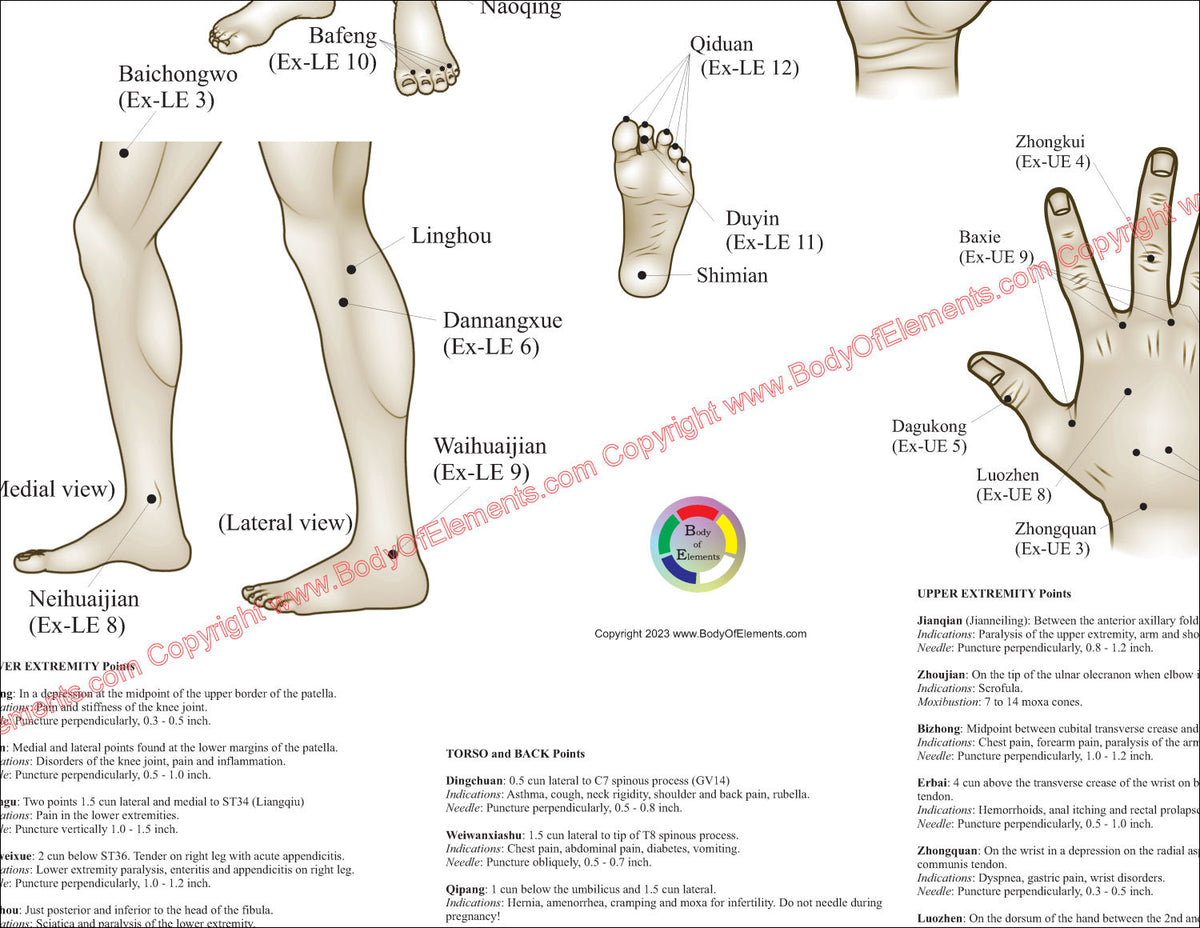
Acupuncture addresses grief by stimulating specific points on the Lung and Heart meridians to release emotional stagnation and regulate the nervous system. Key points such as Lung 7, Conception Vessel 17, and Heart 7 help "open" the chest and facilitate the movement of Qi, allowing the body to process sorrow while restoring emotional resilience and physical vitality.
The Traditional Chinese Medicine Perspective on Grief
In Traditional Chinese Medicine (TCM), emotions are not viewed as purely psychological phenomena but as physiological movements of energy, or Qi. Grief is specifically associated with the Metal element and the Lung and Large Intestine organ systems. When we experience loss, the Qi of the Lungs tends to "disperse" or become "stagnant," leading to the characteristic heavy feeling in the chest, shortness of breath, and a sense of being unable to "take in" life.
The Lungs are responsible for the rhythm of life—inhaling the new and exhaling the old. When grief becomes pathological, this rhythm is disrupted. A person may find themselves stuck in a state of "holding on" (Large Intestine) or unable to find inspiration (Lung). By 2026, clinical protocols in integrative mental health increasingly recognize that treating the physical manifestation of grief can accelerate the psychological healing process. Acupuncture provides a somatic bridge, helping the body release the physical tension of sorrow so the mind can follow.
Furthermore, the Heart (the "Emperor" of the organs) and the Pericardium (the Heart’s protector) are often involved. While the Lungs hold the grief, the Heart houses the Shen (spirit). Intense grief can "shake" the Shen, leading to insomnia, anxiety, and a feeling of being disconnected from one’s purpose. Acupuncture treatments for grief typically focus on balancing both the Lungs to process the sadness and the Heart to stabilize the spirit.
Essential Acupuncture Points for Processing Sorrow
When an acupuncturist treats a patient for grief, they select a combination of points tailored to the individual's specific symptoms—whether those are weeping, chest tightness, fatigue, or anger. However, certain "command" points are almost universally effective for the emotional weight of loss.
Lung 7 (Lieque) – The Point of Letting Go
Located on the thumb side of the wrist, about two finger-breadths above the wrist crease, Lung 7 is perhaps the most critical point for grief. In TCM, it is the "Luo-connecting" point, meaning it links the Lung meridian to the Large Intestine meridian.
Physiologically, Lung 7 helps open the chest and descends the Lung Qi. Emotionally, it is used to help a person "let go" of what is no longer there. It is particularly effective for people who feel "stuck" in their grief or who experience frequent, uncontrollable crying. By stimulating this point, practitioners aim to restore the natural flow of breath, helping the patient move from a state of contraction to one of release.
Conception Vessel 17 (Shanzhong) – The Sea of Qi
Found directly in the center of the sternum, level with the fourth intercostal space, CV 17 is the "Front-Mu" point of the Pericardium and the "Influential Point of Qi." During periods of intense mourning, this area often becomes physically tender or tight—a sensation many describe as a "knot in the chest."
Stimulating CV 17 helps to "unbin" the chest. It relaxes the diaphragm and the intercostal muscles, making it easier to take deep, nourishing breaths. In 2026, practitioners often use this point in conjunction with mindfulness breathing techniques to help patients process acute emotional trauma. It acts as a release valve for the pressure that builds up when emotions are suppressed.
Lung 1 (Zhongfu) – The Middle Palace
Located on the upper lateral chest, just below the collarbone, Lung 1 is the "Front-Mu" point of the Lung. This point is where the Qi from the earth (via digestion) meets the Qi from the heavens (via breath). Grief can often cause a person to "collapse" their chest, rounding their shoulders forward as if to protect their heart.
Lung 1 helps to re-expand the chest and upper torso. It is used when grief has led to a sense of "depletion" or when the patient feels they have lost their sense of self in the wake of a loss. Opening the "Middle Palace" allows the individual to reclaim their space and begin the process of reintegrating their identity.
Supporting the Heart and Spirit (Shen)
While the Lungs process the grief itself, the Heart must be supported to ensure the individual feels safe enough to heal. If the "Emperor" is unsettled, the entire system remains in a state of "fight or flight," making long-term recovery difficult.
Heart 7 (Shenmen) – Spirit Gate
Located on the ulnar (pinky) side of the inner wrist crease, Heart 7 is the primary point for calming the mind and spirit. It is frequently used for the anxiety, palpitations, and "racing heart" that can accompany the shock of loss. By 2026, researchers have further validated the role of Heart 7 in modulating the autonomic nervous system, specifically increasing vagal tone to move the body out of a sympathetic (stress) state.
Pericardium 6 (Neiguan) – Inner Pass
Situated two inches above the wrist crease between the two tendons, PC 6 is famous for treating nausea, but its emotional functions are equally profound. As the "gatekeeper" of the Heart, PC 6 helps to regulate emotional boundaries. It is used for the "fullness" in the chest and the sense of being overwhelmed by external circumstances. It helps the individual feel "centered" amidst the chaos of bereavement.
Urinary Bladder 42 (Pohu) – Door of the Corporeal Soul
Located on the back, roughly level with the third thoracic vertebra, this point is specifically associated with the Po, or the "Corporeal Soul," which resides in the Lungs. In TCM theory, the Po is responsible for our physical sensations and our immediate reactions to the world. When grief strikes, the Po can become agitated. UB 42 is used in deep, constitutional treatments to soothe the soul and address the most profound, "bone-deep" sadness.
Comparison of Key Acupuncture Points for Grief
The following table summarizes the primary points and their specific roles in emotional regulation during the grieving process.
| Point Name (English/Pinyin) | Location | Primary Emotional Function | Physical Symptoms Addressed |
|---|---|---|---|
| Lung 7 (Lieque) | Radial wrist, above the styloid process | Facilitates "letting go" and emotional release | Chronic crying, shortness of breath |
| CV 17 (Shanzhong) | Center of the sternum | Opens the chest and regulates "Sea of Qi" | Chest tightness, "knot" in the heart |
| Heart 7 (Shenmen) | Ulnar wrist crease | Calms the spirit (Shen) and eases anxiety | Insomnia, palpitations, shock |
| Lung 1 (Zhongfu) | Upper lateral chest | Restores inspiration and sense of self | Fatigue, collapsed posture, deep sadness |
| Pericardium 6 (Neiguan) | Inner forearm, between tendons | Balances emotions and protects the heart | Anxiety, nausea, feeling overwhelmed |
| Stomach 36 (Zusanli) | Below the knee, lateral to the shin | Provides grounding and physical energy | Post-grief exhaustion, lack of appetite |
| Governing Vessel 20 (Baihui) | Top of the head | Lifts the mood and clears the mind | Depression, brain fog, heavy-headedness |
The Clinical Experience and Treatment Expectations in 2026
In 2026, acupuncture for grief is rarely a standalone "cure." Instead, it is utilized as a vital component of a holistic recovery plan. Patients seeking treatment for bereavement can expect a comprehensive intake process where the practitioner evaluates not just the emotional state, but also sleep patterns, digestion, and physical pain.
Frequency and Duration
For acute grief—such as the immediate weeks following a significant loss—treatments are often recommended once or twice a week. This frequency helps to manage the "spikes" of cortisol and adrenaline that occur during the initial trauma. As the grief transitions into a more chronic, manageable phase, treatments may move to once every two weeks or once a month.
What to Expect During a Session
A typical session involves the insertion of 10 to 20 hair-thin, sterile needles. Many patients experience a "heavy" or "tingling" sensation known as De Qi. Once the needles are in place, the patient rests for 20 to 45 minutes. It is common for patients to experience a significant emotional release during or immediately after a session; this may manifest as spontaneous tears or a profound sense of relief and "lightness."
Integration with Other Therapies
Evidence-based guidelines in 2026 emphasize the synergy between acupuncture and traditional psychotherapy. While talk therapy addresses the cognitive and narrative aspects of grief, acupuncture addresses the somatic storage of that grief. By calming the amygdala (the brain's fear center), acupuncture can actually make it easier for patients to engage in productive counseling sessions.
Self-Care: Acupressure for Grief at Home
While professional acupuncture is the most effective way to reach deep energetic layers, individuals can use acupressure to manage waves of grief at home.
- For Acute Anxiety: Apply firm pressure to Heart 7 (the wrist crease on the pinky side) for 2-3 minutes while focusing on slow, nasal breathing. This helps "anchor" the spirit.
- For Chest Tightness: Gently massage CV 17 (the center of the sternum). Using a small amount of essential oil, such as frankincense or rose, can enhance the effect. Rub in a circular motion to help "break up" the stagnation.
- For "Stuck" Emotions: Use the "Tiger's Mouth" grip to stimulate Lung 7. Interlock your thumbs and index fingers; where your index finger rests on your arm is the point. Massage this area when you feel an inability to cry or a need to release pent-up sorrow.
Safety and Professional Considerations
Acupuncture is remarkably safe when performed by a licensed professional. In the United States, look for practitioners certified by the National Certification Commission for Acupuncture and Oriental Medicine (NCCAOM).
Important Limitations:
- Medical Oversight: Grief can sometimes mask or trigger physical health issues, such as cardiovascular stress. Acupuncture should complement, not replace, a visit to a primary care physician.
- Mental Health Emergencies: If grief leads to thoughts of self-harm or severe clinical depression, immediate intervention from a mental health professional or crisis hotline is required.
- Pregnancy: Certain acupuncture points are contraindicated during pregnancy. Always inform your practitioner if you are or might be pregnant.
FAQs About Acupuncture for Grief
How many sessions are needed to feel better? While many people feel a sense of "lightness" or better sleep after just one session, chronic grief usually requires a series of 6 to 10 treatments to achieve stable emotional regulation. The goal is to help the body "remember" how to stay balanced.
Can acupuncture make me feel more emotional? Yes, it is common to experience an "emotional detox." Because acupuncture moves stagnant Qi, suppressed emotions may come to the surface. This is generally considered a positive sign that the body is processing the grief rather than storing it.
Is there a specific point for "broken heart" syndrome? CV 17 and PC 6 are the primary points for the physical sensation of a broken heart. They work together to relax the chest and protect the Heart's energy from being overwhelmed by the intensity of the pain.
Does insurance cover acupuncture for grief in 2026? As of 2026, many insurance providers have expanded coverage for acupuncture when it is coded as part of a treatment plan for "Adjustment Disorder" or "Depressive Symptoms," recognizing its efficacy in reducing healthcare costs associated with chronic stress and mental health decline.
Can I do this if I'm on antidepressants? Acupuncture is generally safe to use alongside pharmaceutical interventions. It may even help mitigate some side effects of medications, such as insomnia or digestive upset. Always inform both your doctor and your acupuncturist about all treatments you are receiving.
Next Steps for Healing
If you are navigating the heavy waters of grief, consider scheduling a consultation with a licensed acupuncturist who specializes in emotional health or TCM mental health. Begin with a commitment to three sessions to see how your body responds. Between sessions, practice the acupressure techniques mentioned above, particularly when you feel the physical symptoms of sorrow—such as chest tightness or shallow breathing—starting to overwhelm you.