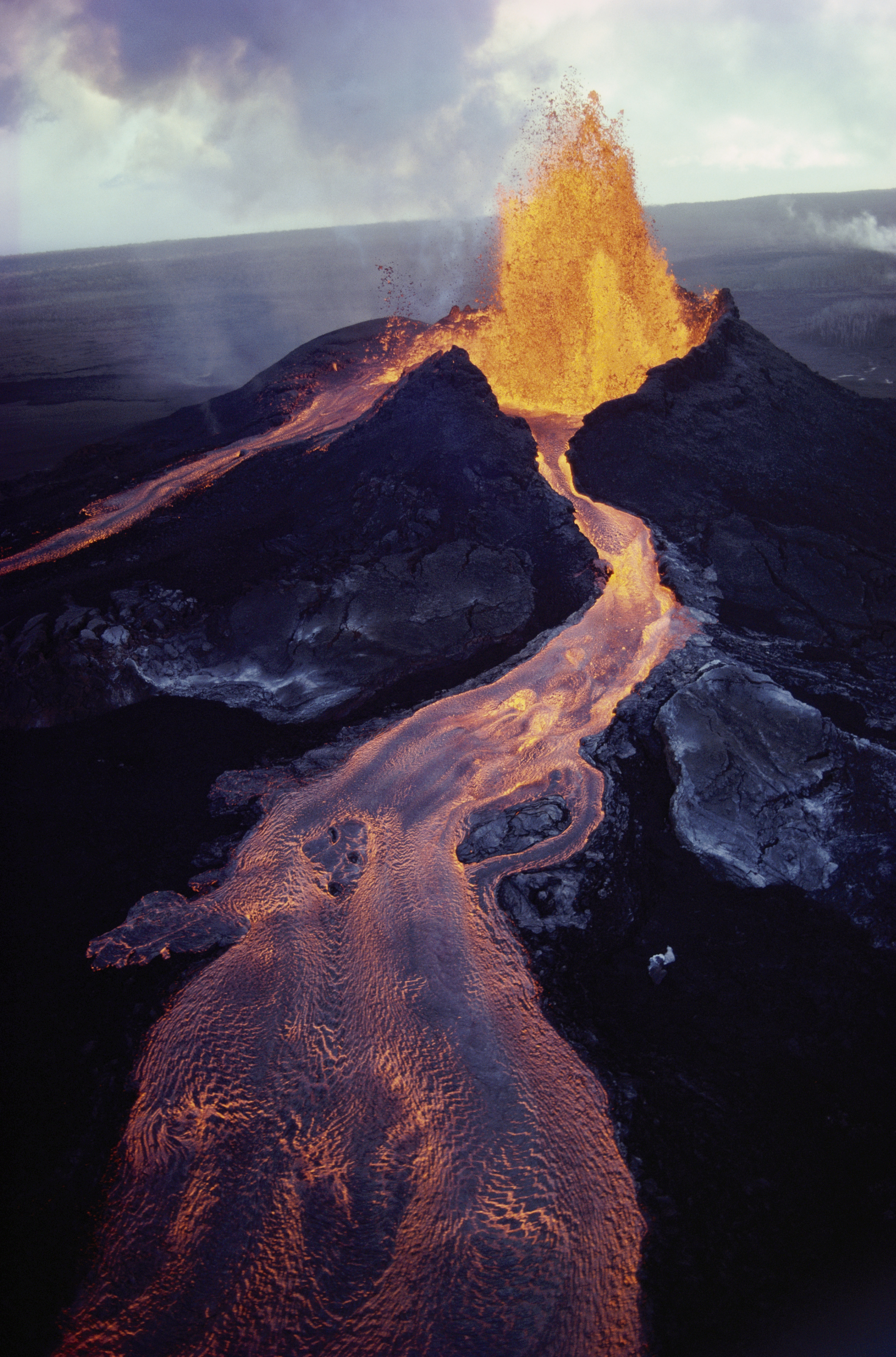
Oahu is not home to any active volcanoes. While the island was formed by volcanic activity millions of years ago, its two shield volcanoes—Waiʻanae and Koʻolau—are classified by the United States Geological Survey (USGS) as long-extinct. Any seismic activity felt on the island today is entirely unrelated to magmatic eruptions or active volcanic processes.
Understanding the Volcanic Landscape of the Hawaiian Islands
To understand why there is no active volcano on Oahu, one must look at the geological formation of the Hawaiian archipelago. The islands were created as the Pacific Tectonic Plate moved slowly over a "hotspot"—a stationary plume of intense heat rising from deep within the Earth's mantle. As the plate drifts to the northwest, the hotspot remains fixed, creating a chain of volcanoes.
Each island in the chain represents a different stage in this life cycle. Oahu sits far to the northwest of the current hotspot location. The two major volcanoes that comprise Oahu, the Waiʻanae Range to the west and the Koʻolau Range to the east, finished their primary shield-building phases approximately 2.5 to 4 million years ago. Since then, erosion, subsidence, and the natural cooling of the underlying crust have rendered these volcanic centers entirely dormant and extinct.
Seismic Activity on Oahu: Clarifying the Confusion
Visitors and residents occasionally report feeling tremors or earthquakes on Oahu, which can lead to misconceptions about volcanic activity. It is critical to distinguish between volcanic earthquakes—which occur due to the movement of magma beneath an active volcano—and tectonic earthquakes.
On Oahu, seismic events are almost exclusively the result of "lithospheric flexure." Because the Big Island (Hawaii Island) is so massive and currently active, its sheer weight causes the underlying tectonic plate to bend. This bending creates stress in the crust, resulting in occasional earthquakes. While these tremors can be felt on Oahu, they are a byproduct of the Big Island’s volcanic weight, not an indication of any active volcanic plumbing beneath Oahu itself.
Comparison of Volcanic Status Across the Hawaiian Archipelago
The following table summarizes the status of the major Hawaiian islands regarding volcanic activity. This data is based on long-term geological monitoring by the Hawaiian Volcano Observatory (HVO).
| Island | Volcanic Status | Primary Reason |
|---|---|---|
| Hawaii (Big Island) | Active | Located directly over the mantle hotspot. |
| Maui | Dormant | Last eruption occurred roughly 400–600 years ago; considered potentially active. |
| Oahu | Extinct | Moved off the hotspot millions of years ago; no magma supply. |
| Kauaʻi | Extinct | The oldest main island, deeply eroded, no active processes. |
Why Oahu Cannot Have an Active Volcano
The geological term for the process that would be required for an active volcano is "magmatic resurgence." For a volcano to become active again, it would need to move back over a heat source or develop a new conduit to the mantle. Given the speed of the Pacific Plate's movement (roughly 7–10 centimeters per year), Oahu is physically drifting away from the region where volcanic growth is possible.
The internal structure of Oahu’s volcanoes is now characterized by solidified, cold rock. The "plumbing" that once fed lava to the surface has been clogged by solidified basalt. Geologists have confirmed through radiocarbon dating and mineral analysis that there has been no volcanic activity on Oahu for several million years. There are no active magma chambers, and there are no hydrothermal systems capable of supporting a volcanic eruption.
Geological Features Often Mistaken for Activity
Visitors to Oahu often encounter volcanic landscapes, such as Diamond Head (Lēʻahi) or Punchbowl Crater (Pūowaina). It is common for these to be misidentified as active volcanoes because they look like quintessential craters.
- Diamond Head (Lēʻahi): This is a monogenetic volcanic cone, meaning it was formed by a single eruptive event. It is a tuff cone created by a short-lived explosion when magma met seawater. It has been extinct for approximately 150,000 to 200,000 years.
- Punchbowl Crater: Similar to Diamond Head, this is a tuff cone formed by volcanic ash and cinder. It is part of the Honolulu Volcanic Series, which represents the very last, minor stage of volcanic activity on Oahu that occurred long after the main shield volcanoes had died. This series has been extinct for over 70,000 years.
These features are essentially "dead" remnants of ancient, minor eruptions. They pose no threat of eruption and are not connected to any active magma reservoirs.
Safety and Hazards in the Context of Volcanoes
Because Oahu is geologically stable regarding volcanism, visitors do not need to prepare for lava flows, ash fall, or volcanic gases (vog) of the type experienced on the Big Island. However, because Hawaii is a tectonically active region, disaster preparedness remains a component of local safety.
The primary hazard associated with the earth’s movement in Hawaii is not volcanic eruption but earthquakes and tsunamis. The Hawaii Emergency Management Agency (HI-EMA) maintains robust alert systems for these events. If you are traveling to Oahu, you are advised to familiarize yourself with the standard hotel or residential evacuation plans for tsunamis, as these are the relevant geological hazards in the region.
Frequently Asked Questions
Is there any risk of an eruption on Oahu? No. There is no active volcano on Oahu, and there is no geological evidence to suggest that volcanic activity will return to the island. It is considered geologically extinct.
What is the 'vog' I hear about in Hawaii? Vog is volcanic smog consisting of gases and aerosols released by active volcanoes, specifically Kīlauea on the Big Island. While high trade winds can occasionally push vog toward Oahu, it is not produced by any volcanic source on Oahu itself.
Are the craters on Oahu dangerous? The craters on Oahu, such as Diamond Head, are stable geological features. They are popular hiking destinations and do not present any risk of explosion, heat, or lava.
Why does the ground shake on Oahu if there are no volcanoes? The ground shakes occasionally due to tectonic stress caused by the weight of the active volcanoes on the Big Island. This is a common phenomenon in the Hawaiian archipelago known as plate loading or lithospheric flexure.
Should I change my travel plans because of volcanic activity in Hawaii? Travel to Oahu is entirely unaffected by volcanic activity. Even when volcanoes on the Big Island are active, they rarely impact flights or tourism on Oahu unless there is a significant, singular event that affects regional airspace, which is rare and managed by the Federal Aviation Administration.
Expert Guidance for Geological Exploration
If you have a genuine interest in the volcanic history of Oahu, the best approach is to visit the educational centers that interpret these ancient landscapes. The Hawaii Volcanoes National Park is located on the Big Island and offers the only opportunity in the state to observe active volcanic processes.
On Oahu, rather than looking for active volcanism, focus on "geotourism." Hike the Diamond Head summit to observe the layering of the tuff cone, or visit the Halona Blowhole on the southeastern coast. The blowhole is a product of volcanic rock formations being shaped by modern ocean forces—a testament to how the ocean continues to erode the ancient volcanic past of the island.
For those planning to visit, verify current trail conditions through the Division of State Parks (DLSP). While the geology is dormant, weather events like heavy rainfall can occasionally cause trail closures for safety reasons, independent of any seismic activity.