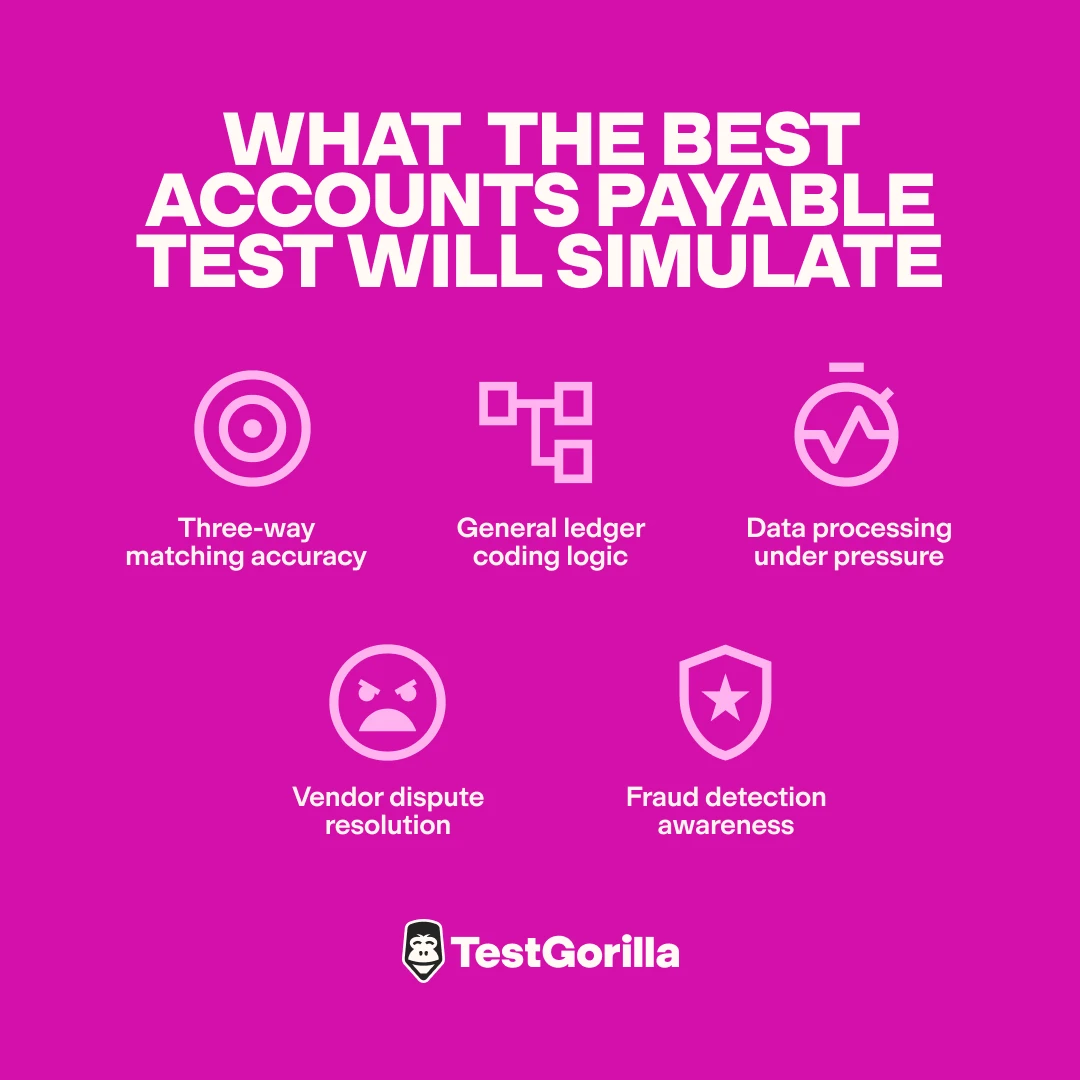
To excel in accounts payable (AP) in 2026, a professional must master a blend of advanced technical proficiency in ERP systems, AI-driven automation oversight, and rigorous regulatory compliance. Beyond data entry, the modern AP role requires strategic analytical skills, robust fraud prevention capabilities, and exceptional vendor relationship management to ensure financial integrity and optimized cash flow.
The Evolution of the Accounts Payable Role in 2026
The landscape of accounts payable has undergone a radical transformation over the last decade. In 2026, the function is no longer viewed as a back-office administrative task but as a strategic pillar of corporate finance. The primary driver of this shift is the near-universal adoption of automated workflows and the integration of artificial intelligence into the Procure-to-Pay (P2P) cycle.
Historically, AP clerks spent the majority of their time on manual data entry, physical invoice sorting, and chasing paper signatures. Today, these tasks are largely handled by sophisticated Optical Character Recognition (OCR) and autonomous AI agents. Consequently, the "skills" required for the job have moved up the value chain. A successful AP professional in 2026 is essentially a data analyst, a systems troubleshooter, and a relationship manager. They are responsible for ensuring that the automated systems are functioning correctly, resolving complex exceptions that the AI cannot handle, and leveraging payment data to provide insights into the company’s liquidity and spending patterns.
This evolution means that "attention to detail" now refers to the ability to spot anomalies in massive datasets or identify sophisticated digital fraud attempts, rather than just noticing a typo on a paper invoice. The stakes are higher, as the speed of digital commerce requires AP teams to operate in real-time or near-real-time environments.
Technical Proficiency and Software Mastery
Technical skills form the foundation of the modern AP professional's toolkit. In 2026, being "good with computers" is an insufficient descriptor; professionals must demonstrate deep expertise in specific financial ecosystems.
ERP Systems and Cloud Integration
Enterprise Resource Planning (ERP) systems are the central nervous system of corporate finance. Proficiency in leading platforms such as SAP S/4HANA, Oracle NetSuite, or Microsoft Dynamics 365 is non-negotiable.
A skilled AP professional must understand how the AP module interacts with other modules, such as Inventory Management and General Ledger. They should be able to navigate these systems to track the lifecycle of a purchase order, verify receiving reports, and ensure that the three-way match (Purchase Order, Receiving Report, and Invoice) is executed flawlessly. In 2026, many of these systems are cloud-based, requiring users to be comfortable with frequent software updates and integrated third-party applications that handle specialized tasks like employee expense management or international tax calculation.
Automation and AI Literacy
As automation becomes the standard, AP professionals must understand the mechanics of Robotic Process Automation (RPA). This doesn't necessarily mean writing code, but it does mean being able to configure bot workflows and troubleshoot "breaks" in the automation.
AI literacy is equally vital. In 2026, AI is used to predict payment timings, flag potential duplicate invoices, and suggest "early payment discounts" that the company should take advantage of. A professional must know how to interpret AI-generated alerts and "train" the system by correcting errors in a way that the machine learns for future transactions. This human-in-the-loop (HITL) oversight is critical for maintaining the accuracy of the financial record.
Advanced Data Analytics and Reporting
With all invoices being digitized, the amount of data available to the AP department is staggering. AP professionals are now expected to use tools like Tableau, Power BI, or advanced Excel functions (including Power Query and Pivot Tables) to turn this data into actionable reports. Key performance indicators (KPIs) such as Days Payable Outstanding (DPO), cost per invoice, and exception rates are monitored in real-time. The ability to visualize this data and present it to CFOs or Finance Directors is a high-demand skill that separates entry-level staff from senior specialists.
Compliance, Regulation, and Financial Control
In an era of heightened global transparency and digital reporting, compliance is a massive component of the AP skill set. Mistakes in this area can lead to significant legal penalties and financial loss.
Tax Compliance and E-Invoicing Mandates
In 2026, many jurisdictions have implemented mandatory e-invoicing and "real-time reporting" to combat VAT/GST fraud. AP professionals must stay current with the regulations in every region where their company operates. This includes understanding the requirements for 1099 reporting in the United States and similar tax documentation globally.
The Internal Revenue Service (IRS) frequently updates filing requirements for digital assets and independent contractor payments. An AP specialist must ensure that the "Taxpayer Identification Number" (TIN) for every vendor is verified through the proper channels before payments are released to avoid backup withholding issues.
Internal Controls and Fraud Prevention
Digital fraud has become increasingly sophisticated. Business Email Compromise (BEC) and deepfake-authorized payment requests are genuine threats in 2026. AP professionals are the first line of defense. They must be skilled in:
- Verification Protocols: Implementing and following strict multi-factor authentication (MFA) for any changes to vendor banking details.
- Segregation of Duties: Ensuring that the person who sets up a vendor is not the same person who approves the payment.
- Audit Readiness: Maintaining a clean digital trail that complies with Sarbanes-Oxley (SOX) or similar international standards.
Understanding the principles of SOC 1 and SOC 2 reports is also beneficial when evaluating the security of third-party payment platforms used by the company.
Communication and Relationship Management
While the technical side is dominated by software, the human side of accounts payable remains rooted in communication. AP is the primary point of contact for a company's entire supply chain.
Vendor Relations and Negotiation
Maintaining positive relationships with vendors is crucial for supply chain stability. When discrepancies arise—such as a short shipment or a price mismatch—the AP professional must resolve the issue diplomatically. In 2026, this often involves negotiating payment terms. For instance, if a company is facing a temporary cash flow crunch, a skilled AP specialist might negotiate an extension with a key supplier without damaging the company's credit reputation. Conversely, they may negotiate better terms in exchange for using Supply Chain Financing or dynamic discounting models.
Interdepartmental Collaboration
The AP department does not operate in a vacuum. It must work closely with:
- Procurement: To ensure that purchase orders are accurate and that vendors are properly vetted.
- Treasury: To coordinate the timing of large payments to manage the company's daily cash position.
- IT: To maintain and upgrade the financial software stack.
The ability to translate "finance-speak" into plain language for non-financial colleagues is a critical soft skill.
Analytical and Cognitive Skills
The complexity of modern finance requires a high level of cognitive agility. AP professionals must be able to think critically about the data they see.
Problem-Solving and Discrepancy Resolution
Even the best AI systems hit "exceptions." An invoice might be missing a tax ID, or a shipment might be damaged, leading to a credit memo that doesn't align with the original PO. The AP professional must act as a detective, piecing together the history of the transaction across various systems to find the truth. This requires patience, logical reasoning, and a deep understanding of the company's internal policies.
Attention to Detail in a High-Volume Environment
In 2026, "attention to detail" is about spotting patterns. It’s about noticing that a vendor has suddenly changed their bank account to a different country, which might indicate a hack. Or noticing that the utility bill for a specific warehouse has spiked unexpectedly, which could indicate an operational issue. This level of oversight adds value far beyond simply ensuring that the numbers match.
Essential Certifications and Career Advancement
To validate these skills, many professionals pursue formal certification. In 2026, the following are highly regarded:
- Certified Accounts Payable Professional (CAPP): Offered by the Institute of Financial Operations & Leadership (IFOL), this focuses on the end-to-end P2P process.
- Certified Public Accountant (CPA): While broader, a CPA remains the gold standard for those looking to move into management roles like AP Manager or Controller.
- Specialized Software Certifications: Earning a "Power User" or "Consultant" certification in SAP or Oracle can significantly increase an individual's market value.
| Skill Category | Key Proficiency | Business Impact |
|---|---|---|
| Technological | ERP Navigation & RPA Configuration | Increased processing speed and reduced manual error rates. |
| Regulatory | Global Tax Compliance (VAT/GST/1099) | Mitigation of legal penalties and successful audit outcomes. |
| Analytical | Cash Flow Forecasting & Spend Analysis | Improved liquidity management and strategic sourcing insights. |
| Security | Fraud Detection & Internal Controls | Prevention of financial loss through BEC or unauthorized payments. |
| Interpersonal | Vendor Dispute Resolution | Stronger supply chain relationships and better credit terms. |
Common Pitfalls to Avoid in Accounts Payable
Even with the best skills, certain mistakes can derail an AP department. One common error is over-reliance on automation. Professionals sometimes assume the "system is always right," failing to perform the necessary spot checks that catch systemic errors.
Another pitfall is the failure to update vendor master files. If a company continues to send payments to an old address or fails to deactivate a vendor that is no longer in use, it creates significant security vulnerabilities. Finally, neglecting professional development is a risk. In 2026, the tools and regulations change so rapidly that a professional who hasn't updated their skills in 18 months may find themselves obsolete.
Frequently Asked Questions
Do I need a degree to work in accounts payable in 2026?
While some entry-level positions only require a high school diploma and relevant experience, most mid-to-senior level roles in 2026 require at least an Associate’s or Bachelor’s degree in Accounting, Finance, or Business Administration. The increasing complexity of the role means that employers prioritize candidates with a solid theoretical understanding of accounting principles.
How has AI changed the entry-level AP clerk role?
AI has largely eliminated the "clerk" role that focused solely on data entry. Entry-level positions now focus on "exception handling." This means that instead of typing in 100 invoices, the junior professional reviews the 5 invoices that the AI couldn't confidently process, investigating why the data didn't match and correcting the records.
What is the most important soft skill for an AP specialist?
Conflict resolution is arguably the most important soft skill. Because AP sits at the intersection of "company money" and "vendor expectations," disputes are inevitable. Being able to remain calm, professional, and solution-oriented during a heated dispute over a late payment or a pricing error is essential for maintaining business continuity.
How can I protect my company from "Deepfake" fraud in AP?
Protection against deepfake fraud requires a combination of technical literacy and strict adherence to internal controls. Never authorize a change in payment destination based on a voice or video call alone, regardless of who appears to be on the other end. Always verify through a "secondary channel"—such as calling a known, pre-existing number in the vendor's file—before making any changes.
Is remote work common for accounts payable roles in 2026?
Yes, the vast majority of AP tasks are now cloud-based, making remote or hybrid work very common. However, this shift requires AP professionals to have strong self-management skills and a high degree of digital security awareness to ensure that financial data remains protected outside the traditional office environment.
Next Steps for Professionals
If you are looking to build or refine your accounts payable skills in 2026, start by conducting a self-audit of your technical stack. Identify the ERP system most prevalent in your industry and seek advanced training or certification in that specific software. Simultaneously, sharpen your analytical skills by learning a data visualization tool like Power BI. Finally, stay informed on global e-invoicing trends by following updates from the Association for Financial Professionals (AFP). Moving from a "processor" mindset to a "strategic analyst" mindset is the most effective way to ensure long-term career growth in this field.