Accident life insurance for F-1 visa holders, technically known as Accidental Death and Dismemberment (AD&D) insurance, provides a financial payout if a student suffers a fatal or life-altering injury due to a covered accident. While distinct from standard health insurance, it is a critical safeguard that often includes essential repatriation benefits for international students living in the United States.
Understanding Accident Life Insurance for F-1 Students
In the context of international education in 2026, the term "accident life insurance" is frequently used interchangeably with Accidental Death and Dismemberment (AD&D). For an F-1 visa holder, this coverage is not merely a "luxury" financial product; it is often a core component of the insurance packages required by U.S. universities.
Standard life insurance pays out regardless of the cause of death (after a contestability period). However, accident life insurance is more specific. It triggers a benefit payment only if the death or injury is the direct result of an external, accidental event—such as a car crash, a fall, or an equipment malfunction. For F-1 students, who are often younger and less likely to die from chronic illnesses, this type of insurance is highly affordable and provides a high "limit" of coverage for a relatively low premium.
The "D" in AD&D—Dismemberment—is equally important. If an accident results in the loss of a limb, sight, speech, or hearing, the policy pays a percentage of the total benefit. This provides the student with immediate capital to cover lifestyle adjustments, specialized medical equipment, or the cost of returning to their home country if they can no longer continue their studies.
Why F-1 Students Need Coverage in 2026
As we navigate the academic landscape of 2026, the financial risks associated with international study have remained significant. While the primary focus for many students is health insurance for doctor visits and hospitalizations, accident life insurance addresses three specific vulnerabilities:
1. The High Cost of Repatriation
If a tragedy occurs, the cost of transporting a student's remains back to their home country is staggering, often ranging from $10,000 to $30,000 depending on the destination. Most standalone life insurance policies do not cover the logistics of international transport. However, accident policies designed for F-1 holders almost always include Repatriation of Remains coverage, ensuring the family is not burdened with these astronomical costs during a period of grief.
2. Financial Protection for Families and Sponsors
Many F-1 students are supported by family savings or private loans from their home countries. If a student suffers a fatal accident, the family loses not only a loved one but also the "investment" made in that student's future. The payout from an accident life policy can help settle debts or provide a financial cushion for the beneficiaries listed on the policy.
3. University and Regulatory Requirements
While the U.S. Department of State strictly mandates specific insurance levels for J-1 visa holders (including $25,000 for repatriation and $50,000 for medical evacuation), many universities apply these same standards to F-1 students. Having a dedicated AD&D component ensures the student remains in compliance with institutional requirements, preventing holds on registration or issues with the Student and Exchange Visitor Information System (SEVIS).
Core Benefits and Coverage Details
When evaluating a policy in 2026, it is essential to look beyond the "Total Benefit" number. A comprehensive accident life insurance plan for an international student should include the following specific provisions:
Accidental Death Benefit
This is the "principal sum." If the student dies in a covered accident, 100% of this amount is paid to the designated beneficiary. It is important to note that this does not cover deaths from natural causes, such as a heart attack or infection, unless that condition was directly caused by an accident.
Dismemberment and Loss of Use
The policy follows a "Schedule of Benefits." For example:
- Loss of two limbs or sight in both eyes: 100% of the principal sum.
- Loss of one limb or sight in one eye: 50% of the principal sum.
- Loss of thumb and index finger on the same hand: 25% of the principal sum.
Medical Evacuation and Repatriation
These are the most utilized features for F-1 holders. Medical Evacuation covers the cost of transporting the student to the nearest adequate medical facility or back to their home country if the local U.S. hospital cannot provide the necessary specialized care. Repatriation covers the preparation and transportation of remains.
Eligibility and Enrollment Requirements
To qualify for these plans in 2026, the primary requirement is maintaining valid F-1 status. Most providers require the following documentation during the application or claim process:
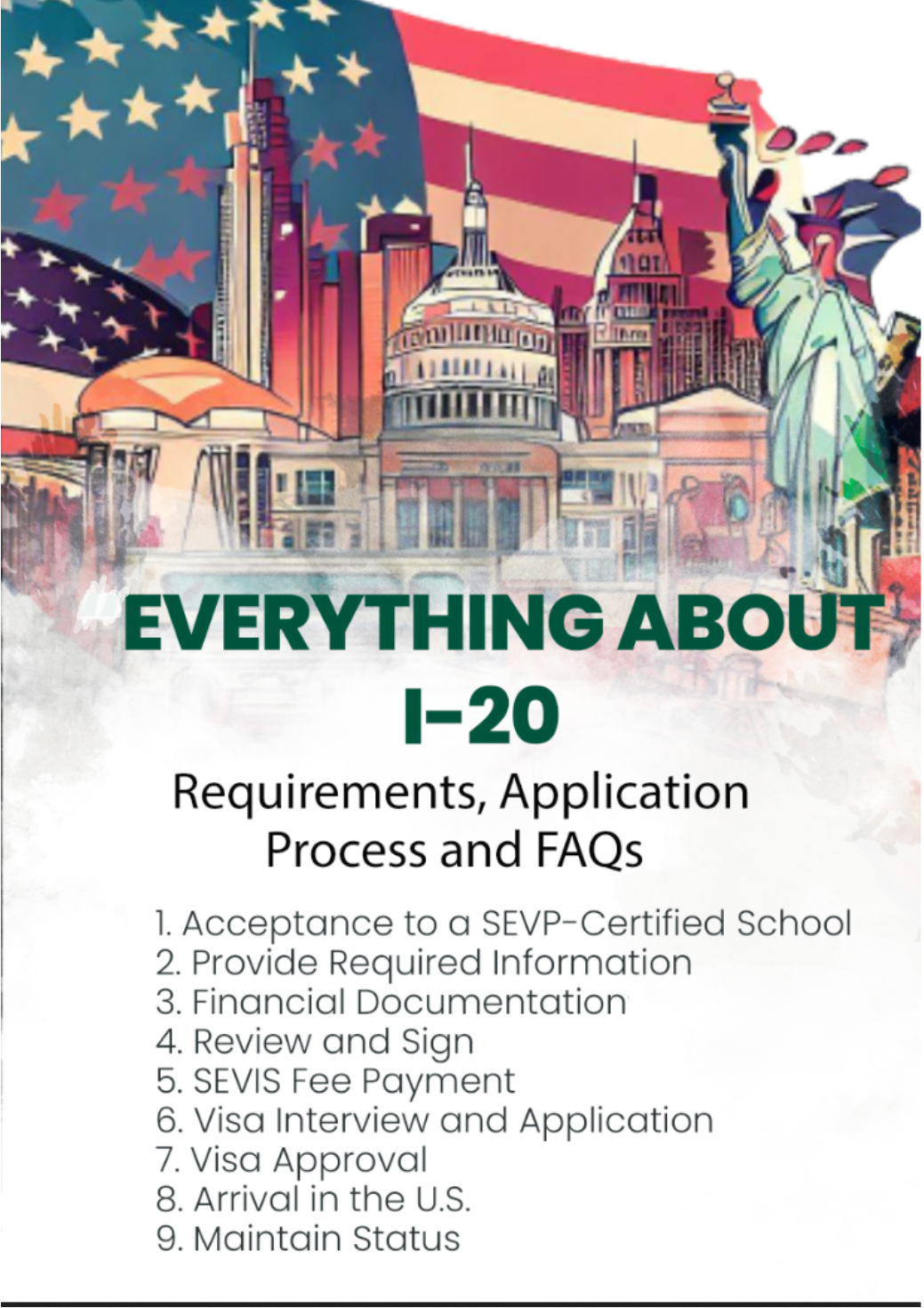
- Form I-20: The "Certificate of Eligibility for Nonimmigrant Student Status."
- Full-Time Enrollment: Proof that the student is registered for a full course of study at an SEVP-certified institution.
- Age Limits: Most student-specific plans are available for individuals between the ages of 17 and 45. Older students may need to seek specialized "Global Senior" plans.
- Geographic Presence: The coverage is usually valid only while the student is outside their "Home Country." If an F-1 student goes home for summer break, the accident coverage may be suspended or limited until they return to the U.S.
Comparison of Coverage Tiers (2026 Estimates)
| Feature | Basic (School Minimum) | Mid-Tier (Private) | Premium (Comprehensive) |
|---|---|---|---|
| Principal Sum (AD&D) | $10,000 - $25,000 | $50,000 - $100,000 | $200,000+ |
| Repatriation Benefit | $25,000 | $50,000 | Actual Expense |
| Medical Evacuation | $50,000 | $100,000 | $250,000 - $1M |
| Beneficiary | Family (Global) | Family (Global) | Family (Global) |
| Typical Monthly Cost | Included in Health Plan | $15 - $30 (as add-on) | $40 - $70 |
Note: Costs are estimates for 2026 and vary based on the student's age and specific university requirements.
Critical Exclusions and Limitations
F-1 students must be aware that accident life insurance is not "all-risk" coverage. There are specific scenarios where a claim will be denied:
- Self-Inflicted Injury: Claims involving suicide or attempted suicide are universally excluded from AD&D policies.
- High-Risk Activities: Unless a specific "rider" is purchased, injuries sustained during skydiving, hang gliding, or professional sports are often excluded. However, most student plans in 2026 do cover intramural or recreational college sports.
- Intoxication: If an accident occurs while the student is legally intoxicated or under the influence of non-prescribed controlled substances, the insurer will likely deny the claim.
- Natural Causes: As mentioned, death due to illness or disease is not covered. This is why many students choose to supplement their AD&D with a small "Term Life" policy if they have dependents.
How to Choose the Right Plan
Navigating the insurance market as an international student can be overwhelming. Follow these steps to ensure you are properly protected:
- Check the University Waiver Requirements: Before buying a private policy, see if your school allows you to "waive" the school-sponsored plan. If they do, they will provide a list of minimum requirements (e.g., $50,000 for evacuation).
- Verify the Beneficiary Process: Ensure the insurance company allows you to name a beneficiary who lives outside the United States. Some domestic-only insurers have difficulty processing international wire transfers for claims.
- Look for "Global Reach": Choose a provider like ISO, PSI, or International Student Insurance (ISI), as they specialize in the F-1 market and understand the nuances of the SEVIS system.
- Review the "Crisis Response" Rider: In 2026, many premium plans offer riders for "Political Evacuation" or "Natural Disaster Evacuation," which can be invaluable if your home country or your U.S. location faces a sudden crisis.
Filing a Claim from Abroad
If a student's family needs to file an accidental death claim, the process is inherently more complex due to the international nature of the F-1 visa. The beneficiary will typically need to provide:
- A certified copy of the death certificate (translated into English).
- The student's final I-20 and passport copies.
- A formal police report or medical examiner's report confirming the "accidental" nature of the event.
- Bank details for an international SWIFT transfer.
It is highly recommended that students keep a digital copy of their policy details in a shared folder with their parents or guardians back home, so the family knows exactly who to contact in an emergency.
FAQ
Is accident life insurance mandatory for F-1 visa holders?
While not federally mandated by U.S. law for F-1 visas (unlike J-1 visas), it is almost always mandated by the hosting university. Schools require this to ensure they are not legally or financially responsible for a student's repatriation or medical evacuation in the event of a tragedy.
Can I buy accident life insurance if I am on OPT?
Yes. Students on Optional Practical Training (OPT) are still considered F-1 visa holders. In 2026, many employers do not provide repatriation coverage in their standard employee benefits, so OPT students should maintain a private international student policy to bridge this gap.
Does it cover accidents that happen outside the U.S.?
Most international student policies provide "Worldwide Coverage," excluding your home country. If you are traveling on Spring Break to Mexico or Europe, you are typically covered. However, you must check the specific "Geographic Limits" clause in your policy.
How is the payout handled for international beneficiaries?
Payouts are usually issued via wire transfer. Because these are life insurance proceeds, they are generally tax-free in the United States, though the beneficiary should consult a tax professional in their home country regarding local regulations.
What is the difference between this and "Travel Insurance"?
Travel insurance is usually short-term (under 90 days) and focuses on trip cancellations and minor medical issues. Accident life insurance for F-1 holders is designed for long-term residency (1-4 years) and specifically targets high-limit catastrophic risks and repatriation.
Final Recommendation for 2026
For any F-1 student arriving in the U.S. in 2026, the priority should be a plan that combines high-limit Medical Evacuation ($100,000+) with Repatriation of Remains ($50,000). While you may never need to use the "Accidental Death" portion of the policy, the peace of mind it provides to your family back home is invaluable. Always verify that your policy is underwritten by a company with an A.M. Best rating of "A" or higher to ensure they have the financial stability to pay out large international claims.
Financial/Legal Disclaimer: This article is for informational purposes only and does not constitute legal or financial advice. Insurance requirements and policy terms are subject to change. Always consult with your Designated School Official (DSO) or a licensed insurance broker before making a purchase.