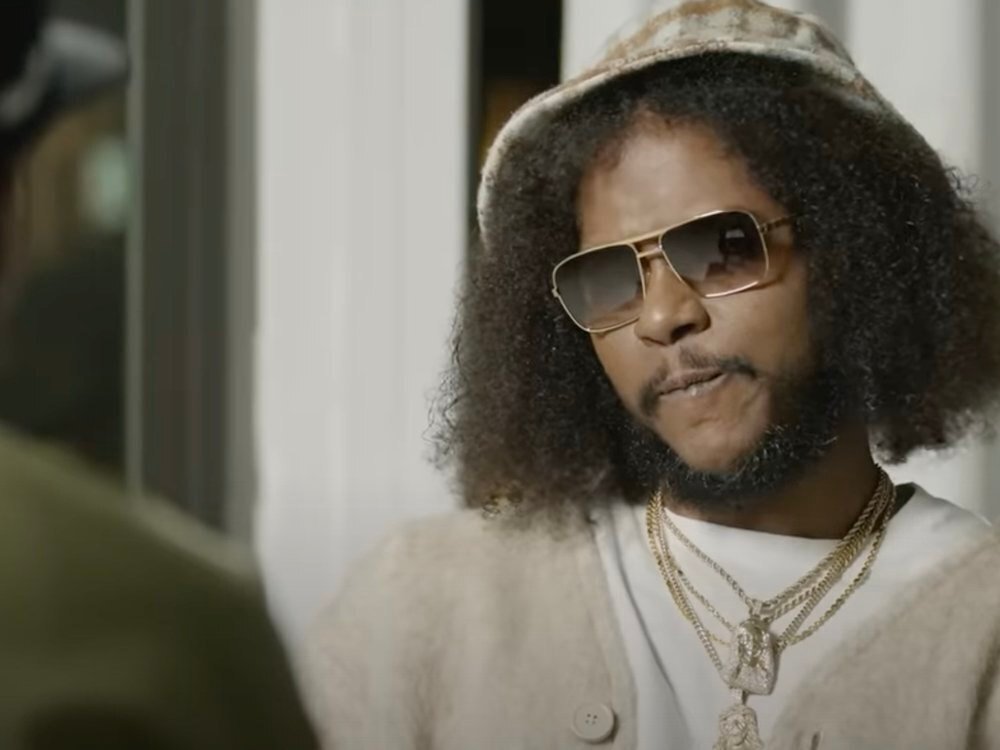
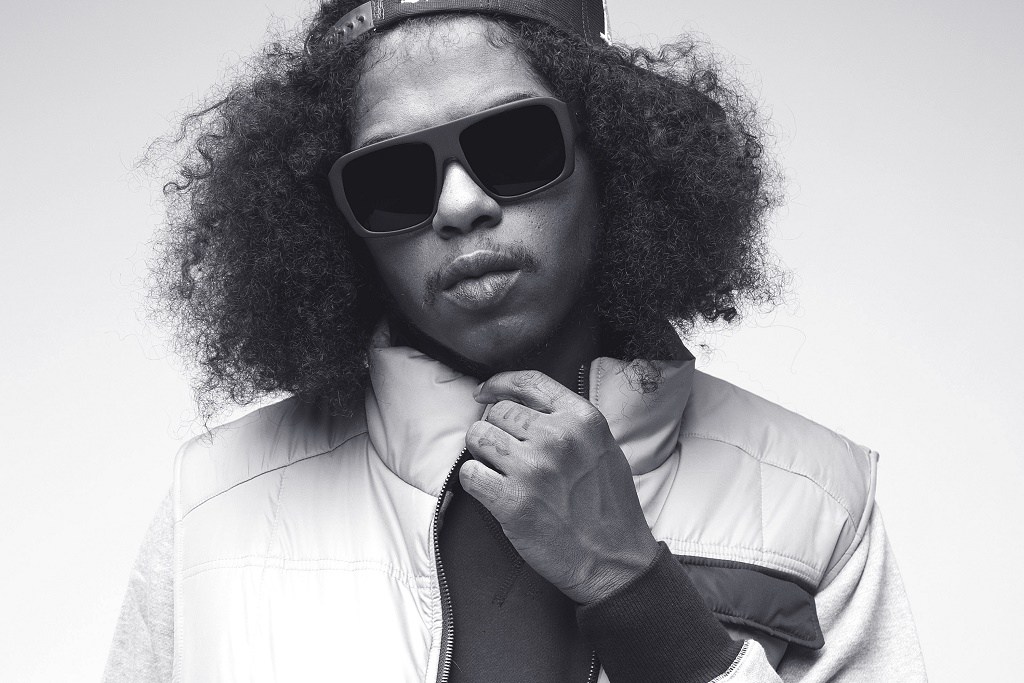
Ab-Soul, born Herbert Anthony Stevens IV, stands as one of the most enigmatic and technically proficient lyricists to emerge from the West Coast hip-hop scene. His tenure within the Top Dawg Entertainment (TDE) roster has been defined by introspective thematic complexity, a distinct "Black Lip Pastor" persona, and a decades-long commitment to dense, often cryptic, bar-heavy rap. Understanding Ab-Soul requires examining his foundational role in the TDE collective, his relationship with label leadership, and his survival through the shifting currents of the music industry.
The Origins of TDE and the Black Hippy Collective
Top Dawg Entertainment was founded by Anthony "Top Dawg" Tiffith in 2004, initially operating as an independent label out of Carson, California. As the label began to gain traction, it solidified a core group of artists who would eventually redefine the landscape of modern hip-hop. This group, known as Black Hippy, consisted of four central members: Kendrick Lamar, Jay Rock, Schoolboy Q, and Ab-Soul.
Ab-Soul joined the TDE roster in 2007, marking a pivotal moment for the label’s creative direction. While Jay Rock provided the raw street narrative and Kendrick Lamar focused on conceptual storytelling and social commentary, Ab-Soul brought a philosophical, esoteric edge. His presence in Black Hippy served as a vital counterbalance; he offered a perspective that leaned into consciousness, conspiracy theories, and vulnerability, distinguishing TDE from other labels that were predominantly focused on commercial trap or radio-friendly pop-rap formulas.
The Significance of the Black Hippy Era
Black Hippy was never a formal group with an extensive discography of studio albums, but it functioned as a vital creative engine. The members constantly featured on each other’s projects, allowing them to hone their skills in a collaborative environment. For Ab-Soul, this meant his early growth was fostered by constant competition with three of the most talented rappers of his generation. This era allowed Ab-Soul to develop his signature flow—one that frequently pivots between rapid-fire internal rhymes and slow, deliberate philosophical musings.
Defining the "Ab-Soul" Style: Technicality and Content
Ab-Soul’s artistry is categorized by a high degree of technical difficulty. Unlike rappers who prioritize simple, catchy hooks, Ab-Soul’s catalog is built on multi-syllabic rhyme schemes, complex metaphors, and references that span pop culture, history, and metaphysical inquiry.
The "Black Lip Pastor" Persona
The moniker "Black Lip Pastor" is central to understanding his public identity. It reflects a dual nature: the "Black Lip" refers to a condition (Stevens-Johnson syndrome) that affected his lips at a young age, while "Pastor" implies a role as a truth-seeker or guide. This identity frames his music not just as entertainment, but as a form of intellectual examination. He often addresses themes of:
- Existentialism: Questioning the nature of life, death, and the soul.
- Sociopolitical Critiques: Analyzing systemic inequality through a lens of history and black experience.
- Personal Trauma: Candidly discussing the loss of his partner, Alori Joh, which colored much of his middle-career output.
Essential Discography within the TDE Framework
To truly "explain" Ab-Soul in the context of TDE, one must look at his major project releases. Each album represents a shift in his growth and his relationship with the label’s infrastructure.
| Album Title | Release Year | Key Significance |
|---|---|---|
| Longterm Mentality | 2011 | Established his foundational sound and independent status. |
| Control System | 2012 | Widely considered his magnum opus; solidified his cult following. |
| These Days... | 2014 | A pivot toward more diverse sounds and broader commercial appeal. |
| Do What Thou Wilt. | 2016 | Explored darker, more confrontational themes; deeper focus on feminism and chaos. |
| Herbert | 2022 | A return to his roots; a more personal and reflective project after a long hiatus. |
Control System remains the most cited example of his peak performance. It displayed a level of lyricism that pushed TDE’s reputation for "lyrical rap" to the forefront of the national conversation, cementing the label's prestige in critical circles.
The Dynamics Between Ab-Soul and TDE Management
The relationship between artists and label heads is rarely static, and Ab-Soul’s history with Top Dawg is no exception. While TDE gained notoriety for the massive success of Kendrick Lamar, Ab-Soul maintained a position as an "artist’s artist." His career path highlights the reality of being signed to a label that simultaneously manages global superstars and cult-favorite lyricists.
Creative Freedom and Challenges
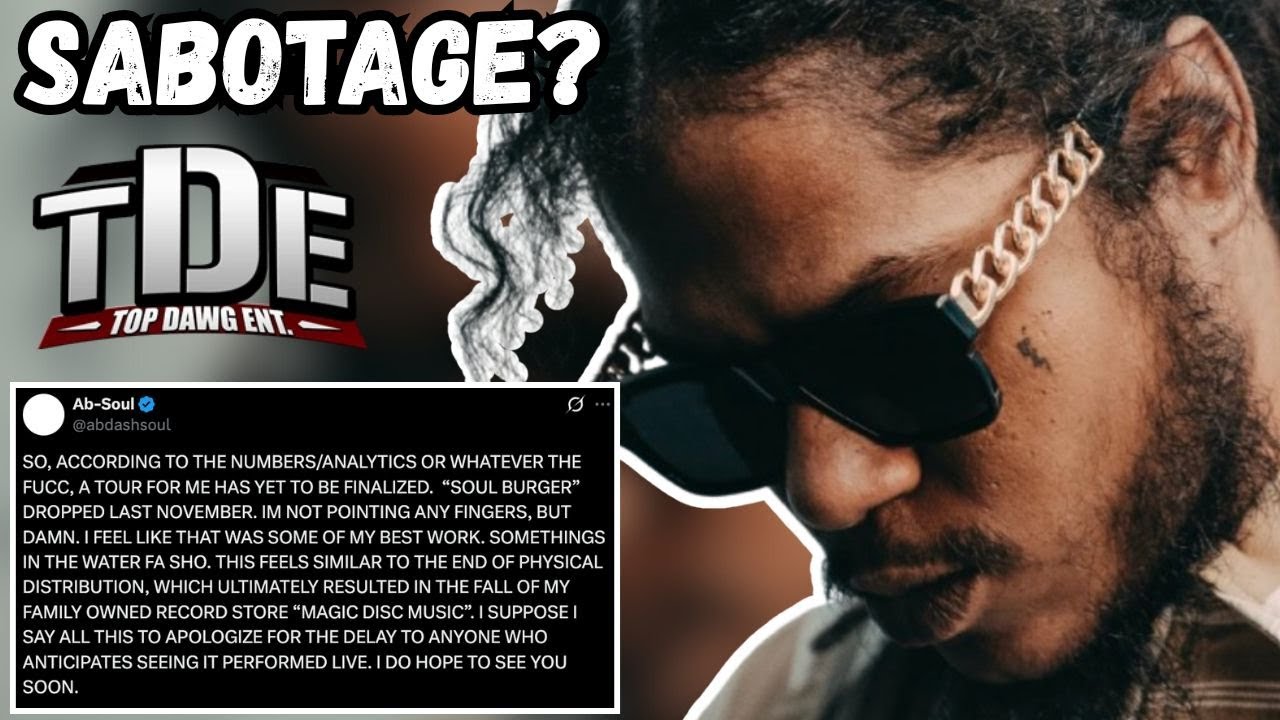
Ab-Soul has often spoken about the creative freedom granted by TDE, noting that the label generally allowed the members of Black Hippy to pursue their own conceptual visions. However, the business side of the music industry—specifically the long wait times between albums—has been a recurring point of frustration for fans.
Throughout the late 2010s and early 2020s, Ab-Soul faced long hiatuses. These periods were marked by personal challenges and a period of re-evaluating his creative purpose. Unlike labels that force annual releases to keep revenue flowing, TDE’s model, while criticized for its slow pace, arguably allowed Ab-Soul to release projects that felt fully realized rather than churned out for engagement metrics.
Evolution of the TDE Label Environment
By 2026, the structure of TDE has shifted significantly. With the departure of high-profile acts like Kendrick Lamar to focus on his own ventures (pgLang), the label entered a transition phase. For Ab-Soul, this meant stepping into a more senior role within the organization.
The "TDE experience" for a fan involves understanding that the label functions more like a family-run ecosystem than a corporate machine. The synergy between the artists—often referred to as "The TDE Family"—is what created the distinct West Coast sound of the 2010s. Even as the roster changes, Ab-Soul remains a connective thread, bridging the early independent days with the current iteration of the label.
Common Questions Regarding Ab-Soul and TDE
Why is Ab-Soul often associated with conspiracy theories in his music?
Ab-Soul uses conspiracy theories—such as those surrounding the Illuminati, government surveillance, and ancient history—as metaphors for deeper systemic control. He is less concerned with the literal truth of the theories than he is with using them to describe how he feels controlled or oppressed by modern society.
Did Ab-Soul ever leave TDE?
No. Despite rumors and periods of inactivity, Ab-Soul has remained a consistent member of the Top Dawg Entertainment roster since he first signed. He is one of the few artists who stayed with the label through its entire rise from an independent startup to a major industry force.
What is the "Longterm" series?
The "Longterm" project series—starting with Longterm (2009) and Longterm 2: Lifestyles of the Broke and Famous (2010)—were pivotal mixtapes that predated his major studio albums. They introduced his flow to the underground hip-hop community and provided the blueprint for the more polished work he would later release under TDE.
How does Ab-Soul’s lyrical style compare to other TDE artists?
Where Kendrick Lamar is theatrical and narrative-driven, and Schoolboy Q is gritty and rhythmic, Ab-Soul is dense and cerebral. He is the "writer's rapper" of the group, prioritizing rhyme patterns and multi-layered meanings over traditional song structure.
What was the impact of the album Herbert on his career?
Released in 2022, Herbert was seen as a "reset" button. After the high-concept, often aggressive nature of Do What Thou Wilt. and the years of silence that followed, Herbert saw Ab-Soul dropping the "Black Lip Pastor" persona to deliver a more vulnerable, autobiography-heavy project that re-engaged his core fan base.
Practical Next Steps for Listeners
To fully appreciate Ab-Soul’s contribution to TDE, new listeners should avoid starting with his most recent work. Instead, follow a chronological path:
- Begin with Control System: This is the essential baseline for his lyricism.
- Explore the Black Hippy features: Seek out tracks like "Zip That Chop That" or "Constipation" to hear his chemistry with his label mates.
- Analyze Herbert: This provides the necessary modern context to see how his style has evolved from his early days.
By treating his discography as a cohesive narrative—one that moves from the hunger of an unknown rapper in Carson to the seasoned veteran of a legacy label—the listener can grasp the true significance of the Ab-Soul and TDE partnership. He stands as a testament to the fact that, in the right environment, an artist can maintain their core identity for nearly two decades without succumbing to the pressure to dilute their message for mass-market appeal.