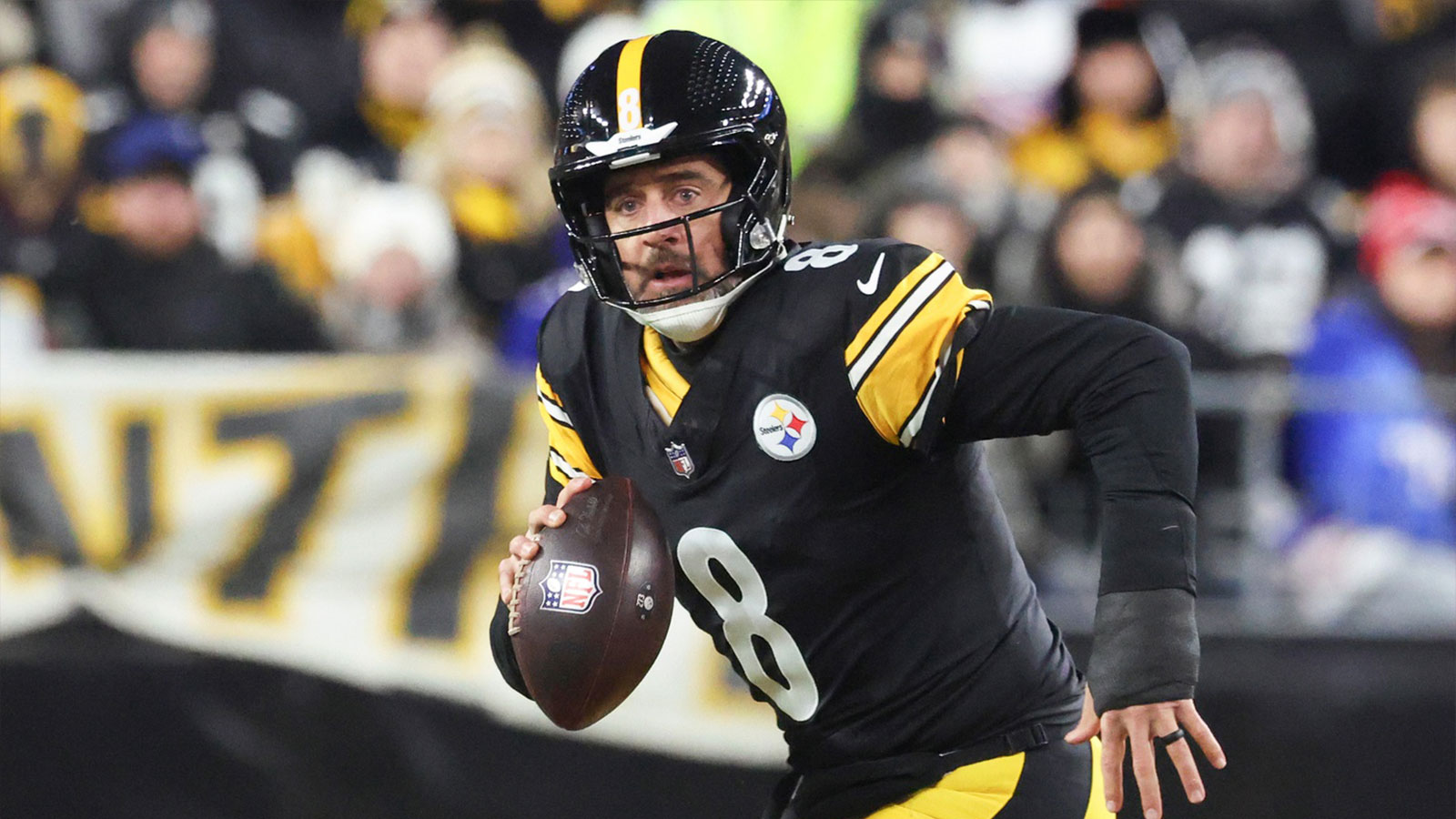
Aaron Rodgers was born on December 2, 1983, in Chico, California, making his birth date a notable calendar marker for millions of National Football League fans worldwide. This date coincides with his enduring legacy as one of the most prolific and debated quarterbacks in modern professional football history, bridging a career spanning over two decades from his collegiate days at California to decorated tenures with the Green Bay Packers and the New York Jets.
Early Life and Background in Chico, California
Aaron Charles Rodgers entered the world on December 2, 1983, in Chico, California, born to Darrel and Edythe Rodgers. Growing up in Northern California, sports became a central focus of his daily life at an early age. His father, Darrel, had played offensive line for Chico State University, instilling an early appreciation for the structural discipline required in football.
During his formative years, Rodgers attended Pleasant Valley High School in Chico. While he showed immense athletic potential, his physical development during his early high school tenure was modest. By the time he reached his senior year, however, a growth spurt and rigorous physical training transformed him into a standout pocket passer. Despite setting multiple school records and showcasing exceptional accuracy, major collegiate athletic programs largely overlooked him during the recruiting process, attributing his lack of Division I offers to his slender frame and unpolished recruiting profile.
Collegiate Journey: Butte College and University of California, Berkeley
Faced with limited immediate opportunities out of high school, Rodgers enrolled locally at Butte College in Oroville, California, in 2002. This junior college detour served as the crucible for his athletic maturation. Under the guidance of head coach Craig Rundle, Rodgers orchestrated a dominant freshman season, throwing for 2,405 yards and 26 touchdowns. His precise decision-making and arm talent immediately captured the attention of major scouts who had previously ignored him.
Following his standout junior college campaign, head coach Jeff Tedford of the University of California, Berkeley, recruited Rodgers to play for the California Golden Bears. Transitioning to the Division I level, Rodgers quickly established himself as a dominant force in the Pac-10 Conference.
Key Collegiate Achievements at Cal
- Single-Game Completion Record: Tied an NCAA record by completing 23 consecutive passes against the University of Southern California (USC) in 2003.
- Efficiency and Poop-Readiness: Led the Golden Bears to a top-tier national ranking, finishing his collegiate career with a high completion percentage and a remarkably low interception rate.
- Academic and Athletic Leadership: Balanced rigorous Pac-10 competition with his studies, earning recognition for his preparedness and on-field leadership.
His success at Berkeley validated his skill set and positioned him as one of the top quarterback prospects for the upcoming professional draft, setting the stage for his entry into the National Football League.
NFL Draft and the Green Bay Packers Era
The 2004 and 2005 NFL draft processes introduced a historic moment in football lore. On April 23, 2005, the San Francisco 49ers held the first overall pick and opted to select quarterback Alex Smith instead of Rodgers, who had grown up a fan of the 49ers in Northern California. Rodgers slid down the first round until the Green Bay Packers selected him with the 24th overall pick.
This draft-night slide initiated a legendary three-year apprenticeship behind Pro Football Hall of Fame quarterback Brett Favre. Rather than stepping onto the field immediately, Rodgers spent his early professional seasons refining his mechanics, mastering complex playbooks under head coach Mike McCarthy, and observing the weekly preparation habits required of an elite professional signal-caller.
Ascension to Starter and Super Bowl XLV Triumph
When Brett Favre departed Green Bay in 2008, Rodgers stepped into the starting role. His early years as a starter were marked by statistical brilliance, culminating in the 2010 NFL season. That year, Rodgers navigated the Packers through a demanding playoff run as a wildcard seed, culminating in a 31-25 victory over the Pittsburgh Steelers in Super Bowl XLV. Rodgers earned Super Bowl MVP honors, completing 24 of 39 passes for 304 yards and three touchdowns.
Individual Accolades and Records in Green Bay
Over his 15 seasons as the primary starter in Green Bay, Rodgers cemented his status as an all-time great through numerous individual accomplishments:
- Most Valuable Player (MVP) Awards: Secured four NFL MVP awards (2011, 2014, 2020, and 2021), placing him second all-time in league history behind only Peyton Manning.
- Passer Rating Mastery: Consistently led the league in passer rating, yards per attempt, and touchdown-to-interception ratio, frequently setting the all-time benchmark for career passer rating.
- Clutch Performance: Developed a reputation for game-winning drives and late-game heroics, including multiple "Hail Mary" completions that entered sports lore.
Transition to the New York Jets and Later Career
Following prolonged offseason speculation regarding his future in Wisconsin, the Green Bay Packers traded Rodgers to the New York Jets on April 26, 2003—though the formal blockbuster trade shifted the landscape of the American Football Conference (AFC) for the 2023 season. The move generated immense media attention and heightened expectations for a storied franchise seeking a championship pedigree.
However, the opening chapter of his New York tenure faced immediate adversity. On September 11, 2023, just four snaps into his regular-season debut against the Buffalo Bills, Rodgers suffered a torn left Achilles tendon, abruptly ending his debut campaign.
Following intensive rehabilitation, Rodgers returned to the field for the 2024 NFL season, resuming his role as the leader of the Jets offense. His continued presence in the league underscores his resilience, physical longevity, and adaptation to evolving offensive schemes deep into his professional career.
| Career Phase / Milestone | Timeline / Date | Primary Significance |
|---|---|---|
| Birth | December 2, 1983 | Born in Chico, California. |
| Collegiate Career | 2002–2004 | Developed at Butte College and UC Berkeley; set completion records. |
| NFL Draft | April 23, 2005 | Selected 24th overall by the Green Bay Packers. |
| Super Bowl XLV Victory | February 6, 2011 | Won Super Bowl championship and MVP honors against Pittsburgh. |
| Fourth MVP Award | 2021 NFL Season | Secured his fourth league MVP honor, tying elite historical company. |
| New York Jets Tenure | 2023–Present | Transitioned to the AFC following a trade; overcame an Achilles injury to return to active play. |
Cultural Impact, Media Presence, and Off-Field Interests
Beyond his on-field achievements, Aaron Rodgers occupies a unique space in contemporary popular culture. Known for his intellectual curiosity, analytical approach to football strategy, and candid media appearances, he frequently engages public discourse on topics ranging from sports science and holistic health to philosophy and alternative media.
His regular appearances on sports talk platforms, such as his weekly segments on The Pat McAfee Show, provide fans with granular insight into quarterback reads, weekly preparation routines, and the psychological demands of playing professional sports at a high level. Furthermore, his contract negotiations, off-season conditioning regimens, and public commentary routinely dominate sports news cycles, reflecting his status as one of the most recognizable figures in American sports.
Frequently Asked Questions
When is Aaron Rodgers' birthday?
Aaron Rodgers was born on December 2, 1983. This date marks his birth anniversary every year, celebrated by fans and sports analysts alike as a milestone in the life of the multi-time MVP quarterback.
How many MVP awards has Aaron Rodgers won?
Aaron Rodgers has won four NFL Most Valuable Player (MVP) awards, capturing the honor in the 2011, 2014, 2020, and 2021 seasons. This achievement places him in an elite tier of historical quarterbacks with multiple league MVP titles.
What colleges did Aaron Rodgers attend before the NFL?
Rodgers initially attended Butte College in Oroville, California, for the 2002 season before transferring to the University of California, Berkeley, where he played for the California Golden Bears from 2003 to 2004 under head coach Jeff Tedford.
Which teams has Aaron Rodgers played for in the NFL?
Rodgers has played for two primary NFL franchises. He spent his first 18 seasons with the Green Bay Packers (2005–2022) before being traded to the New York Jets, where he began playing during the 2023 and subsequent seasons.
Did Aaron Rodgers win a Super Bowl?
Yes, Aaron Rodgers won Super Bowl XLV on February 6, 2011. He led the Green Bay Packers to a 31-25 victory over the Pittsburgh Steelers and was named the game's Most Valuable Player.
Conclusion and Next Actions
Understanding the timeline and career trajectory of Aaron Rodgers offers valuable context for appreciating his longevity in professional sports. To explore his career further, followers can examine official NFL historical archives, review game-by-game statistical breakdowns on league databases, or monitor sports journalism platforms for ongoing updates regarding his active playing status and post-career outlook.