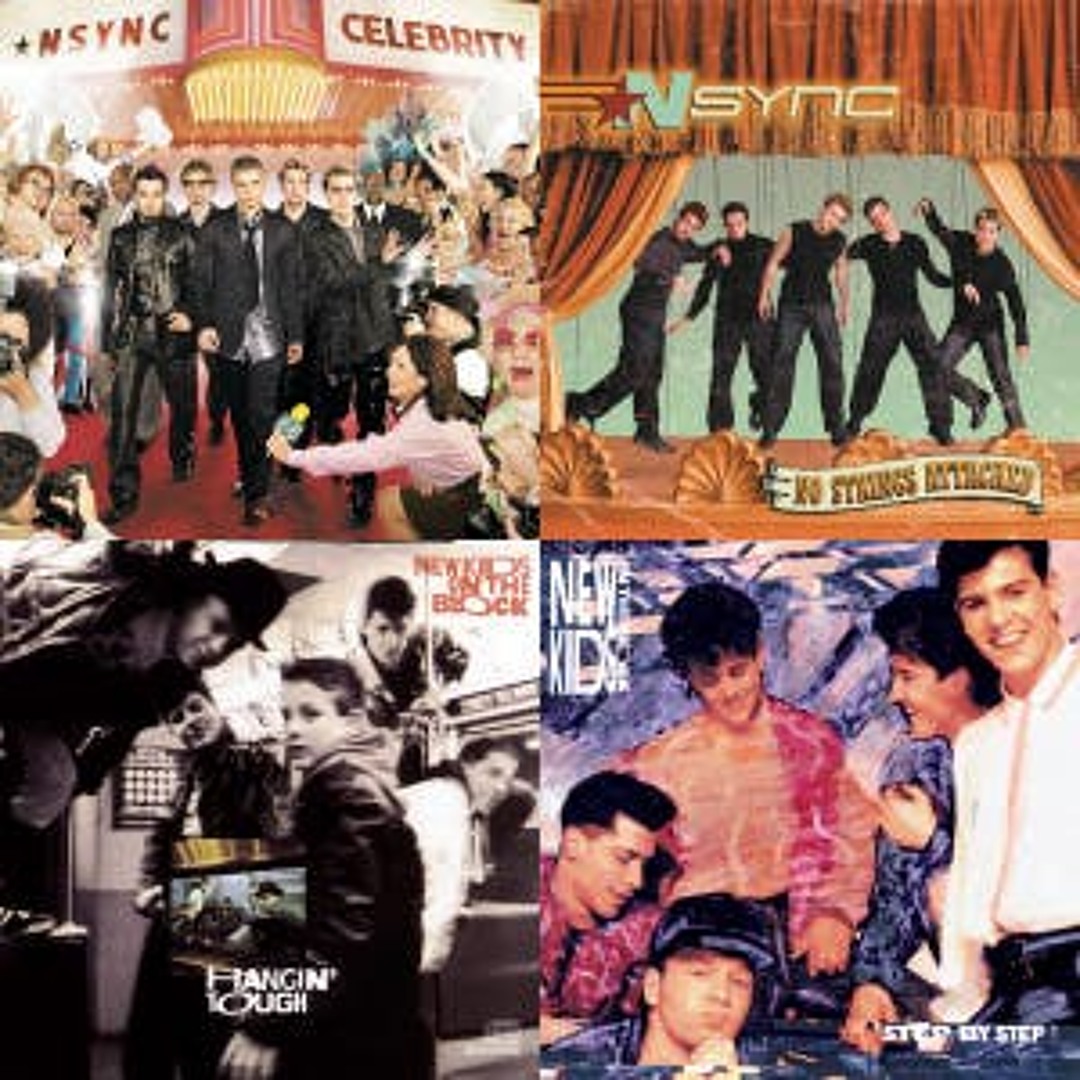
The relationship between 90s boy bands and Menudo is defined by a foundational blueprint: Menudo established the "perpetual youth" business model in 1977, which served as the structural precursor to the 90s pop explosion. While groups like the Backstreet Boys and *NSYNC focused on fixed lineups and vocal harmonies, they adopted the aggressive global marketing and "brand-over-member" loyalty strategies first pioneered by Menudo’s management.
The Menudo Archetype: The Original Boy Band Blueprint
To understand the cultural impact of 90s boy bands, one must first examine the Puerto Rican phenomenon known as Menudo. Founded in 1977 by producer Edgardo Díaz, Menudo was not just a musical group; it was a rotating franchise. The core innovation—and its most controversial aspect—was the mandatory retirement rule. Members were replaced upon reaching the age of 16, experiencing a change in voice, or growing too tall.
This model ensured the "Menudo" brand remained eternally adolescent, catering to a specific demographic without the "risk" of the artists maturing alongside their audience. By the time the 1990s arrived, the music industry had observed how Menudo successfully commercialized every aspect of the group, from lunchboxes to soap operas. While 90s American boy bands eventually moved away from the rotating-member requirement, they retained the "Svengali" management style where a single producer or manager (like Lou Pearlman) exercised near-total control over the group’s image, sound, and finances.
The 90s Expansion: Refining the Formula
As the calendar turned to the 1990s, the boy band concept evolved from the "disposable member" model of Menudo toward a "fixed personality" model. New Kids on the Block (NKOTB) acted as the bridge, proving that a group of distinct individuals could generate massive revenue through the same merchandise-heavy strategies Menudo used in the 1980s.
However, the late 90s—specifically the era of the Backstreet Boys (BSB) and *NSYNC—marked the pinnacle of this cultural cross-reference. These groups took Menudo’s template of synchronized choreography and high-energy pop but infused it with sophisticated Swedish production (led by Max Martin and Denniz Pop) and urban R&B vocal structures.
Key Similarities in Marketing and Fan Engagement
- Demographic Targeting: Both Menudo and 90s bands targeted the "tween" and teen female demographic with surgical precision.
- Multimedia Presence: Menudo starred in films like Una Aventura Llamada Menudo; similarly, 90s groups dominated MTV’s Total Request Live (TRL), effectively turning a music video countdown into a daily infomercial.
- Global Localization: Menudo recorded albums in Spanish, English, Portuguese, Italian, and Tagalog to conquer international markets. In the 90s, BSB and *NSYNC followed suit, often launching their careers in Europe or Asia before attempting to break the US market.
Management Styles: Edgardo Díaz vs. Lou Pearlman
A cross-reference of these eras reveals a striking similarity in the "Architect" behind the scenes. Edgardo Díaz (Menudo) and Lou Pearlman (Backstreet Boys, *NSYNC) both viewed the boy band as a manufactured product rather than a spontaneous artistic gathering.
Díaz’s management was characterized by strict discipline and a focus on the brand's longevity over individual artist welfare. Decades later, Pearlman adopted a similar approach, creating a "boy band factory" in Orlando, Florida. Pearlman’s Trans Continental Records treated artists as employees of a corporate entity. This led to famous legal battles in the late 90s and early 2000s, as members of BSB and *NSYNC sued Pearlman for "unfair and fraudulent" contracts—echoing many of the grievances former Menudo members voiced regarding their compensation and treatment during their tenure.
The Ricky Martin Bridge: Connecting the Eras
The most direct cultural link between Menudo and the 90s boy band craze is Ricky Martin. Martin joined Menudo in 1984 during its peak and stayed until 1989. His transition from a "franchise player" in a boy band to a solo global superstar in 1999 (the "Latin Explosion") provided the industry with a roadmap for how to market a former boy band member as a mature, solo artist.
Without the foundation Martin laid in Menudo, and his subsequent solo crossover success with "Livin' la Vida Loca," the path for Justin Timberlake to transition from *NSYNC to a solo career might have looked significantly different. Martin proved that the boy band "stigma" could be overcome through a combination of global appeal and high-production-value performances.
Musical Architecture and Performance Standards
While Menudo’s early music was largely bubblegum pop and soft rock, 90s boy bands were heavily influenced by the New Jack Swing movement and R&B groups like Boyz II Men. However, the performance standard remained consistent across both eras: the "Triple Threat" requirement.
- Vocal Harmony: Members were expected to execute complex harmonies, often with a clear lead singer and "character" archetypes (the rebel, the shy one, the heartthrob).
- Choreography: Precise, synchronized dancing became the visual hallmark. Menudo’s "Súbete a mi Moto" choreography was a precursor to the elaborate, stadium-filling routines of *NSYNC’s "Bye Bye Bye."
- Visual Aesthetics: Both eras prioritized "clean-cut" but fashionable looks that could be easily translated into posters and trading cards.
Comparison of Key Boy Band Entities
The following table compares the structural and commercial elements of Menudo against the two most dominant 90s boy bands.
| Feature | Menudo (Golden Era) | Backstreet Boys | *NSYNC |
|---|---|---|---|
| Active Period | 1977–1990s (Peak) | 1993–Present | 1995–2002 |
| Member Model | Rotating (Age-based) | Fixed Lineup | Fixed Lineup |
| Primary Genre | Latin Pop / Rock | R&B-infused Pop | Dance-Pop / R&B |
| Key Architect | Edgardo Díaz | Lou Pearlman | Lou Pearlman |
| International Strategy | Multi-language recordings | European launch first | European launch first |
| Defining Hit | "Súbete a mi Moto" | "I Want It That Way" | "Bye Bye Bye" |
| Alumni Success | Ricky Martin, Draco Rosa | Nick Carter (Solo/TV) | Justin Timberlake |
The Global Impact: From Puerto Rico to the World
Menudo’s success in the 1980s was a masterclass in global penetration. They were massive in Brazil, the Philippines, and across Latin America long before "globalization" became a music industry buzzword. By the 1990s, the infrastructure for global tours and international fan clubs was well-established.
When 90s boy bands emerged, they utilized this pre-existing global appetite. The Backstreet Boys, for instance, became stars in Germany and Canada before they were household names in the United States. This "outside-in" approach was a direct evolution of the Menudo playbook. The cross-reference here is clear: Menudo proved that a boy band could be a global export, and the 90s groups scaled that model to unprecedented heights using the burgeoning power of satellite television and the early internet.
Looking Back from 2026: The Enduring Legacy
As we evaluate these legacies in 2026, it is evident that the "Menudo-to-90s" pipeline created the template for modern pop music. The current landscape of K-pop, for example, shares more DNA with Menudo’s highly disciplined, trainee-based, rotating-member systems than it does with the traditional American rock band model.
The 90s groups provided the "humanized" version of this model, where the members’ individual personalities became as important as the music. Today, nostalgia tours and documentaries (such as those exploring the rise and fall of Lou Pearlman) continue to draw massive audiences, proving that the cultural impact of these manufactured groups was far more than a passing trend. They were the architects of modern celebrity culture.
Common Pitfalls and Misconceptions
When cross-referencing these two eras, critics often make the mistake of viewing 90s bands as "more authentic" than Menudo because their members didn't change every three years. In reality, both were products of intense corporate grooming.
- The "Talent" Myth: There is a common misconception that Menudo members were not talented because they were replaceable. In truth, many were classically trained or went on to become award-winning songwriters (e.g., Draco Rosa).
- The "Manufacturing" Critique: Conversely, 90s bands are often dismissed as "talentless puppets." However, the vocal arrangements on 90s pop albums required significant technical skill, particularly in the a cappella performances popularized by groups like 98 Degrees and *NSYNC.
Frequently Asked Questions
Was Menudo technically a 90s boy band?
While Menudo existed throughout the 90s (even briefly changing their name to MDO in 1997), their "Golden Era" was the 1980s. However, their influence and the success of their alumni (like Ricky Martin) were foundational to the 90s pop scene. MDO represented an attempt to adapt to the 90s "fixed member" style by moving away from the mandatory retirement age.
Who was the most successful member to come out of this era?
From a global commercial perspective, Ricky Martin (Menudo) and Justin Timberlake (*NSYNC) are the two most successful alumni. Both used the boy band platform to launch massive solo careers that spanned music, film, and business.
Why did the 90s boy band era eventually end?
The era peaked around 2001 and declined due to a combination of factors: the rise of teen pop-punk and emo music, the saturation of the market with "copycat" groups, and the transition of key members into solo careers. Additionally, the Lou Pearlman legal scandals cast a shadow over the industry's management practices.
How did Menudo's "16 and out" rule work?
The rule was strictly enforced to keep the group's image youthful. When a member turned 16, their voice changed, or they grew too tall, a replacement was already waiting in the wings. This turned the group into a brand that was larger than any individual, a concept that modern pop franchises still emulate in various forms.
What was the "Latin Explosion" of 1999?
This was a cultural shift in the late 90s where Latin artists like Ricky Martin, Enrique Iglesias, and Marc Anthony achieved massive crossover success on the English-language charts. Ricky Martin's background in Menudo was a key talking point during this era, linking the boy band history of the 80s to the pop dominance of the 90s.
Are there any modern groups that still follow the Menudo model?
In the Western market, the "rotating member" model is rare for boy bands. However, in Japan and South Korea, groups like AKB48 or various K-pop units often use "graduation" systems or sub-units that are very similar to the original Menudo blueprint.
Practical Recommendation: Understanding the History
For those looking to explore this cultural cross-reference further, the best next action is to view the 2022 documentary series Menudo: Forever Young alongside the various retrospectives on the Orlando pop scene of the late 90s. Comparing the firsthand accounts of former members reveals the shared pressures and triumphs of being part of a "pop machine." Understanding that 90s boy bands were a refinement of a pre-existing Latin American business model provides a much richer perspective on the history of global pop music.