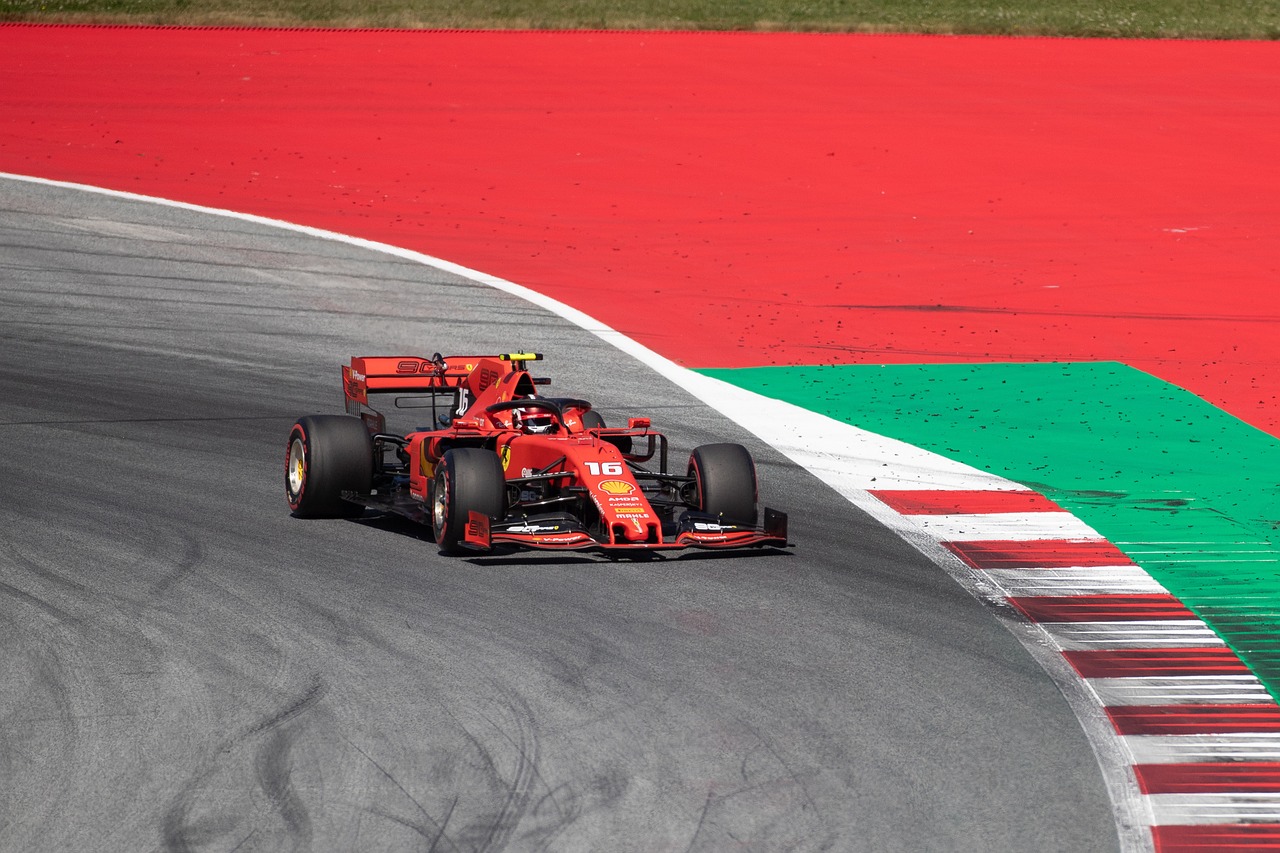
Formula 1 drivers do not wear diapers; instead, they manage extreme physiological challenges through rigorous pre-race hydration planning, specialized high-tech cooling undergarments, and advanced race suit material designs. While the intense G-forces, heat, and physical exertion can create severe biological urgency, professional racing protocols and physical conditioning render adult diapers entirely unnecessary in top-tier motorsport competition.
The question of whether Formula 1 drivers wear diapers is one of the most enduring urban legends in motorsport history. Casual fans and curious spectators frequently wonder how athletes manage biological needs while enduring two hours of extreme physical stress without a single pit stop to use a restroom.
To understand the reality behind how F1 drivers handle physiological demands inside the cockpit, it is necessary to separate motorsport myth from engineering fact. Below is a detailed examination of the physical realities, the training regimes, and the cockpit technology that make the diaper myth false.
1. The Origin of the F1 Diaper Rumor
The persistent rumor that Formula 1 drivers wear diapers stems from a misunderstanding of the extreme conditions endurance racing drivers face during events like the 24 Hours of Le Mans. In long-distance sports car racing, where multiple drivers share a single car across stints lasting several hours, emergency relief measures have occasionally been discussed or utilized by amateur or semi-professional drivers. However, even in endurance racing, top-tier professionals rarely resort to wearing adult diapers.
In Formula 1, Grands Prix are strictly limited in duration. By FIA (Fédération Internationale de l'Automobile) sporting regulations, a race cannot exceed a maximum duration of two hours if run continuously, or three hours if red-flagged and suspended. Because a standard Grand Prix lasts between 90 minutes and two hours, the time window is short enough for drivers to manage their biological processes before the starting lights go out. The physiological strain is immense, but the duration is finite compared to endurance racing.
Furthermore, the packaging of a modern Formula 1 cockpit leaves zero margin for error or bulky additions. A driver's survival cell is custom-molded to their exact body shape using a resin-injected seat insert. Every millimeter of space is accounted for to optimize weight distribution and vehicle dynamics. Wearing a bulky, absorbent undergarment would disrupt the precise seating position, interfere with safety harness tension, and create dangerous friction points under high lateral G-forces.
2. Extreme Dehydration Eliminates the Need
The primary physiological reason Formula 1 drivers do not need to use the bathroom during a race is profound, calculated dehydration. Driving an F1 car is an elite athletic endeavor that pushes the human body to its absolute limits, particularly regarding thermal regulation and fluid loss.
During a typical Grand Prix, a driver can lose anywhere from 2 to 4 kilograms (4.4 to 8.8 pounds) of body weight entirely through sweat. Ambient temperatures inside the cockpit routinely exceed 50 degrees Celsius (122 degrees Fahrenheit), and the cardiovascular workload is equivalent to running a marathon while wearing a weighted vest and experiencing heavy resistance training.
This massive fluid loss means that the body's kidneys and bladder retain minimal liquid during the event. Drivers carefully monitor their hydration status with sports scientists and nutritionists in the hours leading up to the race. They consume precise amounts of water and electrolyte solutions to maintain peak cognitive function and muscular performance, but they deliberately stop drinking a specific interval before the formation lap begins to ensure their bladders are entirely empty when they take their grid positions.
3. Specialized Cooling Undergarments and Nomex Suits
While drivers do not wear diapers, they do wear a sophisticated array of specialized base layers beneath their fire-resistant outer suits. These garments serve critical safety and thermal management functions rather than biological containment.
The primary layer consists of Nomex underwear, balaclavas, and socks designed to withstand intense heat and provide crucial seconds of fire protection in the event of an accident. Nomex is a meta-aramid material that does not melt or drip when exposed to flame. Over the years, advancements in fabric technology have introduced moisture-wicking and phase-change materials into these base layers.
| Garment Layer | Primary Material | Primary Function |
|---|---|---|
| Outer Race Suit | Multi-layer Nomex | Flame resistance, abrasion protection, sponsor display |
| Underwear / Balaclava | Nomex / Advanced Aramids | Thermal insulation, fire barrier, sweat management |
| Cooling Vest | Integrated Tubing / Phase-Change | Core body temperature regulation, heat exhaustion mitigation |
| Seat Insert | Carbon Fiber / Custom Resin | Ergonomic support, G-force absorption, secure positioning |
Modern drivers also utilize advanced cooling vests during qualifying and hot-weather races, though these systems must balance cooling efficiency with weight limits. These garments help manage the extreme core temperatures that can lead to heatstroke, dizziness, and cognitive decline—all of which are far more immediate safety concerns for an F1 driver than bladder control.
4. The Physics of Cockpit G-Forces and Ergonomics
The interior of an F1 cockpit is an intensely hostile environment for any foreign object or improper garment. Drivers experience lateral G-forces of up to 5G through high-speed corners like Copse at Silverstone or Turn 8 in Istanbul. This means their heads and bodies are subjected to a force five times their normal body weight, pushing them violently sideways against the cockpit wall.
Under these conditions, every piece of equipment must be locked securely in place. A loose garment, a bulky seam, or an absorbent pad could shift under high G-loads, creating chafing, blistering, or distractions that could cause a driver to miss a braking point by a fraction of a second. Safety harnesses are pulled extremely tight by mechanics before every session to ensure the driver's body is completely fixed to the survival cell, transferring vehicle telemetry directly to the driver's core.
A diaper or absorbent pad would introduce an unstable interface between the driver's body and the carbon-fiber seat insert. This instability would degrade the driver's "seat-of-the-pants" feel—the critical tactile feedback professional racers rely on to detect rear-end slides, loss of traction, and chassis behavior.
5. Pre-Race Protocols and Bladder Management
Formula 1 drivers approach race preparation with the meticulousness of fighter pilots or Olympic gymnasts. Their daily routines, dietary intakes, and biological schedules are managed down to the minute on Grand Prix weekends.
Hours before the race, drivers undergo physical warm-ups, vision training, and cognitive exercises. Concurrently, they follow strict nutritional protocols designed to optimize energy levels while minimizing gastrointestinal distress. Heavy foods, high-fiber meals, and excessive fluid intake are strictly avoided in the final hours before stepping into the garage.
| Preparation Stage | Timing Before Race | Primary Action / Focus |
|---|---|---|
| Nutritional Window | 3 – 4 hours prior | Complex carbohydrates, easily digestible proteins, controlled fluids |
| Hydration Cessation | 90 minutes prior | Stop heavy fluid intake; final controlled sips of electrolytes |
| Final Restroom Break | 30 – 45 minutes prior | Complete evacuation immediately before donning balaclava and helmet |
| Grid Concentration | 15 minutes prior | Final mental focus, physical warm-up, harness adjustment |
By synchronizing their biological clock and executing a final restroom visit immediately before putting on their helmets and driving suits, drivers successfully eliminate the risk of needing relief during the 90-minute race window.
6. What Happens If Nature Calls Anyway?
In extreme scenarios where a driver experiences unexpected illness, severe food poisoning, or acute stomach issues during a Grand Prix, the reality is stark: they must either push through the discomfort or retire the car.
There are well-documented historical anecdotes of drivers vomiting inside their helmets during races due to extreme physical exhaustion, heat, or high G-forces. When this occurs, the driver must continue driving at speeds exceeding 300 km/h (185 mph) with the residue inside their helmet until they can safely pit or finish the race. Stopping on the track to use a restroom is not an option; doing so would violate sporting regulations, cause a dangerous traffic hazard, and lead to immediate disqualification.
Similarly, if a driver faced an unavoidable biological emergency, they would have no choice but to retire the car to the garage or runoff area. However, the combination of pre-race preparation, severe dehydration, and pure adrenaline ensures that this scenario remains exceptionally rare in top-tier professional motorsport.
7. Psychological Focus and Adrenaline Suppression
The human body possesses a natural mechanism for suppressing biological urges during moments of intense stress, fear, and high alertness: the sympathetic nervous system, commonly known as the "fight or flight" response.
When an F1 driver is strapped into a cockpit, racing wheel-to-wheel at speeds exceeding 350 km/h, their body is flooded with adrenaline, cortisol, and noradrenaline. This neurochemical cascade prioritizes immediate survival and peak physical performance, temporarily shutting down non-essential bodily functions such as digestion and bladder sensation.
The sheer mental bandwidth required to pilot a modern Formula 1 car leaves no room for physiological distractions. Drivers are processing complex steering wheel displays, listening to race engineer radio communications, managing tire degradation, and calculating overtaking maneuvers hundreds of meters in advance. In this state of hyper-focus, minor bodily discomforts are entirely blocked out by the brain's processing power.
Frequently Asked Questions
Do Formula 1 drivers sweat a lot during a race?
Yes, Formula 1 drivers experience extreme thermal stress inside the cockpit, where temperatures can soar past 50 degrees Celsius (122 degrees Fahrenheit). A driver typically loses between 2 and 4 kilograms of fluid weight through heavy sweating during a single Grand Prix, requiring immediate post-race rehydration and medical monitoring.
How do F1 drivers drink water while driving?
Drivers stay hydrated during races by using a small onboard drinking system connected to a reservoir via a flexible tube routed directly into their helmets. By pressing a drink button on the steering wheel, the driver activates a small pump that delivers water or an electrolyte solution into their mouth through a valve in the helmet chin piece.
Can F1 drivers use the bathroom during red flags?
When a race is suspended with a red flag, cars return to the pit lane and are parked in order. Drivers are permitted to step out of their cars and walk back to their garages or motorhomes. During these prolonged stoppages, drivers frequently use the restroom, stretch, and consult with their engineers before the race restarts.
Why do endurance drivers face different rules than F1 drivers?
Endurance racing events like the 24 Hours of Le Mans involve multiple drivers sharing a single car over 24 continuous hours, with individual driving stints lasting up to four hours. Because these stints exceed the physiological limits of voluntary dehydration and bladder control, endurance drivers face different logistical challenges, though even professional sports car racers prefer proper pit-stop relief scheduling over wearing absorbent undergarments.
Conclusion and Next Actions
Formula 1 drivers do not wear diapers; instead, they rely on rigorous pre-race preparation, extreme athletic conditioning, calculated dehydration, and high-performance safety gear to survive the physical demands of a Grand Prix. To explore more about motorsport engineering and driver physiology, examine official FIA sporting regulations or review sports science literature detailing athletic endurance under high thermal stress.