6-month renters insurance provides short-term financial protection for your personal belongings and liability while living in a rental property. While many carriers default to annual terms, several major insurers offer six-month options or monthly-renewable policies that allow you to cancel without penalty, making them ideal for short-term leases or transitional living arrangements.
Understanding the Mechanics of 6-Month Renters Insurance
Renters insurance is designed to protect tenants from financial loss due to unpredictable events such as fire, theft, or vandalism. Traditionally, the insurance industry has favored 12-month policy terms to ensure stability for the provider. However, the modern rental market in 2026 increasingly involves flexible living arrangements, such as short-term work assignments, semester-based student housing, and digital nomad lifestyles.
A 6-month renters insurance policy functions similarly to an annual policy but covers a shorter duration. In many cases, "6-month insurance" is actually a standard policy that the policyholder intends to cancel early, or it is a monthly-renewable policy provided by "insurtech" companies. Unlike auto insurance, where 6-month terms are the industry standard, renters insurance often requires the policyholder to verify if the term is fixed or if they are simply paying monthly on a longer contract.
Term vs. Monthly Subscriptions
In 2026, the distinction between a "fixed-term" 6-month policy and a "monthly subscription" model has blurred. Companies like Lemonade and Toggle have popularized the subscription model, where you pay for 30 days of coverage at a time. This effectively serves the same purpose as a 6-month policy but offers even greater flexibility. Conversely, traditional carriers like State Farm or Farmers may issue a 12-month policy but allow for a pro-rated refund if the policy is canceled after 180 days.
Why Tenants Seek 6-Month Coverage
There are several strategic reasons why a tenant might specifically look for a 6-month term rather than a year-long commitment. Understanding these scenarios helps in selecting the right provider and coverage level.
Short-Term Lease Agreements
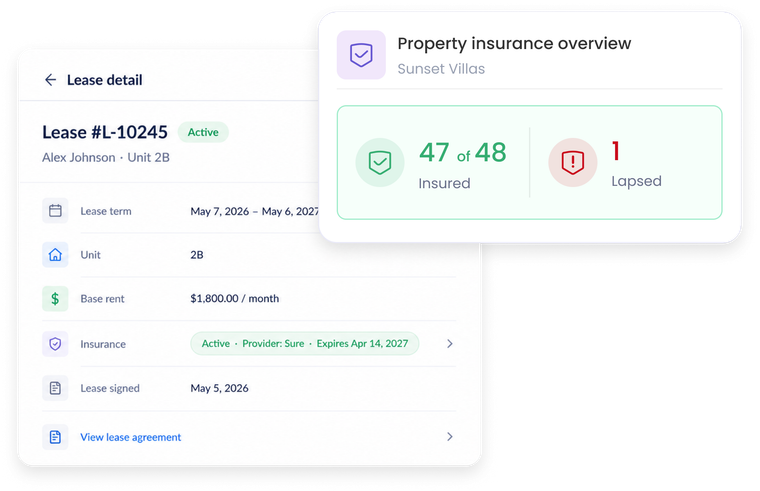
The most common reason for seeking 6-month coverage is a matching lease term. If you are signing a "6-month plus month-to-month" lease, an annual policy might feel like an unnecessary administrative burden. Landlords in 2026 almost universally require proof of insurance as a condition of the lease, and they typically require the policy to stay active for the duration of the residency.
Transitional Living and Relocation
Individuals who are in the process of buying a home or waiting for a new construction project to be completed often move into temporary rentals. Since the move-out date is often less than a year away, a 6-month policy provides the necessary gap coverage without the complexities of long-term underwriting.
Student Housing and Internships
University students often live in off-campus housing for only two semesters, which roughly equates to nine months. However, summer internships often last exactly three to six months. For these students, a 6-month policy—or two consecutive 3-month stints—is more cost-effective than paying for a full year of coverage on a property they will vacate in the summer.
Core Coverage Components
Regardless of the term length, a 6-month renters insurance policy must contain four primary pillars of coverage. In 2026, the standard limits for these categories have shifted slightly to account for inflation and the rising cost of electronics and healthcare.
1. Personal Property Coverage
This covers the cost to repair or replace your belongings if they are damaged by a "covered peril." Covered perils typically include fire, smoke, lightning, theft, and certain types of water damage (excluding floods).
- Replacement Cost Value (RCV): This pays the amount it costs to buy a new item of similar quality today. This is the preferred option in 2026.
- Actual Cash Value (ACV): This pays the depreciated value of the item. While cheaper, it often leaves the tenant with a significant financial gap when trying to replace older items.
2. Personal Liability Protection
Liability coverage protects you if you are found legally responsible for bodily injury or property damage to others. For example, if a guest trips over a rug in your apartment and sues you for medical expenses, your liability coverage pays for your legal defense and any settlements up to the policy limit. In 2026, most landlords require a minimum of $100,000 in liability coverage.
3. Medical Payments to Others
This is a smaller "no-fault" coverage used for minor medical expenses if a guest is injured in your home. It is intended to prevent small injuries from escalating into larger liability lawsuits. Typical limits range from $1,000 to $5,000.
4. Additional Living Expenses (Loss of Use)
If your rental becomes uninhabitable due to a covered peril (like a fire), Loss of Use coverage pays for the "extra" costs of living elsewhere. This includes hotel bills, restaurant meals, and laundry services that exceed your normal cost of living. Given the high cost of temporary housing in 2026, having adequate Loss of Use coverage is critical.
2026 Comparison of Short-Term Renters Insurance Providers
The following table compares major insurers based on their flexibility for 6-month needs and their average service ratings.
| Provider | Policy Structure | Ease of Cancellation | Digital App Features | Best For |
|---|---|---|---|---|
| Lemonade | Monthly Subscription | High (Instant) | Full AI Claims | Tech-savvy renters |
| State Farm | 12-Month (Prorated) | Moderate | Agent-assisted | High-value items |
| Progressive | 6 or 12-Month | High | Policy Management | Bundling with Auto |
| Toggle | Monthly Subscription | High | Coverage Customization | Minimalist lifestyles |
| Liberty Mutual | 12-Month (Prorated) | Moderate | Online Quotes | Standard Coverage |
Determining the Cost of 6-Month Coverage
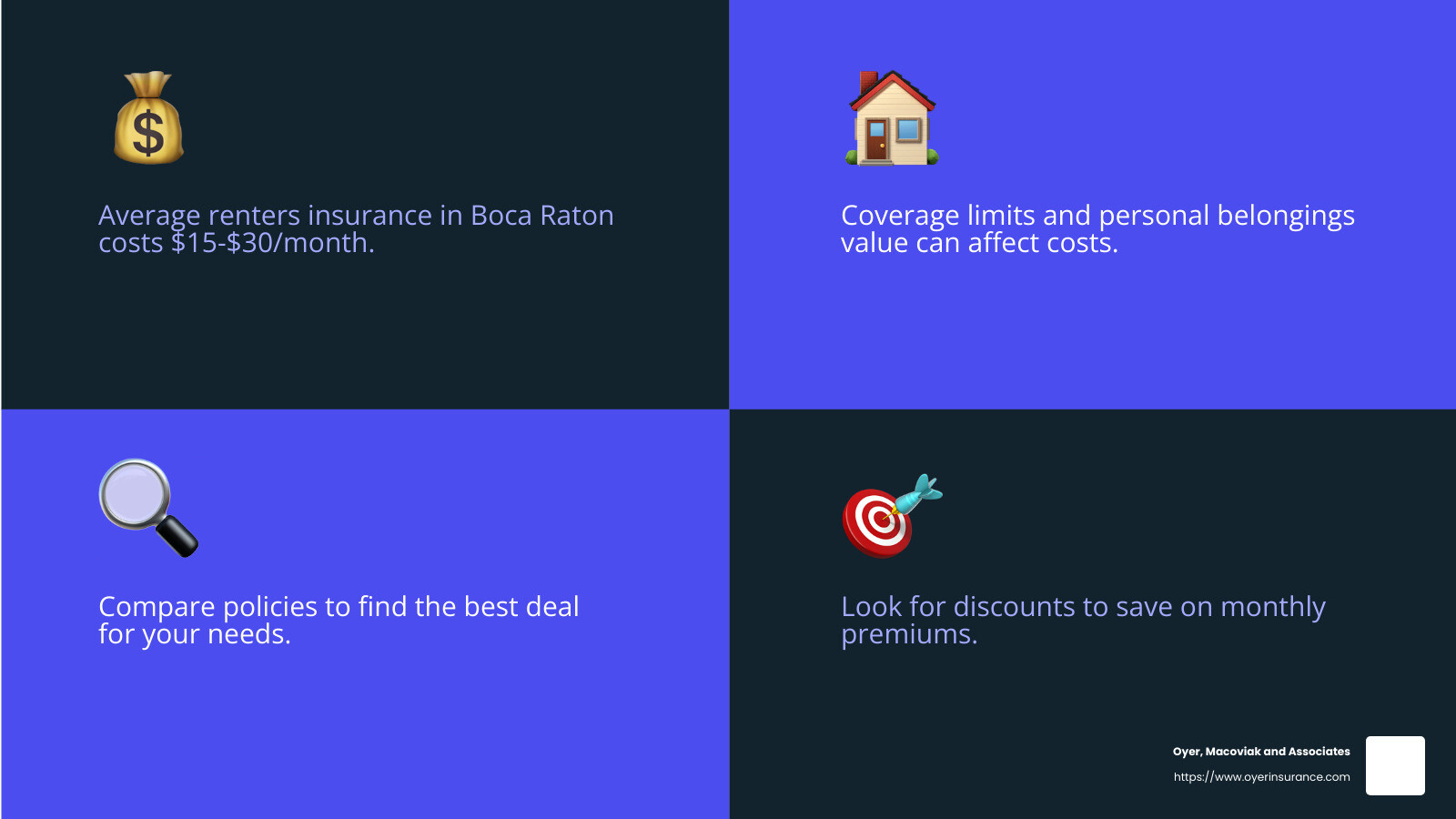
As of 2026, the average cost for renters insurance nationwide is approximately $15 to $25 per month for a standard policy with $30,000 in personal property coverage and $100,000 in liability. For a 6-month period, you can expect to pay a total premium between $90 and $150.
Several factors influence this price:
- Geographic Location: Rates are significantly higher in areas prone to natural disasters (like coastal regions or tornado alleys) or in cities with high crime rates.
- Deductible Amount: Choosing a $1,000 deductible instead of a $500 deductible will lower your monthly premium, but you must be able to afford that $1,000 out-of-pocket if you file a claim.
- Credit History: In many states, insurers use a credit-based insurance score to determine risk. A higher score typically leads to lower premiums.
- Safety Features: Discounts are often available for apartments with smoke detectors, deadbolts, fire extinguishers, and 24/7 security systems.
How to Obtain a 6-Month Policy: Step-by-Step
Acquiring coverage in 2026 is faster than in previous years, with most "instant" insurers providing a binder within minutes.
- Inventory Your Assets: Walk through your rental and record your belongings. Use your phone to take video of every room and open every drawer. This evidence is vital for claims.
- Estimate Your Coverage Needs: Don't just guess. Calculate the cost to replace your laptop, furniture, clothes, and kitchenware. Most people underestimate their total value by 30-50%.
- Request Multiple Quotes: Use an aggregator or visit specific sites like the Insurance Information Institute to understand current market trends. Compare at least three different providers.
- Verify Landlord Requirements: Check your lease for specific requirements. Some landlords require they be listed as an "Additional Interest" so they are notified if the policy cancels.
- Select the Start Date: Ensure the policy begins at least 24 hours before you move in to cover any mishaps during the moving process.
Common Mistakes to Avoid
When shopping for short-term coverage, tenants often fall into traps that leave them underinsured or financially penalized.
Overlooking "Named Peril" Limitations
Some budget-friendly 6-month policies only cover "named perils." If a loss occurs due to a cause not explicitly listed in the policy document, you receive no compensation. In 2026, it is often worth the extra $2 per month to get an "all-risk" or "open peril" policy for your personal property.
Not Updating Coverage After a Move
If you move from a 6-month rental to another location, don't just cancel and restart. Most insurers allow you to "transfer" the policy. This maintains your "length of time with insurer" discount and ensures there is no gap in coverage during the move.
Ignoring the "Replacement Cost" Clause
Ensure your policy specifically states Replacement Cost Value (RCV). If it says Actual Cash Value (ACV), your 5-year-old laptop might only be worth $100 in the eyes of the insurer, even if a new one costs $1,200.
Legal and Jurisdictional Considerations
Renters insurance is regulated at the state level. Organizations like the National Association of Insurance Commissioners (NAIC) provide resources to help you understand state-specific laws. For example, some states prohibit insurers from using credit scores to determine rates, while others have specific requirements for how quickly a claim must be paid.
In 2026, many states have also introduced new "Right to Cure" laws that allow tenants more time to fix a lapsed policy before a landlord can take legal action. However, a lapse in coverage—even for a week—can lead to significantly higher premiums in the future as you will be flagged as a "high-risk" client.
Frequently Asked Questions
Can I get renters insurance for exactly six months?
While few companies market a product specifically called "6-Month Renters Insurance," you can achieve this by purchasing a monthly-renewable policy or a 12-month policy and canceling it after six months. Most major carriers will refund the unused portion of the premium if you paid upfront.
Will my landlord be notified if I cancel after six months?
If your landlord is listed as an "Additional Interest" or "Interested Party" on the policy, the insurance company is legally required to notify them if the policy is canceled, lapses, or is significantly modified.
Does 6-month renters insurance cover my roommates?
Generally, no. Standard policies cover the named insured and any resident relatives (like a spouse or children). Roommates must typically purchase their own individual policies to protect their belongings and liability. Some companies allow you to add a roommate for an additional fee, but this can complicate claims.
Is theft outside of my apartment covered?
Yes, most renters insurance policies in 2026 include "off-premises coverage." This means if your laptop is stolen from your car or a coffee shop, it is still covered by your renters insurance, usually up to a certain percentage of your total personal property limit (often 10%).
Does it cover flood damage?
Standard renters insurance does not cover damage from rising groundwater or floods. If you are renting in a flood zone for six months, you would need to purchase a separate flood insurance policy through the National Flood Insurance Program (NFIP) or a private flood insurer.
Final Recommendation for 2026 Renters
If you are looking for 6-month renters insurance, the most efficient path is to select a monthly subscription provider like Lemonade or Toggle. These platforms are designed for the 2026 economy, allowing you to start and stop coverage via a mobile app without dealing with "short-rate" cancellation fees or talking to a phone representative.
If you already have auto insurance, first check with your current carrier for a "bundle" quote. Even if they only offer a 12-month term, the multi-policy discount might make the overall cost cheaper than a standalone 6-month policy elsewhere, even after you cancel it early. Always ensure you have a digital copy of your "Certificate of Insurance" (COI) ready to email to your landlord before your move-in date to ensure a smooth transition.