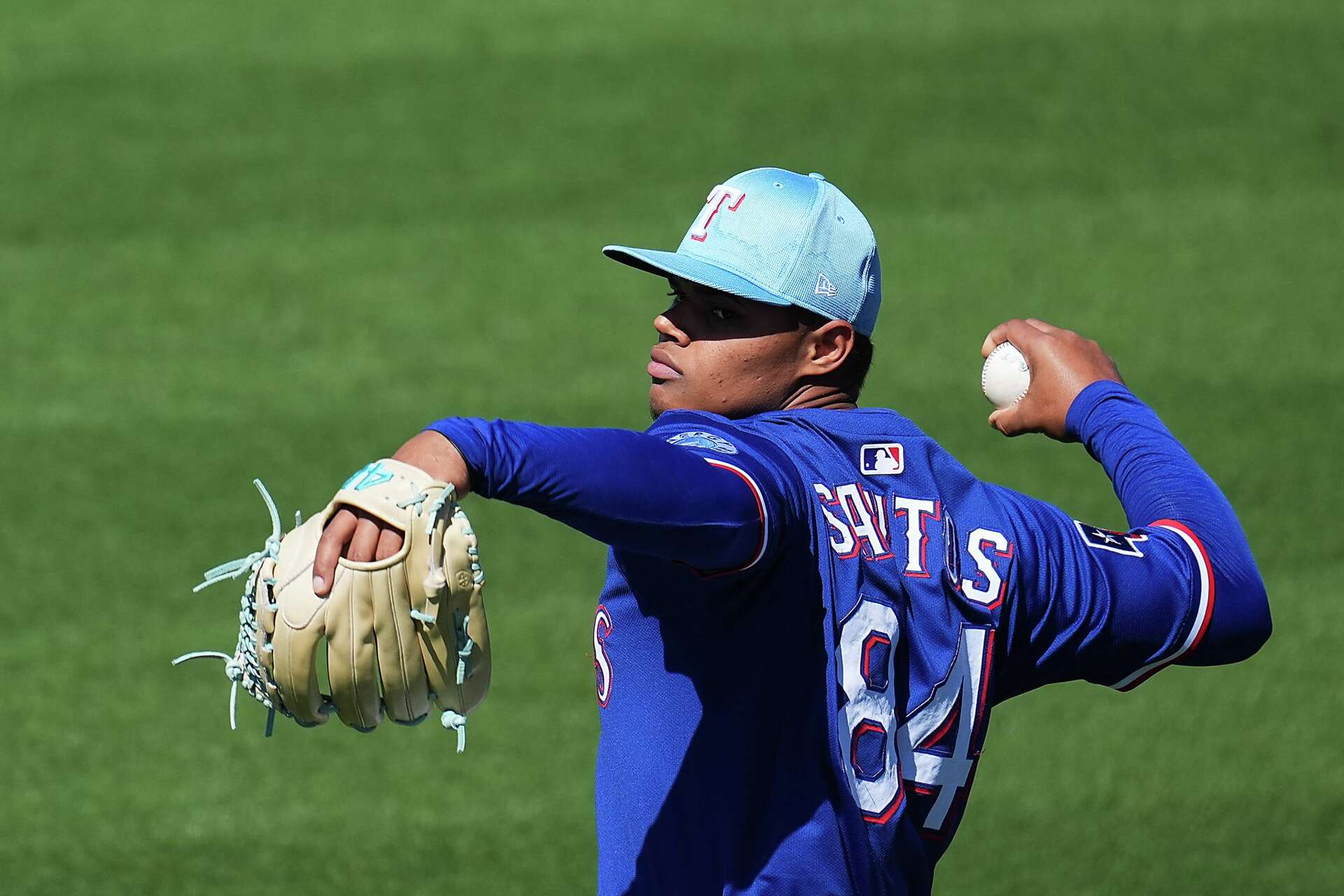
Using five pitchers in a single nine-inning baseball game has become a standard tactical approach in modern professional baseball. This strategy typically involves a starting pitcher throwing four to five innings, followed by a sequence of specialized relievers designed to exploit hitter weaknesses, maintain high velocity, and manage the statistical "third time through the order" penalty.
The Evolution of Pitching Workloads in Modern Baseball
In the early decades of professional baseball, the expectation was for a starting pitcher to complete the game they started. As recently as the 1970s and 1980s, high-volume starters like Nolan Ryan or Steve Carlton were expected to pitch deep into the eighth or ninth inning regularly. However, by 2026, the landscape of Major League Baseball (MLB) has shifted entirely toward a "bullpen-heavy" philosophy.
Using five pitchers in a game is no longer a sign of a struggling starter; rather, it is often a pre-planned sequence orchestrated by managers and analytical departments. The goal is to ensure that no single pitcher remains on the mound long enough for hitters to become comfortable with their delivery, arm angle, or pitch repertoire. This "relentless stream of fresh arms" approach prioritizes maximum effort over a shorter duration, often resulting in higher strikeout rates and lower overall batting averages against the pitching staff.
The Mathematical Rationale: The Third Time Through the Order Penalty
The primary driver behind the transition to using five or more pitchers per game is the "Third Time Through the Order" (TTTO) penalty. Sabermetric analysis has consistently shown that a pitcher’s effectiveness drops significantly the third time they face a specific hitter in a single game.
Data suggests that as a hitter sees a pitcher's secondary offerings and timing multiple times, their expected Weighted On-Base Average (xwOBA) increases. By pulling a starter after roughly 18 to 21 batters (usually around the fifth inning), a manager can introduce a reliever who throws harder or possesses a completely different movement profile. This reset forces the lineup to adjust once again, maintaining a tactical advantage for the defense. When a team uses five pitchers, they are essentially ensuring that the final 12 to 15 outs of the game are recorded by pitchers who are facing those specific hitters for the very first time that day.
Deconstructing the Five-Pitcher Sequence
A typical 5-pitcher game in 2026 follows a structured progression. While game situations can dictate changes, the standard "blueprint" for a nine-inning victory often looks like this:
1. The Starting Pitcher (Innings 1–5)
The starter is tasked with providing a "quality" foundation. In the modern era, a starter is often considered successful if they can navigate five full innings while allowing three or fewer runs. By the end of the fifth inning, a starter has usually thrown between 75 and 90 pitches.
2. The Bridge or Middle Reliever (Inning 6)
The second pitcher enters the game to bridge the gap between the starter and the high-leverage late-inning arms. This pitcher often possesses a "bulk" profile, capable of getting three to six outs if the starter exits early. Their primary job is to maintain the lead or keep the game within reach.
3. The Seventh-Inning Specialist (Inning 7)
The third pitcher is often a "setup" type who excels in specific matchups. Depending on the opposing lineup, this might be a high-velocity right-hander or a left-handed specialist (though the three-batter minimum rule has altered how these specialists are used).
4. The Primary Setup Man (Inning 8)
The fourth pitcher is usually the second-best arm in the bullpen. They are tasked with the "eighth-inning hold," facing the heart of the opponent's order to ensure the game reaches the closer with the lead intact.
5. The Closer (Inning 9)
The fifth and final pitcher is the closer. Their role is singular: record the final three outs. Closers in 2026 are characterized by elite "stuff"—often featuring fastballs exceeding 100 mph or devastating "out pitches" like splitters or sweepers.
Regulatory Constraints: The 13-Pitcher Limit and Three-Batter Minimum
Using five pitchers in a game requires careful roster management due to MLB rules that have been refined over the last several seasons. As of 2026, teams are restricted to carrying a maximum of 13 pitchers on their active 26-man roster. This limitation prevents managers from using an unlimited number of arms every night, as doing so would deplete the bullpen for subsequent games in a series.
Furthermore, the Three-Batter Minimum Rule, established to improve the pace of play, requires any pitcher who enters the game to face at least three batters or pitch until the end of a half-inning. This prevents "LOOGYs" (Lefty One-Out Guys) and forces managers to be more strategic about when they trigger a pitching change. If a manager intends to use five pitchers, they must ensure that each of the four relievers is capable of handling a full segment of the opposing lineup, rather than just one specific batter.
Tactical Breakdown of a Standard 5-Pitcher Game
The following table illustrates how a team might distribute the 27 outs of a standard nine-inning game across five different pitchers.
| Pitcher Role | Innings Pitched | Outs Recorded | Typical Pitch Count | Primary Objective |
|---|---|---|---|---|
| Starter | 1.0 – 5.0 | 15 | 80-95 | Neutralize lineup twice; provide stability. |
| Middle Relief | 5.1 – 6.0 | 3 | 15-25 | "Bridge" the lead; prevent momentum shifts. |
| Setup (A) | 6.1 – 7.0 | 3 | 12-20 | Navigate middle of the order; hold lead. |
| Setup (B) | 7.1 – 8.0 | 3 | 15-22 | High-leverage outs; protect the lead. |
| Closer | 8.1 – 9.0 | 3 | 10-18 | Secure the win; maximum velocity. |
The Impact on the "Bullpen Game" Strategy
Sometimes, a team will use five pitchers not because the starter finished five innings, but because they are employing a "Bullpen Game." In this scenario, there is no traditional starter. Instead, the team uses an Opener for the first inning or two, followed by a "Bulk" reliever, and then a series of specialists.
In a 5-pitcher bullpen game, the distribution of work is more egalitarian. This strategy is often used when a member of the starting rotation is injured or when the opposing team’s lineup is particularly susceptible to specific handedness matchups. By rotating through five different arms, the defense effectively prevents any hitter from seeing the same pitcher twice, which statistically significantly lowers the opponent’s batting average for that specific game.
The Risks of High-Volume Pitching Changes
While the "5 pitchers in a game" strategy is analytically sound, it is not without significant risks. The most immediate concern is bullpen fatigue. If a team uses five pitchers on Monday, and the starter on Tuesday only goes four innings, the manager may find themselves with a "short" bullpen for the remainder of the series.
Key risks include:
- Burnout: Relievers who pitch in back-to-back-to-back games are at higher risk for ulnar collateral ligament (UCL) injuries.
- Wasted Options: Because of the 13-pitcher limit, if a team overuses its bullpen, it often has to "option" a healthy pitcher to the minor leagues just to bring up a "fresh arm," which can disrupt player development and team chemistry.
- Pace of Play: Frequent pitching changes can lead to longer game times, though the 2026 pitch clock and break limits have mitigated this.
Analyzing the Box Score: When 5 Pitchers Is a Warning Sign
Context is vital when looking at a box score that shows five pitchers used by one team. If the team won, it usually indicates a well-executed tactical plan where each "specialist" did their job. However, if a team uses five pitchers in a losing effort—particularly if the starter exited in the second or third inning—it is often a sign of a "crisis" game.
In a crisis game, the five pitchers are used out of necessity rather than strategy. The manager is forced to cycle through arms to find someone who can throw strikes and stop the "bleeding." This often leads to a "taxed" bullpen that can have a negative ripple effect on the team's performance for the next three to five days.
Expert Guidance: When to Expect Multiple Pitching Changes
Fans and bettors should expect to see at least five pitchers used in the following circumstances:
- Postseason Games: In the playoffs, managers have a "shorter leash" for starters. Every out is critical, so they will often go to the bullpen the moment a starter shows signs of fatigue.
- High-Leverage Matchups: If a division rival is in town, teams are more likely to use their best five arms to secure a pivotal win.
- After an Off-Day: If the team had yesterday off, the entire bullpen is rested. This gives the manager the luxury of using five high-leverage arms without worrying about tomorrow’s availability.
Frequently Asked Questions
Is it common for an MLB team to use 5 pitchers in a game?
Yes, in 2026, using five pitchers is considered a standard game. With starters rarely pitching more than five or six innings, a minimum of three to four relievers is usually required to finish a standard nine-inning contest.
What is the maximum number of pitchers a team can use in one game?
Technically, a team can use as many pitchers as they have on their active roster (13). However, if a game goes into extra innings, a team might eventually run out of pitchers and be forced to use a "position player" to pitch, though MLB rules in 2026 strictly limit when position players are allowed to take the mound (usually only in blowouts or extreme extra innings).
Why do managers pull a starter who is pitching well after 5 innings?
This is usually due to the "Third Time Through the Order" penalty. Even if a starter looks dominant, data suggests their effectiveness will likely drop once the hitters see them for a third time. Managers prefer to bring in a fresh arm with different movement to keep hitters off-balance.
Does using 5 pitchers make the game longer?
Historically, more pitching changes meant longer games. However, with the implementation of the pitch clock and restrictions on the number of mound visits and warm-up times, the impact on total game duration has been significantly reduced.
What happens if a reliever gets injured before facing three batters?
If a pitcher suffers a verifiable injury, the "Three-Batter Minimum" rule is waived. The manager can bring in a new pitcher, who must then satisfy the three-batter requirement themselves.
Next Steps for Fans and Analysts
To better understand the nuances of pitcher usage, observers should monitor "Bullpen Usage" charts available on major sports analytics sites. These charts track how many pitches each reliever has thrown over the last three to five days. By cross-referencing this data with the starting pitcher's average "innings per start," you can often predict with high accuracy whether a team will utilize a five-pitcher rotation on any given night. Understanding these patterns provides a deeper appreciation for the "game within the game" that modern baseball managers must navigate.