The operational landscape of Boeing 737 flights is currently defined by a heavy focus on advanced fuel efficiency, stringent regulatory oversight, cabin modernization, fleet renewal strategies, and enhanced pilot training protocols. These concurrent developments dictate how airlines operate, maintain, and schedule the world’s most prolific single-aisle aircraft family.
Introduction to the Evolving Boeing 737 Ecosystem
The Boeing 737 family—ranging from legacy classic variants to the modern MAX series—serves as the backbone of short- and medium-haul aviation across the globe. As airlines navigate shifting economic pressures, environmental mandates, and heightened safety expectations, the operational paradigms governing these flights are transforming. Understanding the trajectory of modern Boeing 737 operations requires looking beyond the flight deck to examine how engineering updates, regulatory frameworks, supply chain realities, and passenger expectations intersect.
Resolving ambiguity in commercial fleet analysis means recognizing that the 737 is not a monolithic entity; operational trends affect operators of the Next-Generation (NG) series differently than those flying the newer 737 MAX 8, 9, or upcoming variants. Nonetheless, overarching industry pressures create shared operational trajectories. Below are the five foundational trends shaping Boeing 737 flights.
1. Advanced Fuel Efficiency and Fleet Sustainability Initiatives
With global aviation facing strict mandates to reduce carbon emissions, optimizing fuel burn on high-frequency single-aisle routes has become an operational priority. Airlines operating Boeing 737 flights are deploying a combination of hardware updates, software optimizations, and procedural changes to minimize their environmental footprint.
The introduction of CFM International LEAP-1B engines on the 737 MAX family represents a significant leap over the older CFM56 engines found on Next-Generation aircraft, yielding roughly a 14 to 20 percent reduction in fuel consumption and CO2 emissions. Beyond engine technology, airlines are implementing advanced flight-planning software that leverages real-time weather data and dynamic routing to optimize climb and descent profiles.
Furthermore, carriers are investing in winglet retrofits for older 737 fleets, utilizing advanced blade designs to reduce aerodynamic drag. Operational procedures such as single-engine taxiing, continuous descent operations (CDO), and refined weight-and-balance calculations further contribute to fuel conservation. These measures directly impact operating economics, helping airlines insulate themselves against volatile jet fuel prices while meeting corporate and regulatory sustainability targets.
2. Heightened Regulatory Scrutiny and Maintenance Rigor
Safety oversight for Boeing 737 flights has reached unprecedented levels of scrutiny following historical regulatory reviews and ongoing quality control adjustments within the manufacturing sector. Aviation authorities, including the Federal Aviation Administration (FAA) and the European Union Aviation Safety Agency (EASA), maintain rigorous compliance frameworks for both production oversight and in-service aircraft.
For airlines, this translates to expanded maintenance checklists, more frequent structural inspections, and tighter tolerances for component wear. Maintenance, Repair, and Overhaul (MRO) facilities are dedicating increased resources to non-destructive testing (NDT) of critical airframe structures, landing gear mounts, and flight control systems.
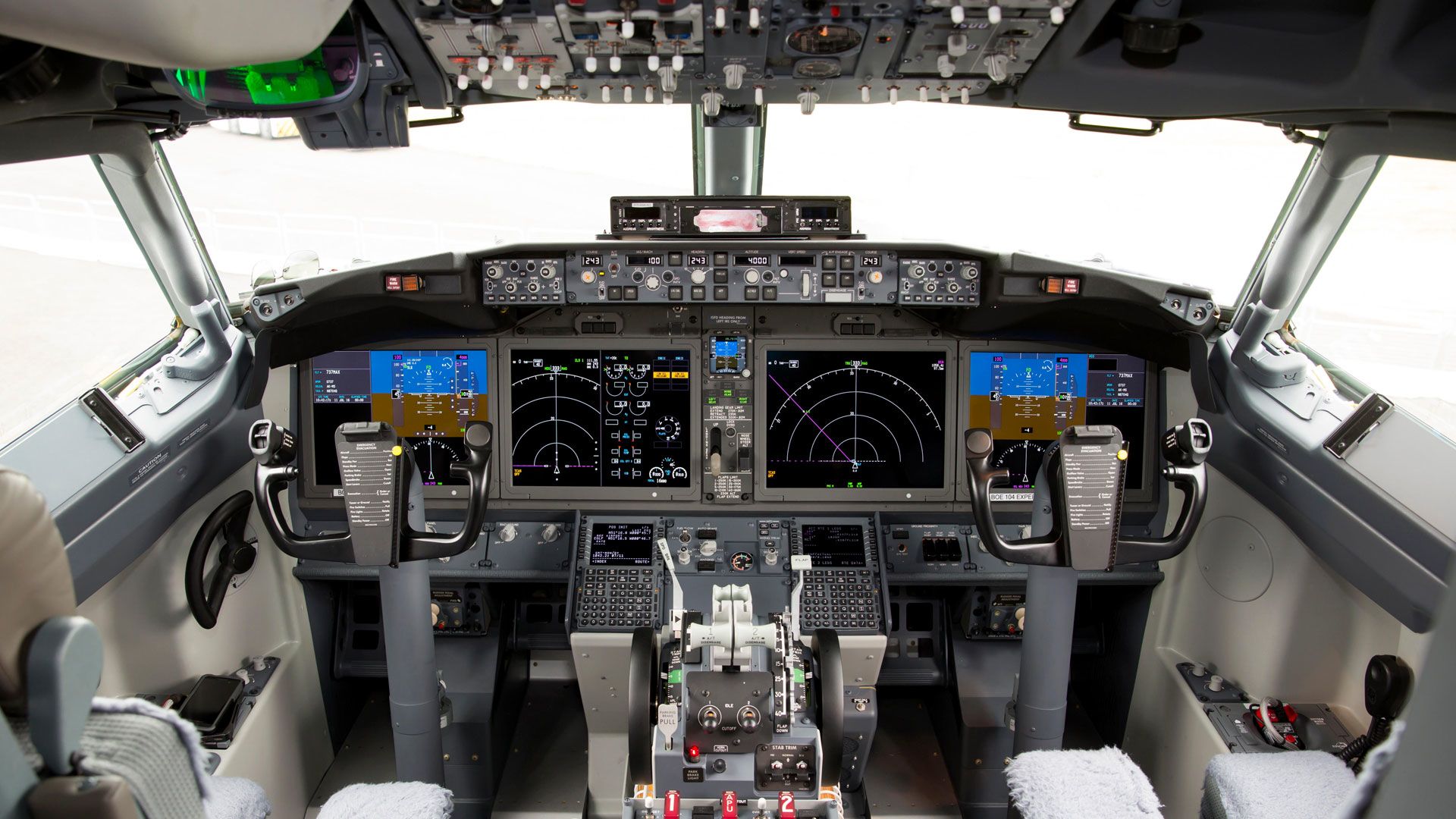
Pilot training programs have also absorbed these regulatory shifts. Simulator sessions now place greater emphasis on edge-of-envelope scenarios, system degradation management, and manual flight handling skills. While these heightened standards extend turnaround times and require careful maintenance scheduling, they reinforce structural integrity and passenger confidence across global networks.
3. Cabin Modernization and Passenger Experience Integration
The modern passenger's expectation for connectivity and comfort has forced airlines to rethink the interior architecture of Boeing 737 cabins. The implementation of Boeing's "Sky Interior" design features modern sculpted sidewalls, larger window outlines, and larger pivot-bin overhead storage that increases carry-on bag capacity by nearly 50 percent compared to legacy interiors.
At the same time, connectivity has shifted from a luxury amenity to an operational expectation. Airlines are outfitting their 737 fleets with high-speed satellite-based Wi-Fi systems, enabling streaming-quality internet access for passengers. To support personal electronic devices, seatback power and USB-C charging ports are becoming standard retrofits during interior refreshes.
| Feature Category | Legacy 737 Interiors | Modernized 737 Sky Interiors |
|---|---|---|
| Overhead Storage | Traditional shelving bins; limited roller-bag capacity | Large pivot-bins; up to 50% more bag capacity |
| Lighting | Fluorescent or basic LED accent lighting | Dynamic multi-color LED mood lighting |
| Connectivity | Typically unavailable or legacy air-to-ground | High-speed satellite broadband Wi-Fi |
| Power Access | Rare or limited to select premium rows | Universal AC and USB-C ports at most seats |
These cabin enhancements help carriers differentiate their product on competitive domestic and regional routes, maximizing revenue potential per square foot of cabin space while improving overall passenger satisfaction metrics.
4. Supply Chain Adaptations and Fleet Lifecycle Management
Global supply chain constraints and delivery delays for new aircraft have forced airlines to adopt creative fleet lifecycle management strategies. Because acquiring new Boeing 737 MAX aircraft often involves extended wait times, carriers are keeping older 737 Next-Generation (NG) airframes in service longer than originally planned.
This trend has driven an increased demand for mid-life heavy maintenance checks, interior refurbishments, and engine shop visits for older aircraft. Airlines are investing in comprehensive service life extension programs (SLEP) to ensure these legacy airframes remain reliable and economically viable.
At the same time, carriers must carefully balance the cost of maintaining aging aircraft against the fuel-burn advantages of newer models. Spare parts availability, component repair turnaround times, and the management of lease agreements have become central focus areas for fleet managers seeking to maintain schedule reliability without overextending capital reserves.
5. Network Optimization and High-Frequency Point-to-Point Routes
The exceptional range, reliability, and payload capacity of the modern Boeing 737 family continue to reshape airline network strategies. Rather than relying solely on traditional hub-and-spoke models, carriers are increasingly utilizing 737 flights to open thin, long-haul point-to-point routes that were previously uneconomical or out of range for traditional narrowbody aircraft.
Variants such as the 737 MAX 8 and MAX 9 offer transcontinental and even transatlantic capabilities, allowing low-cost and network carriers alike to bypass congested mega-hubs. This capability reduces transfer times for passengers and allows airlines to adjust capacity dynamically based on seasonal demand fluctuations.
| Boeing 737 Variant | Typical Seating Capacity | Maximum Range (approx.) | Primary Route Profiles |
|---|---|---|---|
| 737-800 (NG) | 160 – 189 seats | 2,935 nautical miles | Domestic trunk routes, regional international |
| 737 MAX 8 | 162 – 210 seats | 3,550 nautical miles | Transcontinental, medium-haul international |
| 737 MAX 9 | 178 – 220 seats | 3,550 nautical miles | High-density domestic, regional hubs |
Network planners use these performance metrics to maximize aircraft utilization rates, ensuring that airframes spend maximum hours in the air generating revenue rather than sitting idle on the ground.
Frequently Asked Questions
What are the main differences between Boeing 737 Next-Generation and MAX flights?
Boeing 737 MAX flights benefit from advanced CFM LEAP-1B engines and aerodynamic improvements, resulting in roughly 14 to 20 percent better fuel efficiency and extended flying range compared to the older Next-Generation (NG) models like the 737-800. MAX aircraft also feature updated flight deck software and modern cabin interior options.
How do airlines manage fuel efficiency on Boeing 737 routes?
Airlines combine hardware upgrades—such as winglets and advanced engines—with operational tactics. These include optimized flight planning software, continuous descent approaches, weight reduction initiatives, and single-engine taxiing procedures to minimize total fuel burn.
Why are older Boeing 737-800 aircraft remaining in service longer?
Global supply chain constraints, production delays for new aircraft, and high demand for air travel have led airlines to extend the operational lifespans of older 737 NG airframes through targeted heavy maintenance and interior refreshes.
What passenger comfort improvements are standard on modern Boeing 737 flights?
Modern 737 flights frequently feature Boeing's Sky Interior, which provides larger overhead storage bins, dynamic LED mood lighting, sculpted sidewalls, high-speed satellite Wi-Fi connectivity, and seatback USB charging ports for electronic devices.
How has pilot training changed for Boeing 737 operations?
Regulatory authorities and airlines have updated 737 training programs to include enhanced simulator scenarios, deeper dives into automated system overrides, and rigorous handling exercises designed to build proficiency across all flight regimes.
Conclusion and Next Actions
For aviation professionals, travelers, and industry analysts, tracking the trajectory of Boeing 737 flights requires an appreciation of how technology, safety oversight, and economic pressures converge. Whether evaluating fleet investment strategies or examining cabin amenities before booking travel, understanding these five core trends provides a clear picture of modern single-aisle aviation. Stakeholders should monitor ongoing regulatory developments and supply chain adjustments as carriers continue to refine their operational models for efficiency and safety.