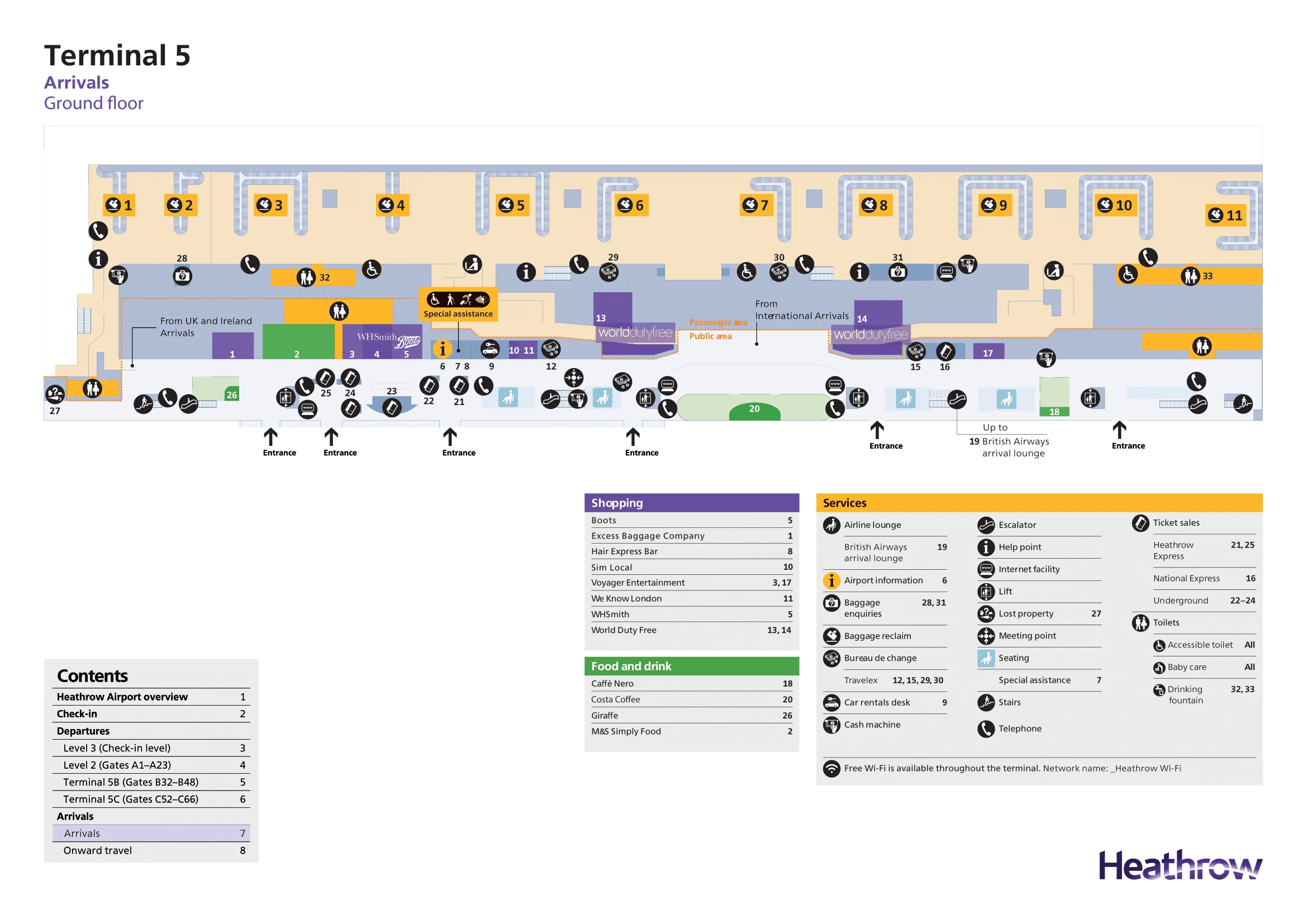
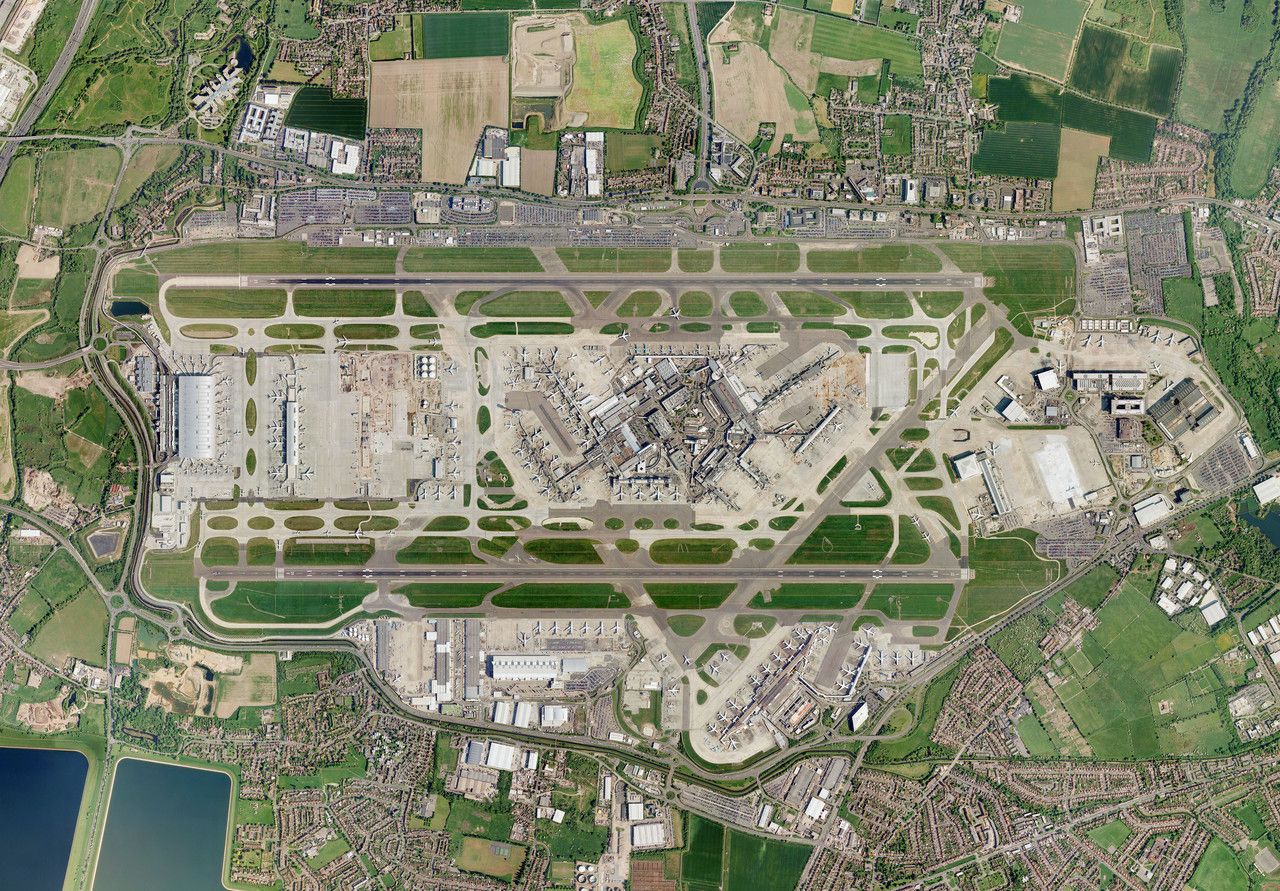
London Heathrow Terminal 5 stands as one of the most ambitious, complex, and expensive civil engineering projects in modern aviation history. With a final price tag of approximately £4.3 billion, this massive infrastructure undertaking was designed to cement Heathrow Airport’s status as a premier global aviation hub while transforming the passenger experience. However, the path to its completion was fraught with monumental financial hurdles, logistical nightmares, design challenges, and a notorious opening day failure that tested the resilience of BAA (British Airports Authority) and British Airways.
The £4.3 billion cost behind London Heathrow Terminal 5 was driven by a combination of land acquisition, advanced subterranean civil engineering, state-of-the-art baggage handling systems, and stringent security requirements. Spanning nearly two decades from initial conception to its grand opening in March 2008, the project required the relocation of a river, the rerouting of major roads, and the construction of extensive rail links. Understanding the economics, engineering triumphs, and operational missteps of Terminal 5 provides essential insight into how mega-projects of this scale are financed, executed, and evaluated in the twenty-first century.
The Genesis and Strategic Need for Terminal 5
By the late 20th century, London Heathrow Airport was operating at near-maximum capacity. Terminals 1, 2, 3, and 4 were struggling to cope with the exponential growth of international air travel, leading to chronic congestion, delayed flights, and a subpar passenger experience. British Airways, which held the vast majority of slots at Heathrow, operated out of multiple terminals, making connecting flights inefficient and frustrating for travelers.
To maintain its competitive edge against rising continental European hubs like Frankfurt and Paris Charles de Gaulle, Heathrow needed a consolidated home for its primary carrier. The proposal for Terminal 5 was conceived to handle up to 30 million passengers annually on its own, effectively expanding the airport's total capacity by nearly a third.
Planning for Terminal 5 began in the late 1980s, culminating in one of the longest and most expensive public inquiries in British history. The planning inquiry lasted from 1995 to 1999, generating millions of words of testimony and costing tens of millions of pounds. Environmental concerns, noise pollution, traffic congestion, and the loss of local housing were major points of contention for local residents and government bodies. When the UK government finally granted planning permission in 2001, the approved design came with strict environmental conditions and caps on air traffic movements, setting the stage for construction to begin in earnest.
Breaking Down the £4.3 Billion Budget
A budget of £4.3 billion is staggering by any standard, but for a single airport terminal, it represented an unprecedented capital expenditure. The financial allocation was not merely for the main terminal building itself, but for an entire ecosystem of supporting infrastructure required to make the terminal functional.
The budget was split across several major categories:
- Civil Engineering and Groundworks: Moving millions of tons of earth, diverting the River Colne, and tunneling for rail links.
- The Main Terminal Building: A massive, curved roof structure designed by Richard Rogers Partnership, featuring unobstructed internal spans to maximize flexibility and natural light.
- Satellite Buildings: Construction of Concourse B and Concourse C to provide additional aircraft parking stands and boarding gates.
- Baggage Handling System (BHS): A multi-million-pound, highly automated system designed to process tens of thousands of bags per hour across a complex network of conveyors and automated carts.
- Transport Infrastructure: Building new spurs from the M25 motorway, expanding the Heathrow Express rail link, and constructing the London Underground Piccadilly line extension.
| Project Component | Estimated Cost Proportion | Primary Function |
|---|---|---|
| Main Terminal & Satellites | ~40% | Passenger processing, retail, lounges, and boarding gates |
| Baggage Handling System | ~15% | Automated sorting, transfer, and security screening of luggage |
| Civil Engineering & Site Prep | ~20% | Earthworks, river diversion, tunnels, and foundational work |
| Transport & Road Links | ~15% | M25 spurs, rail connectivity, and multi-story parking structures |
| Project Management & Contingency | ~10% | Risk mitigation, legal fees, planning inquiry costs, and administration |
Engineering Marvels and Subterranean Challenges
Building Terminal 5 required overcoming immense physical obstacles. The site was previously occupied by a sewage treatment works and a fuel storage depot, requiring extensive environmental decontamination before construction could even begin.
Furthermore, the River Colne and the Duke of Northumberland’s River ran directly through the proposed footprint. Engineers had to engineer complex diversions, creating new river channels and ecological habitats to satisfy environmental regulators before the first foundations were poured.
Below the surface, the engineering feats were equally impressive. Terminal 5 was designed as an integrated multi-modal transport hub. Engineers tunneled deep beneath the active airfield to extend the Heathrow Express rail link and the London Underground Piccadilly line directly beneath the terminal building. This required tunneling through unstable London clay while maintaining continuous, uninterrupted operations on the existing airport surface above.
The main terminal building itself featured a massive single-span roof made of steel and glass. Weighing thousands of tons, sections of the roof were assembled on the ground and then jacked into position using hydraulic systems, minimizing work at dangerous heights and accelerating the construction timeline.
The Baggage System Crisis: Opening Day Disasters
Despite meticulous planning, advanced computer modeling, and a massive budget, the opening of London Heathrow Terminal 5 on March 27, 2008, became a textbook case of a high-profile project launch failure. The root cause of the catastrophe was the ultra-complex, automated baggage handling system.
On opening day, staff members encountered severe software glitches and mechanical jams within the miles of conveyor belts and automated carts. Employees had not received sufficient hands-on training to operate the system under real-world pressure, leading to cascading errors. Bags could not be matched to passengers, check-in desks quickly overflowed, and flights began departing without luggage.
The fallout was immediate and catastrophic:
- Over 500 British Airways flights were canceled during the first two weeks of operation.
- Tens of thousands of passengers had their luggage lost or severely delayed, with piles of unclaimed bags accumulating in the terminal halls.
- British Airways suffered an estimated financial loss of £16 million in direct costs, alongside severe reputational damage.
- International media broadcast images of stranded passengers and chaotic check-in queues around the world, tarnishing the launch of what was supposed to be a crowning achievement for British aviation.
It took several weeks of intensive troubleshooting, software patches, and retraining by international baggage experts to stabilize the system. The incident served as a stark reminder that throwing billions of pounds at infrastructure does not guarantee operational success without comprehensive integration testing and rigorous staff preparation.
Financial and Operational Legacy
In the years following its rocky debut, Terminal 5 stabilized and matured into one of the most efficient and passenger-friendly airport terminals in the world. It has consistently won numerous international aviation awards, including accolades for its retail offerings, lounge quality, and architectural design.
Financially, the £4.3 billion investment paid off by allowing British Airways to consolidate its operations, dramatically improving transfer times between flights and increasing the airline's operational efficiency at its main hub. The terminal’s ability to handle high volumes of wide-body aircraft, including the Airbus A380, ensured that Heathrow could accommodate the largest commercial jets without requiring further massive terminal expansions.
However, the cost overrun and opening day debacle permanently altered how mega-projects are managed in the United Kingdom. BAA and subsequent airport operators adopted much stricter risk-management frameworks, phased testing protocols, and mandatory operational readiness trials (ORAT) for all subsequent infrastructure developments.
Comparative Overview: Terminal 5 vs. Standard Airport Infrastructure
To contextualize the scale and cost of Heathrow Terminal 5, it is helpful to compare it with typical regional or medium-scale airport terminals built during a similar era.
| Metric | London Heathrow Terminal 5 | Standard Regional Terminal |
|---|---|---|
| Total Cost | ~£4.3 Billion | £200 Million – £600 Million |
| Annual Capacity | 30 Million+ Passengers | 5 Million – 15 Million Passengers |
| Design Complexity | Multi-modal transport hub, multi-concourse underground tunnels | Single surface building, basic bus or remote stands |
| Baggage System | Fully automated high-speed tray system | Standard belt conveyor network |
| Planning & Public Inquiry | Over 4 years (1995–1999) | 6 months – 1 year |
Frequently Asked Questions
Why did London Heathrow Terminal 5 cost so much?
The £4.3 billion price tag was not just for the terminal building. It encompassed complex land remediation, extensive environmental river diversions, the construction of satellite concourses, multi-modal transport infrastructure including rail and underground tunneling, and a state-of-the-art automated baggage handling system.
Who designed London Heathrow Terminal 5?
The main terminal building was designed by the renowned architectural firm Richard Rogers Partnership (now Rogers Stirk Harbour + Partners), working in collaboration with engineering consultants like Arup. The design focused on maximizing natural light, structural flexibility, and passenger flow.
What caused the opening day failures in 2008?
The opening day chaos was primarily caused by software glitches and mechanical jams in the automated baggage handling system, compounded by insufficient staff training on the new equipment. This led to widespread flight cancellations and tens of thousands of lost bags.
How many passengers can Terminal 5 handle annually?
Terminal 5 was designed with the capacity to handle approximately 30 million passengers per year, significantly boosting Heathrow Airport’s overall handling capability and relieving chronic congestion in older terminals.
How did the Terminal 5 project impact future airport construction?
The project's initial operational failures highlighted the critical need for exhaustive integration testing. As a result, modern aviation mega-projects now mandate rigorous operational readiness trials (ORAT) and phased rollout strategies before opening to the general public.
Conclusion and Next Actions
The story of London Heathrow Terminal 5 remains a masterclass in modern civil engineering ambition offset by the immense risks of complex system integration. While the £4.3 billion investment initially generated negative headlines due to its turbulent launch, the terminal has ultimately proven its worth as a vital, high-capacity anchor for international air travel. For travelers, aviation professionals, and infrastructure planners, the key takeaway is that true success in mega-projects requires equal emphasis on software reliability, human training, and rigorous physical construction. When evaluating future aviation developments, stakeholders must balance cutting-edge technological ambitions with robust contingency planning to ensure seamless execution from day one.