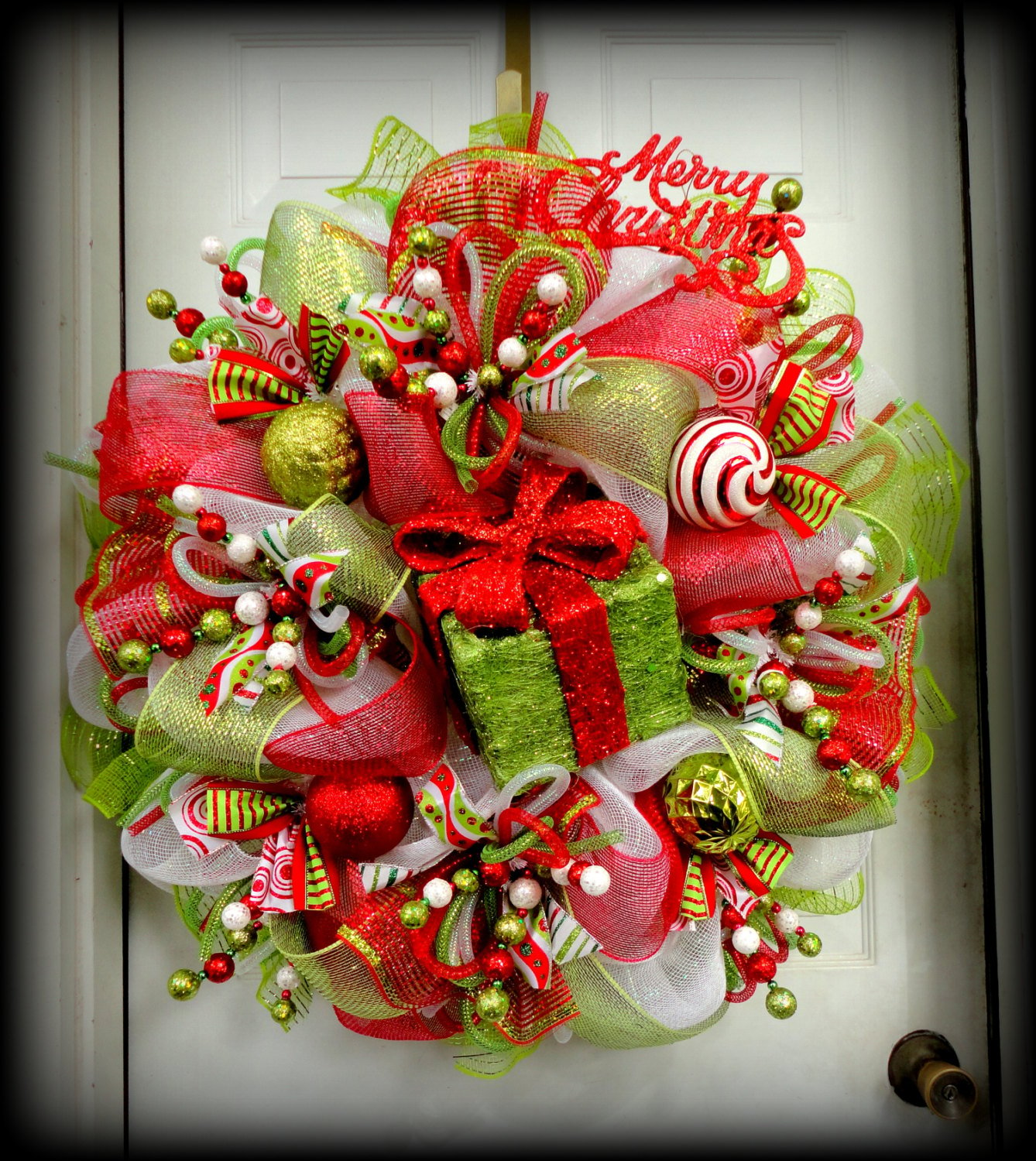
Christmas wreaths are more than seasonal holiday decorations; they are rich symbols of eternity, welcome, faith, and heritage that carry deep cultural and historical meanings passed down through generations.
The tradition of hanging a wreath during the winter holidays bridges ancient solstice customs, Roman celebrations, and Christian symbolism. Far from being random collections of evergreen branches, ribbons, and pinecones, traditional and modern wreaths often tell a specific story or convey a particular message. Understanding the symbolism behind different styles transforms a simple front-door decoration into an intentional expression of holiday spirit, historical awareness, and personal values.
1. The Evergreen Wreath: Eternal Life and Resilience
The foundational Christmas wreath is made of evergreens such as pine, fir, or spruce. Because these trees retain their green needles throughout the harsh winter months when all other flora appears dead, they have long symbolized eternal life and endurance. In ancient Rome and Celtic traditions, evergreen branches were brought indoors to ward off evil spirits and remind people that spring would eventually return. In a Christian context, the evergreen represents everlasting life through Jesus Christ, making it the most traditional base for holiday displays.
2. The Advent Wreath: Waiting and Hope
An Advent wreath is a horizontal circle of evergreen boughs holding four candles—traditionally three purple and one pink, or four red. Each week of the Advent season leading up to Christmas Day, a new candle is lit to mark the passage of time and the growing anticipation of the birth of Christ. The circular shape represents God's unending love, while the candles symbolize the light of Christ coming into a dark world.
3. The Holly Wreath: Protection and the Crown of Thorns
Holly features glossy, spiky leaves and bright red berries. In European folklore, holly was believed to possess protective powers against witches, goblins, and lightning. Christian tradition reinterpreted the plant: the prickly leaves symbolize the crown of thorns worn by Christ during his crucifixion, while the red berries represent the drops of blood he shed for humanity. A holly-dominated wreath is both visually striking and rich in sacrificial symbolism.
4. The Ivy Wreath: Fidelity and Attachment
Ivy is a clinging vine that stays green year-round and relies on trees or walls for support. Historically, ivy has symbolized fidelity, marriage, and faithfulness because of how tightly it adheres to its host. In holiday decor, an ivy wreath represents humanity's clinging reliance on God, as well as steadfast friendship and loyalty among loved ones during the festive season.
5. The Mistletoe Wreath: Peace and Hospitality
While usually associated with hanging bunches, mistletoe incorporated into a wreath carries deep roots in Norse mythology and ancient pagan traditions. Mistletoe was viewed as a plant of peace, reconciliation, and fertility. Enemies who met under mistletoe in a forest were required to lay down their weapons and declare a truce for the day. A mistletoe wreath on a front door signals an open, peaceful home welcoming all guests.
6. The Pinecone and Acorn Wreath: Rebirth and Potential
Pinecones, acorns, and nuts are staple natural elements in rustic Christmas wreaths. Botanically, pinecones are the seed-bearing organs of conifers, making them potent symbols of rebirth, resurrection, and future potential. Acorns symbolize potential greatness, patience, and growth from humble beginnings. Using these elements emphasizes a connection to nature and the cyclical nature of life.
7. The Cedar Wreath: Healing and Strength
Cedar branches are prized for their rich, aromatic fragrance and durable wood. In biblical times, cedar of Lebanon was used to build sacred structures like King Solomon’s Temple, associating the wood with holiness, incorruptibility, and spiritual strength. A cedar wreath is often chosen for its clean, earthy scent and its historic symbolism of healing and incorruptibility.
8. The Bay Laurel Wreath: Victory and Triumph
The bay laurel has been used since classical antiquity to crown victors in athletic competitions, poetry contests, and military triumphs. In the context of Christmas, a bay laurel wreath symbolizes spiritual victory, triumph over death, and the honor bestowed by divine grace. Its sleek, pointed green leaves offer a more formal and classical aesthetic than needle-bearing evergreens.
9. The Rosemary Wreath: Remembrance and Fidelity
Romance, remembrance, and fidelity are traditionally tied to rosemary, an herb with fragrant, needle-like leaves. In Shakespeare's Hamlet, Ophelia famously notes, "There's rosemary, that's for remembrance." A rosemary wreath imparts a wonderful culinary scent to an entryway while symbolizing the enduring memory of absent loved ones and family traditions during the holidays.
10. The Cinnamon Stick and Spice Wreath: Warmth and Abundance
Wreaths adorned with cinnamon sticks, dried orange slices, star anise, and cloves are sensory delights. Historically, spices were luxury commodities traded across vast distances, making them symbols of wealth, hospitality, and generosity. The warm aromas of cinnamon and citrus represent the comforting warmth of a home open to travelers during the coldest nights of the year.
Comparative Overview of Common Wreath Styles and Meanings
| Wreath Type / Material | Primary Botanical Element | Core Historical / Cultural Meaning | Best Suited For |
|---|---|---|---|
| Traditional Evergreen | Pine, Fir, Spruce | Eternal life, resilience, and endurance | Front doors, general holiday decor |
| Advent Wreath | Evergreen boughs + 4 candles | Anticipation, hope, and the light of Christ | Dining tables, church altars |
| Holly Wreath | Ilex (Holly) leaves & berries | Crown of thorns, sacrifice, and protection | Traditional displays, indoor walls |
| Ivy Wreath | Hedera (Ivy) vines | Fidelity, attachment, and spiritual reliance | Covered porches, intimate entryways |
| Mistletoe Wreath | Phoradendron branches | Peace, hospitality, and truce | Welcoming entryways, festive halls |
| Pinecone & Nut | Cones, acorns, mast | Rebirth, potential, and connection to nature | Rustic homes, autumn-to-winter transition |
| Cedar Wreath | Cedrus boughs | Strength, holiness, and incorruptibility | Classic holiday displays, fragrant entryways |
| Bay Laurel Wreath | Laurus nobilis leaves | Victory, triumph, and divine honor | Formal architecture, classical aesthetics |
| Herb & Spice Wreath | Rosemary, cinnamon, citrus | Remembrance, hospitality, and warmth | Kitchen doors, dining areas |
11. The Red Ribbon Wreath: Love and Generosity
A prominent red bow or ribbon is a standard fixture on many Christmas wreaths. Red is universally associated with fire, blood, life, and passionate love. In Christian symbolism, the red ribbon represents the blood of Christ shed for humanity. In secular traditions, it signifies warmth, generosity, and the joyous spirit of giving during the holiday season.
12. The White Ribbon Wreath: Purity and Peace
When a wreath is tied with a pristine white ribbon or frosted with white artificial snow, it adopts themes of purity, innocence, light, and winter peace. White serves as a visual reminder of fresh-fallen snow, cleansing, and new beginnings as the calendar year draws to a close.
13. The Gold and Silver Wreath: Royalty and Celestial Light
Wreaths featuring metallic gold and silver elements draw inspiration from the Biblical Magi, or Three Wise Men, who brought gifts of gold, frankincense, and myrrh to the infant Jesus. Gold symbolizes royalty, wealth, and the sun, while silver represents purity, the moon, and celestial light. These metallic wreaths add an air of regal elegance to holiday decorating.
14. The Burlap and Rustic Wreath: Humility and Simplicity
Crafted from coarse hessian or burlap fabric, rustic wreaths harken back to agrarian traditions and the humble circumstances of Jesus's birth in a stable. This style emphasizes simplicity, sustainability, and rustic charm, making it a favorite for modern farmhouse and country-style holiday aesthetics.
15. The Fruit-Laden Wreath (Robbia Style): Harvest and Bounty
Inspired by the glazed terracotta sculptures of the Renaissance artist Luca della Robbia, these wreaths incorporate faux or dried apples, pears, lemons, grapes, and pomegranates mixed with greenery. They symbolize the agricultural harvest, gratitude for nature's bounty, and prayers for agricultural fertility in the coming year.
16. The Eucalyptus Wreath: Healing and Fresh Beginnings
Modern interior design frequently utilizes silver-dollar or seeded eucalyptus for holiday wreaths. Eucalyptus is known for its medicinal properties and clean, soothing fragrance. In wreath symbolism, eucalyptus represents healing, protection, and clearing away negative energy to make room for fresh beginnings in the new year.
17. The Olive Branch Wreath: Peace and Reconciliation
The olive branch has been an international symbol of peace since ancient Greek and biblical times (famously carried by a dove to Noah's ark). An olive branch wreath displayed on a door sends a clear message of peace, goodwill toward humanity, and a desire for reconciliation among neighbors and family members.
18. The Poinsettia Wreath: The Star of Bethlehem
Poinsettias, native to Central America, are tied to the Mexican legend of La Noche Buena, where a poor girl named Pepa offered weeds to the church altar, which miraculously transformed into brilliant red and green plants. The star-shaped bracts of the poinsettia are said to represent the Star of Bethlehem, making poinsettia wreaths symbols of miraculous faith and celebration.
19. The Cotton Boll Wreath: Southern Heritage and Hospitality
Featuring fluffy white cotton bolls attached to woody stems, cotton wreaths are deeply rooted in Southern American holiday traditions. They symbolize patience, the rewards of hard work, and down-home Southern hospitality, offering a warm, textured alternative to traditional needle-evergreen wreaths.
20. The Felt and Fabric Wreath: Handcrafted Warmth and Family
Handmade wreaths crafted from wool, felt, flannel, or patchwork quilting pieces emphasize domestic arts and personal creativity. These family-friendly decorations highlight the warmth of home, the value of handmade gifts, and the preservation of domestic crafting traditions across generations.
21. The Dried Flower Wreath: Enduring Beauty
Utilizing dried statice, strawflowers, lavender, and globe amaranth, these wreaths capture the colors of summer and autumn and preserve them into the winter season. They symbolize enduring beauty, patience, and the preservation of cherished memories despite the passing of time and seasonal change.
22. The Monogram Wreath: Family Identity and Heritage
A wreath featuring a prominent initial or family crest at its center places a distinct focus on family identity, lineage, and home ownership. It serves as a personal welcome sign that anchors holiday celebrations within the specific heritage and history of the household residing within.
23. The Nautical Wreath: Coastal Heritage and Safe Harbor
Common in maritime communities, nautical wreaths incorporate elements such as rope, driftwood, seashells, and starfish alongside evergreen sprigs. They symbolize a safe harbor after a long voyage, protection for mariners braving winter seas, and a coastal celebration of the holiday season.
24. The Feather Wreath: Elegance and Lightness
Victorian-era holiday traditions occasionally utilized dyed feathers—often from game birds, turkeys, or peacocks—to construct intricate, shimmering wreaths. Feather wreaths symbolize lightness of spirit, transformation, and dramatic elegance, offering a unique visual texture compared to rigid botanical foliage.
25. The Paper Wreath: Scholarly Reflection and Resourcefulness
Crafted from book pages, sheet music, or colored cardstock, paper wreaths highlight resourcefulness, education, and the written word. They are popular among teachers, book lovers, and crafters, symbolizing the preservation of stories, knowledge, and creative expression during festive gatherings.
26. The Wheat Sheaf Wreath: Agricultural Gratitude
Wheat and grain wreaths celebrate the final harvest of the year before winter sets in. Tied together with ribbons, they symbolize bread, sustenance, gratitude for daily provisions, and the hope for a fertile agricultural season when spring returns.
27. The Scandinavian Yule Wreath: Winter Solstice Tradition
Rooted in pre-Christian Norse traditions, the Yule wreath was burned or displayed during the winter solstice to honor the sun's return. Modern Scandinavian-style wreaths often feature minimalist greenery, red wooden ornaments, and geometric straw stars (julbock), symbolizing ancient light worship and simple winter coziness (hygge).
28. The Bough and Bell Wreath: Announcement and Joy
Wreaths featuring brass or iron bells interwoven with evergreen branches carry auditory symbolism. In Christian tradition, bells were rung to announce sacred events, drive away evil spirits, and ring in the birth of Christ. A bell wreath symbolizes joyful proclamation, celebration, and spiritual awakening.
29. The Succulent Wreath: Adaptability and Resilience
Modern botanical trends have popularized wreaths made from living rosette succulents like echeveria and sedum. Because succulents store water in their thick leaves and thrive in challenging conditions, these living wreaths symbolize resilience, adaptability, and enduring vitality through difficult environments.
30. The Minimalist Modern Wreath: Simplicity and Focus
Characterized by a simple brass or iron hoop adorned with only a small cluster of greenery or a single sprig of eucalyptus, the minimalist modern wreath strips away excess ornamentation. It symbolizes intentional living, mental clarity, modern design principles, and a focused appreciation for the essentials of the holiday season.
Frequently Asked Questions
Why are Christmas wreaths traditionally hung on front doors?
Historically, hanging a wreath on a front door was a gesture of welcome to travelers and guests, signaling that the household shared in the festive spirit of peace and hospitality. In ancient Roman times, wreaths were hung on doors as symbols of victory, status, and civic pride. Over time, this evolved into a seasonal tradition welcoming the holiday season and offering protection to the home within.
What is the original shape of a Christmas wreath and why does it matter?
The traditional shape of a Christmas wreath is a continuous circle. Because a circle has no beginning and no end, it was adopted by early Christians and ancient cultures alike as a universal symbol of eternity, infinity, and God's unending love. The unbroken loop represents completeness and unbroken unity among family and community.
Are all Christmas wreaths religious in nature?
No. While many wreath traditions—such as the Advent wreath, holly wreaths symbolizing the crown of thorns, and evergreens representing eternal life—have deep Christian roots, many customs predate Christianity. Ancient Roman, Celtic, and Norse solstice celebrations used evergreens, mistletoe, and yule symbols to mark the turning of the seasons, celebrate light, and encourage the return of spring. Today, wreaths serve both sacred and secular holiday roles.
How do I choose the right wreath for my home's decor?
Choosing the right wreath depends on your home's architectural style and personal aesthetic. Traditional homes often benefit from classic evergreen wreaths featuring pinecones and red velvet bows. Modern or minimalist spaces pair well with asymmetrical brass hoop wreaths or eucalyptus designs. If you prefer a rustic or farmhouse feel, look for cotton bolls, burlap ribbons, or dried spice and citrus elements.
Can living succulent or herb wreaths survive the winter?
Living succulent and herb wreaths (such as rosemary or bay laurel) require specific care depending on your local climate. In freezing outdoor temperatures, delicate plants may suffer damage unless brought indoors or placed on a protected, covered porch. Many people choose hardy evergreens for freezing outdoor environments and reserve tender herb or succulent wreaths for indoor display or mild winter climates.
Conclusion and Next Action
Selecting or crafting a Christmas wreath is a meaningful way to connect with centuries of holiday history while personalizing your home's entryway. Whether you choose a classic evergreen base to symbolize eternal life, a fragrant rosemary wreath for remembrance, or a modern minimalist hoop for clean design, let your choice reflect the values and warmth you wish to share this holiday season. To get started, assess your front door's exposure to weather elements, select a style that matches your personal aesthetic or heritage, and hang your wreath securely to welcome guests all season long.