In the context of automotive and aerospace fluid systems, a 3 AN thread size refers to a fitting designed for a 3/16-inch outer diameter (OD) tube that utilizes a 3/8-24 UNF thread. This standard incorporates a 37-degree flare to create a high-pressure, metal-to-metal seal without the need for additional sealing compounds or gaskets.
The "AN" designation stands for Army-Navy, a system of standards developed during World War II to ensure the interchangeability of fluid-carrying components across various branches of the military. While the system has technically been replaced in military applications by the AS (Aerospace Standard) and MS (Military Standard) specifications, the term "AN" remains the industry standard in high-performance automotive, marine, and aviation circles. As of 2026, -3 AN continues to be the most common size for hydraulic brake and clutch lines due to its high pressure rating and compact profile.
The Mathematics of AN Dash Sizes
To understand why a 3 AN fitting is the size it is, one must understand the "dash" system. In the AN system, the number following the dash represents the outside diameter of the tubing in increments of 1/16th of an inch.
- -2 AN = 2/16" (1/8" Tube OD)
- -3 AN = 3/16" Tube OD
- -4 AN = 4/16" (1/4" Tube OD)
- -6 AN = 6/16" (3/8" Tube OD)
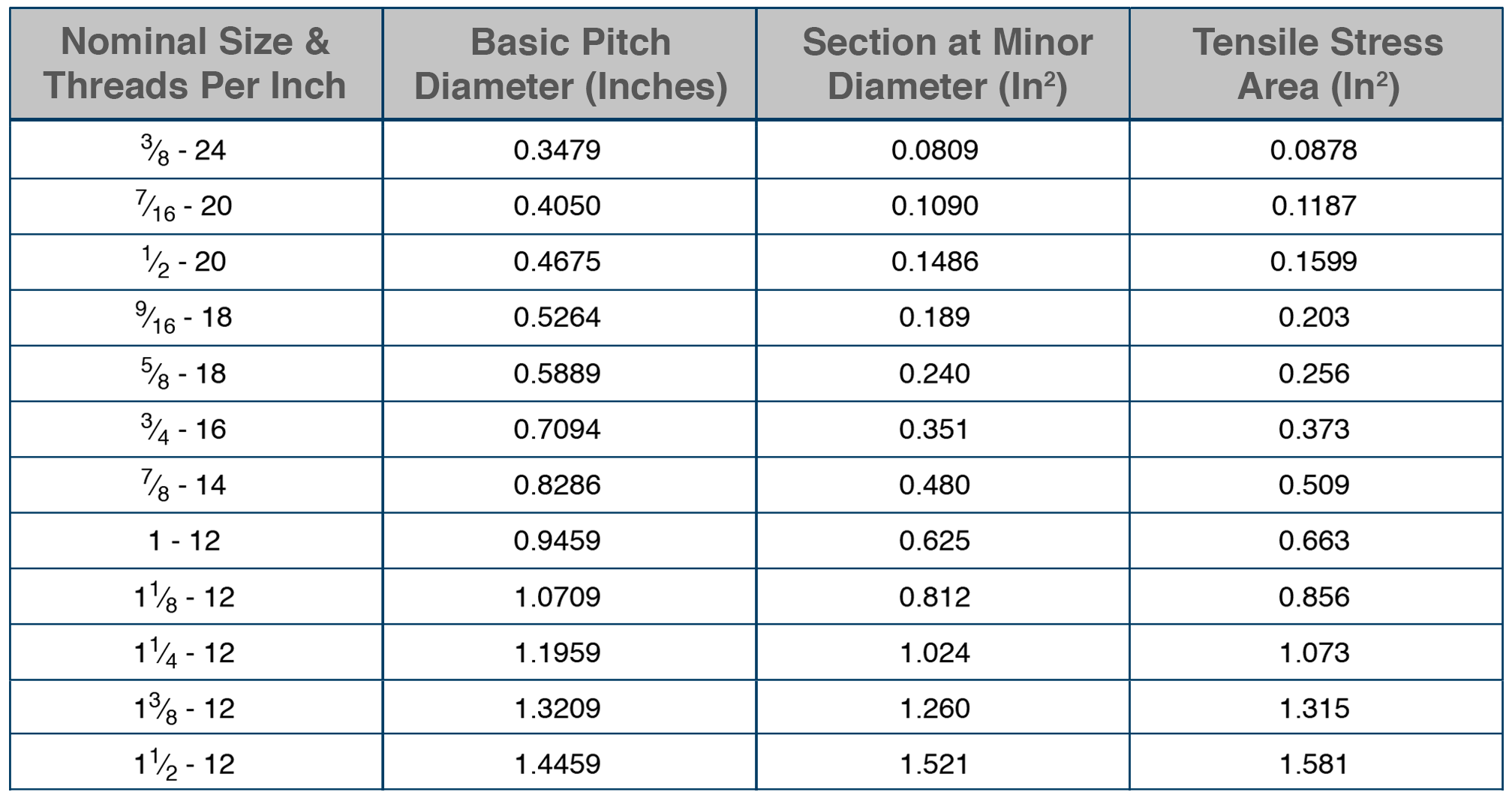
While the dash number directly identifies the tubing size, it does not directly state the thread size. For a -3 AN fitting, the corresponding thread is 3/8-24 UNF. This means the thread has a nominal outer diameter of 3/8 of an inch and a pitch of 24 threads per inch (TPI). It is a "Unified Fine" (UNF) thread, which provides higher strength and better vibration resistance compared to coarse threads, making it ideal for the high-vibration environment of a race car or aircraft engine.
Detailed Technical Specifications of 3 AN
When ordering parts or fabricating custom lines in 2026, precision is vital. The following technical specifications define the physical geometry of a standard 3 AN male and female connection.
Thread Geometry
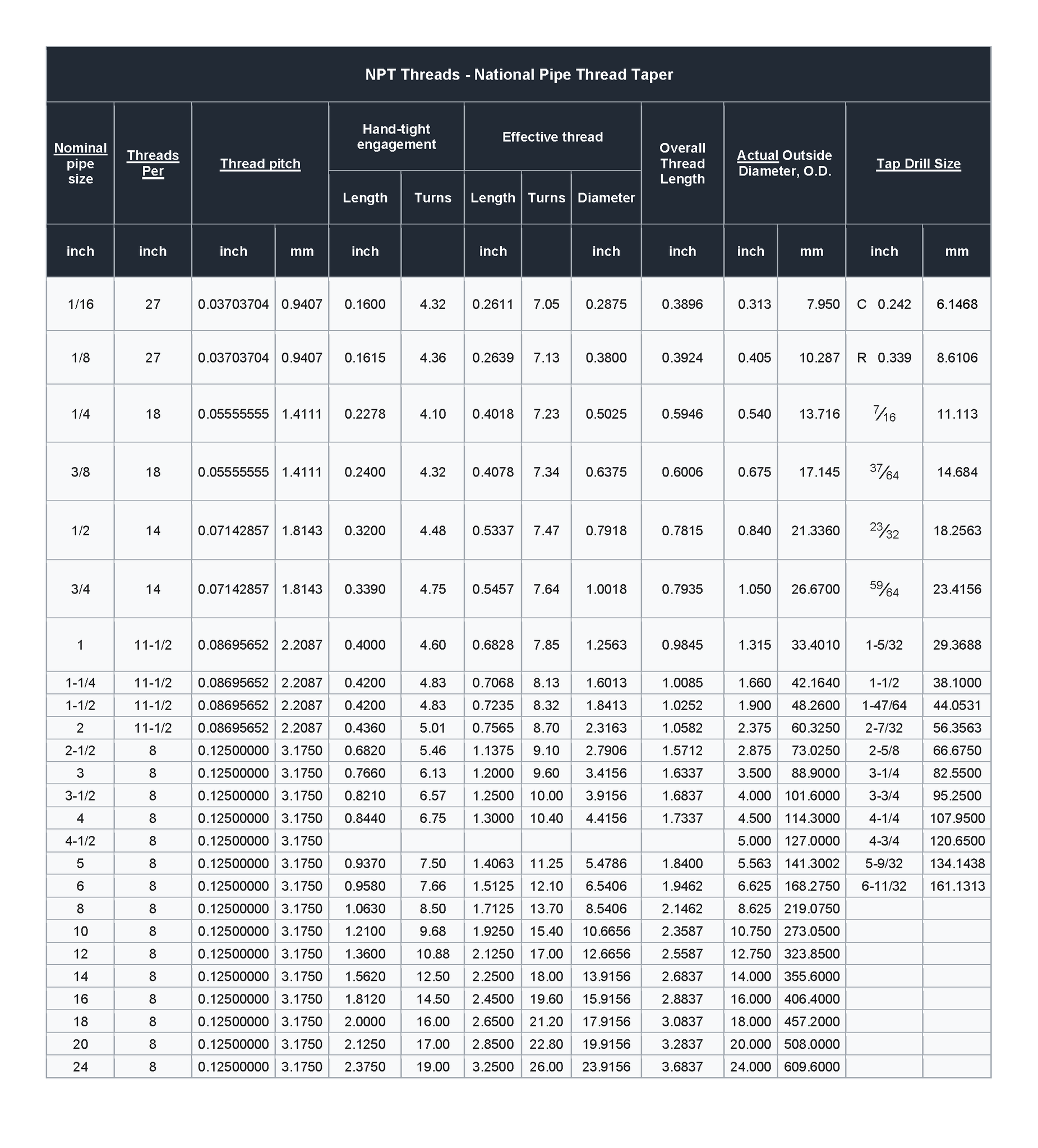
The 3/8-24 UNF thread used in -3 AN fittings is a straight thread, not a tapered thread like NPT (National Pipe Thread). Because the threads are straight, they do not provide the seal; their only purpose is to provide the mechanical force necessary to wedge the male and female 37-degree flares together.
- Major Diameter (Male): 0.3750 inches (9.525 mm)
- Thread Pitch: 24 TPI
- Thread Type: Unified Fine (UNF) Class 2A (Male) or 2B (Female)
The 37-Degree Flare
The defining feature of the AN system is the 37-degree flare angle. Both the male and female components have a precision-machined conical surface angled at 37 degrees relative to the centerline of the fitting. When the nut is tightened, these two surfaces are compressed against each other. This metal-to-metal contact creates a seal capable of withstanding pressures often exceeding 3,000 PSI, which is essential for hydraulic braking systems where pedal pressure translates to extreme internal line stress.
Comparison of Small-Diameter AN Sizes
Understanding how -3 AN compares to its neighboring sizes helps in selecting the correct flow characteristics for a specific system.
| AN Size | Tube OD (Inches) | Thread Size (UNF) | Typical Application |
|---|---|---|---|
| -2 AN | 1/8" | 5/16-24 | High-pressure gauges, specialized small hydraulics |
| -3 AN | 3/16" | 3/8-24 | Brake lines, clutch lines, nitrous oxide feed |
| -4 AN | 1/4" | 7/16-20 | Turbo oil feed, fuel pressure gauges, small oil lines |
| -6 AN | 3/8" | 9/16-18 | Main fuel lines, transmission coolers |
Common Applications for 3 AN Fittings
The -3 AN size is specialized for applications requiring high pressure but relatively low volume. Because the internal diameter (ID) is small, it is not suitable for main fuel delivery in high-horsepower engines, but it is the gold standard for several other subsystems.
Hydraulic Braking Systems
In the automotive world, -3 AN is almost synonymous with brake lines. Most aftermarket big brake kits, master cylinders, and proportioning valves utilize -3 AN as the primary connection point. The small 3/16" diameter minimizes the volume of fluid that must be moved to actuate the calipers, resulting in a firmer, more responsive brake pedal.
Hydraulic Clutch Lines
Similar to braking systems, hydraulic clutches require high pressure to move the slave cylinder and release the pressure plate. -3 AN provides the necessary strength while allowing for flexible stainless-steel braided lines that are much easier to route than the rigid hard lines often found in OEM applications.
Nitrous Oxide Systems
Nitrous oxide (N2O) is stored in bottles at pressures ranging from 800 to 1,200 PSI. The small diameter of -3 AN is frequently used for the "main feed line" in smaller nitrous kits or as the individual "nozzle lines" in direct-port configurations. The high-pressure rating of the 37-degree flare ensures that the volatile gas does not leak at the connection points.
Pressure Sending Units
Oil pressure and fuel pressure gauges often use -3 AN lines to connect the engine block or fuel rail to a remote sensor or a mechanical gauge in the cockpit. This size is preferred because it is compact and easy to route through firewalls.
Metallurgy and Material Selection
The performance of a 3 AN fitting is heavily influenced by its material. In 2026, the market is dominated by three primary materials, each with specific use cases.
Aluminum (6061-T6 or 7075-T6)
Aluminum AN fittings are favored for their light weight and corrosion resistance. They are typically anodized in various colors (traditionally blue and red, but increasingly black or clear). While excellent for fuel and oil, aluminum is often avoided in permanent brake line installations in favor of more robust materials, though high-grade 7075 aluminum is sometimes used in racing.
Steel (Zinc-Plated)
Zinc-plated steel fittings are common in industrial applications and budget-friendly automotive kits. They offer higher strength than aluminum and are less prone to "galling" (a form of wear caused by adhesion between sliding surfaces). Steel is the standard choice for brake lines due to its fatigue resistance.
Stainless Steel (304 or 316)
Stainless steel is the premium choice for -3 AN fittings, especially in brake and clutch systems. It offers the highest corrosion resistance and the highest burst pressure ratings. Stainless steel is essentially mandatory for any application where the lines are exposed to the elements or where safety is the absolute priority.
AN vs. JIC: A Critical Distinction
A common point of confusion is the difference between AN and JIC (Joint Industry Council) fittings. Visually, a -3 AN and a -3 JIC fitting look identical. Both utilize a 37-degree flare and 3/8-24 UNF threads.
However, the differences lie in the manufacturing tolerances and thread classes. AN fittings are built to tighter tolerances (MIL-F-5509 or AS81756 standards), often featuring "J-threads" which have a radiused root for increased fatigue strength. JIC fittings are industrial-grade and generally have looser tolerances. While they are often physically interchangeable, using an industrial JIC fitting in a high-performance aerospace or racing brake system can lead to premature failure under extreme vibration or pressure cycles.
Installation and Torque Requirements
Properly installing -3 AN fittings is a skill that requires precision. Because the seal is formed by the 37-degree flare, the "feel" of the tightening process is different from NPT or O-ring seals.
- Alignment: Ensure the male and female flares are perfectly aligned before threading the nut. Cross-threading a 3/8-24 thread is easy to do if the line is under tension.
- Hand Tightening: Spin the nut until it is finger-tight. The flare should be seated.
- The "Flats" Method: For -3 AN aluminum fittings, once finger-tight, use a wrench to tighten the nut an additional 1 to 1.5 "flats" (the flat sides of the hex nut). For stainless steel, you may require slightly more torque.
- Avoid Over-tightening: Over-tightening a -3 AN fitting can crush the flare or crack the nut. Once the flare is deformed from excessive torque, it will likely never seal again, even if tightened further.
Anti-Galling Measures
When using stainless steel -3 AN fittings, it is highly recommended to use a small amount of thread lubricant or anti-seize. Stainless-on-stainless threads are notorious for galling, where the threads essentially weld themselves together during assembly. Note: Lubricant should be applied to the threads only, never the flare surface itself, as the flare relies on clean metal-to-metal contact.
Troubleshooting Common 3 AN Issues
Despite the reliability of the AN standard, leaks can occur. Most -3 AN issues stem from installation errors rather than component failure.
- Leaking at the Flare: This is usually caused by a scratch on the 37-degree cone or a piece of debris trapped between the flares. Even a microscopic scratch can provide a leak path for high-pressure brake fluid.
- Cracked Nuts: This is a symptom of extreme over-torque. Because -3 AN is a small fitting, it is easy to apply too much leverage with a standard-sized wrench.
- Weeping through the Hose: If you are using a braided line and fluid is weeping through the braid, the issue is likely a failure of the internal liner (often PTFE or rubber) where it meets the hose end, not the 3 AN thread itself.
Frequently Asked Questions
What is the difference between -3 AN and 3/8-24 inverted flare?
While they share the same 3/8-24 thread size, they are not compatible. A -3 AN fitting uses a 37-degree male flare to seal. An inverted flare (common on OEM brake lines) uses a 45-degree flare that is "inverted" or folded back into the fitting. Attempting to connect a -3 AN hose to an inverted flare port will result in a total seal failure.
Can I use Teflon tape on 3 AN threads?
No. Teflon tape or pipe sealant should never be used on AN threads. Since the threads do not provide the seal, the tape does nothing to prevent leaks. Furthermore, shreds of Teflon tape can break off, enter the hydraulic system, and clog small orifices in brake calipers or master cylinders, leading to dangerous mechanical failure.
Is -3 AN the same as 3/16" brake line?
In terms of diameter, yes. Most 3/16" hard brake lines can be flared to 37 degrees to accept a -3 AN tube nut and sleeve. However, standard automotive brake line flaring tools usually create a 45-degree flare. To use -3 AN hardware, you must use a specific 37-degree flaring tool.
Why is -3 AN preferred over -4 AN for brakes?
While -4 AN is stronger, it has a larger internal volume. In a brake system, larger lines require more fluid movement to build pressure, which can make the brake pedal feel "spongy" or travel further than necessary. -3 AN provides the perfect balance of pressure capacity and low volume for immediate pedal response.
Can I reuse 3 AN fittings?
The fittings themselves (the adapters) are generally reusable as long as the 37-degree flare faces remain smooth and the threads are undamaged. However, if you are using "crimped" hose ends, they cannot be reused. "Reusable" hose ends (the type you assemble yourself with a wrench) can be reused if the internal brass or olive insert is replaced, depending on the specific brand's design.
Recommended Next Actions
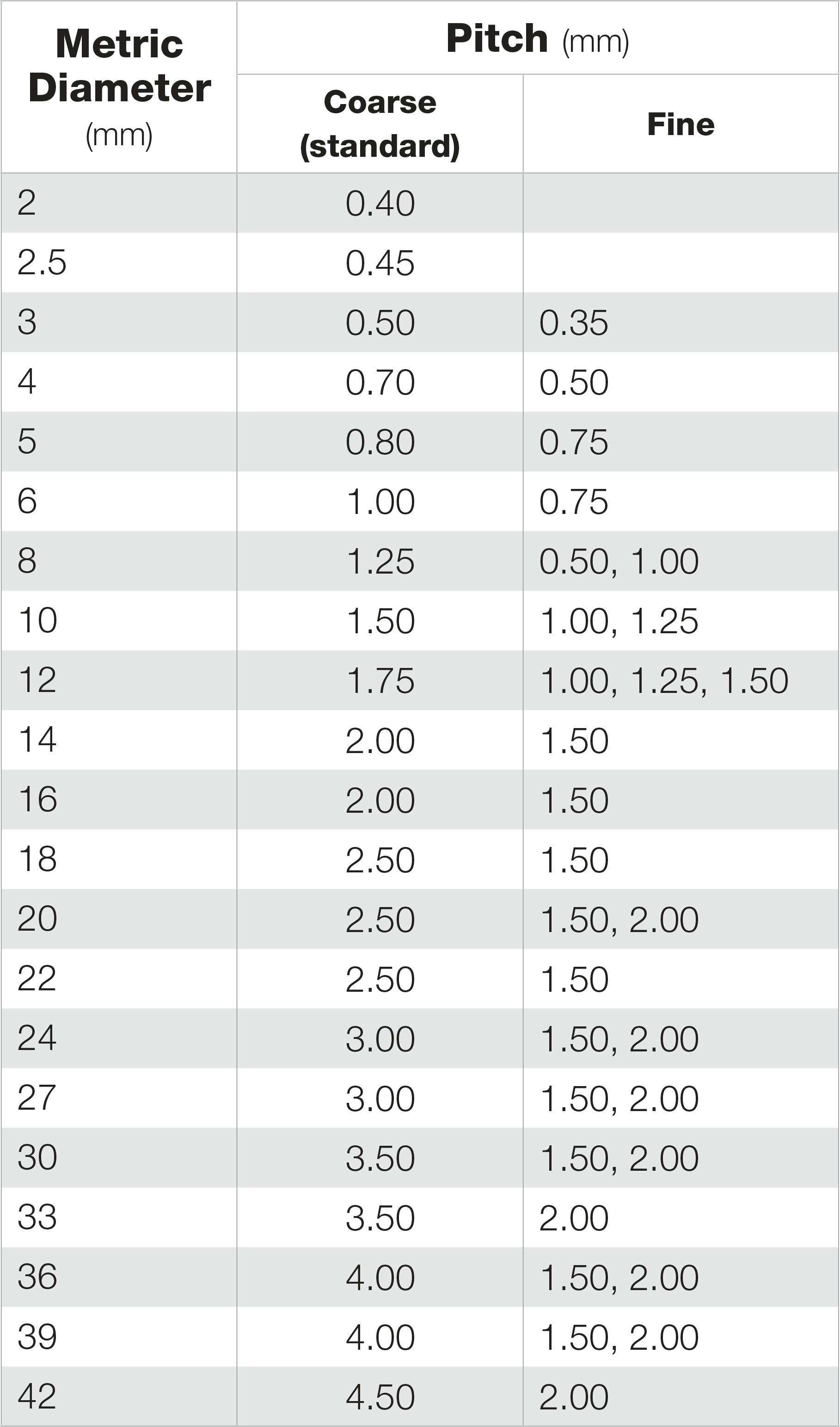
If you are currently designing a fluid system or replacing brake lines, start by verifying your port sizes. If your master cylinder or caliper has a non-AN port (such as 10mm x 1.0 or 1/8" NPT), you will need a conversion adapter to transition to -3 AN.
Always prioritize stainless steel -3 AN components for any street-driven or high-performance braking system to ensure longevity and safety. Before final assembly, inspect every male flare for nicks or burrs, and ensure you have a dedicated 37-degree flaring tool if you are fabricating your own hard lines.