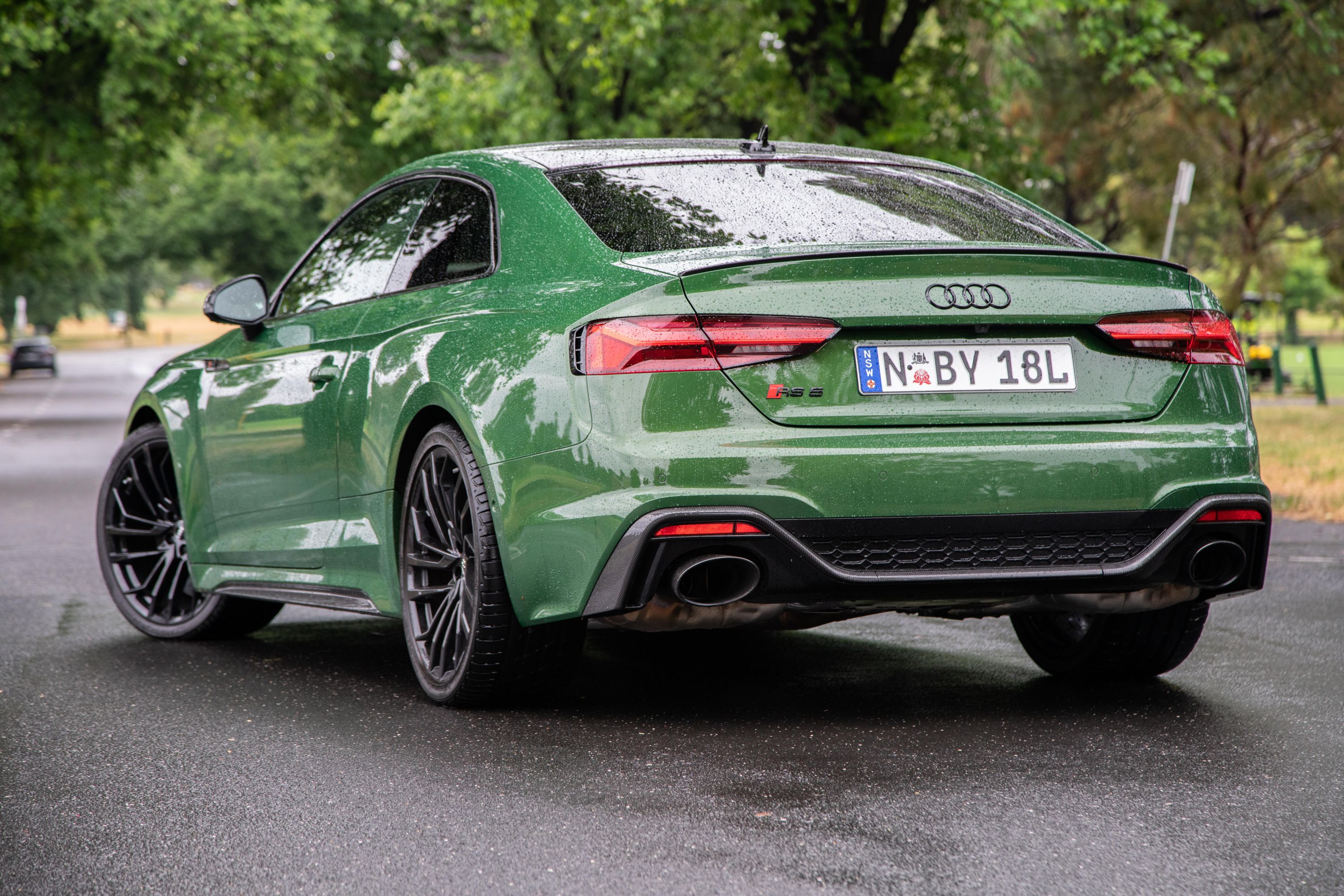
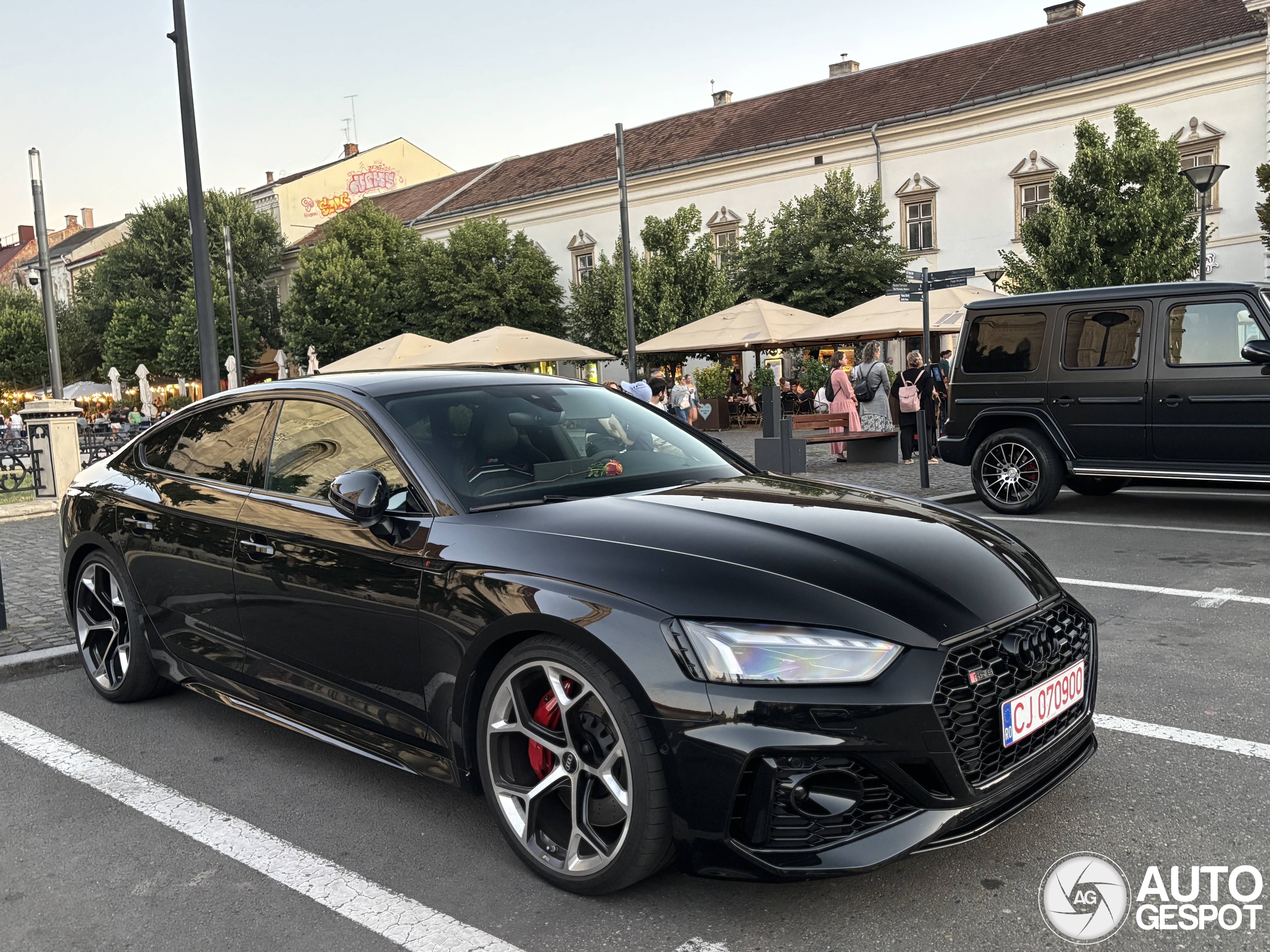
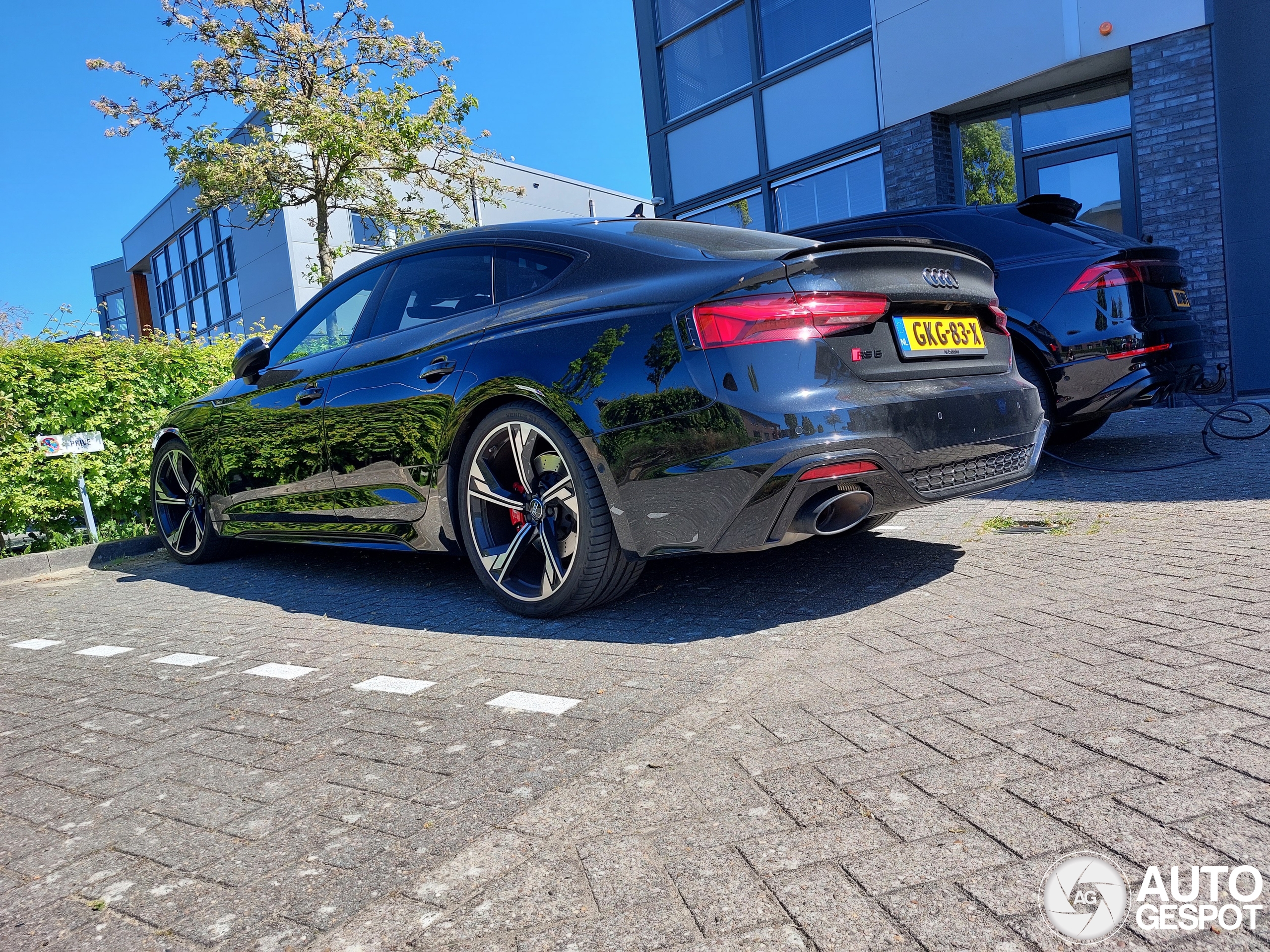
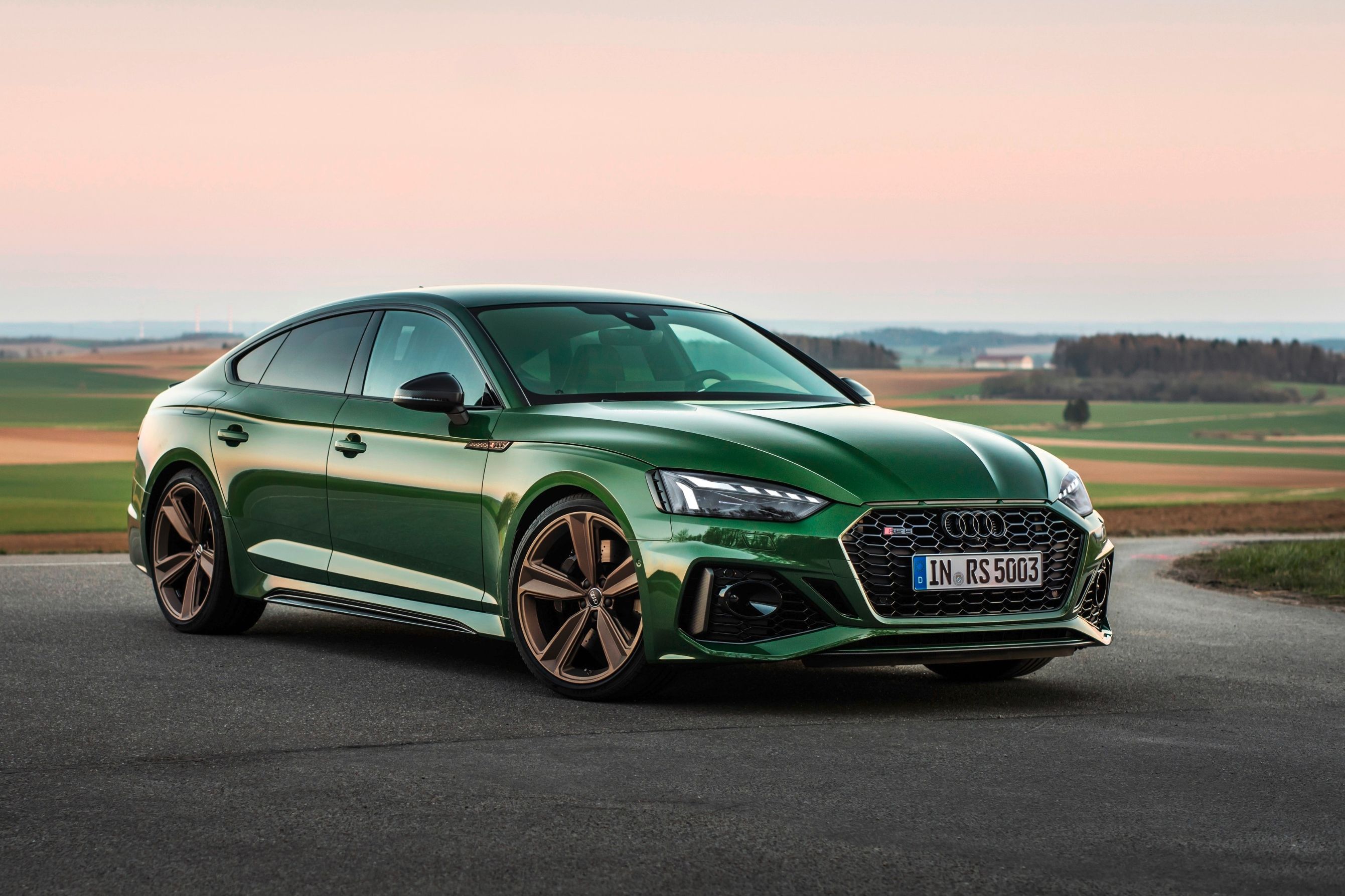
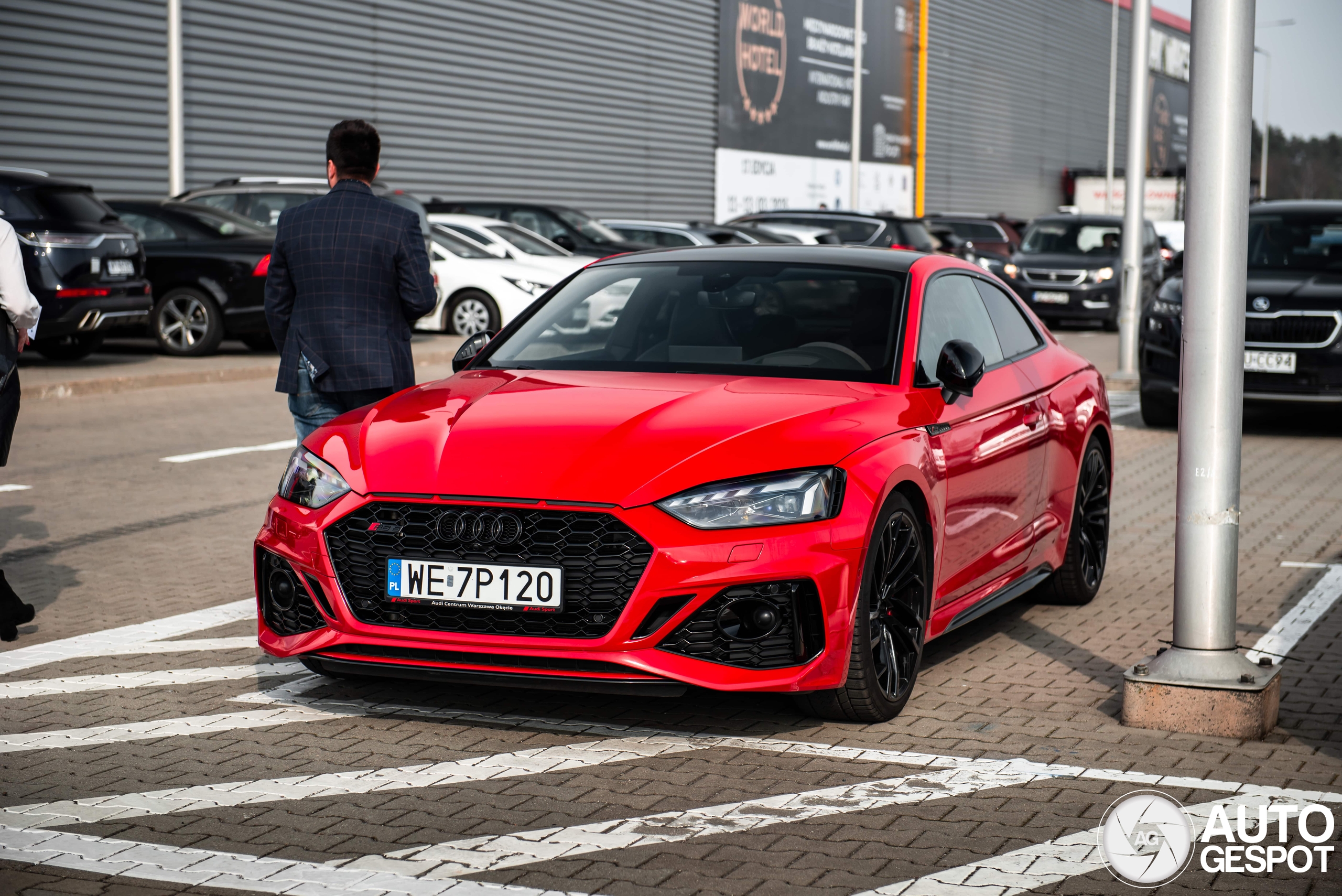
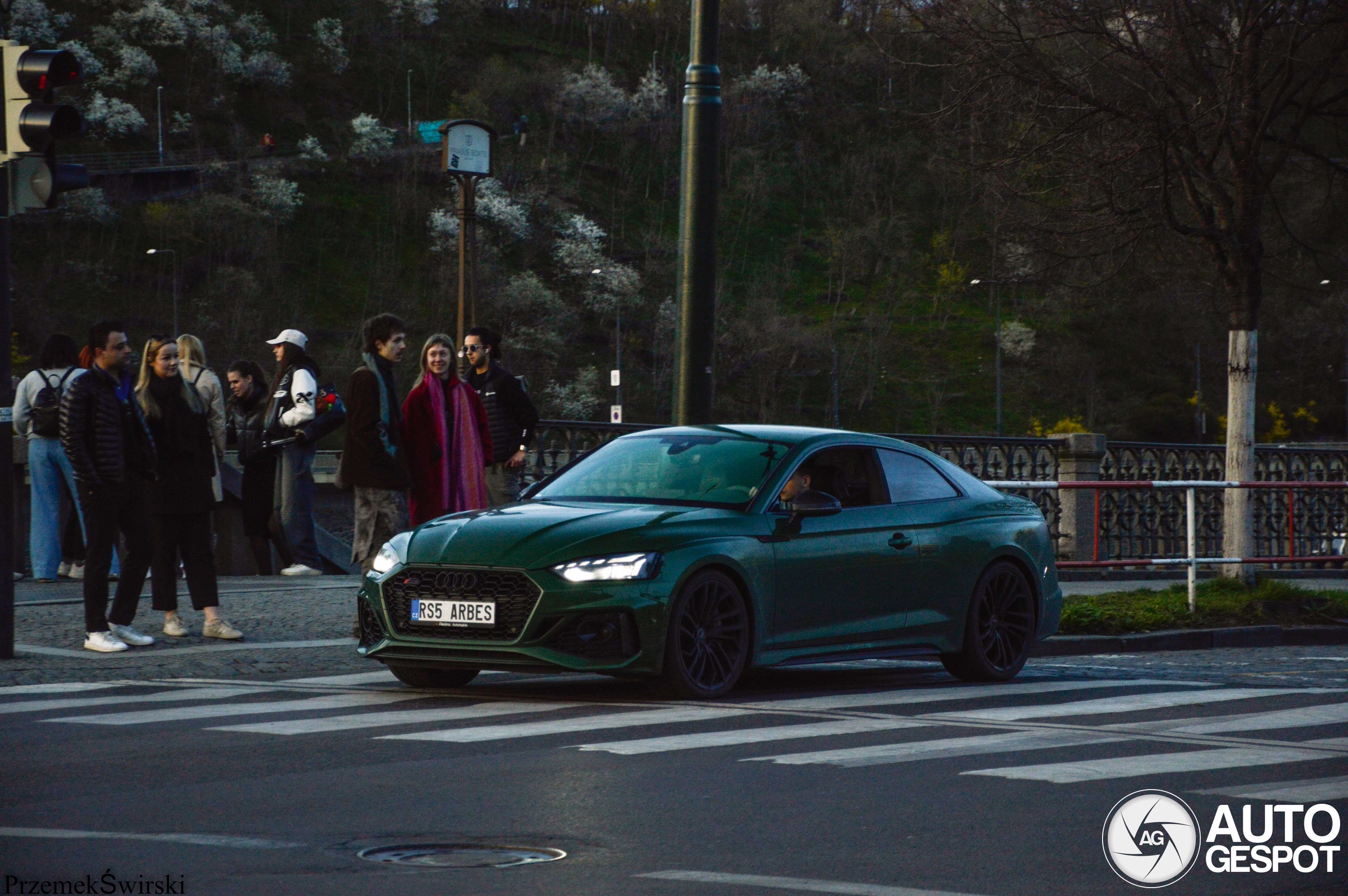
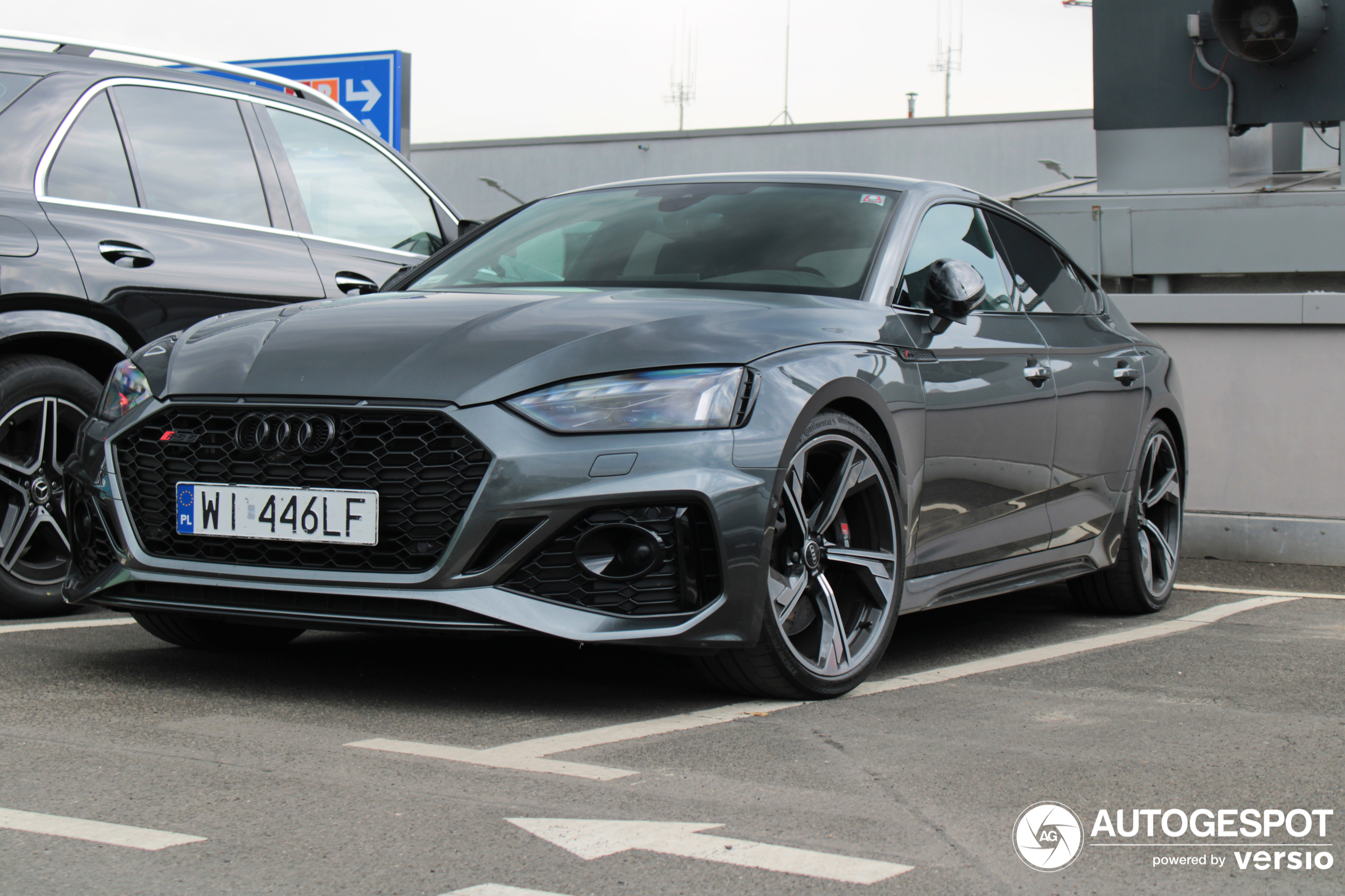
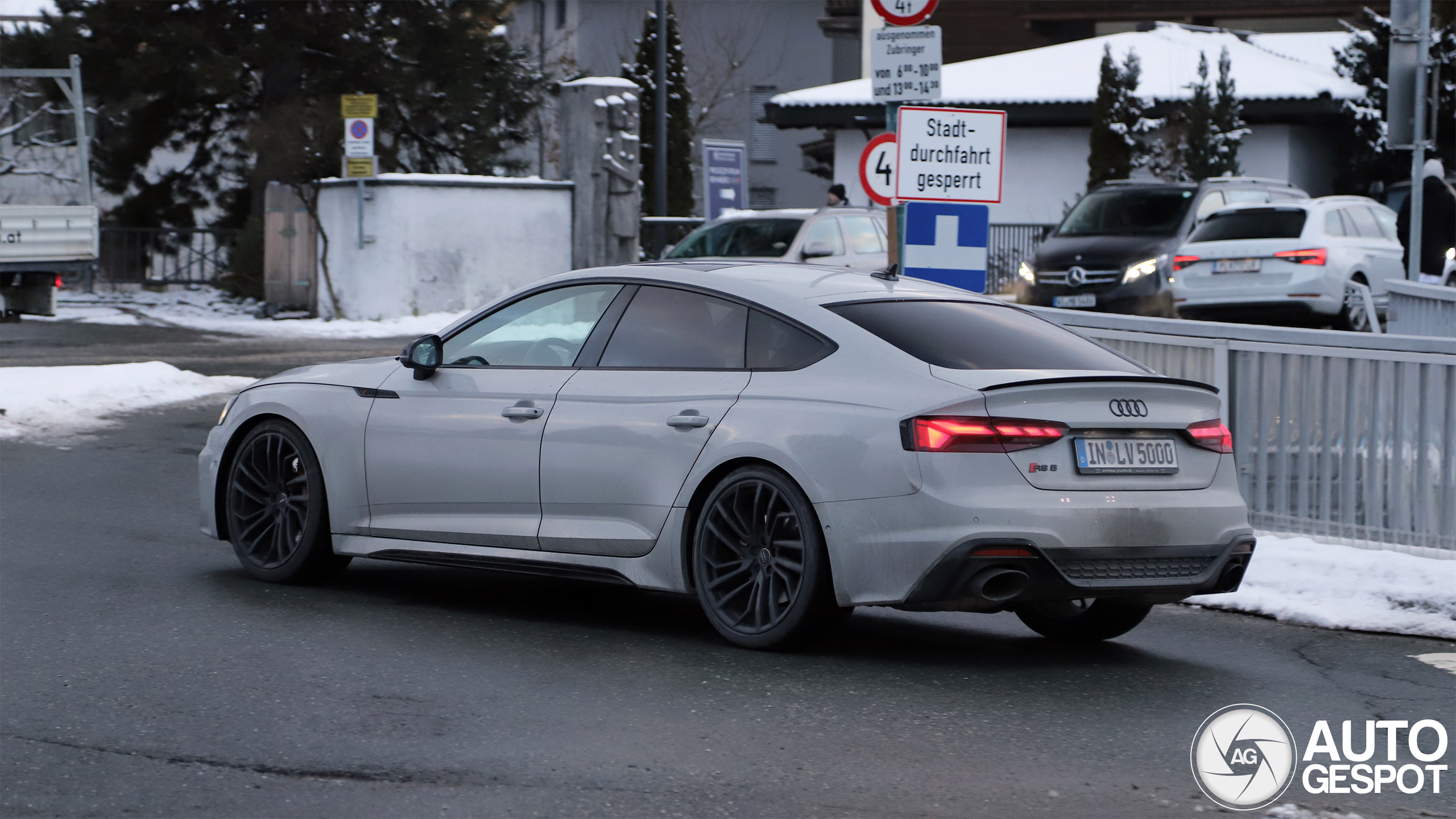
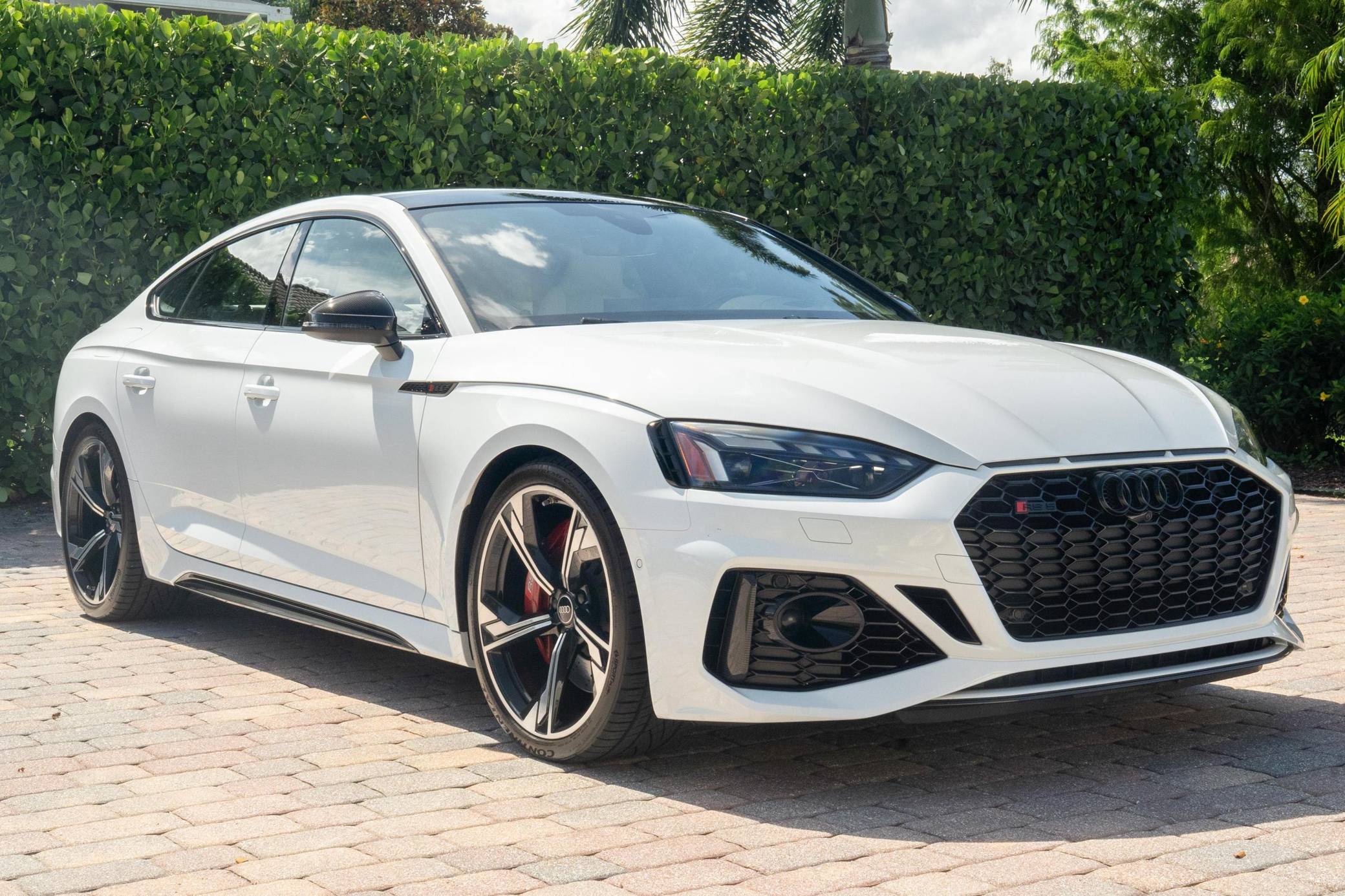
The 2021 Audi RS5 achieves a real-world 0-60 mph time of 3.6 seconds through its 444-horsepower 2.9L twin-turbo V6 and rear-biased Quattro all-wheel-drive system. While Audi officially cites 3.7 to 3.8 seconds, independent testing consistently proves that optimal conditions and launch control unlock sub-3.7-second sprints for both the Coupe and Sportback.
The Engineering Behind the 3.6-Second Sprint
To understand how the 2021 Audi RS5 achieves its blistering acceleration, one must look beneath the hood at the EA839 power plant. This 2.9-liter V6 engine was co-developed with Porsche and utilizes a "hot V" configuration. In this setup, the two turbochargers are placed within the V-angle of the cylinder banks rather than on the outside. This design significantly shortens the path the exhaust gases must travel to reach the turbines, virtually eliminating turbo lag and providing the immediate torque necessary for a 3.6-second 0-60 mph launch.
The engine produces 444 horsepower and 443 lb-ft of torque. Crucially, that peak torque is available from a low 1,900 RPM and holds steady until 5,000 RPM. This broad torque curve ensures that once the car leaves the line, it continues to pull with unrelenting force through the first three gears of its ZF-sourced 8-speed Tiptronic transmission.
The Role of the ZF 8-Speed Tiptronic
Unlike the smaller RS3, which utilizes a dual-clutch transmission (DSG), the 2021 RS5 uses a torque-converter automatic. While purists often prefer dual-clutch systems for their lightning-fast shifts, the 8-speed Tiptronic in the RS5 is engineered for the high torque loads produced by the twin-turbo V6. During a maximum-acceleration run, the transmission's programming allows for aggressive "shulders" or rapid-fire shifts that keep the engine in the heart of its power band. The torque converter also provides a smoother, more consistent launch from a standstill compared to some temperamental dual-clutch systems.
Quattro All-Wheel Drive: Traction as a Catalyst
Power is useless without the ability to transfer it to the pavement. The 2021 Audi RS5 utilizes a permanent Quattro all-wheel-drive system with a self-locking center differential. In standard driving conditions, the system directs 40% of the torque to the front axle and 60% to the rear. This rear-biased setup gives the RS5 the handling characteristics of a rear-wheel-drive car while maintaining the "claws-in-the-tarmac" grip required for a sub-4-second sprint.
When the sensors detect wheel slip during an aggressive 0-60 mph attempt, the center differential can redirect up to 70% of the power to the front or 85% to the rear almost instantaneously. This mechanical advantage is what allows the RS5 to achieve consistent times regardless of minor variations in road surface quality, a feat that rear-wheel-drive competitors like the BMW M4 (of the same era) often struggle to replicate without perfect tire temperatures.
The Sport Rear Differential
Most 2021 RS5 models equipped for peak performance include the optional Dynamic package, which adds the RS sport rear differential. This component is vital for the 3.6-second achievement because it actively distributes torque between the left and right rear wheels. By pushing more power to the outside wheel during the slight weight shifts of a hard launch or high-speed exit, the car maintains a straighter line and minimizes the intervention of electronic stability control (ESC), which would otherwise cut power and slow the 0-60 time.
Real-World Testing vs. Official Specifications
In the automotive industry, German manufacturers are notorious for "under-promising and over-delivering" on performance figures. For the 2021 model year, Audi officially claimed a 0-60 mph time of 3.7 seconds for the RS5 Coupe and 3.8 seconds for the slightly heavier RS5 Sportback. However, independent performance testing by organizations such as Car and Driver and MotorTrend frequently clocked the car at 3.5 to 3.6 seconds.
Several factors contribute to this discrepancy:
- Roll-out Calculations: Many American publications use a 1-foot rollout, which mimics the timing used at drag strips. This typically shaves 0.1 to 0.2 seconds off the "true" standing start time.
- Environmental Conditions: Official figures are often calculated to be achievable in a wide range of temperatures and altitudes. In ideal conditions—cool, dense air at sea level—the RS5's turbos operate at peak efficiency, easily surpassing the official 3.7-second mark.
- Fuel Quality: The EA839 engine is highly sensitive to octane levels. Testing performed with 93 or 100 octane fuel will yield noticeably better results than the 91 octane minimum required.
The 2021 B9.5 Refresh and Performance Stability
The 2021 model year marked the "B9.5" mid-cycle refresh for the RS5. While the powertrain remained largely identical to the 2019 and 2020 versions, Audi implemented software refinements to the engine management system and the MIB 3 infotainment interface, which included new RS-specific performance displays. These displays allow drivers to monitor oil temperature, boost pressure, and G-forces in real-time, helping to ensure the vehicle is at the optimal operating temperature before attempting a performance run.
The 2021 refresh also brought wider wheel arches and a more aggressive "Singleframe" grille, but more importantly, it maintained the optional RS Dynamic Plus package. This package increased the top speed to 174 mph and added ceramic front brakes. While ceramic brakes do not directly decrease 0-60 mph times, they significantly reduce unsprung weight at the front corners, which improves suspension response and helps the car settle more quickly during the initial weight transfer of a launch.
2021 Audi RS5 Technical Specifications
| Feature | Specification |
|---|---|
| Engine Type | 2.9L Twin-Turbocharged V6 (TFSI) |
| Horsepower | 444 hp @ 6,700 rpm |
| Torque | 443 lb-ft @ 1,900 - 5,000 rpm |
| Transmission | 8-Speed Tiptronic Automatic |
| Drivetrain | Quattro All-Wheel Drive with Center Differential |
| Official 0-60 MPH (Coupe) | 3.7 Seconds |
| Tested 0-60 MPH (Real-World) | 3.5 - 3.6 Seconds |
| Top Speed (Limited) | 155 mph (174 mph with Dynamic Plus) |
| Curb Weight (Coupe) | Approx. 3,990 lbs |
| Suspension | RS Sport Suspension Plus with Dynamic Ride Control |
Achieving the 3.6-Second Time: The Launch Control Process
To replicate the 3.6-second 0-60 mph performance in a 2021 Audi RS5, the driver must engage the vehicle's Launch Control program. Simply mashing the throttle from a standstill will result in a respectable but slower time as the torque converter manages the initial surge.
- Warm Up: Ensure the engine and transmission have reached operating temperature. The RS gauges will turn from white to yellow/red if the car is too cold.
- Drive Select: Switch the Audi Drive Select to "Dynamic" mode or select an "RS1/RS2" individual profile configured for maximum performance.
- ESC Setting: Press the Electronic Stability Control button once to switch to "Sport" mode. Holding it down to turn it off completely is generally not recommended for the fastest 0-60 times, as the Sport mode allows for the perfect amount of slip.
- Brake and Throttle: While stationary, press the brake pedal firmly with your left foot. With the car in "S" (Sport) transmission mode, floor the accelerator with your right foot.
- The Launch: The engine will hold at a specific RPM (usually around 3,000-3,500). Release the brake pedal abruptly. The Quattro system will manage the distribution of the 443 lb-ft of torque to all four wheels, resulting in the 3.6-second sprint.
Comparison with 2021 Competitors
In the context of its 2021 rivals, the RS5’s 3.6-second performance placed it in a very competitive bracket.
- BMW M4 (G82): The 2021 M4 Competition (Rear-Wheel Drive) boasted a 0-60 time of roughly 3.8 seconds. While the M4 had more horsepower (503 hp), it lacked the initial traction of the Audi's Quattro system. It wasn't until the xDrive version of the M4 arrived that it consistently beat the RS5 in a straight line.
- Mercedes-AMG C63 S: With its 4.0L V8, the C63 S produced more noise and drama, but its rear-wheel-drive configuration limited its 0-60 time to approximately 3.7 to 3.9 seconds depending on tire conditions.
- Alfa Romeo Giulia Quadrifoglio: This Italian rival offered 505 hp and a 0-60 time of 3.8 seconds. Like the others, it struggled with off-the-line traction compared to the Audi, though it was often cited as having superior steering feel.
The Audi RS5’s "party trick" was its consistency. While the BMW or Mercedes might require a perfectly prepped surface to hit their numbers, the RS5 could deliver a 3.6-second run on a standard piece of asphalt with almost mechanical indifference.
Maintenance Considerations for Peak Performance
By 2026, many 2021 Audi RS5 units are entering their second or third ownership cycles. To maintain the 3.6-second acceleration capability, specific maintenance items are non-negotiable.
Tire Selection and Pressure The RS5 originally came equipped with high-performance summer tires, such as the Continental SportContact 6 or the Hankook Ventus S1 evo3. As these cars age, owners often switch to all-season tires for practicality. However, an all-season tire will typically add 0.2 to 0.3 seconds to the 0-60 time due to increased tread squirm and reduced compound grip. For those seeking the original 3.6-second performance, dedicated summer performance tires (e.g., Michelin Pilot Sport 4S) are required.
Transmission and Differential Fluid The 8-speed ZF transmission is robust, but the heat generated during repeated launches can degrade the fluid over time. While Audi often lists transmission fluid as "lifetime," performance enthusiasts and independent specialists recommend changes every 40,000 to 50,000 miles to ensure the shift solenoids operate with the speed required for maximum acceleration. Similarly, the rear sport differential requires specific fluid services to maintain its torque-vectoring capabilities.
Frequently Asked Questions
Does the 2021 RS5 Sportback have the same 0-60 time as the Coupe?
On paper, Audi lists the Sportback as 0.1 seconds slower (3.8s vs 3.7s) due to a weight penalty of approximately 60-100 pounds for the extra doors and hatch mechanism. In real-world testing, however, both versions frequently achieve 3.6-second times. The difference is negligible in most driving scenarios and is often outweighed by variables like fuel load or driver weight.
Can a software tune improve the 2021 RS5 0-60 time?
Yes. The 2.9L twin-turbo V6 has significant overhead. Stage 1 ECU tunes from reputable tuners can increase output to over 500 horsepower and 550 lb-ft of torque. With a tune and high-quality tires, the RS5 can drop its 0-60 mph time into the 3.2 to 3.3-second range, though this may void any remaining powertrain warranties or affect long-term reliability.
How does the 2021 RS5 performance compare to the 2026 models?
Looking back from 2026, the 2021 RS5 remains a high-water mark for pure internal combustion performance in the Audi lineup. While newer models have integrated hybrid assistance to improve efficiency and low-end torque, the 2021 model is prized for its lighter curb weight (compared to hybrid successors) and its direct, mechanical connection through the Quattro system.
Is the 2021 RS5 faster than the RS4 of the same era?
In markets where the RS4 Avant was available (primarily Europe), the RS5 was generally considered the faster vehicle due to its better aerodynamics and slightly lower weight. Both used the same 2.9L engine, but the RS5 was tuned and positioned as the more aggressive performance flagship of the B9 platform.
Does the Dynamic Ride Control (DRC) affect 0-60 times?
The DRC suspension system uses hydraulic lines to connect diagonally opposed shock absorbers, which significantly reduces pitch and roll. While it is primarily a handling feature, DRC helps minimize "squat" during a hard launch. By keeping the car more level, it ensures more consistent weight distribution across all four tires, which marginally aids in achieving that 3.6-second mark.
Final Recommendation for Owners and Buyers
If you are looking to purchase or optimize a 2021 Audi RS5 in 2026, focus on the tires and the service history of the Quattro system. The 3.6-second 0-60 mph performance is a testament to Audi's "Vorsprung durch Technik" philosophy, but it is a "total system" achievement. Ensure the car has the latest transmission software updates from Audi and that it is shod in premium summer rubber. For those who prioritize the Sportback's utility, do not let the official 3.8-second rating deter you; in real-world conditions, it is every bit as capable of pinning you into the RS-embossed Nappa leather seats as the Coupe.