A $25,000 whole life insurance policy builds cash value over time through a portion of your premium payments being set aside by the insurer. This accumulation grows on a tax-deferred basis, serving as a liquid asset that policyholders can access through loans or surrenders. The growth rate is governed by the policy’s guaranteed interest rate and potential discretionary dividends, depending on the structure of the issuing company.
The Mechanics of Whole Life Insurance Cash Value
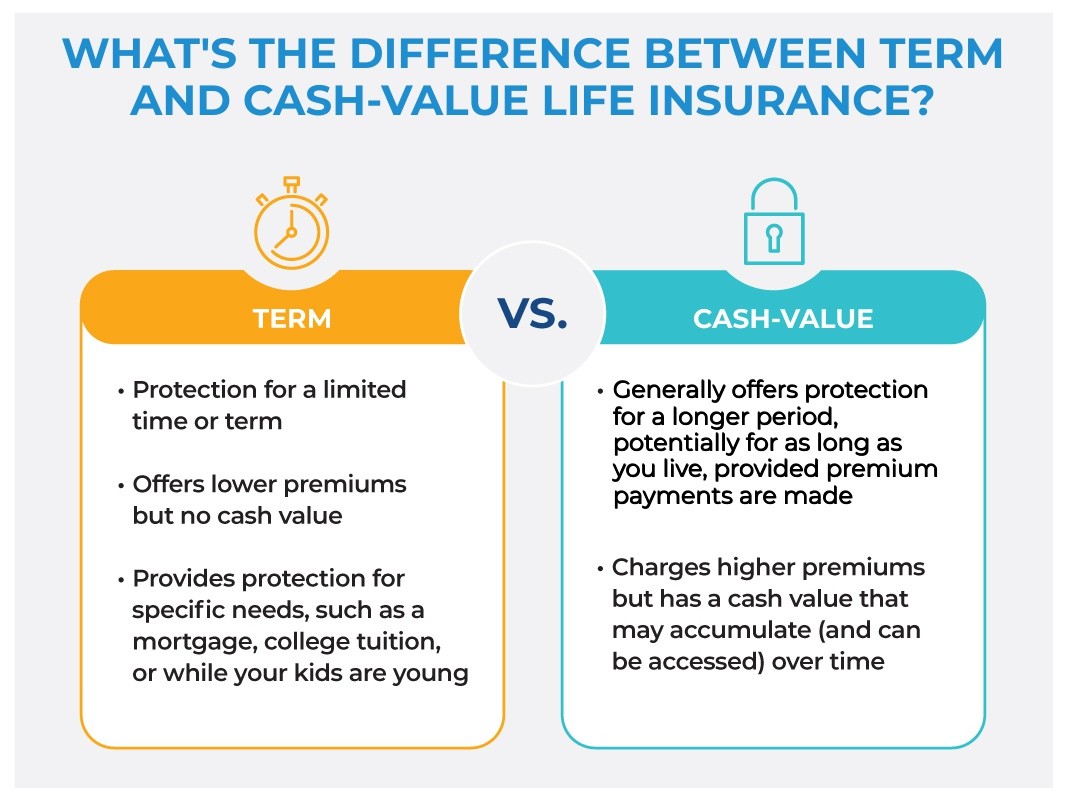
Whole life insurance is a type of permanent life insurance designed to provide coverage for the entirety of an individual’s life, provided that premiums are paid and the policy remains in force. Unlike term insurance, which provides coverage for a set duration, whole life includes a savings component known as the cash value.
When you purchase a $25,000 whole life policy, your premium is typically level—meaning it remains constant throughout the life of the contract. In the early years of the policy, a significant portion of your premium goes toward administrative costs, mortality charges (the cost of insuring your life), and agent commissions. However, as the policy ages, a larger percentage of your premium is directed into the cash value account.
This account is managed by the insurance company’s general investment portfolio. The growth of this value is often protected by a guaranteed minimum interest rate defined in your policy contract. If you hold a "participating" policy with a mutual insurance company, you may also receive dividends. While dividends are never guaranteed, they can be used to accelerate the growth of your cash value, pay premiums, or purchase additional coverage.
Accessing Your Policy’s Accumulated Value
One of the primary benefits of a $25,000 whole life insurance policy is the ability to tap into the cash value while the insured is still alive. There are generally three ways to access this money:
- Policy Loans: You can borrow against the cash value of your policy. These loans are usually charged interest by the insurer, but the interest is often lower than typical commercial bank loans. If you pass away with an outstanding loan, the death benefit paid to your beneficiaries is reduced by the loan balance plus any accrued interest.
- Partial Surrender: You may be able to withdraw a portion of the cash value directly. Depending on the tax basis of your policy—the amount you have paid in premiums—withdrawals may be tax-free up to the amount of your basis (the "cost recovery" rule). Anything withdrawn above your basis is typically taxed as ordinary income.
- Full Surrender: If you choose to cancel the policy entirely, you are entitled to the net cash value, which is the total accumulated value minus any applicable surrender charges and outstanding loans. Surrendering the policy terminates your life insurance coverage, meaning the $25,000 death benefit will no longer be payable to your beneficiaries.
Factors Influencing Growth and Availability
The timeline for when your $25,000 policy begins to accumulate meaningful cash value depends on several variables. Because of the heavy "front-loading" of costs in the early years of the policy, many whole life contracts show little to no cash value during the first two to three years.
- Premium Frequency: Paying premiums annually rather than monthly may slightly shift the timing of cash value accumulation, as some insurers have different expense-loading structures based on payment modes.
- Dividends: In participating policies, the insurance company’s financial performance dictates the dividend scale. During years of strong corporate performance, your cash value may grow faster than the guaranteed rate.
- Surrender Charges: Many policies include a surrender charge schedule that lasts for the first 10 to 15 years. If you cancel your policy during this window, the insurer deducts a penalty from your cash value. This is a critical factor to check in your policy’s "Table of Guaranteed Values."
- Policy Loans: Taking a loan reduces the balance that earns interest within the policy. This can permanently alter the growth trajectory of your cash value if the loan is not repaid promptly.
Comparison of Cash Value vs. Death Benefit
It is essential to distinguish between the $25,000 death benefit and the cash value. The death benefit is the face amount the insurer pays to your beneficiaries upon your passing. The cash value is an equity-like component that belongs to the policyholder during their lifetime.
| Feature | Cash Value | Death Benefit |
|---|---|---|
| Purpose | Savings/Liquidity for owner | Financial protection for heirs |
| Accessibility | Available via loans/withdrawals | Paid upon the insured's death |
| Tax Status | Tax-deferred growth | Generally income-tax-free |
| Balance | Accumulates over time | Fixed at $25,000 (unless increased) |
Legal and Financial Considerations
Before utilizing your policy’s cash value, it is prudent to review the specific tax implications. Under current U.S. tax law, loans taken against a life insurance policy are generally not considered taxable income, provided the policy remains in force. If the policy lapses or is surrendered while a loan is outstanding, the IRS may treat the "forgiven" loan amount as taxable income, which could result in a significant tax bill.
Furthermore, always consult with a licensed financial advisor or tax professional before making significant changes to your life insurance structure. Life insurance serves as a long-term financial instrument, and the costs associated with "churning" or replacing policies—such as new medical underwriting requirements and new commission schedules—can far outweigh the benefits of accessing the cash value.
Frequently Asked Questions
Is the cash value of a $25,000 policy guaranteed? Yes, the guaranteed portion of your cash value is documented in the policy’s table of guaranteed values. The insurer is legally obligated to maintain this amount based on your premium payments. However, any growth exceeding the guarantee—such as dividends—is not guaranteed and depends on the insurer's performance.
What happens to my cash value if I stop paying premiums? If you stop paying premiums, you have options. You can use the accumulated cash value to pay the premiums (Automatic Premium Loan), or you can convert the policy to a "reduced paid-up" status. This means your coverage continues, but the $25,000 death benefit is reduced to a lower amount commensurate with the cash value currently held in the account.
Do I pay taxes when I borrow from my cash value? Generally, no. A loan from a whole life policy is not considered a distribution, so it is not taxed. However, if the policy terminates or lapses with a loan balance, the excess of the loan over your cost basis may be taxable.
How long does it take for a $25,000 policy to build cash value? Most policies begin to show cash value by the end of the second or third policy year. The growth is usually slow initially and accelerates significantly after the surrender charge period (often 10 years) has concluded.
Can I increase the cash value of my policy? Some policies allow for "Paid-Up Additions" (PUAs), which are small, additional blocks of whole life insurance purchased with dividends or extra premium payments. These additions increase both your death benefit and your cash value immediately.
Next Steps for Policyholders
To determine the current status of your policy’s cash value, locate your annual policy statement. This document provides a summary of the premiums paid, the current cash value, any outstanding loans, and the projected growth for the coming year.
- Request an In-Force Illustration: If you are considering a withdrawal or a loan, contact your insurance company or agent and ask for an "in-force illustration." This document projects how a specific withdrawal or loan will affect your death benefit and the policy’s long-term performance.
- Verify Surrender Charges: Look at your original policy contract’s "Table of Guaranteed Values" to identify if you are currently within a period where surrender charges apply.
- Evaluate Alternatives: If you need liquidity, compare the cost of a policy loan against other forms of borrowing, such as personal lines of credit, to ensure you are selecting the most cost-effective solution for your financial situation.