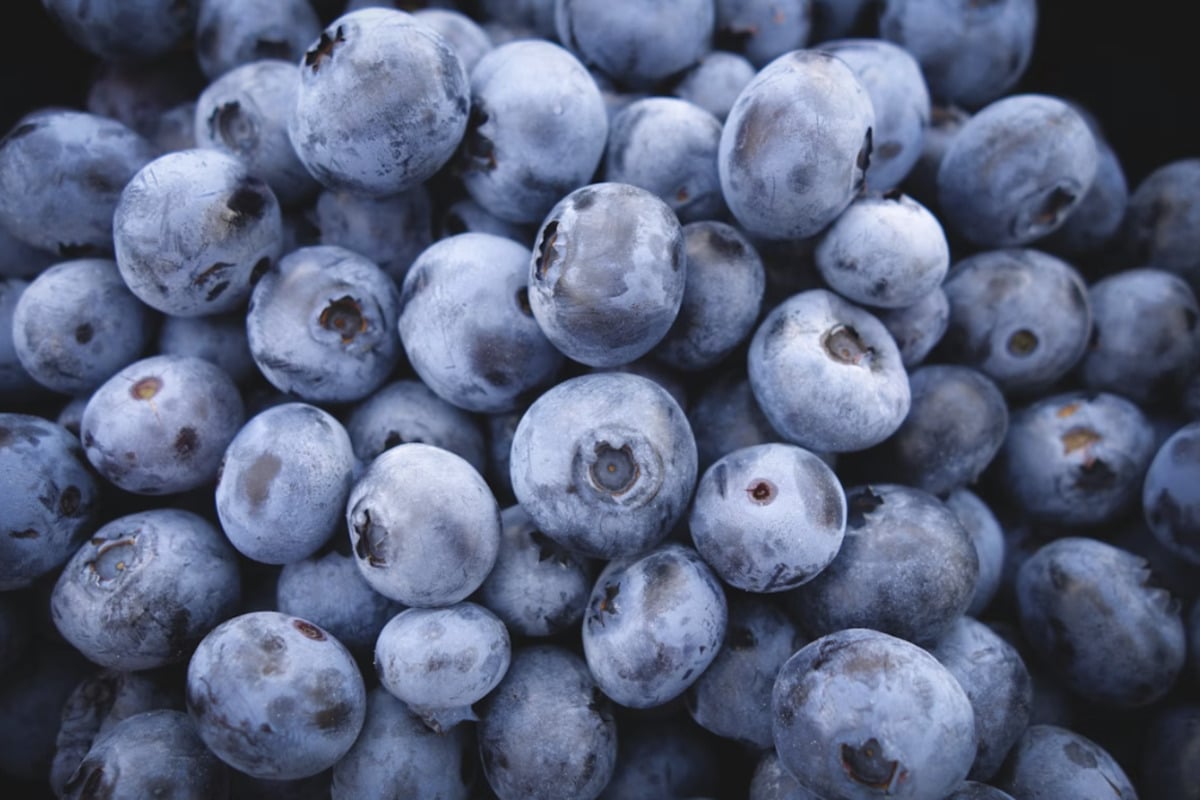
The 2025 blueberry Listeria outbreak involved several significant recalls of frozen and fresh berries across North America, primarily driven by contamination concerns in large-scale processing facilities. In 2026, while the peak of the outbreak has passed, consumers must remain vigilant by checking lot codes on long-term frozen storage items and following updated FDA safety protocols for berry consumption.
The Scope of the 2025 Blueberry Recalls
The year 2025 marked a pivotal moment for produce safety, as a series of voluntary and mandatory recalls affected major retailers including Costco, Walmart, and various regional grocery chains. The primary concern was the presence of Listeria monocytogenes, a hardy bacterium capable of surviving—and even thriving—in the cold, moist environments typical of fruit packaging plants.
Unlike many foodborne illness events that are limited to a single farm, the 2025 events were largely linked to "cross-contamination" at the processing level. When blueberries are harvested, they often go through a centralized facility for washing, sorting, and freezing. If the equipment in these facilities develops a "biofilm"—a colony of bacteria that sticks to surfaces—every batch of fruit passing through that line can become contaminated.
The 2025 outbreak was particularly complex because it involved both organic and conventional blueberries. Because frozen berries have a shelf life extending up to 18 months, many products purchased during the height of the 2025 recalls may still reside in consumer freezers in 2026. Understanding how to identify these products is the first step in ensuring household safety.
What is Listeria Monocytogenes?
Listeria monocytogenes is a pathogenic bacterium that causes the infection known as listeriosis. It is uniquely dangerous compared to other foodborne pathogens like Salmonella or E. coli because of its resilience. Most bacteria stop growing when refrigerated or frozen; however, Listeria can continue to multiply at temperatures as low as 0°C (32°F) and can survive the deep-freeze process used for commercial blueberries.
In the context of the 2025 outbreak, the bacteria likely entered the supply chain through soil or water used during the growing phase or, more commonly, through "persistent strains" living in the nooks and crannies of processing machinery. Once Listeria establishes itself in a factory environment, it requires intensive, specialized sanitation procedures to eradicate.
For consumers, the danger lies in the fact that contaminated blueberries look, smell, and taste perfectly normal. There is no sensory warning sign—such as mold or off-odors—to indicate that the fruit carries a high bacterial load. This makes reliance on official recall notices and lot code verification the only reliable way to prevent ingestion.
Clinical Symptoms and Health Risks
Listeriosis is a serious infection that primarily affects specific high-risk populations. While a healthy adult might experience only mild flu-like symptoms or gastrointestinal distress, the stakes are significantly higher for others.
High-Risk Groups
- Pregnant Women: Listeria is notoriously dangerous during pregnancy. While the mother may only feel slightly ill, the infection can lead to miscarriage, stillbirth, premature delivery, or life-threatening infections in the newborn.
- The Elderly: Individuals over the age of 65 are at a higher risk for "invasive" listeriosis, where the bacteria spread beyond the gut.
- Immunocompromised Individuals: Those undergoing chemotherapy, organ transplant recipients, or individuals with HIV/AIDS face the highest mortality rates from the infection.
Symptom Timeline
The incubation period for Listeria is unusually long. Symptoms may appear as early as three days after eating contaminated blueberries, but it is not uncommon for the onset to take up to 70 days. This delay often makes it difficult for patients and doctors to connect the illness to a specific food item consumed weeks prior.
Early symptoms typically include fever, muscle aches, nausea, and diarrhea. If the infection becomes invasive, patients may experience headaches, stiff neck, confusion, loss of balance, and convulsions. These are signs of meningitis or encephalitis and require immediate emergency medical intervention.
Identifying Recalled Blueberries in Your Freezer
As we move through 2026, the primary risk remains "legacy products" stored in home freezers. If you have bags of frozen blueberries or frozen fruit medleys purchased in 2025, you must verify them against the official FDA and CDC recall lists.
How to Check Lot Codes
The "Lot Code" and "Best By" date are usually printed on the back or bottom of the plastic packaging. During the 2025 outbreak, manufacturers identified specific production windows.
- Locate the stamp: Look for a series of numbers and letters, often near the barcode.
- Compare with official records: Visit the FDA Recalls and Safety Alerts page to search for the specific brand name.
- Check the "Best By" date: Many of the affected 2025 blueberries carried expiration dates stretching into late 2026.
If you find a match, do not open or eat the product. Even if you have already consumed part of the bag without getting sick, the bacteria may not be evenly distributed, and the remaining portion could contain a concentrated "hot spot" of contamination.
Comparison of Berry Safety and Recall Markers
To help distinguish between different risks, the following table outlines the general safety profiles of blueberries as observed during the 2025 safety cycle.
| Feature | Fresh Blueberries | Frozen Blueberries |
|---|---|---|
| Primary Risk Source | Agricultural water/Soil | Processing facility biofilms |
| Typical Shelf Life | 7–14 Days | 12–18 Months |
| 2025 Recall Status | Mostly resolved by late 2025 | Ongoing risk in 2026 due to freezer life |
| Cleaning Method | Thorough rinsing with cold water | Boiling or baking (if safety is doubted) |
| Common Symptoms | Rapid onset (Gastrointestinal) | Delayed onset (Systemic/Flu-like) |
| Detection Method | Visual inspection (for spoilage) | Lot code verification only |
The Role of the FDA and CDC in 2025
The response to the 2025 blueberry outbreak highlighted significant advancements in food traceability. Using Whole Genome Sequencing (WGS), the CDC was able to link clinical samples from patients in different states to the specific bacterial DNA found in a single processing plant's drainage system.
This "DNA fingerprinting" allowed regulators to move faster than in previous decades. Once the match was confirmed, the FDA issued a series of "Public Health Alerts." These alerts are different from recalls; they are issued when a product is no longer available for purchase but may still be in consumer homes.
In 2026, the regulatory focus has shifted toward the "Food Safety Modernization Act" (FSMA) Rule 204, which requires enhanced record-keeping for high-risk foods, including certain berries. This rule ensures that if a contamination event occurs, every point in the supply chain—from the farm to the smoothie shop—can be identified within hours rather than weeks.
Mitigation Strategies for Consumers in 2026
If you are concerned about the safety of blueberries in 2026, there are several practical steps you can take to minimize risk. While the 2025 outbreak was a specific event, the lessons learned apply to all produce safety.
Safe Handling and Preparation
- Temperature Control: Keep fresh berries refrigerated at 40°F (4°C) or below. While cold doesn't kill Listeria, it slows its growth significantly.
- The "Wash Just Before" Rule: Do not wash blueberries before storing them in the fridge, as the moisture encourages mold and bacterial growth. Instead, wash them under high-pressure cold water immediately before eating.
- Cross-Contamination Prevention: Use separate cutting boards for produce and raw meats. Ensure that frozen berries do not come into contact with surfaces used for unwashed raw vegetables.
- Heat Treatment: Listeria is killed by heat. If you are using frozen blueberries for muffins, pies, or sauces, the baking/boiling process (reaching 165°F or 74°C) will effectively eliminate the risk. Smoothies made with raw frozen berries remain the highest risk category for contamination.
Sanitizing the Kitchen
If you discover that you have had a recalled product in your freezer, it is not enough to simply throw the bag away. Because Listeria can survive on cold surfaces, you should sanitize your freezer and refrigerator.
- Wash the area with hot, soapy water.
- Follow with a solution of one tablespoon of unscented liquid chlorine bleach to one gallon of water.
- Dry with a clean paper towel.
Industry Impact and Changes to Agricultural Practices
The 2025 outbreak forced the blueberry industry to rethink its sanitation protocols. Many producers have moved away from older wooden harvesting crates, which are porous and can harbor bacteria, in favor of high-density plastic bins that are easier to chemically sanitize.
Furthermore, there has been a surge in the use of Ozonated Water in wash lines. Ozone is a powerful oxidant that kills bacteria more effectively than chlorine in some applications and leaves no chemical residue on the fruit. These technological shifts, accelerated by the 2025 events, have made the blueberry supply chain in 2026 one of the most scrutinized and safest in the produce industry.
Medical and Legal Recourse Following Exposure
If you believe you have consumed contaminated blueberries and are experiencing symptoms, contact a healthcare provider immediately. Diagnostic tests for listeriosis typically involve a blood or spinal fluid test.
For those who have suffered documented medical harm due to the 2025 outbreak, legal recourse may be available. Food liability laws generally hold manufacturers and distributors responsible for providing "merchantable" food that is fit for human consumption. It is vital to keep the original packaging and any receipts, as these serve as evidence of the specific lot and purchase location.
Note: This article is for informational purposes only and does not constitute medical or legal advice. If you are experiencing a medical emergency, please dial 911 or visit your nearest emergency room.
Frequently Asked Questions
Can I wash Listeria off of blueberries?
Washing can reduce the amount of bacteria on the surface of fresh blueberries, but it is not 100% effective, especially if the bacteria have formed a biofilm or entered the fruit through small cracks. For recalled frozen blueberries, washing is insufficient because the bacteria may be embedded in the fruit’s structure; these products should be discarded or returned for a refund.
Is it safe to eat blueberries in 2026?
Yes, the majority of blueberries currently on the market in 2026 are safe. The 2025 recalls were specific to certain brands and production dates. Current 2026 harvests are subject to the newest FDA safety regulations. Always check for current active recalls, but do not avoid blueberries entirely, as they remain a highly nutritious fruit.
How long does Listeria live in a freezer?
Listeria monocytogenes is exceptionally hardy and can remain dormant but alive in a freezer for years. It does not die in sub-zero temperatures. This is why products from the 2025 outbreak remain a concern in 2026—the bacteria are essentially "preserved" until the fruit is thawed and consumed.
What should I do if I ate recalled blueberries but feel fine?
If you consumed a recalled product but have no symptoms, there is generally no need for a test or treatment. However, because of the long incubation period, you should monitor your health for at least 70 days. If you are in a high-risk group (e.g., pregnant or immunocompromised), it is wise to inform your doctor that you were exposed.
Are organic blueberries safer from Listeria?
Organic status refers to the types of pesticides and fertilizers used during growing; it does not protect against bacterial contamination. In fact, some organic fertilizers (like manure) require stricter management to prevent the introduction of pathogens. The 2025 outbreak affected both organic and conventional brands, proving that Listeria does not discriminate based on farming labels.
Final Recommendations
To stay safe in 2026, conduct a "freezer audit" of any frozen fruit purchased within the last 12 months. Cross-reference any store-brand or name-brand blueberries with the official recall notices on FoodSafety.gov. When buying fresh berries, choose firm, dry fruit and maintain a strict cold chain from the grocery store to your refrigerator. By following these evidence-based practices, you can continue to enjoy the health benefits of blueberries while minimizing the risk of foodborne illness.