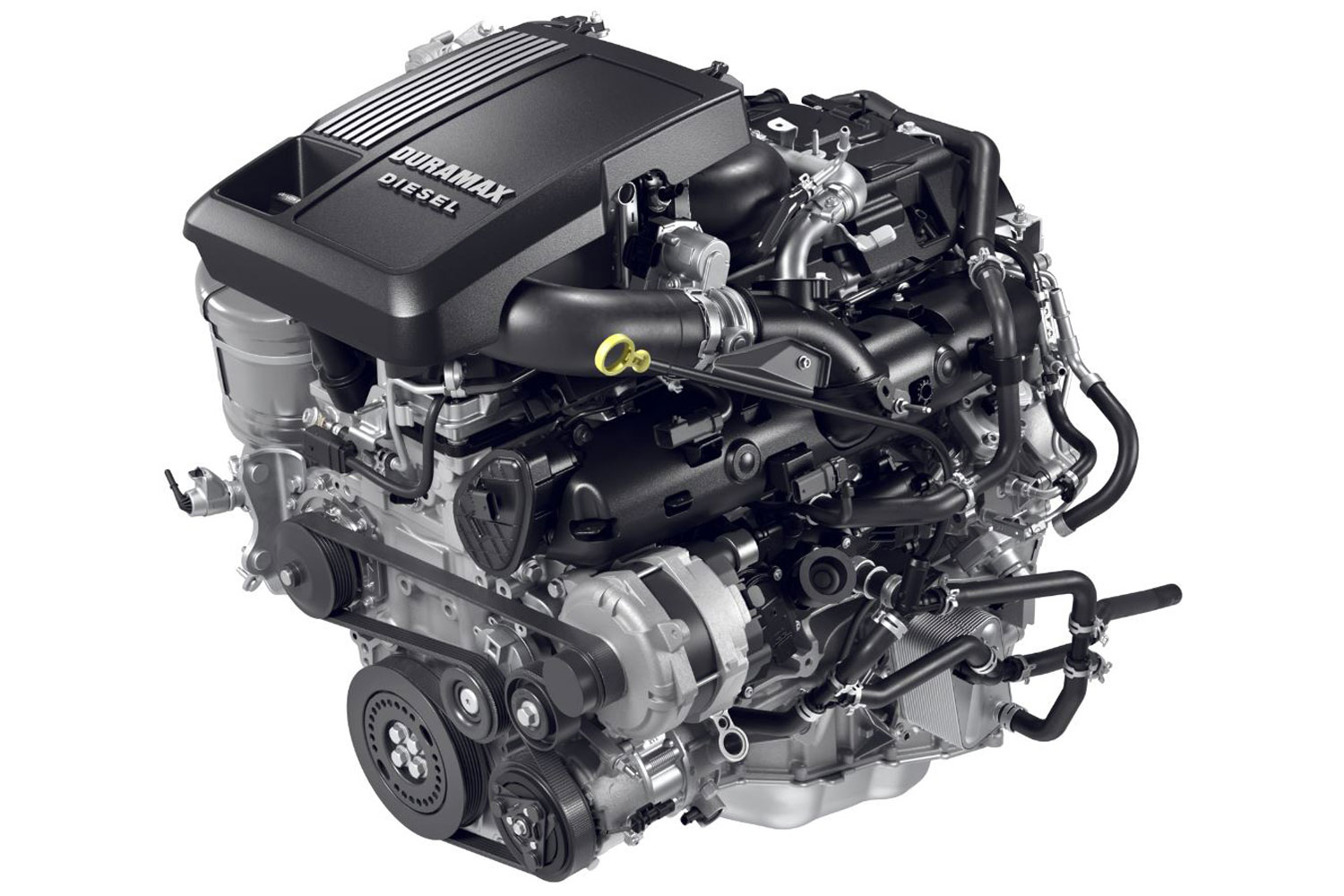
The 2025 3.0L Duramax turbo-diesel, designated as the LZ0, represents the pinnacle of General Motors’ light-duty diesel engineering. Delivering 305 horsepower and 495 lb-ft of torque, this inline-six engine provides a high-efficiency alternative to traditional V8s, offering superior towing manners and class-leading fuel economy for half-ton trucks and full-size SUVs.
As we move through 2026, the 2025 3.0L Duramax (LZ0) has solidified its reputation as the premier choice for drivers who prioritize range and towing stability without stepping up to a heavy-duty pickup. Introduced as a significant evolution of the original LM2 engine, the LZ0 variant found in 2025 Chevrolet and GMC models features refined internals and optimized combustion cycles. This engine remains a cornerstone of the GM powertrain lineup, particularly for the Silverado 1500, Sierra 1500, Tahoe, Suburban, Yukon, and Cadillac Escalade.
Engineering the LZ0: Core Specifications and Architecture
The 2025 3.0L Duramax is an all-aluminum, dual-overhead-cam (DOHC) inline-six engine. The choice of an inline configuration is intentional; inherent primary and secondary balance eliminates the need for balance shafts, resulting in a remarkably smooth operation that rivals many gasoline engines in terms of NVH (Noise, Vibration, and Harshness) levels.
For the 2025 model year, the LZ0 continues to utilize steel pistons. Unlike aluminum pistons found in many light-duty engines, steel has a lower expansion rate and higher thermal resistance, allowing for tighter tolerances and higher combustion pressures. This is a critical factor in achieving the 495 lb-ft of torque that peaks at a low 1,500 RPM. The engine also features a variable-geometry turbocharger (VGT) that adjusts its vanes to provide immediate boost at low speeds while maintaining efficiency at high RPMs.
The fuel system is equally advanced, utilizing a high-pressure common-rail system capable of 36,250 psi (2,500 bar). This allows for multiple injection events per combustion cycle, which not only improves power delivery but also significantly reduces the "clatter" traditionally associated with diesel engines.
2025 Performance and Towing Capabilities
Performance in a light-duty diesel is measured less by 0-60 mph times and more by the "area under the curve." The 2025 3.0L Duramax provides a flat torque curve that makes towing heavy loads feel effortless compared to high-revving gasoline engines.
In the Chevrolet Silverado 1500 and GMC Sierra 1500, the 2025 3.0L Duramax allows for a maximum towing capacity of up to 13,300 pounds when properly equipped with the Max Trailering Package. However, the true benefit of the Duramax is not just the maximum weight, but the control. Because the engine reaches peak torque at just 1,500 RPM, the 10-speed automatic transmission (10L80) does not need to downshift aggressively to maintain speed on an incline.
Towing Performance Highlights:
- Exhaust Braking: While not as aggressive as the "Jake Brake" found on the 6.6L Duramax, the 3.0L utilizes the VGT to provide significant engine braking, reducing wear on the service brakes during long descents.
- Cooling Systems: The 2025 models include an active thermal management system that uses a rotary valve to target specific areas of the engine for cooling or heating, ensuring the engine reaches operating temperature quickly and stays there under load.
- Low-End Grunt: Unlike the 5.3L V8, which requires higher RPMs to find its power, the 3.0L Duramax stays in the "sweet spot" of the powerband during nearly all towing scenarios.
Fuel Efficiency: The 3.0L Duramax Edge
Fuel economy remains the primary reason many buyers opt for the 3.0L Duramax over the 6.2L or 5.3L gasoline V8s. In a 2WD configuration, the 2025 Silverado 1500 equipped with this engine often achieves EPA ratings of 23 mpg city and 29 mpg highway. Real-world testing by owners throughout 2025 has frequently shown highway numbers exceeding 30 mpg in ideal conditions.
The efficiency is largely attributed to the diesel cycle's inherent thermodynamics and the 10-speed transmission's ability to keep the engine at incredibly low RPMs during highway cruising. For long-distance travelers, this equates to a theoretical range of over 600 miles on a single tank in some configurations, significantly reducing the frequency of stops on road trips.
Maintenance and Long-Term Reliability
Reliability concerns for the 3.0L Duramax have largely shifted from the mechanical internals to the complex emissions systems required by modern regulations. The 2025 LZ0 has addressed several early-production issues seen in the previous LM2 generation, such as the "long crank" issue caused by camshaft position sensor reluctor wheel shifts.
Key Maintenance Considerations:
- Diesel Exhaust Fluid (DEF): The engine requires DEF to reduce nitrogen oxide emissions. Consumption varies based on load, but most drivers find they need to refill the DEF tank every 5,000 to 7,000 miles.
- Oil Pump Belt: One of the most discussed technical aspects of this engine is the rear-mounted, oil-bathed belt that drives the oil pump. For the 2025 model year, the service interval for this belt remains at 200,000 miles. While the "wet belt" design causes anxiety for some traditionalists, it has proven durable in high-mileage fleet applications.
- Fuel Filters: Regular replacement of the fuel filter is non-negotiable. Diesel fuel can carry more contaminants and water than gasoline, and the high-pressure injectors are sensitive to debris.
- DPF Regeneration: Like all modern diesels, the 2025 3.0L uses a Diesel Particulate Filter (DPF). If the truck is only driven for short trips where the engine never reaches full operating temperature, the DPF may clog. The 2025 software is adept at managing "active regens," but owners should ensure the vehicle gets a 20-30 minute highway run periodically.
2025 3.0L Duramax Spec Comparison
The following table compares the 2025 3.0L Duramax (LZ0) against its primary internal competition within the GM stable.
| Feature | 3.0L Duramax (LZ0) | 5.3L EcoTec3 V8 | 6.2L EcoTec3 V8 |
|---|---|---|---|
| Horsepower | 305 hp | 355 hp | 420 hp |
| Torque | 495 lb-ft | 383 lb-ft | 460 lb-ft |
| Peak Torque RPM | 1,500 RPM | 4,100 RPM | 4,100 RPM |
| Max Towing (lbs) | 13,300 | 11,300 | 13,300 |
| Transmission | 10-Speed Auto | 10-Speed Auto | 10-Speed Auto |
| Fuel Type | Diesel (Ultra-Low Sulfur) | 87 Octane Gas | 91+ Octane Gas (Rec) |
| Estimated Hwy MPG | 27–29 MPG | 20–22 MPG | 18–20 MPG |
Vehicle Availability and Trim Integration
For the 2025 model year, GM expanded the availability of the 3.0L Duramax. It is no longer relegated to high-end trims or "work truck" configurations only.
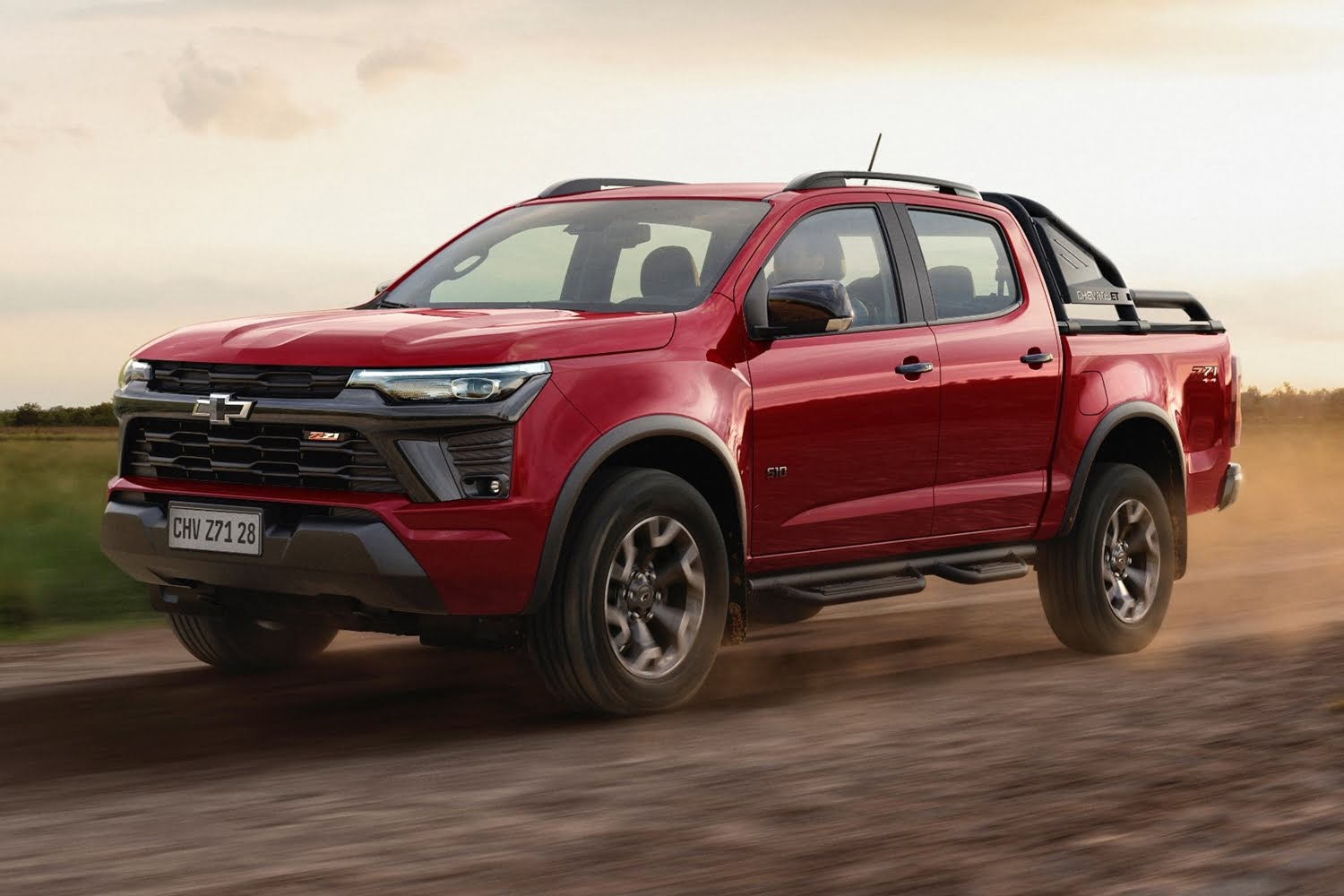
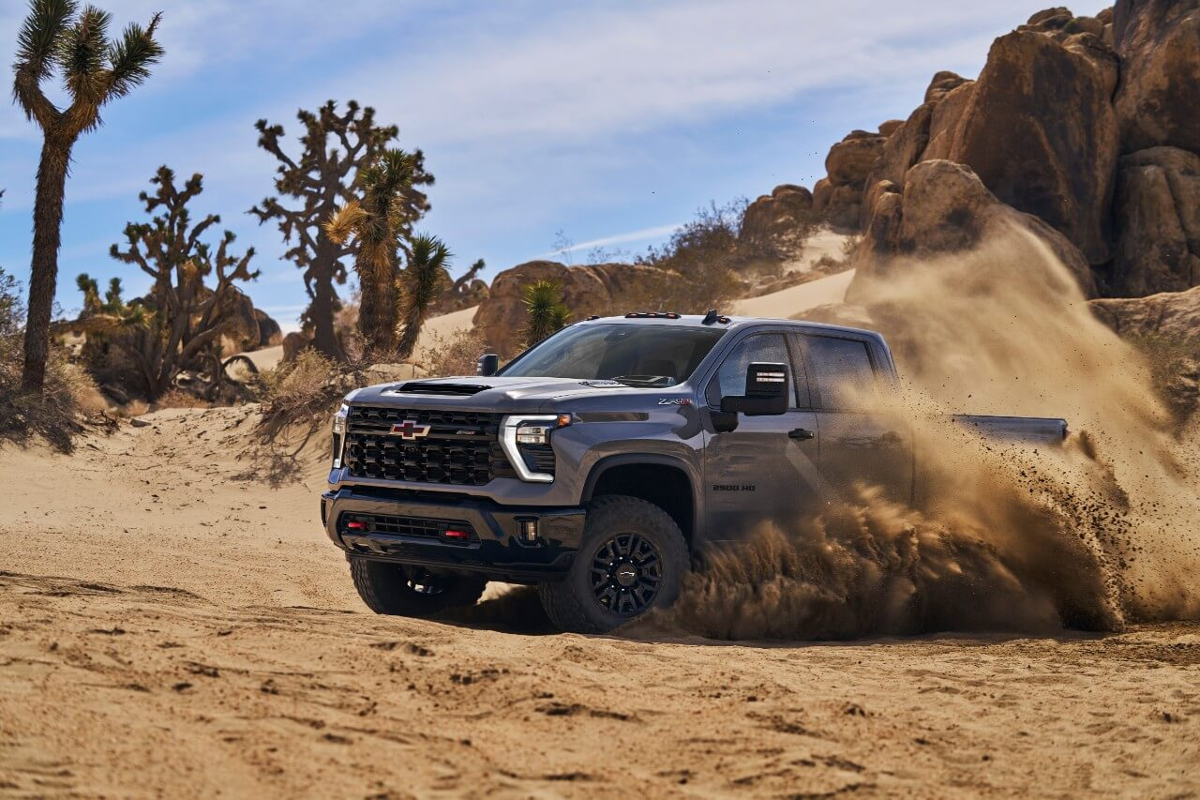
- Chevrolet Silverado / GMC Sierra: Available from the custom/SLE trims up to the High Country and Denali Ultimate. Notably, it is the standard engine for the GMC Sierra AT4 and the Chevrolet Silverado ZR2, where low-end torque is prized for off-roading.
- Full-Size SUVs: In the 2025 Tahoe, Suburban, Yukon, and Escalade, the LZ0 replaced the LM2 completely. These SUVs benefit significantly from the diesel's efficiency, as their aerodynamic profiles usually lead to poor fuel economy with gasoline V8s.
- The 10L80 Transmission: Every 2025 3.0L Duramax is paired with the 10-speed automatic. This transmission was co-developed with Ford and has been tuned specifically for the diesel's torque curve, providing smooth shifts and a double-overdrive top gear for efficiency.
Pros and Cons of the 2025 3.0L Duramax
Advantages
- Exceptional Range: The ability to travel nearly 700 miles on a highway trip is a significant advantage for rural owners.
- Smooth Delivery: The inline-six architecture is inherently more balanced than the V6 diesels formerly offered by competitors like Ford or Ram.
- Low-End Torque: The 495 lb-ft available almost off-idle makes merging into traffic while towing much less stressful.
- Warranty: GM typically offers a 5-year/100,000-mile powertrain warranty on the Duramax, which is superior to the 5-year/60,000-mile warranty on gasoline engines.
Disadvantages
- Initial Cost: While the gap has narrowed, the Duramax usually carries a premium over the 5.3L V8 (though it is often cheaper than the 6.2L V8).
- Maintenance Complexity: DEF fluid, specialized fuel filters, and the emissions system add layers of maintenance not required for gasoline engines.
- Fuel Prices: In some regions, the price of diesel remains significantly higher than 87-octane gasoline, which can offset the fuel economy savings.
- Payload Constraints: Because the diesel engine and its emissions equipment are heavier than a gasoline V8, the maximum payload capacity of the truck may be slightly lower.
3.0L Duramax vs. The Competition
As of 2025 and into 2026, the 3.0L Duramax stands alone in the light-duty diesel segment. Ford discontinued the 3.0L PowerStroke in the F-150 several years ago, and Ram phased out the 3.0L EcoDiesel in favor of the Hurricane inline-six gasoline engines. This leaves General Motors as the only manufacturer offering a diesel engine in a 1500-series pickup.
This monopoly on the segment has allowed GM to capture a specific demographic of buyers: those who want diesel benefits without the harsh ride and massive physical footprint of a 2500 or 3500 heavy-duty truck.
Frequently Asked Questions
Is the 2025 3.0 Duramax reliable for short commutes?
While the engine is highly reliable, diesel engines with DPF systems are generally not ideal for exclusively short commutes (under 10 minutes). The engine needs time to reach operating temperatures to perform "regeneration" cycles to burn off soot in the exhaust filter. If you frequently drive short distances, ensure you take the vehicle for a longer highway drive at least once every two weeks to maintain the emissions system health.
How much DEF does the 2025 3.0 Duramax use?
Usage depends on how hard the engine is working. Under normal unladen driving, you can expect to use about one gallon of Diesel Exhaust Fluid every 1,000 to 1,500 miles. When towing heavy loads, DEF consumption increases significantly as the engine produces more NOx under high temperatures. The truck will provide multiple warnings as the DEF level gets low, eventually limiting speed if not refilled.
What is the difference between the LM2 and the LZ0 Duramax?
The LZ0, which is the version found in the 2025 model year, is an evolution of the original LM2. Key changes include the move to steel pistons, a retuned turbocharger, updated fuel injectors, and improved thermal management. These changes increased output from 277 hp / 460 lb-ft to 305 hp / 495 lb-ft and addressed some of the cold-start and sensor issues present in the first-generation design.
Does the 3.0 Duramax require special cold-weather care?
The 2025 3.0 Duramax is equipped with ceramic glow plugs that heat up almost instantly, making cold starts much easier than in older diesels. However, in extremely cold climates (below -10°F), it is still recommended to use a block heater and ensure you are using "winter blend" diesel fuel to prevent gelling. The LZ0's active thermal management also helps the cabin heat up faster than previous diesel iterations.
Is the oil pump belt a major failure point?
Statistically, no. While the idea of a belt driving the oil pump is controversial, the 200,000-mile service interval is rarely reached by the average first or second owner without other components needing service first. In the years since this engine architecture debuted, there have been very few reported cases of belt failure before the recommended service interval, provided the correct oil specification (DexosD) is used.
Final Recommendation for Buyers
The 2025 3.0L Duramax (LZ0) is the ideal choice for the "long-haul" owner. If your driving profile involves frequent highway miles, towing trailers under 10,000 pounds, or a desire for the maximum possible range from a full-size vehicle, the Duramax is superior to its gasoline counterparts.
However, for those who primarily drive short distances in urban environments or those who are sensitive to the fluctuating prices of diesel and DEF, the 5.3L V8 remains a simpler, albeit less efficient, alternative. For the 2025 and 2026 market, the LZ0 remains the most technologically advanced and refined light-duty diesel ever produced by a domestic automaker.