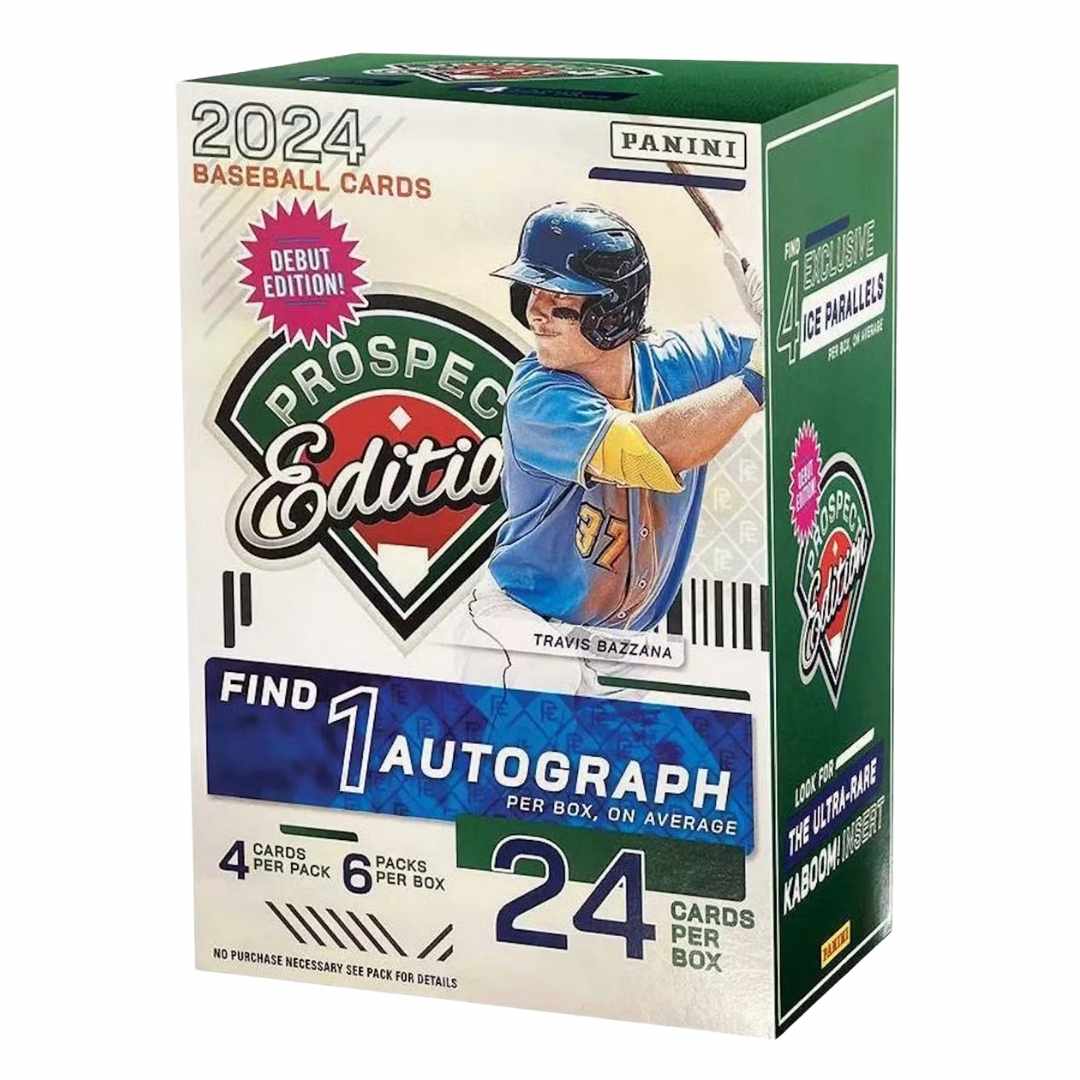
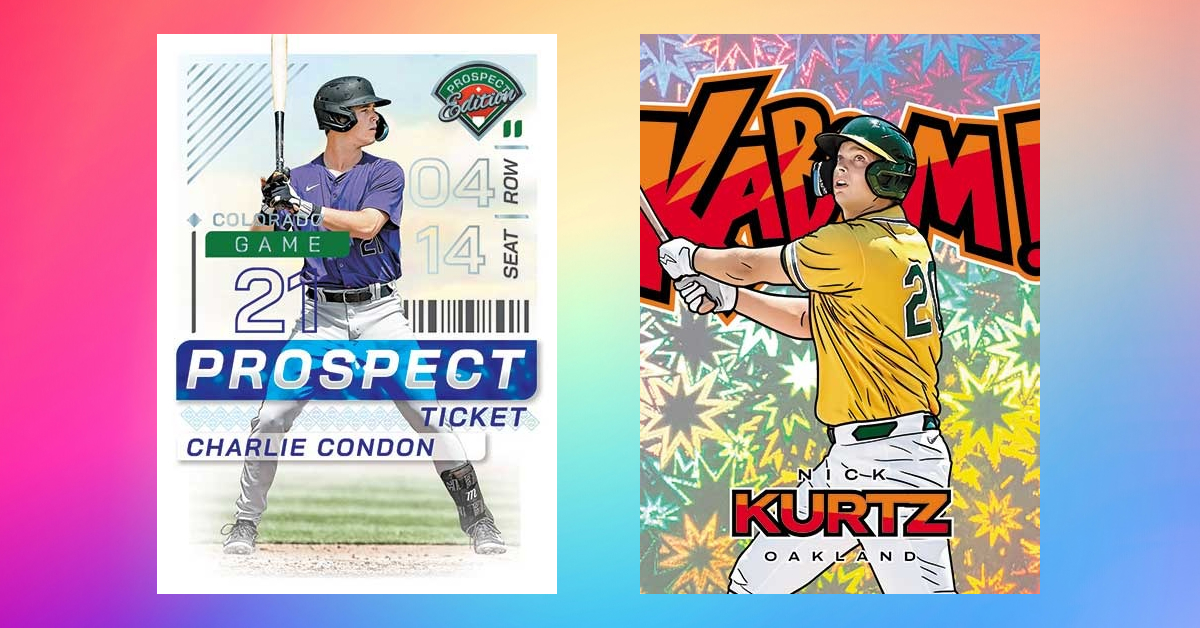
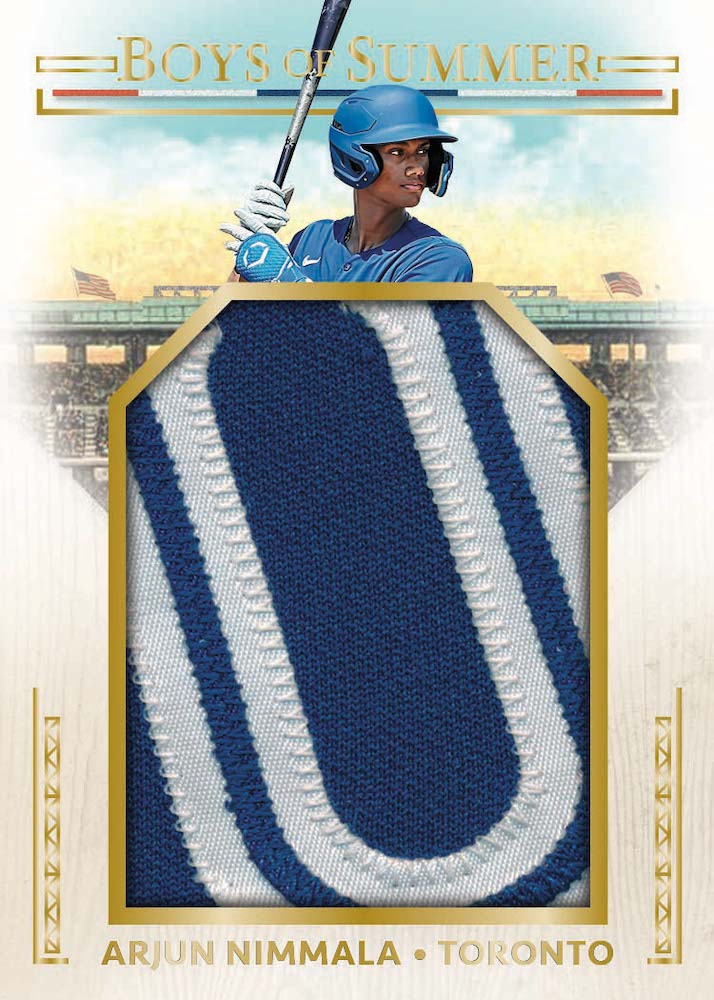
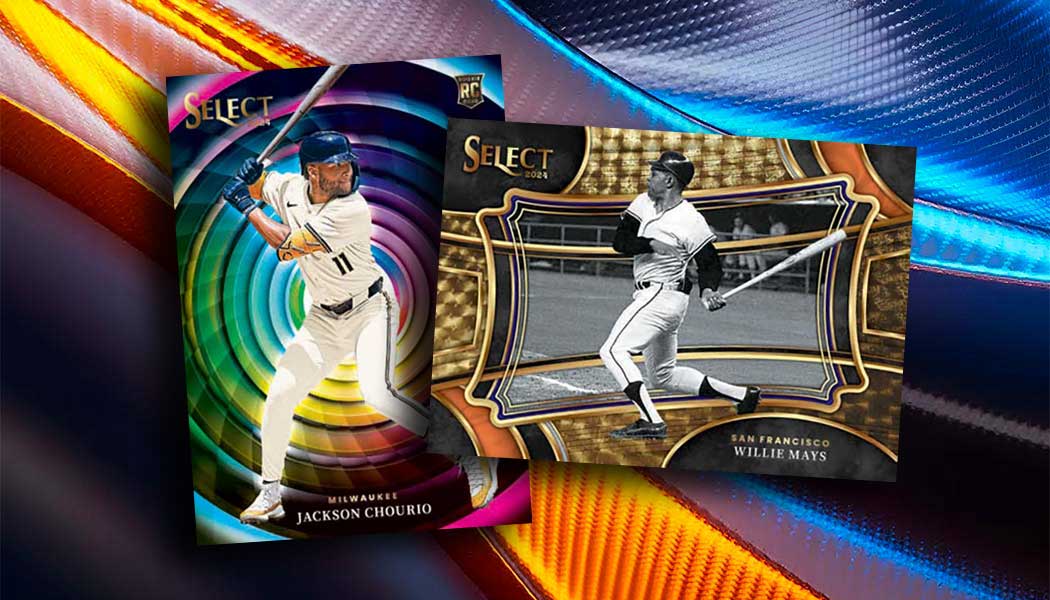
The 2024 Panini Prospect Edition baseball product serves as a foundational release for collectors focusing on Minor League Baseball (MiLB) talent. This checklist documents the extensive array of base cards, parallels, and autograph inserts featuring top prospects across the professional developmental landscape, providing collectors with a structured reference to verify card scarcity, print runs, and player variety within the set.
Understanding the 2024 Panini Prospect Edition Framework
The 2024 Panini Prospect Edition is designed as a focused product line, centering exclusively on up-and-coming talent rather than established Major League Baseball (MLB) veterans. In the hobby of sports card collecting, a "checklist" acts as the master index for a release. For this specific product, the checklist is the primary tool for identifying which players have been included, the rarity of specific subsets, and the various color-coded parallels that dictate market value.
When approaching this set, collectors must understand the difference between base cards and insert cards. Base cards in the Prospect Edition typically represent the core of the collection, often featuring standardized photography and design elements. Conversely, inserts—which frequently include autographs or "refractor-style" parallels—represent the high-value chase cards of the set. The 2024 checklist is characterized by its reliance on MiLB branding and the inclusion of players who were, at the time of the product’s release, considered the most promising athletes in their respective organizations.
Navigating the Checklist Structure
To effectively use the 2024 Panini Prospect Edition checklist, collectors should categorize cards by their hierarchy of rarity. Panini utilizes a system of numbered parallels (e.g., /99, /49, /25, /10, /5, 1/1) which are fundamental to the product's collectability. The checklist provides the specific numbering for these variations, allowing you to cross-reference a card in your possession with the official print run data.
One common challenge for collectors is distinguishing between the different "tiers" of prospects presented in the set. The 2024 edition prioritizes depth, including both "household name" prospects and those in the early stages of their professional careers. By utilizing a comprehensive checklist, you can track not only the players you are interested in but also the specific insert sets they appear in, such as "Draft Picks," "Rising Stars," or "Professional Debut" sub-series.
Comparing Card Types and Rarity
The following table outlines the common terminology and structural elements found within the 2024 Panini Prospect Edition checklist. Understanding these categories is vital for accurate valuation and collection organization.
| Category | Description | Rarity Indicator |
|---|---|---|
| Base Prospect Card | Standard player card for MiLB talent | Unlimited (Variable) |
| Parallel (Numbered) | Colored border variations with serial numbers | Fixed (e.g., /99, /25) |
| Autograph (Base) | Signature-stamped or on-card signature | High demand |
| Autograph (Parallel) | Signed card with limited color/print run | Ultra-Rare (1/1, /5) |
| Insert Sets | Themed subsets (e.g., League Leaders) | Variable difficulty |
Verification and Authentication Steps
When acquiring cards from the 2024 Panini Prospect Edition, verification is a multi-step process. First, ensure the card matches the exact specifications listed in the official Panini checklist. This involves verifying the card number (found on the reverse of the card) against the index. Discrepancies in card numbers are common red flags in the secondary market and usually indicate a reprint, a counterfeit, or a misunderstanding of the set's sub-series.
Second, examine the quality of the finish and, in the case of signed cards, the authenticity of the autograph. Panini often uses holographic stickers or direct-on-card ink for their autographs. A true 2024 Prospect Edition autograph will align with the checklist’s notation regarding whether the signature is "on-card" or a "sticker auto." Collectors should note that Panini’s production standards for 2024 involve specific foil stamping and UV-coated surfaces that are difficult for unauthorized printers to replicate accurately.
The Role of Prospecting in the Hobby
"Prospecting"—the act of collecting players before they reach the MLB—is a high-risk, high-reward strategy. The 2024 Panini Prospect Edition is a primary vehicle for this activity. Because the value of these cards is almost entirely dependent on the future performance of the athlete, the checklist acts as an investment ledger. If a player listed in the 2024 checklist is promoted to the MLB in 2026 or beyond, the market demand for their 2024 Panini cards often sees a sharp increase.
Collectors should use the checklist to identify players whose physical development and statistical performance align with their investment goals. For example, a collector might target specific positions or organizations. The checklist allows you to filter the set by team, making it easier to build "team sets" or "player collections" (often called "player PCs").
Common Mistakes When Using the Checklist
A frequent error made by hobbyists is confusing the "Prospect Edition" with other Panini brands like "Elite Extra Edition" or "Prizm Draft Picks." While these sets share similar themes, they are distinct product lines with different checklists. Using a 2025 checklist for a 2024 product will result in missing cards or incorrect valuation. Always verify the year of the release on the box or card packaging before referencing the corresponding digital or printed checklist.
Another oversight involves failing to account for "Short Prints" (SPs) and "Super Short Prints" (SSPs). These cards are intentionally omitted from standard print runs and are not always clearly marked in the primary checklist indices. Collectors should look for supplementary "master checklists" provided by the manufacturer or established hobby databases to ensure they have identified every potential variant of a specific player's card.
Managing Your Collection and Budget
For those looking to build a collection from the 2024 Panini Prospect Edition, the most cost-effective approach is to first acquire the base set and then selectively trade or purchase the numbered parallels. Because the product is centered on prospects, the price volatility can be significant. A player who is considered a top-tier prospect in 2024 might see their value decrease if they suffer an injury or underperform in 2025 or 2026.
As you use the checklist, maintain a tracking document or a digital spreadsheet. Record the player name, the serial number (if applicable), the grade of the card (if professionally graded by a third-party service like PSA or BGS), and the date of acquisition. This rigor is essential for tracking your "cost basis"—the total amount invested in the collection—relative to the current market value.
Frequently Asked Questions
1. Where can I find the official 2024 Panini Prospect Edition checklist? The most reliable source is the Panini America official website or their dedicated digital archives. Additionally, reputable third-party hobby databases like Beckett or Trading Card Database (TCDB) maintain digitized, searchable versions of the checklist that allow you to filter by player, team, and set variant.
2. Does the 2024 checklist include MLB players? No. The 2024 Panini Prospect Edition is strictly focused on Minor League Baseball talent. Players featured in this set are typically those in the "A," "Double-A," or "Triple-A" tiers of development. If you are looking for established MLB stars, you should consult checklists for products like Panini Prizm Baseball or Donruss Baseball.
3. Are there different versions of the checklist for hobby boxes versus retail boxes? Yes. Panini often releases variations of their products, such as "Hobby" boxes and "Retail" or "Blaster" boxes. These products can have different insert sets and, in some cases, exclusive parallel types. Always ensure your checklist source specifies the distribution channel (Hobby vs. Retail) to avoid confusion.
4. How do I determine if a card is a "True Rookie" or a "Prospect" card? In the 2024 Panini Prospect Edition, most cards are considered "Prospect Cards" (marked with a specific "Prospect" logo). A true "Rookie Card" (often denoted by an "RC" logo) is usually reserved for products where the player has reached the MLB level. The Prospect Edition is a pre-rookie release, making it distinct from the cards issued after a player debuts in the major leagues.
5. What should I do if my card is not on the checklist? If you have a card that appears to be part of the 2024 Panini Prospect Edition but cannot find it on the official checklist, verify the manufacturer logo and the year printed on the back. It is possible the card belongs to a different "Panini" brand or a commemorative insert set that was distributed as a "box topper" or promotional item, which are sometimes listed in a separate appendix of the checklist.
Strategic Next Actions
To move forward with your 2024 Panini Prospect Edition collection, prioritize verifying your current holdings against the official digital checklist. Identify any "holes" in your collection—such as missing parallels of your favorite players—and cross-reference these with recent secondary market data to establish a fair budget for future acquisitions. If you are investing, consider the player's current development status as of 2026 to ensure your collection strategy remains aligned with the most recent performance statistics. Always verify the authenticity of high-value, autographed cards through reputable grading services before making significant financial commitments.