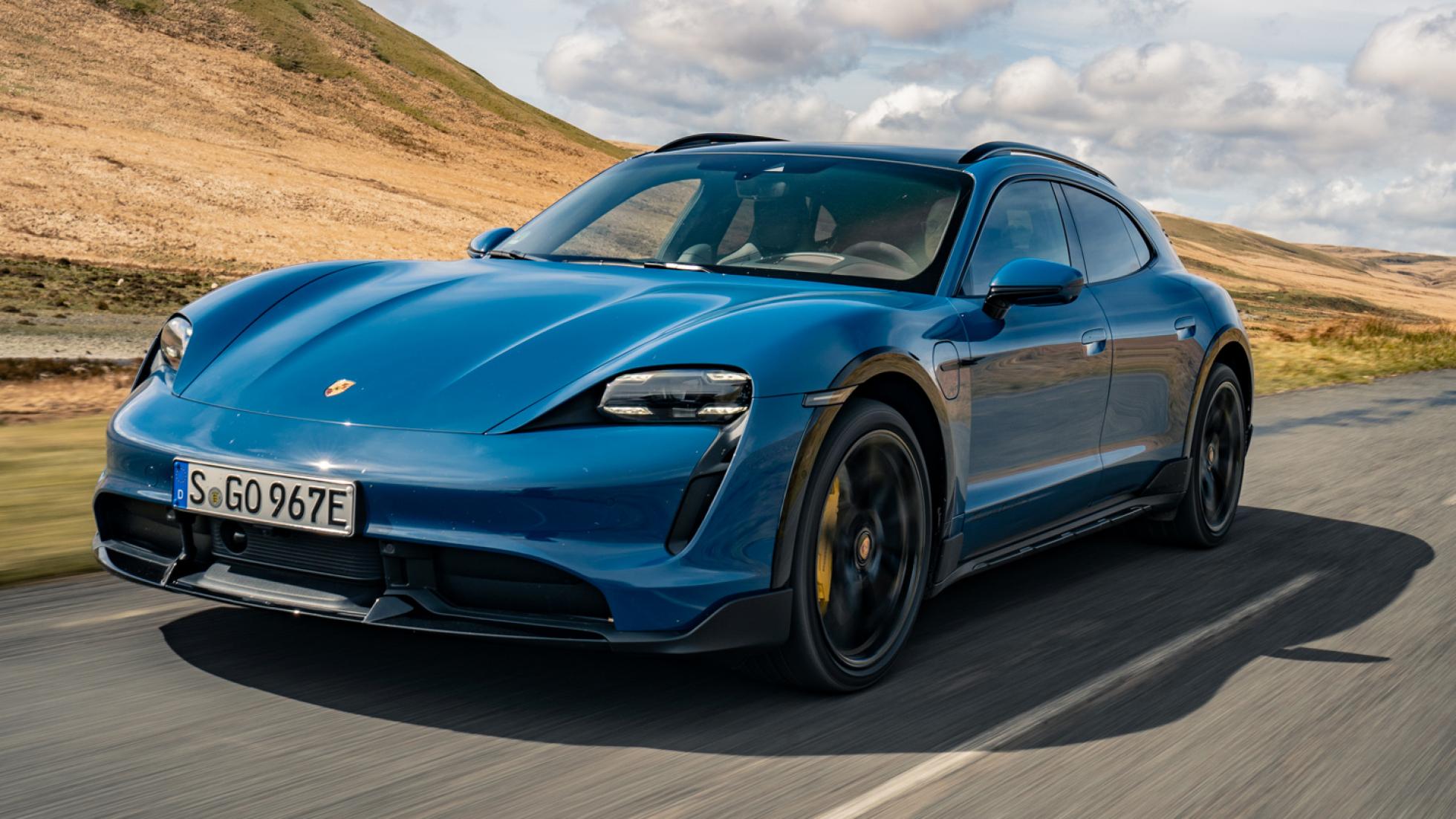
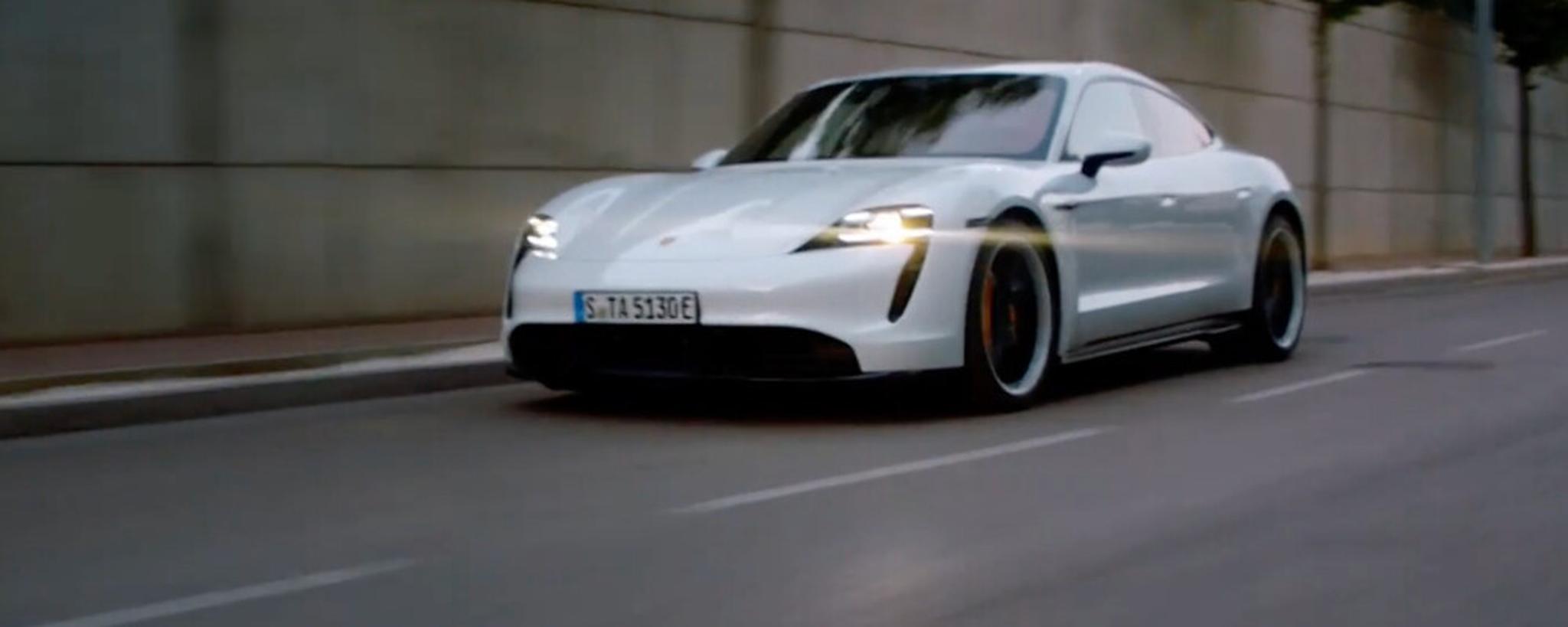
The 2021 Porsche Taycan redefined electric vehicle performance, offering acceleration times ranging from 5.1 seconds in the base model to 2.6 seconds in the Turbo S variant. By utilizing a sophisticated two-speed transmission and advanced thermal management, the Taycan maintains consistent high-output acceleration, distinguishing its performance profile from traditional single-speed electric rivals.
Understanding the 2021 Porsche Taycan Performance Architecture
When analyzing the 2021 Porsche Taycan, one must distinguish between the various trim levels, as they utilize different battery architectures and motor configurations. The Taycan was engineered not merely to compete in the luxury electric sedan market but to embody the dynamic driving characteristics traditionally associated with the Porsche brand.
The core of the Taycan’s performance lies in its 800-volt architecture, which allows for sustained high performance without the typical power drop-off associated with high-heat battery discharge. Unlike many electric vehicles that rely on a single-speed transmission, the 2021 Taycan employs a two-speed rear gearbox. The first gear provides explosive acceleration from a standstill, while the second gear optimizes efficiency and power delivery at higher speeds, ensuring that the vehicle remains capable of triple-digit speeds with remarkable stability.
The 0-60 MPH Performance Breakdown by Variant
The acceleration capability of the 2021 Taycan is inherently tied to the specific motor and battery configuration of each trim. When the "Launch Control" feature is activated—a system designed to optimize torque delivery and traction—the vehicle achieves its official performance figures.
- Taycan (Base Model): Equipped with a single rear-mounted motor, this entry-level trim provides a linear and responsive experience. It achieves a 0-60 mph time of approximately 5.1 seconds.
- Taycan 4S: Moving to the 4S adds all-wheel drive, significantly improving traction off the line. Depending on whether it is equipped with the standard Performance Battery or the Performance Battery Plus, the 4S typically records a 0-60 mph time of about 3.8 seconds.
- Taycan Turbo: Utilizing dual permanent magnet synchronous motors, the Turbo model brings the time down significantly to roughly 3.0 seconds.
- Taycan Turbo S: As the flagship performance variant, the Turbo S utilizes a larger inverter and more aggressive power management to achieve an official 0-60 mph time of 2.6 seconds, making it one of the quickest production vehicles of its era.
Comparison Table of 2021 Taycan Performance Metrics
The following data summarizes the official performance capabilities for the primary 2021 Taycan variants. These figures are based on manufacturer specifications achieved under optimal track conditions using the Sport Chrono Package and Launch Control.
| Trim Level | Drivetrain | Horsepower (Overboost) | 0-60 MPH Time |
|---|---|---|---|
| Taycan | RWD | 402 hp | 5.1 seconds |
| Taycan 4S | AWD | 522 hp | 3.8 seconds |
| Taycan Turbo | AWD | 670 hp | 3.0 seconds |
| Taycan Turbo S | AWD | 750 hp | 2.6 seconds |
Thermal Management and Repeatability
One of the most critical aspects of the 2021 Porsche Taycan’s performance is its ability to replicate these acceleration runs. Many electric vehicles suffer from "heat soak," where the battery or motor temperature rises during aggressive driving, triggering software-imposed power limitations to protect the hardware.
Porsche addressed this by implementing a highly advanced thermal management system. The Taycan’s cooling circuit is designed to maintain the battery within an ideal temperature window, allowing the driver to perform multiple launches in quick succession without significant performance degradation. This level of repeatability was a major differentiator in 2021, moving the electric vehicle category away from "single-run" performance and toward consistent, track-capable output.
The Role of Launch Control and Regenerative Braking
The 0-60 time is only one part of the driving equation. To maximize the 0-60 performance, the driver must engage the Sport Plus drive mode, which primes the motors for maximum torque delivery. The vehicle’s traction control systems are calibrated to manage the immense instant torque characteristic of electric motors, ensuring that the tires find purchase on the pavement without excessive wheel slip.
Simultaneously, the Taycan’s regenerative braking system plays a role in the overall driving experience. While it does not directly impact the 0-60 sprint, the way the car manages energy recuperation during deceleration affects how quickly the vehicle can be set up for a subsequent acceleration run. Porsche’s integration of mechanical and regenerative braking provides a pedal feel that remains consistent, allowing drivers to maintain confidence during spirited driving scenarios.
Practical Considerations for Owners
While the 0-60 mph time is the headline figure, prospective owners and enthusiasts should consider the real-world implications of this performance. First, the Taycan’s acceleration is incredibly accessible; unlike high-performance internal combustion engines that require building revs and managing complex gear shifts, the Taycan delivers its peak torque instantly. This can make the vehicle feel significantly faster in everyday traffic than a traditional sports car with similar acceleration figures.
However, this performance comes with a caveat regarding tire wear. The heavy curb weight of the Taycan, combined with the instant torque of the electric motors, creates a unique demand on tire compounds. Drivers who frequently utilize the full acceleration capabilities of the vehicle will likely notice a more rapid depletion of tread depth compared to traditional sedans. Maintenance schedules for the 2021 model year include routine inspections of the drivetrain components, which are essential for maintaining these high-performance metrics as the vehicle ages.
Frequently Asked Questions
Does the 0-60 time change if the battery is low? Yes. As the state of charge (SoC) drops below certain thresholds—typically around 20-30%—the battery management system may restrict peak power output to ensure the longevity of the cells. You will achieve the fastest times when the battery is charged above 50-80% and the system is at an optimal operating temperature.
Do I need the Sport Chrono Package to hit these times? The Sport Chrono Package is generally required to access the "Launch Control" function, which is necessary to achieve the manufacturer's stated 0-60 mph times. Without this package, the vehicle may limit the initial torque delivery to provide a smoother, more controlled acceleration.
Is the Taycan Turbo S faster than a gasoline sports car? In terms of 0-60 mph acceleration, the 2021 Taycan Turbo S is faster than the vast majority of production gasoline sports cars. Its ability to provide instantaneous torque at zero RPM eliminates the "turbo lag" and gear-hunting associated with internal combustion engines.
How does the 2-speed transmission affect the driving experience? The 2-speed transmission is largely imperceptible to the driver during normal operation. It shifts automatically to keep the motor in its most efficient power band. You may notice a slight change in the pitch of the electric whine during the shift, but the acceleration remains seamless and uninterrupted.
Can I launch the car repeatedly at a track? Yes. The 2021 Taycan is designed for high-performance repetition. Its advanced thermal management system is specifically engineered to allow for multiple full-throttle launches without entering a "limp mode" or suffering the severe performance degradation seen in many other electric vehicles.
Recommendation for Enthusiasts
If you are prioritizing performance, focus your search on the Turbo or Turbo S variants. These models utilize the larger Performance Battery Plus as standard and feature the highest motor output, ensuring you get the full, unbridled experience of Porsche's electric engineering. Regardless of the trim, ensure the vehicle has been maintained according to Porsche’s specific interval requirements for the 800-volt system, as this is the primary factor in sustaining the car’s factory-rated performance over time.