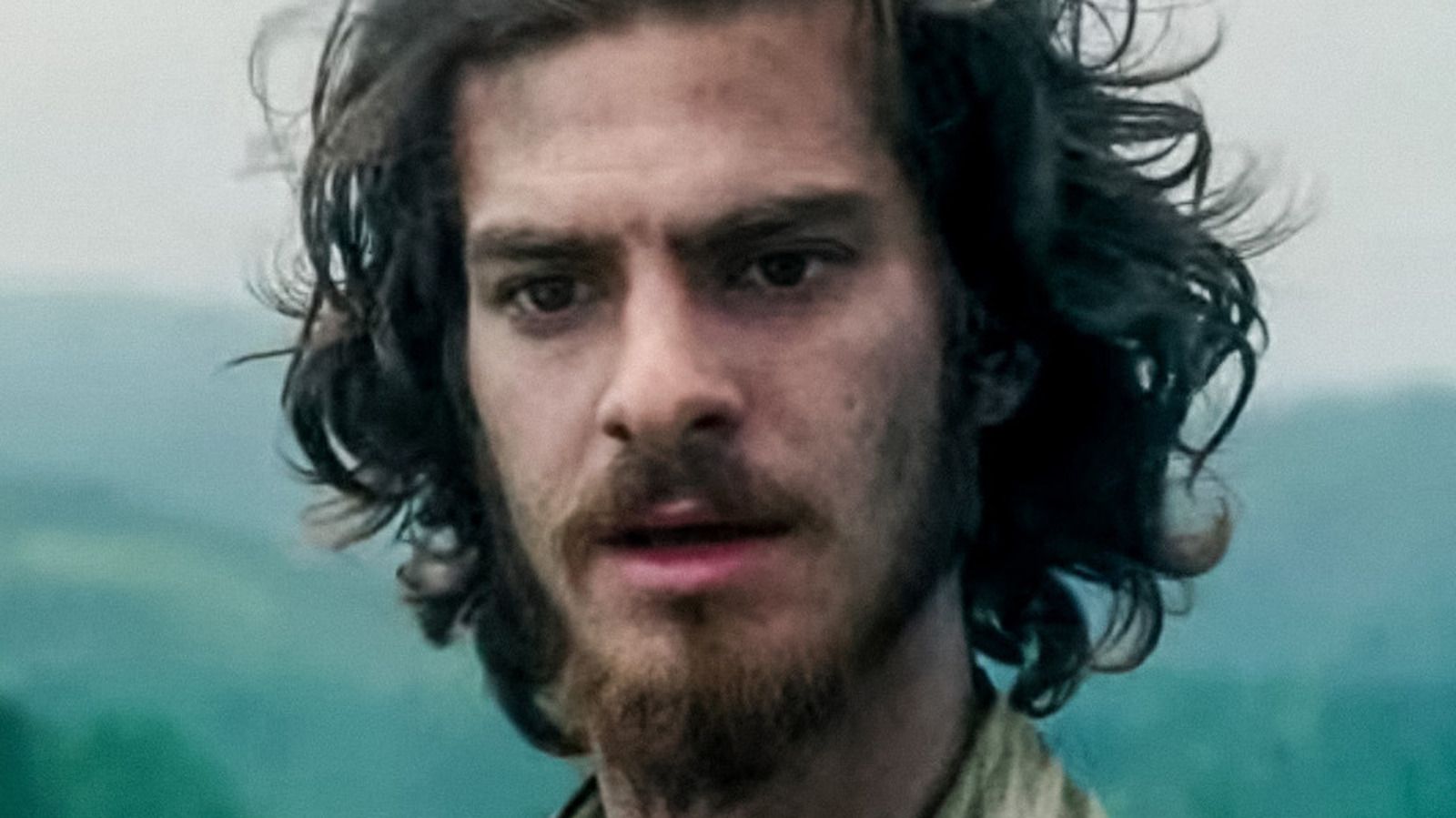
The filmography of Andrew Garfield is defined by a deliberate shift from indie British dramas to global blockbusters, followed by a sustained period of high-prestige character studies. Best known for his roles in The Social Network, The Amazing Spider-Man, and Tick, Tick... Boom!, Garfield has established himself as one of the most versatile and emotionally resonant actors of his generation.
The British Genesis: From Stage to "Boy A"
Before becoming a household name in Hollywood, Andrew Garfield’s career began in the United Kingdom, where he focused heavily on theater and television. His early filmography is a testament to his "acting-first" philosophy, prioritizing complex psychological profiles over commercial viability.
Early Television and Stage Roots
Garfield's professional journey gained momentum with the British teen drama Sugar Rush (2005) and an appearance in the iconic science-fiction series Doctor Who (2007). These roles provided a glimpse of his ability to inhabit disparate worlds, but it was his work on the London stage—particularly in Citizenship and The Overwhelming—that caught the attention of casting directors.
The Breakthrough: Boy A (2007)
The true turning point in Garfield’s early filmography was the Channel 4 film Boy A. In this production, he played Jack Burridge, a young man attempting to re-enter society under a new identity after serving time for a crime committed as a child.
This performance was a masterclass in vulnerability and internal conflict. It earned him the BAFTA TV Award for Best Actor in 2008, effectively signaling to the global film industry that a major new talent had arrived. The film remains a cornerstone for understanding his career, as it established his penchant for characters burdened by immense emotional or moral weight.
The Hollywood Breakthrough: 2010–2011
The year 2010 marked Garfield's transition from a respected British actor to an international star. Two specific films defined this era, showcasing his range in both dystopian sci-fi and fast-paced biographical drama.
The Social Network (2010)
Directed by David Fincher and written by Aaron Sorkin, The Social Network is arguably the most significant ensemble piece in Garfield’s career. Playing Eduardo Saverin, the co-founder of Facebook, Garfield served as the emotional heartbeat of the film.
His portrayal of betrayal was visceral, particularly in the famous "laptop smashing" scene. While Jesse Eisenberg took the lead as Mark Zuckerberg, many critics argued that Garfield’s performance was the anchor that made the film's legal and financial technicalities feel human. This role earned him his first Golden Globe and BAFTA nominations.
Never Let Me Go (2010)
In the same year, Garfield starred alongside Carey Mulligan and Keira Knightley in the adaptation of Kazuo Ishiguro’s Never Let Me Go. As Tommy, a "donor" in a dystopian society, Garfield portrayed a heartbreaking innocence. This film solidified his reputation for "physical acting"—using his body and facial micro-expressions to convey a sense of impending doom and longing.
The Spider-Man Era and the Burden of the Blockbuster
In 2012, Andrew Garfield’s filmography took a sharp turn into the world of intellectual property (IP) when he was cast as Peter Parker in The Amazing Spider-Man.
The Amazing Spider-Man (2012) and Its Sequel (2014)
Garfield’s interpretation of Peter Parker was markedly different from Tobey Maguire’s previous version. He brought a "skater-punk" energy and a more sarcastic, comic-accurate wit to the character. His chemistry with Emma Stone (who played Gwen Stacy) is often cited as the high point of this duology.
However, the films themselves faced criticism for over-stuffed plots and studio interference. Despite the commercial success, the cancellation of the third installment left Garfield’s tenure as the web-slinger feeling unfinished for many years. This period is essential to his filmography because it represents his only major foray into traditional franchise filmmaking, a path he largely abandoned in favor of auteur-driven projects shortly thereafter.
The Prestige Phase: Faith, War, and Auteurs
After his time as Spider-Man, Garfield pivoted toward demanding, often transformative roles that required significant physical and mental preparation.
Hacksaw Ridge (2016)
Directed by Mel Gibson, Hacksaw Ridge featured Garfield as Desmond Doss, a Seventh-day Adventist who served as a medic during WWII without ever carrying a weapon. To play Doss, Garfield underwent rigorous training and spent months studying Doss’s life and faith. The performance earned him his first Academy Award nomination for Best Actor. It demonstrated his ability to carry a massive historical epic while maintaining a grounded, humble character study.
Silence (2016)
In the same year, Garfield starred in Martin Scorsese’s passion project, Silence. Playing a Jesuit priest in 17th-century Japan, Garfield lost nearly 40 pounds and spent a year in spiritual preparation, including a silent retreat. Although the film was not a massive box-office hit, it is considered by cinephiles to be one of Garfield’s most profound performances, exploring the technicalities of faith, doubt, and cultural collision.
The Musical Turn and the Return to Heroics
By the early 2020s, Garfield’s filmography expanded into new genres, including musicals and a surprising return to the superhero genre.
Tick, Tick... Boom! (2021)
Directed by Lin-Manuel Miranda, this biographical musical saw Garfield play Jonathan Larson, the creator of Rent. Before this film, Garfield was not known as a singer or a pianist. He spent a year learning both skills from scratch. The result was a high-energy, neurotic, and deeply moving performance that earned him a Golden Globe win and his second Oscar nomination. It proved that his technical range extended far beyond dramatic acting.
Spider-Man: No Way Home (2021)
In a landmark cinematic event, Garfield returned as Peter Parker in Spider-Man: No Way Home. His appearance was more than just a cameo; it provided a narrative "redemption" for his version of the character, particularly in a scene where he saves MJ (Zendaya), echoing the tragedy of Gwen Stacy in his own timeline. This appearance sparked a massive resurgence in his popularity and led to a re-evaluation of his original Amazing Spider-Man films.
Major Filmography Highlights and Awards
The following table summarizes the key milestones in Andrew Garfield’s filmography, highlighting the diversity of his roles and the recognition he has received.
| Year | Title | Role | Key Recognition |
|---|---|---|---|
| 2007 | Boy A | Jack Burridge | BAFTA TV Award for Best Actor |
| 2010 | The Social Network | Eduardo Saverin | BAFTA & Golden Globe Nominations |
| 2010 | Never Let Me Go | Tommy D. | Saturn Award for Best Supporting Actor |
| 2012 | The Amazing Spider-Man | Peter Parker / Spider-Man | Kids' Choice Award Nominee |
| 2016 | Hacksaw Ridge | Desmond Doss | Academy Award Nomination (Best Actor) |
| 2016 | Silence | Sebastião Rodrigues | London Film Critics' Circle Actor of the Year |
| 2017 | Breathe | Robin Cavendish | Evening Standard British Film Award Nominee |
| 2021 | The Eyes of Tammy Faye | Jim Bakker | SAG Award Nomination (Ensemble) |
| 2021 | Tick, Tick... Boom! | Jonathan Larson | Golden Globe Winner (Best Actor - Musical/Comedy) |
| 2021 | Spider-Man: No Way Home | Peter Parker / Spider-Man | Global Box Office Phenomenon |
| 2024 | We Live in Time | Tobias | Critical Acclaim for Romantic Drama |
Recent Work and the Move to Limited Series
As of 2026, Garfield has increasingly balanced his film work with high-quality limited series, recognizing the "prestige television" landscape as a space for the character depth he favors.
Under the Banner of Heaven (2022)
Though a television miniseries rather than a film, this project is a vital part of his recent body of work. Garfield played Detective Jeb Pyre, a Mormon detective investigating a brutal murder that tests his faith. His performance was widely praised for its subtlety, earning him Emmy and SAG nominations.
We Live in Time (2024)
Returning to the romantic drama genre, Garfield starred opposite Florence Pugh in We Live in Time. The film, known for its non-linear storytelling, allowed Garfield to explore the domestic and existential facets of a long-term relationship. It served as a reminder that he does not need "gimmicks" or green screens to command an audience's attention; a strong script and a capable scene partner are sufficient.
FAQ: Understanding Garfield’s Career Choices
How many times has Andrew Garfield played Spider-Man?
Andrew Garfield has officially appeared as Peter Parker/Spider-Man in three films: The Amazing Spider-Man (2012), The Amazing Spider-Man 2 (2014), and Spider-Man: No Way Home (2021). While his solo franchise was cut short, his return in the Marvel Cinematic Universe (MCU) was one of the most celebrated moments in recent superhero cinema history.
Has Andrew Garfield ever won an Academy Award?
As of 2026, Andrew Garfield has been nominated for two Academy Awards for Best Actor (Hacksaw Ridge and Tick, Tick... Boom!). While he has not yet won an Oscar, he has won several other prestigious awards, including a Tony Award for his work in Angels in America on Broadway and a BAFTA for Boy A.
Is Andrew Garfield a "Method Actor"?
Garfield has spoken openly about his preparation process, which often involves "immersion." For Silence, he practiced Jesuit spiritual exercises and maintained a vow of silence for periods. For Tick, Tick... Boom!, he lived and breathed the life of Jonathan Larson for a year. While he uses elements of the Method, he often describes his approach as a deep commitment to the truth of the character rather than a permanent loss of self.
What is Andrew Garfield's best-rated movie?
According to critical aggregates like Rotten Tomatoes and Metacritic, The Social Network and Spider-Man: No Way Home are among his highest-rated commercial successes. However, from a performance standpoint, Boy A and Tick, Tick... Boom! are frequently cited by critics as his most flawless work.
Analyzing His Acting Technique: The "Vulnerability" Factor
One cannot explain Andrew Garfield’s filmography without addressing his specific technical approach to acting. He is often categorized as an "emotional" actor, but this is an oversimplification.
His technique involves a high degree of physicality. In The Social Network, his posture changes as he realizes he is being pushed out of the company. In Hacksaw Ridge, he adopts a specific, almost bird-like gait to reflect Desmond Doss’s non-violent nature. Furthermore, Garfield is known for his "listening" on screen. Many of his best moments occur when he is not speaking, but rather reacting to his co-stars with an intensity that makes the audience feel the character’s internal processing.
Practical Recommendation: Where to Start?
If you are new to Andrew Garfield’s work, the best way to understand his range is to watch his films in a specific sequence that highlights his evolution:
- The Breakthrough: Start with The Social Network. It shows his ability to handle fast-paced dialogue and intense emotional stakes within a modern setting.
- The Dramatic Core: Watch Hacksaw Ridge. This provides insight into his capacity for physical transformation and historical gravitas.
- The Modern Masterpiece: Watch Tick, Tick... Boom!. This film showcases his unexpected musical talent and his ability to carry a film as a solo lead.
- The Cultural Milestone: Finish with The Amazing Spider-Man and No Way Home to see how he manages the pressures of a global franchise while maintaining character integrity.
Andrew Garfield’s filmography is a rare example of a career that has successfully navigated the tension between "Star Power" and "Actor Credibility." By consistently choosing projects that challenge his physical and emotional limits, he has ensured that his body of work remains both commercially relevant and artistically significant.