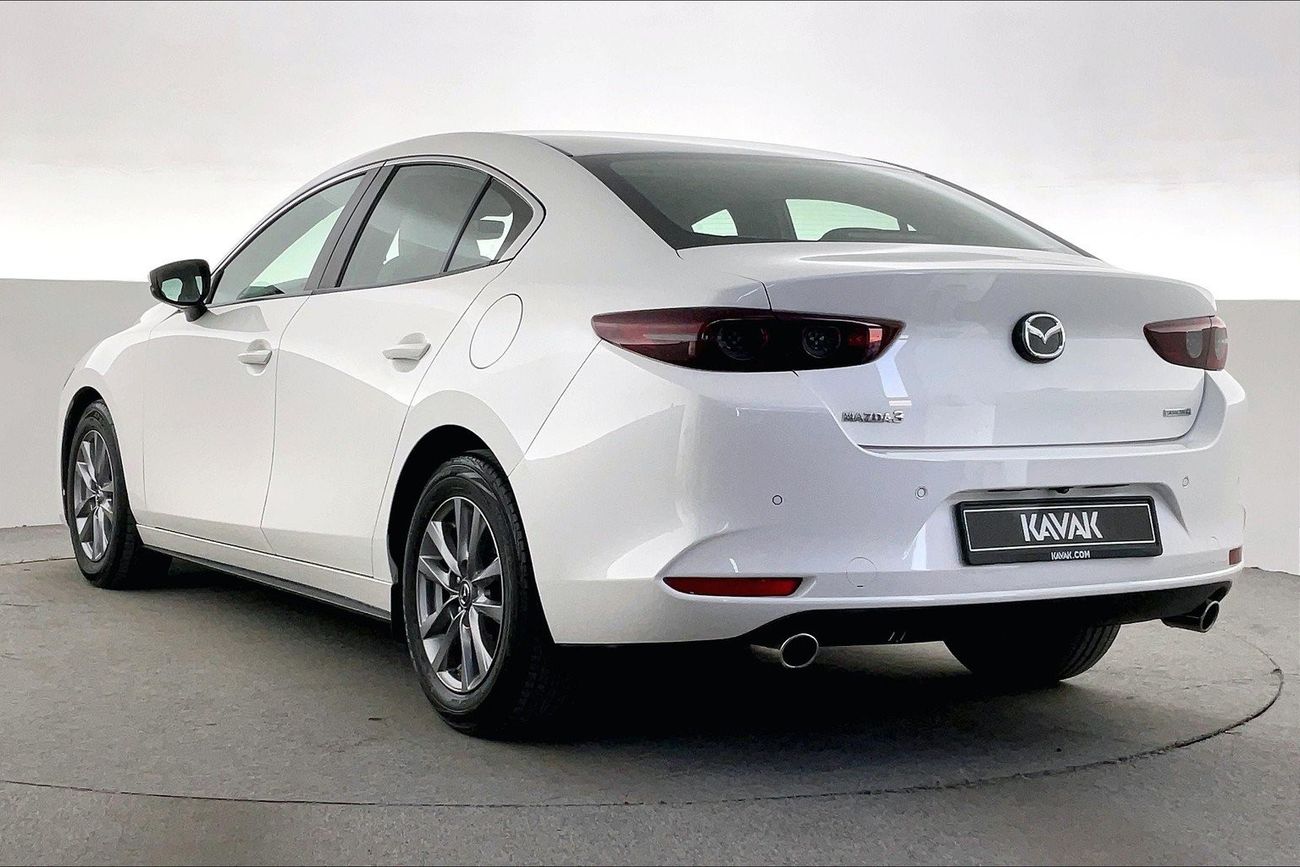
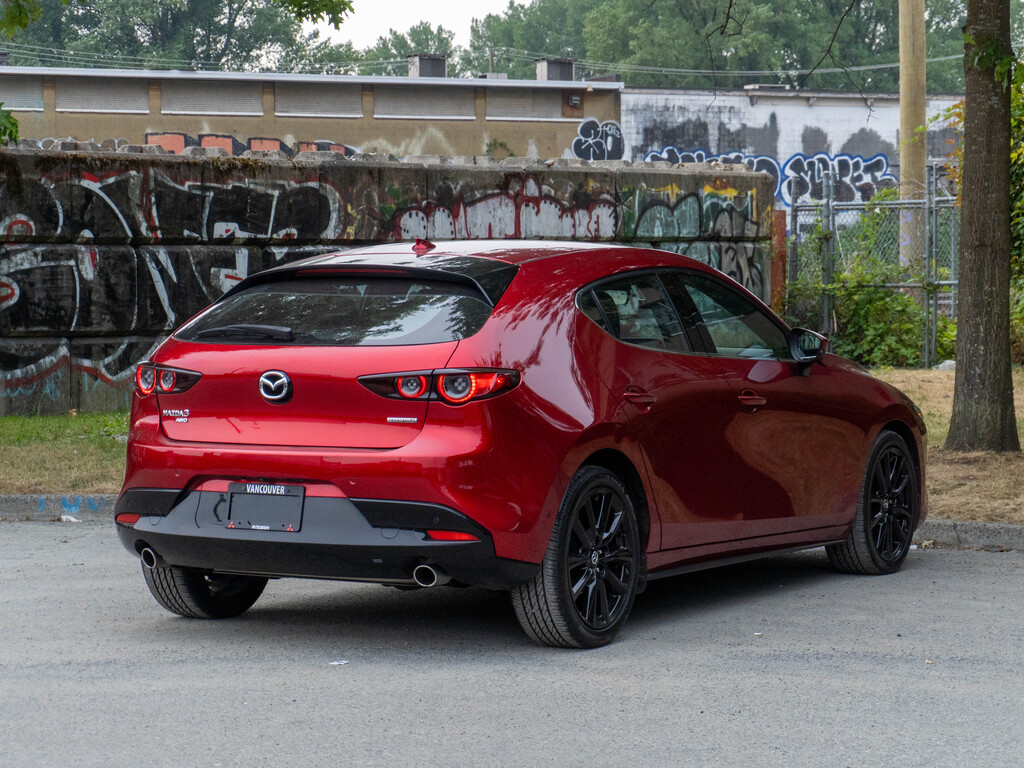
The 2020 Mazda 3 accelerates from 0 to 60 mph in times ranging from roughly 7.0 seconds to 8.2 seconds, depending heavily on the engine option, drivetrain configuration, and body style. Front-wheel-drive sedan models powered by the base 2.0-liter engine reach 60 mph in approximately 8.2 seconds, while the upgraded 2.5-liter engine drops that figure to about 7.0 to 7.4 seconds, with all-wheel-drive variants altering acceleration dynamics further.
Evaluating the performance of the 2020 Mazda 3 requires a close look at how engineering choices translate into real-world acceleration. As Mazda repositioned its fourth-generation compact car toward a more upscale market segment, powertrain selections diversified. This shift introduced trade-offs between everyday fuel efficiency and competitive sprint times, making acceleration metrics a crucial point of analysis for buyers comparing the sedan and hatchback configurations against class rivals.
Evolution of the Fourth-Generation Mazda 3 Powertrains
The 2020 model year marked the second year of the fourth-generation Mazda 3, which debuted a sophisticated design language and a heavily revised structural platform. Built on Mazda’s Skyactiv-Vehicle Architecture, the vehicle was engineered to provide a quieter cabin, superior impact protection, and enhanced driving dynamics. However, these structural improvements added weight compared to the third-generation models, directly influencing how the car handles its power output.
Under the hood, Mazda offered two primary gasoline engine options in North American markets for 2020: a naturally aspirated 2.0-liter four-cylinder and a larger, more powerful naturally aspirated 2.5-liter four-cylinder. A manual transmission remained available, though restricted to specific trims, while a traditional six-speed automatic transmission handled shifting duties for the vast majority of configurations. Furthermore, 2020 expanded the availability of predictive i-Activ all-wheel drive (AWD), introducing an extra layer of traction that affected overall weight distribution and acceleration profiles.
2.0-Liter Base Engine Performance and Real-World Dynamics
Exclusively available on the entry-level sedan configuration, the Skyactiv-G 2.0-liter engine produces 155 horsepower and 150 lb-ft of torque. Because this engine is paired strictly with front-wheel drive (FWD) and the six-speed automatic transmission, it serves as the baseline for the model line's straight-line speed.
Testing and independent instrumented evaluations consistently clock the 2.0-liter sedan's 0 to 60 mph time at approximately 8.2 seconds. While this figure places the base Mazda 3 squarely in line with typical compact commuter cars like the Toyota Corolla and Honda Civic, it does not prioritize aggressive off-the-line acceleration.
The power delivery of the 2.0-liter engine is linear, emphasizing smooth throttle progression and high thermal efficiency rather than a sudden surge of torque. Drivers merging onto fast-moving highways or executing passing maneuvers at highway speeds will find the engine adequate for daily commuting, but it requires deep throttle inputs and higher engine revolutions to reach peak power bands.
2.5-Liter Engine Performance Across Sedans and Hatchbacks
Stepping up to the Skyactiv-G 2.5-liter four-cylinder engine significantly transforms the vehicle's driving character. This powerplant generates 186 horsepower and 186 lb-ft of torque, providing a noticeable 31-horsepower advantage over the base unit. The 2.5-liter engine is standard on higher sedan trims and all hatchback variants.
Front-Wheel-Drive 2.5L Models
When equipped with front-wheel drive and the six-speed automatic transmission, the 2.5-liter sedan achieves a 0 to 60 mph time of roughly 7.0 to 7.2 seconds. The hatchback version, due to its slightly different aerodynamic profile and marginal weight variances, records a nearly identical time of approximately 7.2 to 7.3 seconds.
This reduction in acceleration time is immediately apparent in everyday driving. The 2.5-liter engine delivers stronger mid-range torque, allowing for effortless passing and confident highway merging. Drivers seeking a more engaging manual transmission experience could also pair the 2.5-liter engine with a six-speed manual, though this combination was restricted to the front-wheel-drive Premium hatchback for the 2020 model year. Instrument testing shows that the manual-equipped hatchback posts a 0 to 60 mph time of about 7.3 seconds, with the precise figure depending heavily on driver engagement and clutch drop technique.
All-Wheel-Drive 2.5L Models
To appeal to drivers in regions with severe winter weather, Mazda made its predictive i-Activ all-wheel-drive system available on select 2.5-liter automatic sedan and hatchback trims. While AWD dramatically improves traction in rain, snow, and loose gravel, the mechanical hardware adds approximately 150 to 170 pounds of curb weight.
Consequently, AWD models see a minor penalty in initial acceleration off the line. A 2020 Mazda 3 2.5 AWD sedan or hatchback typically completes the 0 to 60 mph run in 7.3 to 7.4 seconds. Although the fractional difference of a few tenths of a second is virtually imperceptible during normal driving, the added traction ensures that power is translated to the pavement with minimal wheel slip, particularly on slick surfaces.
| Powertrain & Drivetrain Configuration | Body Style | Transmission | Horsepower | Est. 0-60 mph Time |
|---|---|---|---|---|
| 2.0L Skyactiv-G FWD | Sedan | 6-Speed Automatic | 155 hp | 8.2 seconds |
| 2.5L Skyactiv-G FWD | Sedan / Hatchback | 6-Speed Automatic | 186 hp | 7.0 - 7.3 seconds |
| 2.5L Skyactiv-G FWD | Hatchback | 6-Speed Manual | 186 hp | 7.3 seconds |
| 2.5L Skyactiv-G AWD | Sedan / Hatchback | 6-Speed Automatic | 186 hp | 7.3 - 7.4 seconds |
Comparative Analysis: Mazda 3 Versus Compact Class Competitors
Evaluating the 2020 Mazda 3 0-60 times in a vacuum provides only part of the picture; context within the compact car segment highlights how Mazda balances performance against rivals like the Honda Civic, Toyota Corolla, and Volkswagen Jetta.
Honda Civic
The competing generation of the Honda Civic offered multiple engine choices, including a base 2.0-liter naturally aspirated engine and a punchier 1.5-liter turbocharged engine. The base Civic sedan matched the Mazda 3 2.0L with a 0-60 mph time in the low-to-mid 8-second range. However, the turbocharged Civic models sprinted from 0 to 60 mph in roughly 6.7 to 7.0 seconds, giving them a slight edge over the standard naturally aspirated 2.5L Mazda 3. Nevertheless, automotive critics frequently noted that the Mazda 3 offered a more responsive throttle calibration and a superior traditional automatic transmission compared to the Civic's continuously variable transmission (CVT).
Toyota Corolla
The 2020 Toyota Corolla featured a 1.8-liter engine for base models (0-60 mph in approximately 8.2 seconds) and a 2.0-liter engine for sportier trims like the SE and XSE (0-60 mph in about 7.5 seconds). While the sportier Corolla trims competed closely with the mid-tier Mazda 3 configurations, the Corolla leaned heavily on its CVT, which prioritized fuel economy over the engaging gear-shift feedback of the Mazda's traditional six-speed automatic.
Volkswagen Jetta
Volkswagen’s standard Jetta utilized a 1.4-liter turbocharged engine producing 147 horsepower, achieving a 0 to 60 mph time of roughly 7.7 seconds. While down on horsepower compared to Mazda's 2.5L engine, the Jetta's low-end turbo torque gave it a responsive feel around town, though it lacked the top-end pull and premium interior packaging of the Mazda 3.
Factors Influencing Real-World Acceleration Times
When testing or experiencing the acceleration of a 2020 Mazda 3, several external and mechanical variables can alter published manufacturer or instrumented test figures. Understanding these factors helps explain why individual drivers might observe variations in day-to-day performance.
Altitude and Climate Conditions
Naturally aspirated engines like the 2.0L and 2.5L Skyactiv-G units rely on ambient atmospheric pressure to force air into the combustion chambers. At high altitudes, reduced air density diminishes engine output, resulting in slower 0-60 mph times compared to sea-level testing environments. Similarly, high ambient temperatures reduce air density and oxygen concentration, impacting thermal efficiency and power delivery.
Fuel Quality
While the 2.0-liter and 2.5-liter engines are engineered to run on standard 87-octane regular unleaded gasoline, Mazda's engine management systems are capable of utilizing higher-octane fuel to optimize ignition timing. Independent dyno testing and manufacturer notes indicate that running premium fuel (91 octane or higher) in the 2.5-liter engine can yield a modest improvement in throttle response and mid-range pulling power, though peak horsepower ratings remain officially unchanged.
Curb Weight and Trim Variations
The 2020 Mazda 3 span multiple trim levels (Base, Select, Preferred, and Premium), with each tier adding varying degrees of electrical architecture, sound deadening materials, sunroof mechanisms, and leather upholstery. A fully loaded Premium AWD hatchback carries significantly more weight than a stripped-down base sedan, translating to a minor performance penalty during aggressive acceleration tests.
Common Misconceptions Regarding Mazda 3 Performance
A frequent point of discussion among automotive enthusiasts centers on whether the 2020 Mazda 3 should be categorized as a true hot hatch or sports sedan. With the discontinuation of the high-output Mazdaspeed 3 line from previous generations, the fourth-generation Mazda 3 was intentionally designed as a premium compact vehicle prioritizing ride refinement, interior quietness, and grand touring capabilities over raw track performance.
While its 0 to 60 mph times in the 7-to-8-second range are respectable for an everyday commuter car, buyers seeking aggressive turbo-boosted acceleration would have to wait for the introduction of the Mazda 3 2.5 Turbo variant for the 2021 model year. Conflating the standard 2020 naturally aspirated models with high-performance sports cars often leads to unrealistic expectations regarding straight-line speed.
Practical Recommendations for Prospective Buyers
For drivers evaluating a used 2020 Mazda 3, selecting the right powertrain depends entirely on driving priorities:
- Prioritize Fuel Economy and Budget: Choose the 2.0-liter FWD sedan if daily commuting efficiency and lower initial purchase costs are the primary objectives.
- Prioritize Balanced Performance: Select the 2.5-liter FWD sedan or hatchback for a responsive, confident driving experience that effortlessly handles highway passing.
- Prioritize All-Weather Capability: Opt for the 2.5-liter AWD configuration if driving frequently through heavy rain, snow, or unpaved terrain where low-traction launches are common.
By matching the specific trim and powertrain to individual lifestyle requirements, buyers can fully appreciate the dynamic engineering embedded within the fourth-generation Mazda 3 lineup.