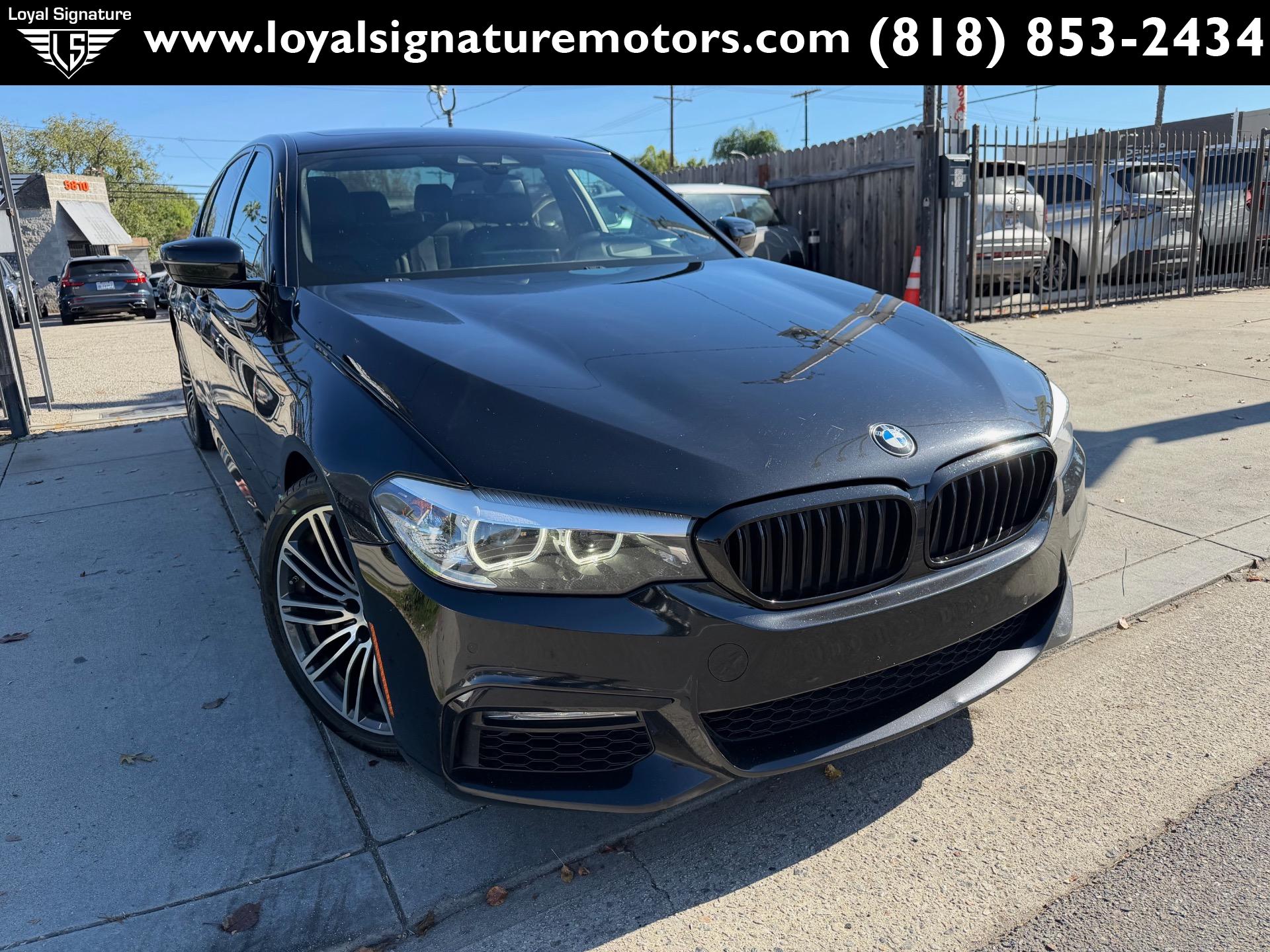
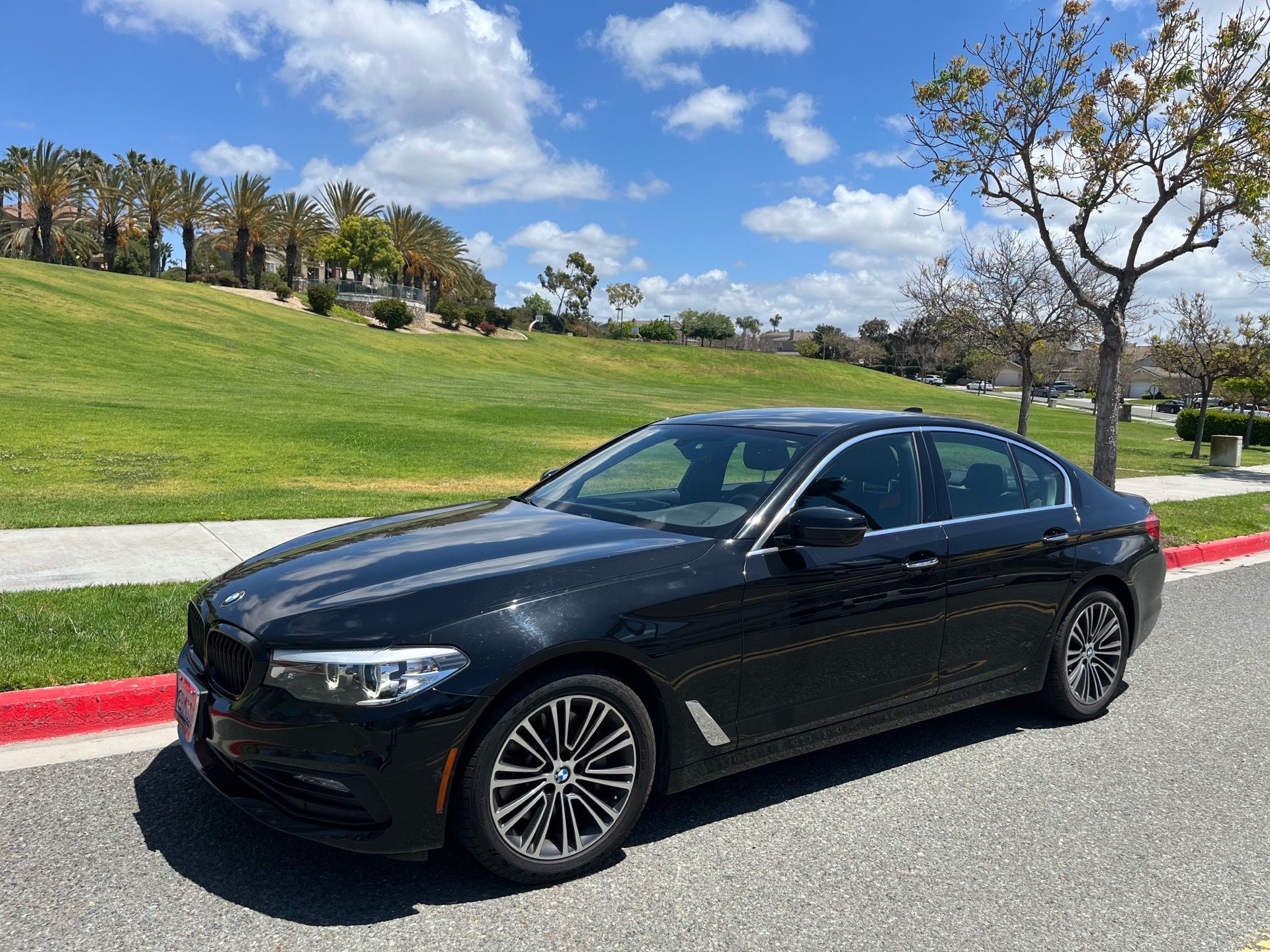
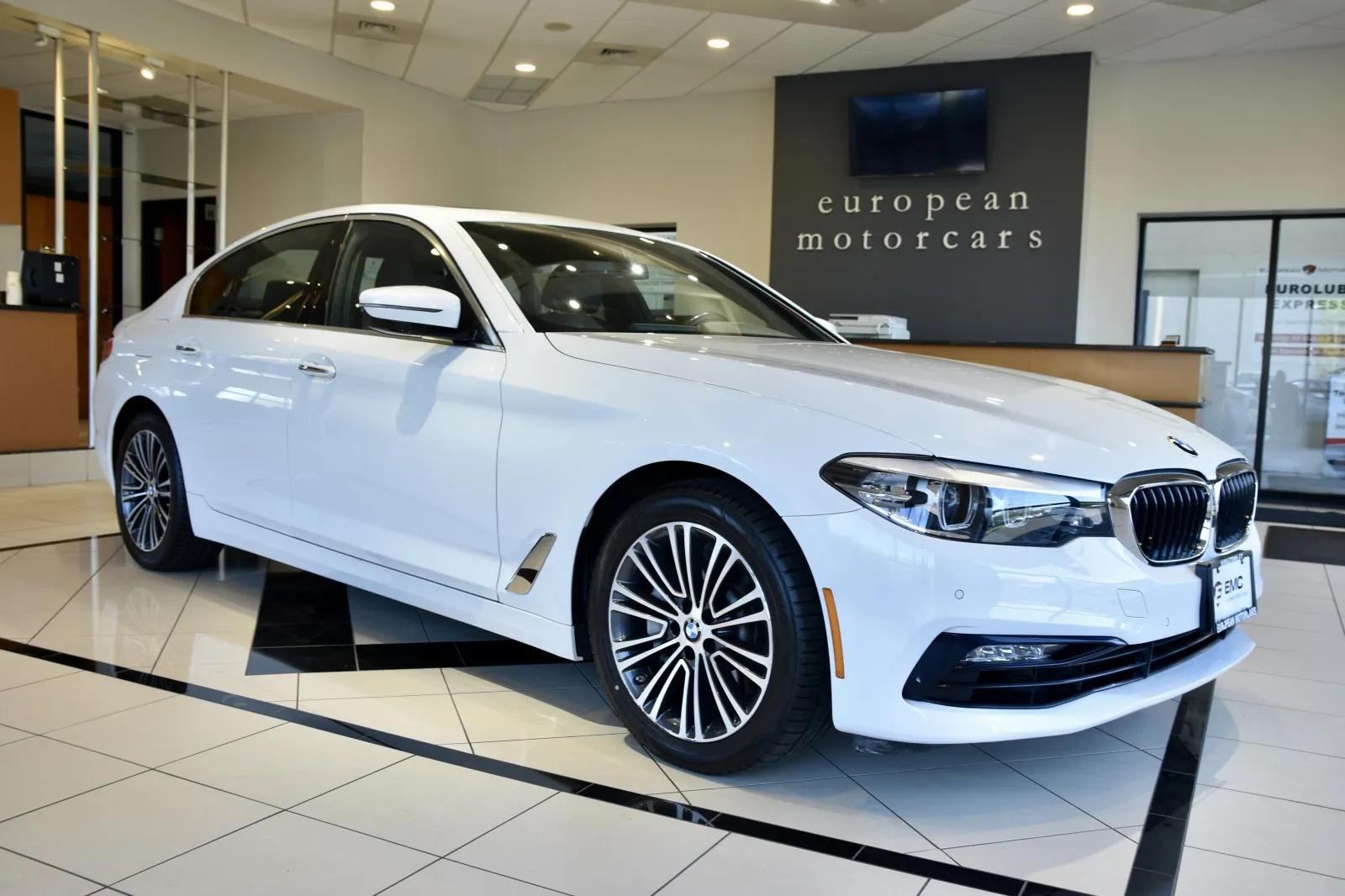
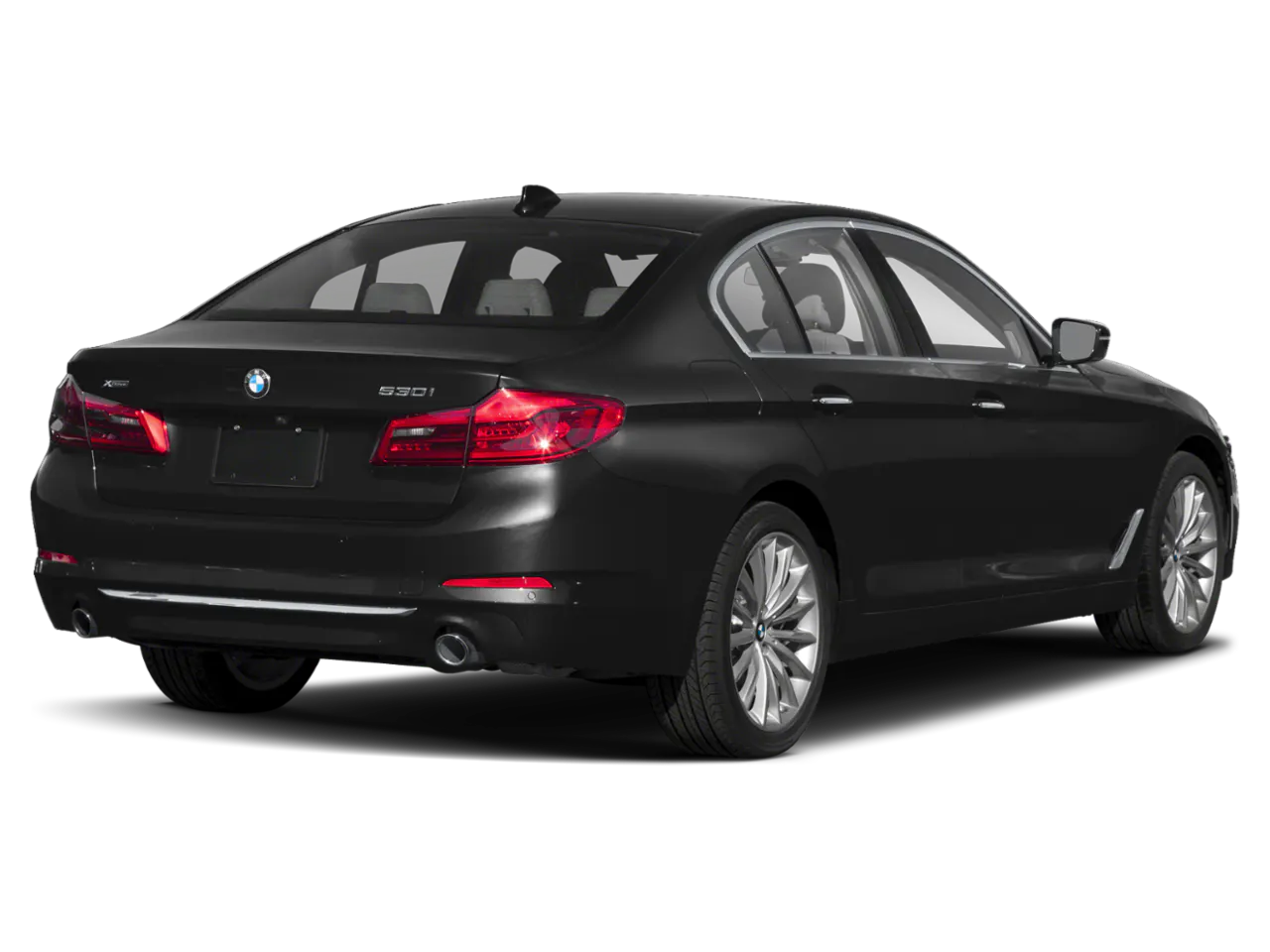
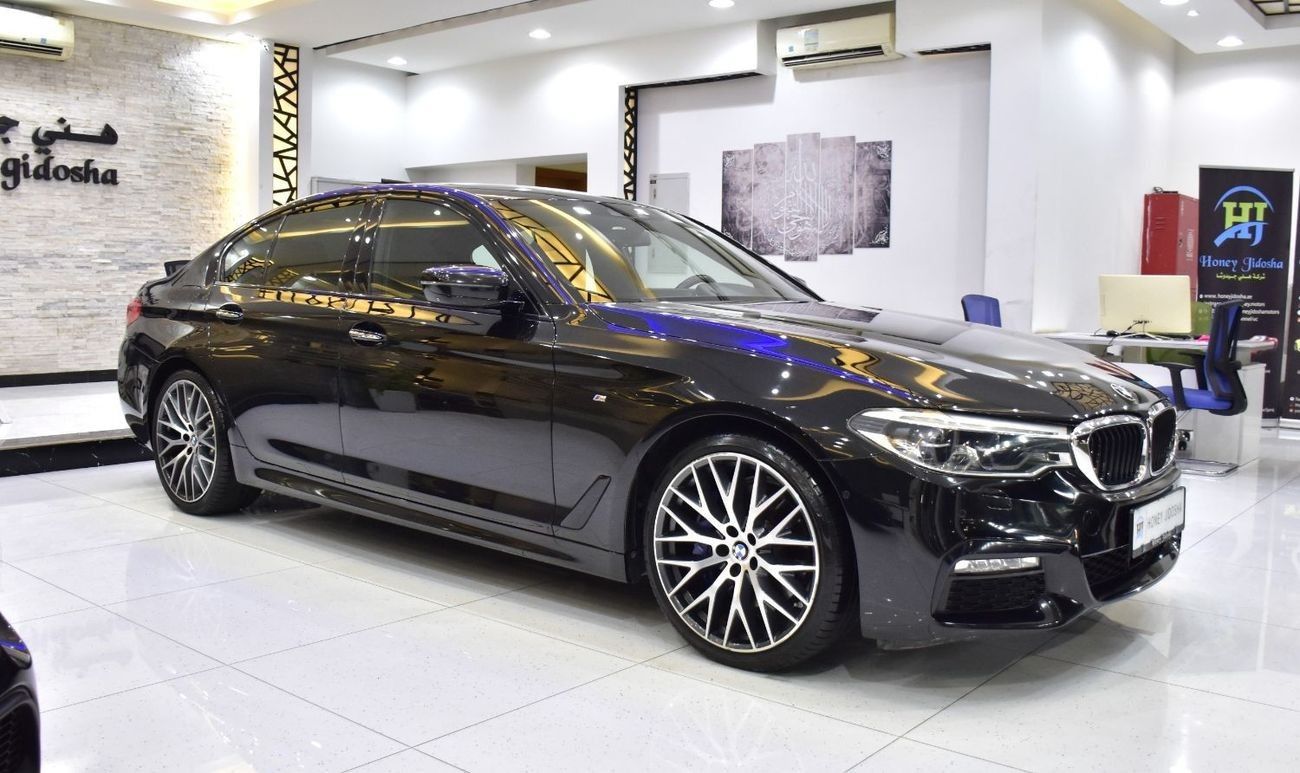
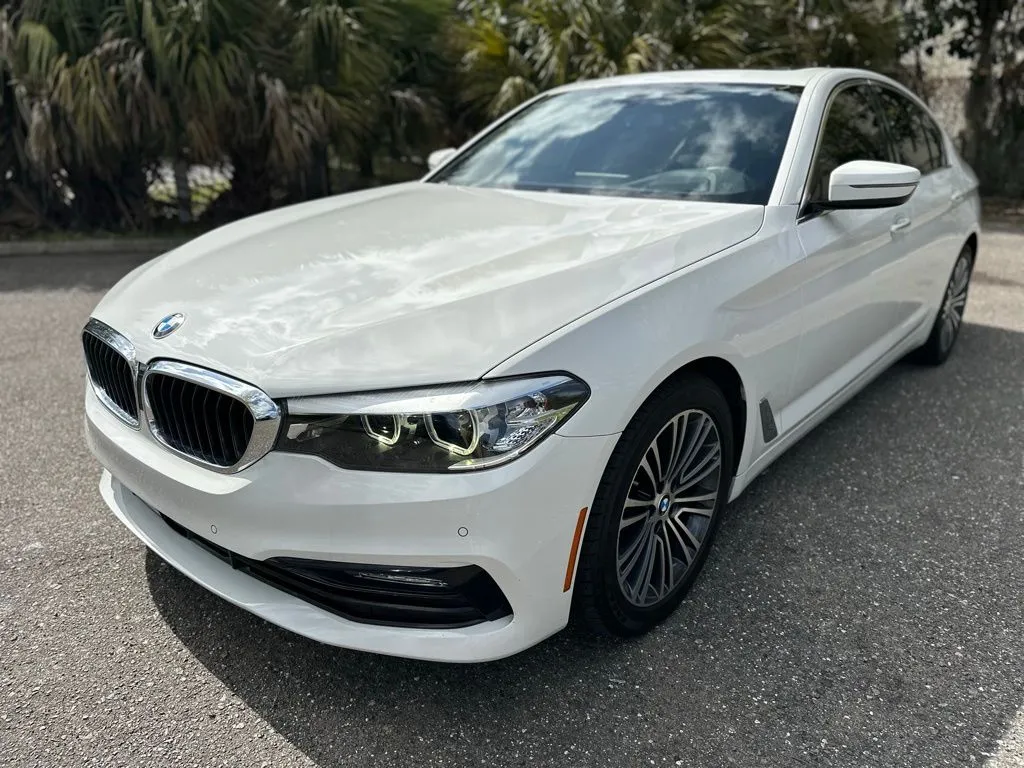
When researching the "2018 BMW 350i what changed," enthusiasts and prospective buyers often encounter a specific point of confusion regarding BMW's historical naming conventions: BMW never officially manufactured or sold a production model designated as the "350i" for the 2018 model year. Instead, the core of the BMW 3 Series lineup for 2018 consisted of the 320i, the 328d (diesel), the 330i, and the performance-oriented 340i. When consumers search for changes to a "350i" model from this era, they are almost universally looking for updates applied to the popular 330i or 340i models of the F30 generation, or they are confusing BMW's nomenclature with competitor vehicles like the Mercedes-Benz C350 or Infiniti G35/Q50.
To properly address what changed for the BMW 3 Series during the 2018 model year, it is necessary to examine the actual vehicles occupying the compact executive segment for that production cycle. The 2018 model year represented the twilight of the sixth-generation (F30) 3 Series sedan before the introduction of the completely redesigned G20 generation for 2019. Consequently, updates for 2018 were focused primarily on standard equipment adjustments, package configurations, and technology enhancements rather than massive mechanical overhauls. Understanding these updates clarifies what buyers and owners can expect when comparing late-model F30 vehicles.
The F30 Generation Landscape in 2018
The sixth-generation BMW 3 Series, known internally as the F30 for the sedan, had been a fixture on the global automotive market since the 2012 model year. By 2018, the vehicle had already undergone a substantial Mid-Cycle Action (MCA), commonly referred to as a Life Cycle Impulse (LCI), for the 2016 model year. That LCI introduced revised suspension tuning, updated LED lighting, and the deployment of the modular B-series engines, replacing the older N-series powerplants.
Therefore, looking for changes specifically in 2018 requires separating minor year-over-year trim adjustments from the major LCI updates that occurred two years prior. For 2018, BMW focused on rationalizing packages, expanding standard technology features to meet shifting consumer demands, and preparing the market for the impending generational shift. While a hypothetical "350i" does not exist in BMW's archives, the 330i and 340i models served as the primary inline-four and inline-six gasoline benchmarks for this production year.
| Model Variant | Engine Type | Displacement | Horsepower (Approx.) | Key Role in 2018 Lineup |
|---|---|---|---|---|
| BMW 320i | Turbocharged Inline-4 (B48) | 2.0 Liters | 180 hp | Entry-level gasoline sedan |
| BMW 330i | Turbocharged Inline-4 (B48) | 2.0 Liters | 248 hp | Core volume seller, replacing old 328i |
| BMW 340i | Turbocharged Inline-6 (B58) | 3.0 Liters | 320 hp | Performance flagship (non-M3) |
| BMW 328d | Turbocharged Diesel Inline-4 | 2.0 Liters | 180 hp | High-efficiency long-distance cruiser |
Standard Equipment and Technology Adjustments for 2018
One of the most notable shifts for the 2018 model year was the democratization of technology features that were previously locked behind expensive optional packages. As competition from Audi, Mercedes-Benz, and Lexus intensified, BMW updated its standard specifications sheet to keep the aging F30 chassis appealing to modern buyers.
Infotainment and iDrive Upgrades
By 2018, the iDrive system had transitioned firmly into the iDrive 6.0 era for vehicles equipped with navigation. While the hardware architecture remained largely consistent with late-2017 models, BMW made Navigation system features standard on a wider array of trims or bundled them more attractively. The central display screen interface received updated graphics tiles, and Apple CarPlay preparation became a more widely available standalone or packaged option, though it still required an ongoing subscription model through BMW ConnectedDrive during this period.
Exterior Lighting and Trim Packaging
The 2018 model year saw standard LED headlights and LED fog lights become standard equipment across the entire 3 Series sedan lineup. Previously, base models were equipped with traditional halogen headlights unless the buyer opted for lighting packages or higher trim lines. This single change significantly modernized the front fascia of even the entry-level 320i models, bringing visual parity across the showroom floor. Additionally, BMW revised the availability of the Sport Line, Luxury Line, and M Sport packages, streamlining the ordering process for dealerships and retail customers.
Powertrain Specifications and Mechanical Continuity
Because the major mechanical revolution happened during the 2016 LCI—which introduced the B48 four-cylinder and B58 six-cylinder engines—the 2018 model year carried over these powerplants with minimal alterations. For those investigating what changed under the hood, the engines remained fundamentally robust, addressing many of the reliability concerns that plagued the earlier N20 four-cylinder engines found in 2012–2015 models.
The B48 Engine in the 330i
Replacing the older N20, the 2.0-liter turbocharged B48 engine in the 2018 BMW 330i produced 248 horsepower and 258 lb-ft of torque. It featured a closed-deck block design, integrated exhaust manifold, and high-precision direct injection. For 2018, calibration updates optimized throttle response and transmission mapping when paired with the ubiquitous ZF 8-speed automatic transmission, which remained the industry benchmark for shift speed and smoothness.
The B58 Engine in the 340i
For buyers seeking traditional BMW inline-six performance, the 2018 340i utilized the B58 3.0-liter turbo engine, generating 320 horsepower and 330 lb-ft of torque. Known for its thermal efficiency, closed-deck architecture, and massive tuning potential, the B58 engine received no major structural modifications for 2018. It continued to deliver strong linear power delivery and improved fuel economy compared to the N55 engine it replaced.
Common Packages and Configuration Changes
BMW restructured its optional equipment groups for 2018 to simplify manufacturing and appeal to package-oriented buyers. Understanding these packages is essential when evaluating a used 2018 model, as two cars with the same "330i" badge can have vastly different driving dynamics and cabin features.
- Convenience Package: Included ambient lighting, satellite radio preparation, and comfort access keyless entry.
- Premium Package: Added heated front seats, navigation, a head-up display, and lumbar support.
- Executive Package: Brought adaptive full LED lights, automatic high beams, side- and top-view cameras, and parking assistant features.
- M Sport Package: Focused on aesthetic and dynamic enhancements, featuring an aggressive aerodynamic body kit, M Sport suspension, unique 18- or 19-inch wheels, an M steering wheel, and a higher top-speed limiter.
Frequently Asked Questions
Did BMW make a 2018 BMW 350i?
No, BMW never produced a model designated as the "350i" for the 2018 model year or any other year. The closest numerical equivalents in the 3 Series lineup for 2018 were the four-cylinder 330i and the inline-six 340i. Consumers searching for a "350i" are often thinking of competitors like the Mercedes-Benz C350 or misremembering BMW's 330i/340i nomenclature.
What are the main differences between a 2017 and 2018 BMW 3 Series?
The differences are relatively minor because the major mid-cycle refresh occurred for the 2016 model year. For 2018, BMW made LED headlights standard across all trim levels, updated certain iDrive interface options, and revised the content and pricing of option packages like the Convenience and Premium tiers.
Is the 2018 model year reliable for the BMW 3 Series?
Yes, the 2018 model year is generally considered one of the most reliable years for the F30 generation. Because it represents the final year of production before the platform redesign, BMW had resolved the major mechanical teething issues associated with earlier years of the F30 generation, particularly those related to the older N20 engine timing chains.
What transmission options were available in 2018?
The vast majority of 2018 BMW 3 Series models in North America were equipped with the ZF 8-speed automatic transmission with paddle shifters. A 6-speed manual transmission remained available as a no-cost option, but strictly restricted to specific rear-wheel-drive configurations of the 320i, 330i, and 340i sedans.
How does the 2018 330i compare to the 340i in daily driving?
The 330i features a 2.0-liter turbocharged four-cylinder engine optimized for efficiency and agile handling, making it an excellent daily commuter. The 340i features a 3.0-liter turbocharged inline-six engine that delivers significantly more straight-line performance, a more aggressive exhaust note, and a heavier front-end feel due to the larger engine block.
Conclusion and Next Actions
While a "350i" model does not exist in BMW's historical catalog, examining the 2018 BMW 3 Series reveals a refined, mature compact executive car wrapping up its F30 production run. For prospective buyers or current enthusiasts, prioritizing vehicles equipped with the B48 or B58 engines ensures long-term mechanical stability. When shopping in the secondary market, always verify the exact package inclusions—such as the M Sport or Premium packages—using the vehicle's VIN, as standard equipment lists for 2018 can vary widely based on original factory orders.