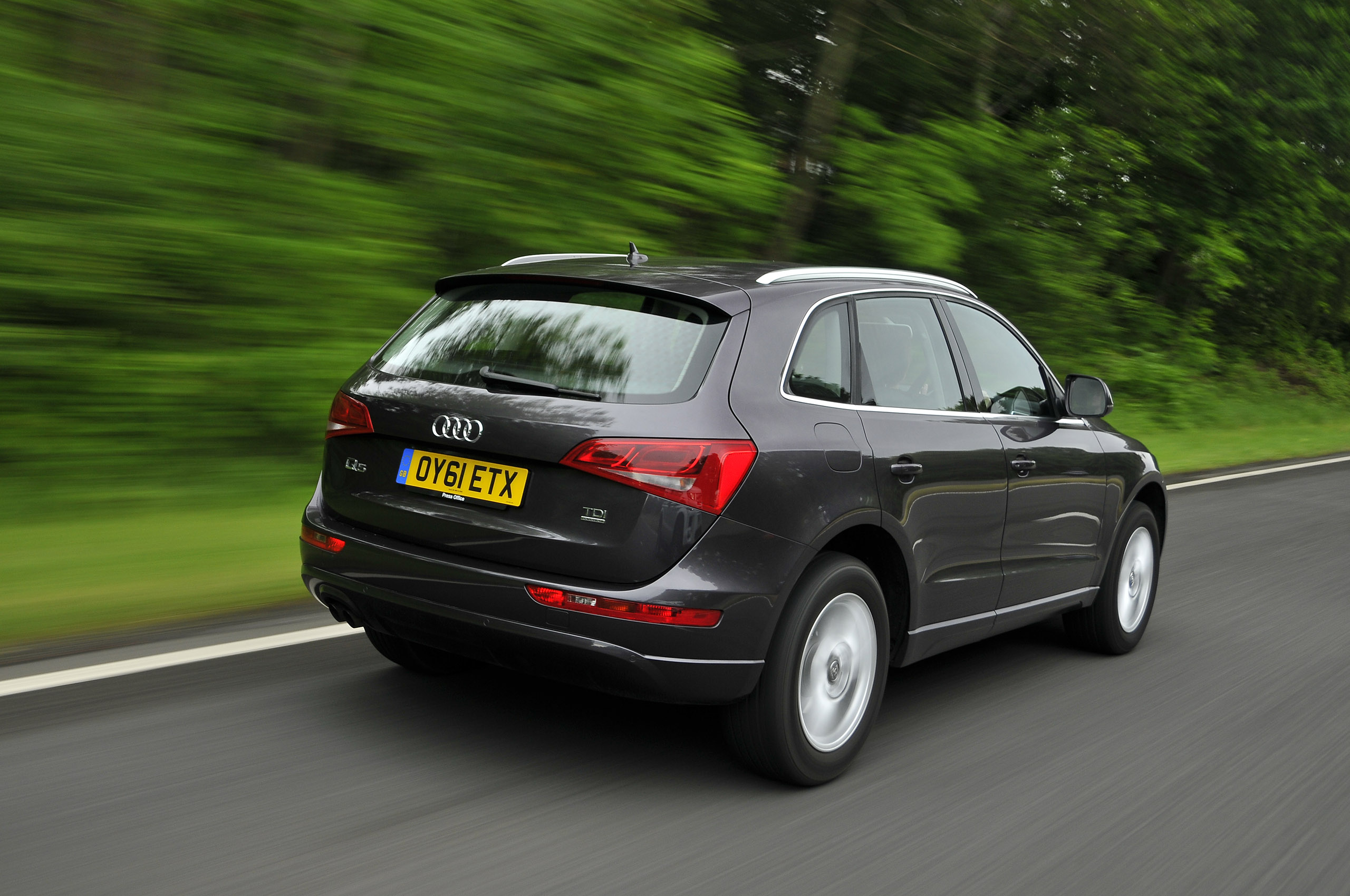
The 2016 Audi Q5 is generally considered one of the most reliable years for the first-generation (8R) luxury crossover. While it avoids the catastrophic engine failures seen in earlier models, owners in 2026 still face specific issues regarding oil consumption, cooling system leaks, timing chain wear, and fuel pump recalls.
The 2016 model year represents the penultimate year of the first-generation Q5. By this time, Audi had addressed many of the "teething" problems that plagued the 2009–2012 models, such as the frequent turbocharger failures and the most severe cases of piston ring wear. However, as these vehicles approach a decade of service in 2026, age-related wear and specific engineering choices continue to present challenges for owners. Understanding these problems is essential for anyone maintaining a 2016 Q5 or considering one on the used market.
The 2.0T TFSI Engine: Oil Consumption and Timing Chains
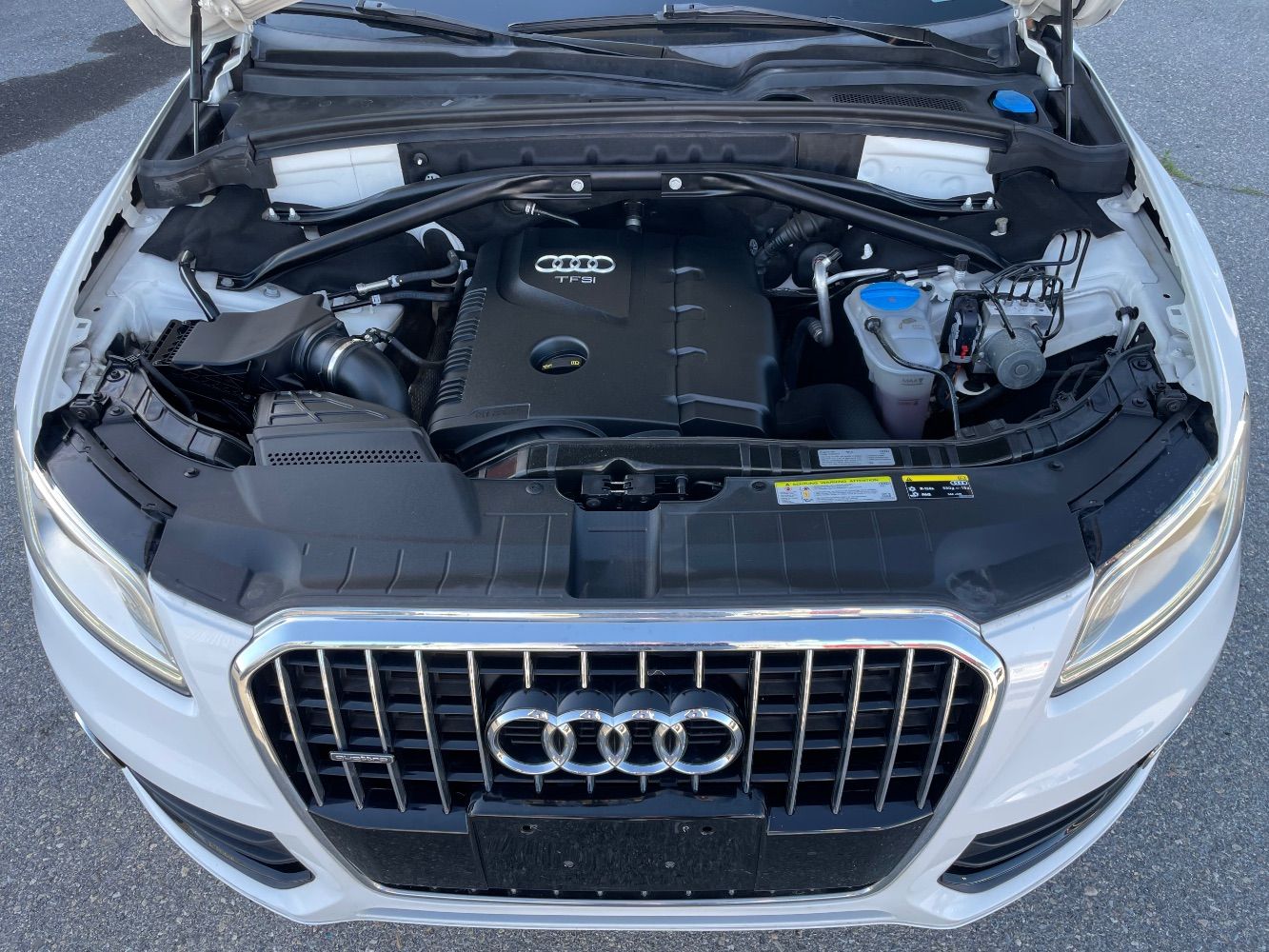
The 2.0-liter turbocharged four-cylinder engine (TFSI) is the most common powerplant found in the 2016 Audi Q5. While significantly improved over its predecessors, it is not without faults.
Excessive Oil Consumption
While Audi redesigned the piston rings for the 2014 model year to mitigate high oil consumption, reports of the 2016 2.0T burning oil still surface, particularly as the vehicles cross the 100,000-mile threshold. This issue often stems from the Positive Crankcase Ventilation (PCV) valve or "oil separator." When the PCV diaphragm fails, it creates an improper vacuum, pulling oil vapor into the combustion chamber. If left unaddressed, this can lead to fouled spark plugs, clogged catalytic converters, and heavy carbon deposits on the intake valves.
Timing Chain Stretch
By 2016, Audi was using a revised timing chain tensioner that is much less prone to sudden failure than the version used in 2009–2012. However, the timing chain itself is subject to "stretch" or elongation over time. In 2026, many 2016 Q5s have reached the mileage where the chain may exceed its service limit. If the chain stretches too far, it can skip a tooth on the cam gears, leading to "interference" damage where the pistons strike the valves, resulting in a total engine rebuild cost often exceeding $7,000.
Owners should use a diagnostic tool like VCDS or OBDeleven to check the "camshaft adaptation intake bank 1" value. A reading exceeding +/- 5 degrees is a strong indicator that the timing chain requires replacement.
The 3.0T Supercharged V6: Cooling System and Carbon Buildup
The 3.0T V6, found in the Q5 3.0T and the performance-oriented SQ5, is widely praised for its power and longevity. However, it has specific "hot spots" that require attention as the vehicle ages.
Thermostat and Water Pump Failures
The most frequent issue with the 3.0T engine involves the cooling system. The water pump and thermostat are housed in a way that makes them prone to leaking or seizing. Because the thermostat is located under the supercharger, replacement is labor-intensive. Owners often report "low coolant" warnings or engine overheating. In 2026, it is standard practice to replace the water pump, thermostat, and the plastic "crossover" coolant pipes simultaneously whenever the supercharger is removed for any reason.
PCV Valve and Oil Leaks
Similar to the 2.0T, the 3.0T has a PCV valve located deep in the engine "valley" beneath the supercharger. When it fails, it can cause oil consumption and a whistling sound. Additionally, the valve cover gaskets and the oil filter housing gaskets are known to develop leaks, which can drip oil onto hot exhaust components, creating a distinct burning smell in the cabin.
Carbon Buildup on Intake Valves
Because both the 2.0T and 3.0T engines use Direct Injection (FSI), fuel does not wash over the intake valves to clean them. Over time, oil vapors from the PCV system bake onto the valves, forming hard carbon deposits. This restricts airflow, leading to cold-start stumbles, decreased fuel economy, and "random misfire" CEL (Check Engine Light) codes. "Walnut blasting" is the industry-standard solution to physically remove this buildup.
Electrical Systems and the Panoramic Sunroof
The luxury features of the 2016 Audi Q5 provide a premium experience, but they are also common sources of frustration as the vehicle ages.
Panoramic Sunroof Noises and Leaks
The large glass panoramic sunroof is a hallmark of the Q5, but it is notorious for two issues: "creaking" and "leaking." The creaking is often caused by the frame expanding and contracting, which requires specialized Audi lubricant to resolve. More seriously, the sunroof drains located in the A-pillars and C-pillars can become clogged with debris. When water cannot drain, it overflows into the cabin, often pooling in the spare tire well where the battery and several critical electronic control modules are located. Regular cleaning of these drains is a mandatory maintenance task for Q5 owners.
MMI Infotainment and Backup Camera Glitches
The Multi Media Interface (MMI) system in the 2016 Q5 is generally robust, but owners sometimes report the screen staying black upon startup or the backup camera failing to engage. Often, these are software glitches that can be resolved with a "three-finger reset" of the MMI system. However, hardware failures of the MMI control unit (located in the dashboard) can be expensive to replace with OEM parts.
Critical Recalls for the 2016 Model Year
Several recalls have been issued by the National Highway Traffic Safety Administration (NHTSA) that owners of a 2016 Q5 must verify have been completed.
- Fuel Pump Flange (Recall 21V301000): The fuel pump flange can crack due to environmental factors (like road salt) or aging, leading to a fuel leak. This poses a significant fire risk. Audi dealers replace the flange and install a protective film or replace the entire pump if damage is found.
- Takata Airbags: Like many vehicles of this era, some Q5 units were affected by the Takata airbag inflator recall. These inflators can rupture during deployment, sending metal shrapnel into the cabin.
- Electric Auxiliary Heater (Recall 17V642000): In some models, the electrical connector for the auxiliary heater can overheat, potentially causing a fire. This is a critical safety item to verify via the vehicle’s VIN.
Comparison of 2016 Audi Q5 Powertrains
The following table compares the primary engines available for the 2016 model year in terms of common issues and maintenance expectations as of 2026.
| Feature | 2.0T TFSI (4-Cyl) | 3.0T (Supercharged V6) | 3.0 TDI (Diesel) |
|---|---|---|---|
| Primary Issue | Timing Chain / Oil Use | Cooling System Leaks | Emissions Sensors / AdBlue |
| Maintenance Cost | Moderate | High (Labor Intensive) | High (Specialized) |
| Real-World MPG | 22–26 MPG | 18–23 MPG | 28–32 MPG |
| Best For | City Commuting | Performance / Towing | Long-Distance Highway |
| Major Component Risk | Turbocharger / PCV | Water Pump / Carbon | DPF / Fuel Injectors |
Transmission and Drivetrain Reliability
The 2016 Q5 utilizes the ZF 8-speed automatic transmission (8HP), which is widely considered one of the best automatic transmissions in the world. It is known for smooth shifts and excellent durability.
However, Audi officially claims the transmission fluid is "lifetime," a claim that most mechanics and ZF themselves dispute. For longevity, the fluid and filter should be changed every 60,000 to 80,000 miles. In 2026, many Q5s are reaching 120,000+ miles on the original fluid, which can lead to "harsh" downshifts or slipping.
The Quattro All-Wheel Drive system is mechanically biased (Torsen-based) and extremely reliable. The most common "failure" isn't a failure of the gears themselves, but rather the failure to change the fluid in the front, center, and rear differentials, which can lead to a "mooing" or vibrating sound during tight low-speed turns (known as "Quattro rumble").
Frequently Asked Questions
Does the 2016 Audi Q5 have the same oil consumption issues as the 2012 model?
No, the 2016 model is significantly better. Audi introduced updated piston rings and land designs starting in late 2013 and early 2014. While some 2016 models still consume oil, it is usually due to a failing PCV valve or high mileage rather than the inherent design flaw found in the 2009–2012 "CAEB" engine code versions.
How do I know if my timing chain is going bad?
Common symptoms include a rattling sound from the engine bay upon a cold start that lasts for 1–3 seconds, a Check Engine Light with code P0016 (Crankshaft/Camshaft Position Correlation), or poor engine performance. In 2026, any 2016 Q5 with over 100,000 miles should have its timing chain "phase position" checked via a diagnostic scanner.
Is the 2016 Audi Q5 expensive to maintain in 2026?
Compared to a non-luxury brand, yes. While the 2016 Q5 is reliable, parts are more expensive, and European-specialized labor rates are typically higher. You should budget approximately $1,200 to $1,800 annually for routine maintenance and "preventative" repairs to avoid larger failures.
Are there any suspension problems I should look for?
The Q5 uses a complex multi-link front suspension. The rubber bushings in the upper and lower control arms tend to crack and tear by 80,000 miles. If you hear a "clunking" sound over bumps or feel a "shudder" when braking at high speeds, the control arm bushings likely need replacement.
Should I buy a 2016 Audi Q5 with high mileage?
A 2016 Q5 with 120,000 miles can be a good purchase if there is documented proof that the timing chain (for 2.0T) or the water pump/thermostat (for 3.0T) has been replaced. Without service records, you should negotiate the price down to account for these "mandatory" high-mileage services.
Practical Recommendation for Owners and Buyers
If you currently own or are looking to buy a 2016 Audi Q5 in 2026, the key to longevity is preventative maintenance rather than reactive repair.
For the 2.0T engine, prioritize the PCV valve replacement every 60,000 miles and monitor the timing chain stretch digitally. For the 3.0T engine, be prepared for a "supercharger-off" service to address the thermostat, water pump, and carbon cleaning simultaneously, which will save you thousands in repeated labor costs. Always ensure the sunroof drains are clear to prevent catastrophic electrical damage. By addressing these specific 2016-year problems early, this vehicle can easily remain a comfortable and capable luxury crossover well into its second decade.