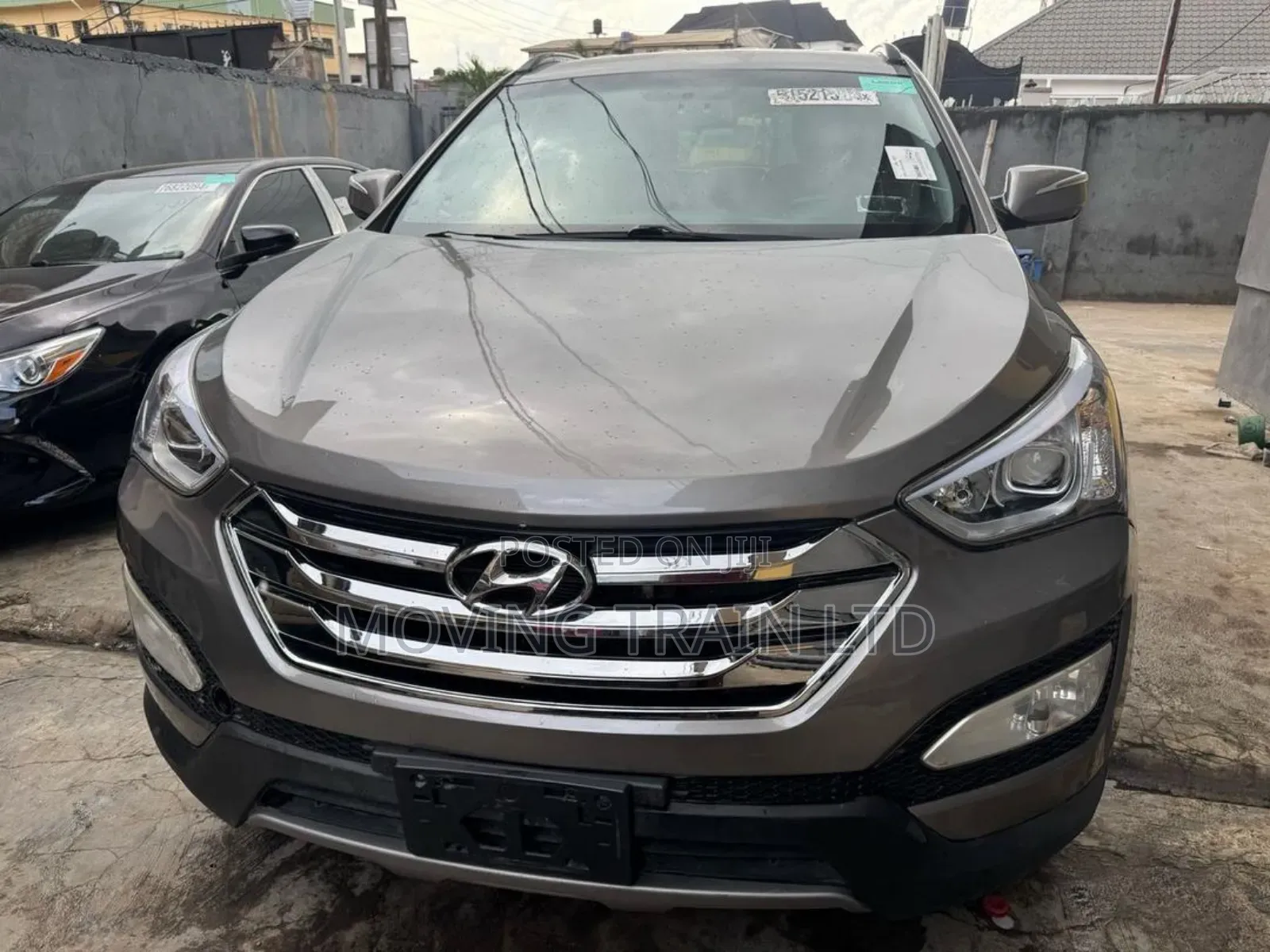
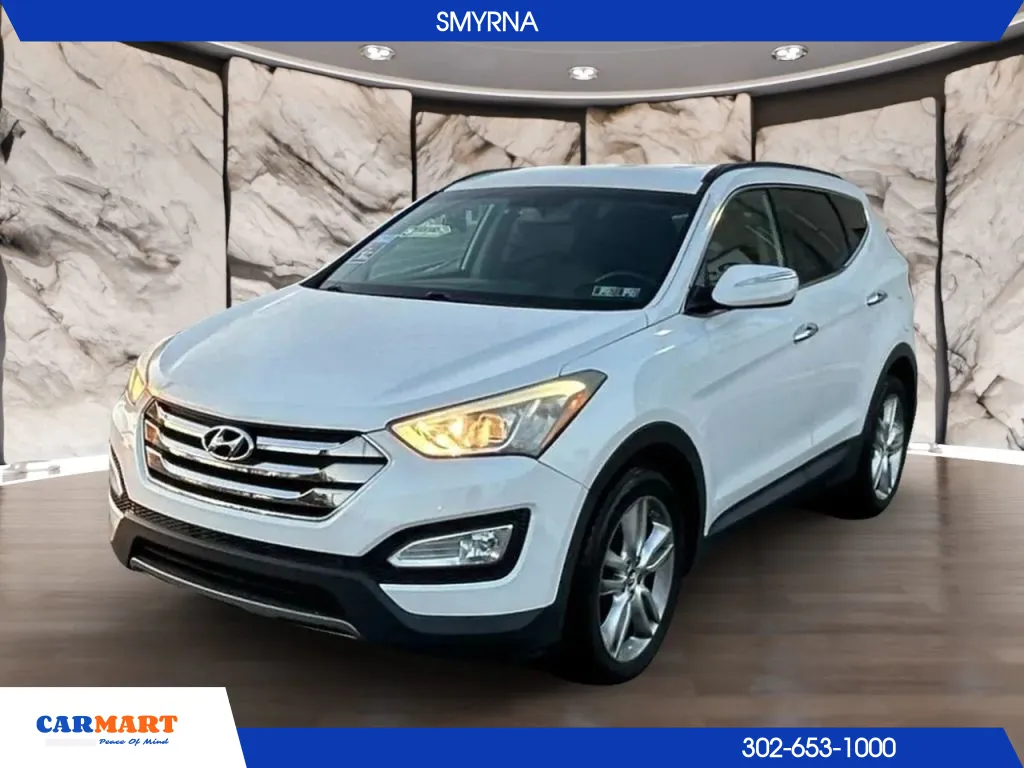
The 2013 Hyundai Santa Fe 2.0T is the performance-oriented variant of the third-generation "Sport" model, featuring a 264-horsepower turbocharged engine. While offering strong acceleration and premium features for its era, its legacy is defined by significant engine reliability recalls, making a verified service history essential for buyers in 2026.
The Evolution of the Third-Generation Santa Fe Sport
The 2013 model year marked a radical departure for the Santa Fe nameplate. Hyundai introduced the third generation with a split-identity strategy: the "Santa Fe Sport," a five-passenger crossover with a shorter wheelbase, and the "Santa Fe," a long-wheelbase three-row SUV. The 2.0T designation applies exclusively to the Sport trim, positioning it as the premium, more powerful alternative to the naturally aspirated 2.4-liter base engine.
For the 2013 release, Hyundai utilized its "Fluidic Sculpture" design language, which replaced the previous generation's boxy, utilitarian aesthetic with sharp creases, a bold hexagonal grille, and a more aggressive stance. By 2026, this design has aged remarkably well compared to its contemporaries, maintaining a modern silhouette that doesn't immediately betray its decade-plus age. However, the true story of the 2.0T lies beneath the sheet metal, where Hyundai attempted to balance downsizing with high-output performance.
The Heart of the Sport: 2.0L Turbocharged Engine Specs
The centerpiece of the 2013 Santa Fe 2.0T is the Theta II 2.0-liter turbocharged Gasoline Direct Injection (GDI) four-cylinder engine. In an era when many competitors were still clinging to thirsty V6 engines for their premium trims, Hyundai opted for a "forced induction" approach to maximize both power and potential efficiency.
Power and Torque Delivery
The 2.0T engine produces 264 horsepower at 6,000 rpm and 269 lb-ft of torque, which peaks remarkably early at just 1,750 rpm and holds steady through 3,000 rpm. This low-end torque is facilitated by a twin-scroll turbocharger, designed to reduce lag and provide immediate throttle response. In 2026 driving conditions, this means the Santa Fe 2.0T still feels punchy in city traffic and capable during highway merging, often outperforming newer naturally aspirated base-model crossovers.
The 6-Speed Shiftronic Transmission
Paired with this engine is a six-speed automatic transmission with Shiftronic manual control. While modern 2026 vehicles often utilize 8-speed or 10-speed units (or CVTs), the 2013’s six-speed is generally regarded for its smooth shifting, though it lacks the hyper-efficiency of newer gearboxes. It was tuned specifically to handle the higher torque load of the 2.0T compared to the 2.4L variant.
Fuel Economy and Real-World Efficiency
When it was launched, Hyundai promised V6 power with four-cylinder fuel economy. According to FuelEconomy.gov, the 2013 Santa Fe Sport 2.0T achieved an EPA-estimated 20 mpg city / 27 mpg highway for the Front-Wheel Drive (FWD) model, and 19 mpg city / 24 mpg highway for the All-Wheel Drive (AWD) version.
By 2026 standards, these numbers are modest. Many modern SUVs in this class now exceed 30 mpg on the highway. Furthermore, as these engines age, factors like carbon buildup on the GDI intake valves and wear on the turbocharger can lead to a slight decline in real-world efficiency. Owners should expect a combined average of approximately 21–22 mpg in mixed driving conditions, assuming the vehicle is well-maintained.
Interior Quality and Cargo Versatility
The 2013 Santa Fe 2.0T was positioned as the high-end trim, meaning most units found on the used market in 2026 come equipped with a high level of interior refinement. Hyundai utilized soft-touch materials on the dashboard and door panels, moving away from the hard plastics that defined their earlier efforts.
Technology and Amenities
The 2.0T trim often included:
- Blue Link Infotainment: Hyundai’s proprietary telematics system.
- Optional 8-inch Touchscreen: Including navigation and a rearview camera.
- Panoramic Sunroof: A massive glass roof that extends over the rear seats.
- Dual-Zone Climate Control: Allowing separate settings for driver and passenger.
It is important to note that the 2013 model does not natively support Apple CarPlay or Android Auto, as these technologies were not yet standard. Many owners in the current 2026 market have opted to install aftermarket head units to bring the cabin tech up to modern standards.
Cargo and Practicality
The Santa Fe Sport offers 35.4 cubic feet of cargo space behind the second row. When the 40/20/40 split-folding rear seats are stowed, this expands to 71.5 cubic feet. The rear seats also feature a sliding and reclining function, which was a standout feature for the class in 2013, providing significant flexibility for passenger legroom versus luggage space.
The Critical Reliability Concerns: Theta II Engine and Recalls
Any comprehensive overview of the 2013 Santa Fe 2.0T must address the Theta II engine recall controversy. This is the most significant factor for anyone considering this vehicle in 2026.
The Bearing Wear Issue
The 2.0L and 2.4L Theta II GDI engines were subject to massive recalls (notably NHTSA Campaign Number 17V226000). The primary issue involved metallic debris left in the engine crankshaft oil passages during manufacturing. This debris could restrict oil flow to the connecting rod bearings, causing them to wear prematurely and potentially leading to engine seizure or, in rare cases, engine fires.
The Knock Sensor Detection System (KSDS)
To mitigate this risk, Hyundai released a software update known as the Knock Sensor Detection System (KSDS). This system monitors vibrations that indicate the onset of rod bearing failure. If the system detects these specific vibrations, it puts the car into "Limp Home Mode" (restricting speed and RPM) to prevent catastrophic engine failure and alerts the driver via the Check Engine Light.
2026 Buyer Advice: If you are purchasing this vehicle today, verify that the KSDS update was performed. Hyundai offered a lifetime warranty extension on the short block assembly for original and subsequent owners, but this coverage is often contingent on having the KSDS update installed prior to an engine failure. You can check the recall status of a specific vehicle by entering the VIN at the NHTSA website.
AWD vs. FWD Drivetrain Performance
The 2013 Santa Fe 2.0T was available with an optional Intelligent All-Wheel Drive system developed in partnership with Magna Powertrain.
- FWD Performance: The Front-Wheel Drive model is lighter and slightly more fuel-efficient. However, with 264 horsepower and 269 lb-ft of torque, the FWD Santa Fe 2.0T can suffer from noticeable torque steer—a sensation where the steering wheel pulls to one side during hard acceleration.
- AWD Performance: The AWD system features "Active Cornering Control." This system can brake the inside rear wheel and send more torque to the outside rear wheel during a turn, reducing understeer and improving stability. In 2026, the AWD version remains the preferred choice for those in northern climates, though it adds complexity and potential maintenance points (such as the transfer case and rear differential service).
Detailed Specifications Comparison
The following table compares the 2013 Santa Fe 2.0T Sport with its primary 2013 competitors to provide context on its market positioning.
| Feature | 2013 Hyundai Santa Fe 2.0T | 2013 Ford Edge EcoBoost | 2013 Toyota RAV4 (2.5L) |
|---|---|---|---|
| Engine | 2.0L Turbo 4-Cyl | 2.0L Turbo 4-Cyl | 2.5L Naturally Aspirated |
| Horsepower | 264 hp | 240 hp | 176 hp |
| Torque | 269 lb-ft | 270 lb-ft | 172 lb-ft |
| Max Towing | 3,500 lbs (with trailer brakes) | 2,000 lbs | 1,500 lbs |
| Cargo Vol (Max) | 71.5 cu. ft. | 68.9 cu. ft. | 73.4 cu. ft. |
| Standard Tech | Blue Link / Bluetooth | MyFord Touch (Optional) | Entune (Optional) |
Safety Ratings and Equipment
Safety was a high priority for the 2013 redesign. The Santa Fe Sport 2.0T came standard with seven airbags, including a driver’s knee airbag. It also featured electronic stability control, traction control, and Hill-start Assist Control (HAC) with Downhill Brake Control (DBC).
The Insurance Institute for Highway Safety (IIHS) named the 2013 Santa Fe Sport a "Top Safety Pick." It received "Good" ratings (the highest possible) in moderate overlap front, side, roof strength, and head restraint tests. However, it is worth noting that it was produced before the IIHS implemented the more rigorous "small overlap front" test as a standard requirement for Top Safety Pick+, a test where many vehicles of this era struggled.
Maintenance and Longevity in 2026
As the 2013 Santa Fe 2.0T enters its 13th year of service in 2026, prospective owners should be prepared for specific maintenance requirements associated with aging turbocharged GDI engines.
Carbon Buildup
Because GDI engines spray fuel directly into the combustion chamber rather than over the intake valves, the valves are not "washed" by gasoline. Over time, carbon deposits can accumulate on the valves, leading to rough idling, reduced power, and decreased fuel economy. A professional intake valve cleaning (often using crushed walnut shells or chemical solvents) is a recommended service for these vehicles every 60,000 to 80,000 miles.
Turbocharger Care
The turbocharger in the 2.0T is cooled by both oil and coolant. Ensuring that oil changes have been performed religiously with high-quality synthetic oil is vital. A failing turbo often manifests as a high-pitched whining noise (the "death whistle"), visible smoke from the exhaust, or a significant loss of boost pressure.
Suspension and Steering
The 2013 model featured "Driver Selectable Steering Mode" (DSSM), which allows the driver to toggle between Comfort, Normal, and Sport modes. While the electronics are generally reliable, the physical steering coupler (a small rubber part in the steering column) is a known wear item that can cause a "clicking" or "clunking" sound when turning the wheel. Replacing this coupler is a relatively inexpensive but common repair for this generation.
Frequently Asked Questions (FAQ)
1. Does the 2013 Hyundai Santa Fe 2.0T require premium gasoline?
No, the 2013 Santa Fe 2.0T was designed to run on regular unleaded gasoline (87 octane). While some turbocharged engines require premium fuel to achieve their rated horsepower, Hyundai’s engineers tuned the Theta II engine to produce its 264 hp on standard fuel. Using premium will not harm the engine but typically does not provide a noticeable increase in performance or economy.
2. How can I tell if the engine in a used 2013 Santa Fe 2.0T is about to fail?
Listen for a persistent metallic "knocking" or "clapping" sound that increases in speed with the engine’s RPM. This is often the first sign of connecting rod bearing wear. Additionally, check for the "Limp Home Mode" (restricted power) or the flashing Check Engine Light associated with the KSDS update. Excessive oil consumption is also a common precursor to more serious engine issues.
3. What is the difference between the 2.4L and the 2.0T models?
The 2.4L engine is a naturally aspirated four-cylinder producing 190 hp, focused on budget and basic commuting. The 2.0T uses a turbocharger to produce 264 hp, offering a driving experience much closer to a V6. The 2.0T also typically comes with more standard features, such as larger 18-inch or 19-inch wheels and upgraded interior trim.
4. Is the 2013 Santa Fe 2.0T good for towing?
When properly equipped with trailer brakes, the 2013 Santa Fe Sport 2.0T has a maximum towing capacity of 3,500 pounds. This is sufficient for small utility trailers, teardrop campers, or a pair of jet skis. However, without trailer brakes, the capacity is significantly lower. Always verify the hitch rating and the vehicle’s specific payload capacity before towing.
5. Has the 2013 Santa Fe 2.0T been affected by the "Kia Boys" theft trend?
The "Kia Boys" theft issue primarily affected vehicles with traditional turn-key ignitions that lacked engine immobilizers. Many 2.0T models (the higher-trim Sport) came equipped with Push-Button Start, which includes a factory immobilizer and is not susceptible to the specific USB-cable theft method. However, if the vehicle has a physical key ignition, owners should ensure they have received the Hyundai anti-theft software update or use a steering wheel lock.
Final Recommendation for Used Car Buyers
In 2026, the 2013 Hyundai Santa Fe 2.0T remains an attractive used vehicle due to its styling, strong feature set, and powerful engine. It offers a level of luxury and performance that often exceeds its current market price. However, the purchase of this vehicle is fundamentally a gamble on its engine history.
To minimize risk, buyers should:
- Demand Service Records: Prioritize vehicles with a documented history of synthetic oil changes every 5,000 miles.
- Verify Recall Completion: Ensure the KSDS software update (Campaign 953 or equivalent) is on the vehicle's record to preserve the lifetime engine warranty.
- Perform a Pre-Purchase Inspection (PPI): Have a mechanic specifically check for turbocharger play and carbon buildup on the intake valves.
If these criteria are met, the 2013 Santa Fe 2.0T can be a versatile and spirited daily driver. If the maintenance history is murky or the engine shows signs of neglect, it is best to look elsewhere, as the cost of a non-warrantied engine replacement could easily exceed the vehicle's total value.