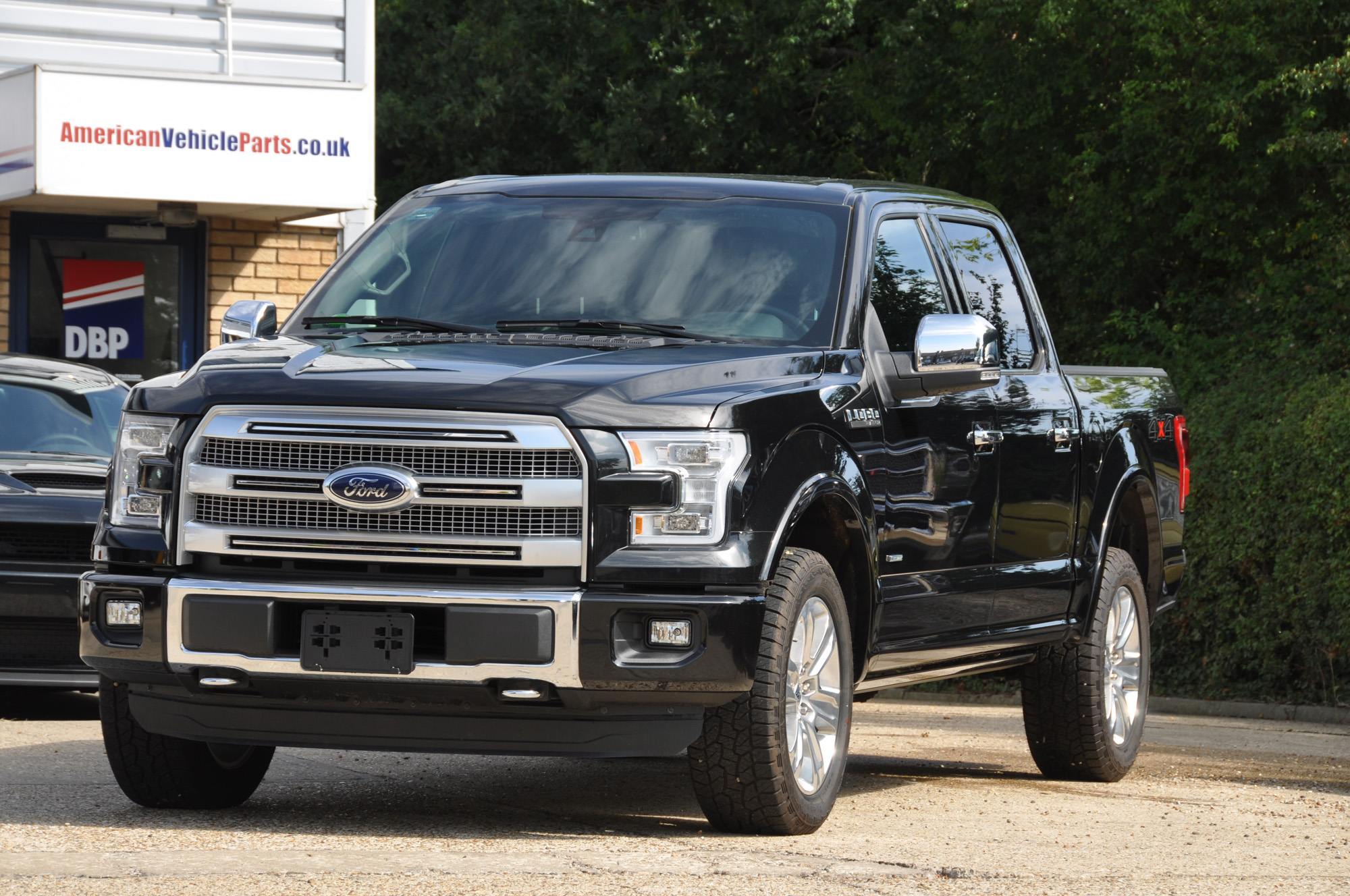
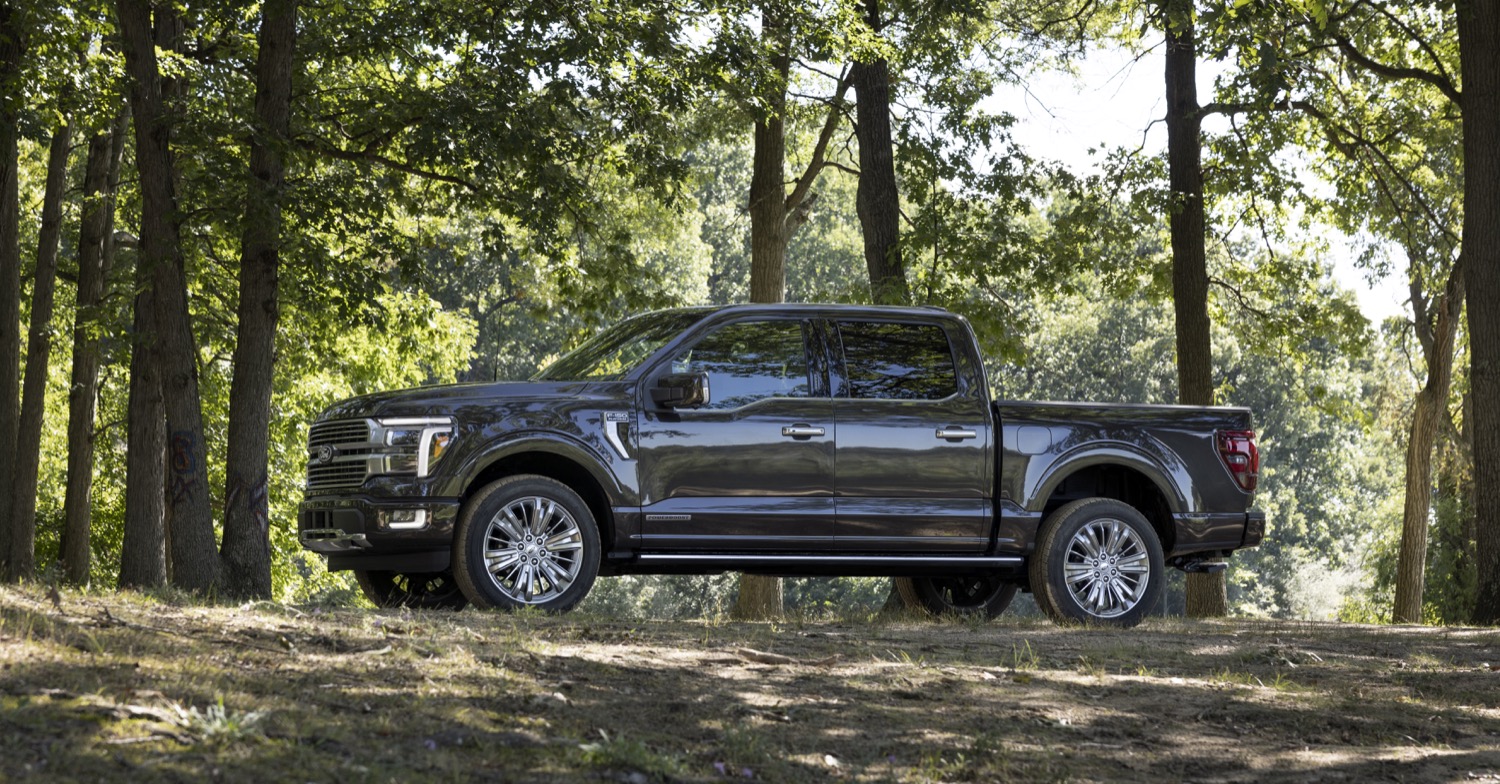
The 2010 Ford F-150 Platinum was offered with two distinct powerhouse options depending on configuration: a 5.4-liter Triton V8 and a 4.6-liter modular V8. The 5.4L V8 served as the standard and most common powerplant for this luxury-trimmed truck, delivering 310 horsepower and 365 lb-ft of torque, while providing substantial towing capacity and the robust low-end grunt expected from a half-ton flagship vehicle of that era.
Introduction to the 2010 Ford F-150 Platinum Powertrain Lineup
When Ford introduced the Platinum trim level to the F-150 lineup, it redefined what consumers could expect from a half-ton pickup truck by combining high-end luxury, advanced technology, and rugged utility. At the heart of this top-tier trim lies a powertrain engineered to handle both heavy-duty workloads and refined daily driving. Understanding the 2010 Ford F-150 Platinum engine requires diving deep into the mechanical architecture, output metrics, common maintenance hurdles, and long-term ownership considerations associated with these specific powerplants.
In 2010, the truck market was transitioning toward greater efficiency without sacrificing capability. Ford equipped the F-150 Platinum with engine choices designed to bridge the gap between heavy-duty performance and modern refinement. While the exterior showcased unique satin-finish chrome grille accents, power-deployable running boards, and 20-inch polished aluminum wheels, the engine bay housed tried-and-true modular V8 architecture. This comprehensive review examines the technical specifications, performance envelopes, inherent strengths, and historical trouble spots of the engines that power the 2010 Ford F-150 Platinum.
Primary Engine Options: 5.4L Triton V8 and 4.6L V8
The 2010 Ford F-150 Platinum came standard with a heavy-hitting 5.4-liter Triton 3-valve V8 engine. For some configurations and fleet requirements, a 4.6-liter 3-valve V8 was also part of the broader F-150 architecture, though the Platinum trim predominantly showcased the larger displacement engine due to its upscale positioning and heavier standard equipment load.
The 5.4L 3V Triton V8 Specifications
The 5.4L Triton V8 is an iron-block, aluminum-head engine featuring a single overhead camshaft (SOHC) per bank with three valves per cylinder—two intake and one exhaust. This design utilizes Variable Cam Timing (VCT) to optimize valve timing across various RPM ranges, enhancing both low-end torque production and high-speed breathing.
- Displacement: 5.4 Liters (330 cubic inches)
- Horsepower: 310 hp at 5,000 RPM
- Torque: 365 lb-ft at 3,500 RPM
- Valvetrain: SOHC, 3 valves per cylinder with VCT
- Fuel System: Sequential electronic fuel injection
- Compression Ratio: 9.8:1
This engine was mated exclusively to a 6-speed automatic transmission (the 6R80), which marked a significant improvement over older 4-speed automatics by providing closer gear ratios for smoother shifting, improved highway fuel economy, and better power delivery under load.
The 4.6L 3V Modular V8 Alternative
While less common in the ultra-luxury Platinum trim, the 4.6-liter 3-valve V8 shared similar modular engine architecture. It produced 292 horsepower and 320 lb-ft of torque. It offered slightly better fuel economy at the expense of maximum towing capacity, making it a viable alternative for buyers prioritizing fuel management over heavy hauling.
Performance, Towing, and Real-World Capability
The performance of the 2010 Ford F-150 Platinum engine is defined by its ability to deliver peak torque relatively low in the rev range. Producing 365 lb-ft of torque at 3,500 RPM, the 5.4L Triton V8 allows the truck to pull away from a stop cleanly, even when towing heavy trailers or carrying a bed full of cargo.
Payload and Towing Metrics
When properly equipped with the 5.4L engine and the appropriate axle ratio (typically a 3.55 or 3.73 limited-slip differential), the 2010 F-150 Platinum boasts a maximum towing capacity of up to 11,300 pounds. Payload capacity generally hovers around 1,500 to 1,600 pounds, accounting for the added weight of the Platinum trim's luxury interior features, sunroof, and leather-trimmed power seating.
Driving Dynamics and Transmission Integration
The pairing of the 5.4L V8 with the 6R80 6-speed automatic transmission significantly elevates the driving experience compared to older generations. The first gear features a deep reduction ratio for effortless initial launch, while double overdrive gears (5th and 6th) keep engine RPMs low during sustained highway cruising. Tow/Haul mode alters shift schedules to reduce gear hunting and utilizes engine braking on downhills, protecting the brakes and maintaining control under heavy loads.
| Engine Type | Displacement | Horsepower | Torque | Transmission | Max Towing Capacity |
|---|---|---|---|---|---|
| 5.4L Triton V8 | 5.4L (330 cu in) | 310 hp @ 5,000 RPM | 365 lb-ft @ 3,500 RPM | 6-Speed Automatic (6R80) | Up to 11,300 lbs |
| 4.6L Modular V8 | 4.6L (281 cu in) | 292 hp @ 5,750 RPM | 320 lb-ft @ 4,000 RPM | 6-Speed Automatic (6R80) | Up to 9,600 lbs |
Mechanical Reliability and Known Common Issues
While the 2010 model year represented the final year of the 5.4L Triton 3-valve engine—meaning Ford engineers had resolved many of the teething issues present in early 2004–2008 models—prospective buyers and current owners must still be aware of specific historical mechanical quirks.
Cam Phaser Noise and Timing Chain Wear
The 3-valve Triton engine family is well known for potential issues related to the Variable Cam Timing (VCT) phasers and timing chain tensioners. Low oil pressure, delayed oil changes, or worn plastic chain guides can cause a characteristic diesel-like ticking or knocking noise from the front of the engine, particularly when warm at idle. By 2010, updated components improved durability, but neglected maintenance can still lead to premature wear of the timing components, requiring a complete timing job with updated phasers, guides, and heavy-duty tensioners.
Spark Plug Design and Extraction
Early iterations of the 3-valve Triton engine featured a two-piece spark plug design that frequently broke off inside the cylinder head during removal. Fortunately, Ford redesigned the cylinder heads and spark plugs starting in late 2007 for the 2008 model year onward. The 2010 Ford F-150 Platinum features a one-piece spark plug design, eliminating the infamous high-risk breakage issue during routine tune-ups.
Exhaust Manifold Warpage
Another documented characteristic of the modular V8 family is the tendency for exhaust manifold studs to snap due to thermal expansion and contraction cycles. This results in an exhaust leak that sounds like a persistent ticking noise upon cold startup, which typically quiets down as the metal expands once the engine reaches operating temperature. Replacing the warped manifolds, gaskets, and snapped studs resolves the issue permanently, often utilizing aftermarket stainless steel headers for enhanced longevity.
Maintenance Best Practices for Longevity
Maintaining a 2010 Ford F-150 Platinum engine requires strict adherence to preventative maintenance schedules, particularly concerning lubrication and cooling systems. Because the VCT system relies heavily on clean engine oil pressure to adjust valve timing precisely, improper oil maintenance is the root cause of most premature engine failures in this platform.
Oil Quality and Change Intervals
Owners should use high-quality synthetic 5W-20 motor oil and replace it alongside the oil filter every 5,000 miles. Sticking to extended oil change intervals (such as 10,000 miles) can lead to varnish buildup in the tiny oil passages that feed the VCT phasers and lash adjusters, causing oil starvation, rough idling, and diagnostic trouble codes related to camshaft over-retardation.
Cooling System Care
The aluminum-headed iron block requires clean coolant to prevent internal electrolysis and corrosion. Flushing the cooling system every 50,000 miles with Ford-approved coolant helps protect the water pump, thermostat, and radiator, ensuring optimal operating temperatures during heavy towing duties.
Comparison with Successors: EcoBoost and Coyote Eras
To fully understand the significance of the 2010 F-150 Platinum engine, it helps to place it in historical context against the powertrains that immediately followed it in subsequent model years.
The Shift to Coyote V8 and EcoBoost V6
For the 2011 model year, Ford completely overhauled the F-150 engine lineup, introducing the legendary 5.0L "Coyote" DOHC V8 and the twin-turbocharged 3.5L "EcoBoost" V6.
- The 5.0L Coyote V8 replaced the Triton, offering significantly higher horsepower (starting at 360 hp) through a modern 32-valve dual-overhead-cam design.
- The 3.5L EcoBoost V6 appealed to truck buyers seeking massive low-end torque (420 lb-ft) and improved fuel economy without stepping up to a heavy-duty platform.
Despite the superior power and efficiency of these newer engines, the 2010 5.4L Triton remains valued by traditional truck owners for its simple pushrod-like durability (despite being an overhead cam engine), lack of turbocharger complexity, and heavy iron-block construction that handles hard work without complaint.
Frequently Asked Questions
What engine comes standard in the 2010 Ford F-150 Platinum?
The 2010 Ford F-150 Platinum comes standard with a 5.4-liter 3-valve Triton V8 engine producing 310 horsepower and 365 lb-ft of torque, paired with a 6-speed automatic transmission.
Do 2010 5.4L Triton engines still have spark plug breaking issues?
No. While 2004–2007 models suffered from a two-piece spark plug design prone to breaking inside the cylinder head, Ford updated the cylinder heads and plugs for the 2008 through 2010 model years, utilizing a standard one-piece plug design.
What is the maximum towing capacity of a 2010 F-150 Platinum?
When properly equipped with the 5.4L V8 and the correct axle ratio, the maximum towing capacity reaches up to 11,300 pounds.
How often should the oil be changed on a 2010 F-150 5.4L V8?
It is recommended to change the oil every 5,000 miles using quality 5W-20 synthetic oil to protect the sensitive Variable Cam Timing (VCT) phasers and maintain proper oil pressure.
Is the 2010 Ford F-150 Platinum engine reliable?
Yes, the 2010 model year represents the most refined and reliable iteration of the 5.4L Triton 3V engine, as Ford corrected many of the durability flaws present in earlier production years. However, proper maintenance remains critical to prevent timing chain and phaser wear.
Conclusion and Final Ownership Recommendation
The 2010 Ford F-150 Platinum engine represents the culmination of an older generation of rugged, traditional truck powerplants before the widespread adoption of turbocharging and high-revving multi-valve architectures. While the 5.4L Triton V8 may not match the raw horsepower figures of modern truck engines, it provides ample capability, a smooth torque curve, and proven mechanical endurance when maintained correctly. Prospective buyers looking at a used 2010 Platinum should verify service records, listen closely to cold-start idle characteristics for timing noise, and prioritize examples that have received regular synthetic oil changes.