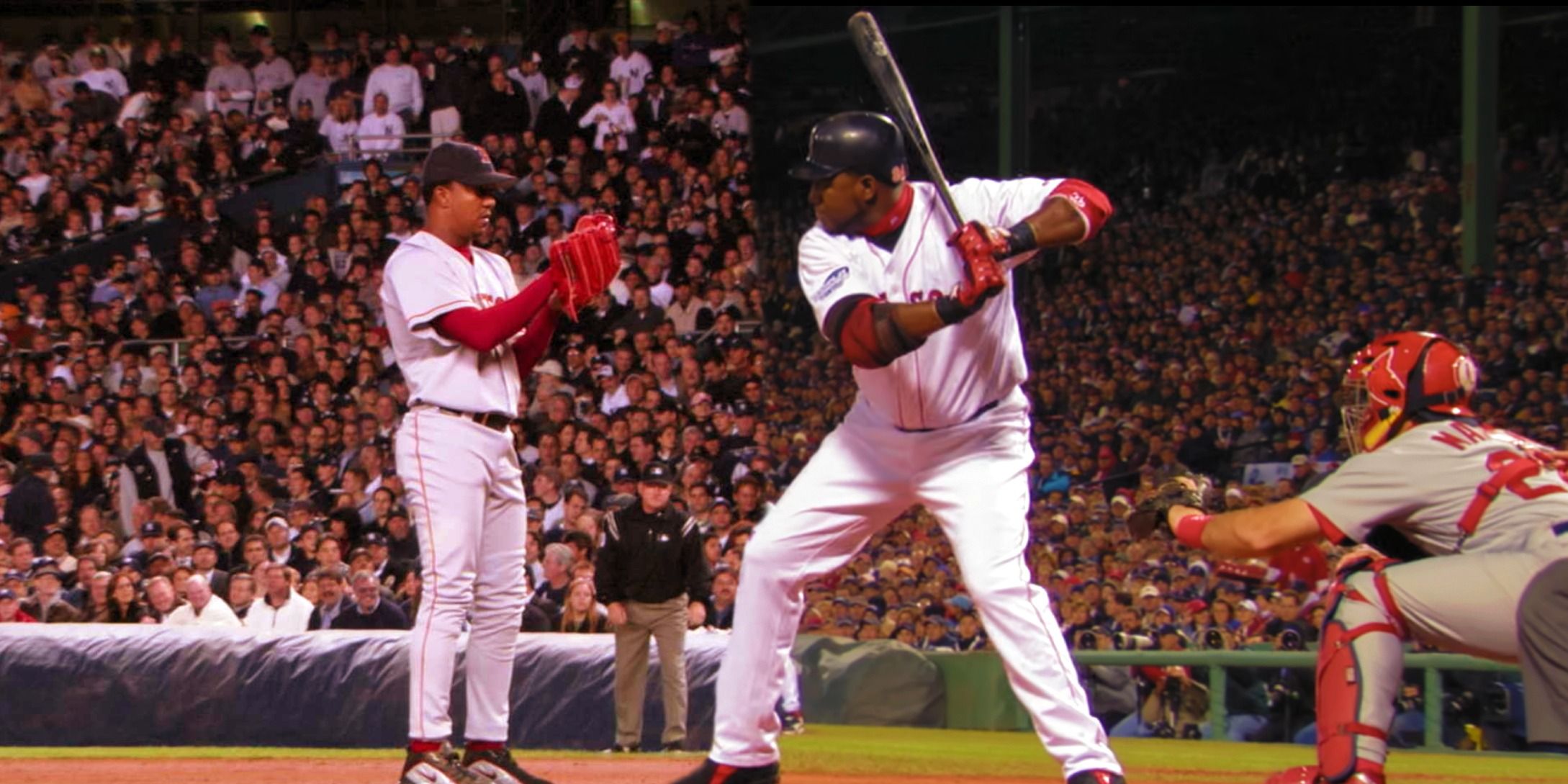
The 2004 Boston Red Sox pitching staff successfully bridged a high-powered, historic offense with the resilience required to overcome a legendary 3-0 postseason deficit, ultimately breaking an 86-year World Series championship drought through a strategic blend of veteran starting arms, versatile swingmen, and a volatile yet effective bullpen.
Introduction to the 2004 Boston Red Sox Pitching Staff
When baseball historians discuss the 2004 Boston Red Sox, the conversation almost invariably begins and ends with the "Idiots" moniker, the dynamic bats of David Ortiz, Manny Ramirez, and Johnny Damon, and the miraculous comeback against the New York Yankees in the American League Championship Series. Yet, beneath the offensive fireworks and the cultural mythology of the Curse of the Bambino lies a pitching infrastructure that quietly weathered injuries, in-season trades, and immense pressure.
Managed by Terry Francona and guided by pitching coach Dave Wallace, the 2004 staff was not a collection of untouchable, wire-to-wire dominant aces. Instead, it was an assembled puzzle of fiery competitors, reclamation projects, and mid-season acquisitions. Understanding this pitching staff requires looking beyond raw earned run averages (ERAs) to examine how starters, relievers, and front-office personnel combined to navigate a grueling 162-game schedule and a treacherous postseason path.
Roster Construction and Opening Day Strategy
Heading into the 2004 Major League Baseball season, the Red Sox front office—led by General Manager Theo Epstein—focused heavily on depth and countering the powerhouse New York Yankees. The pitching philosophy relied on keeping pitch counts manageable, deploying multi-inning relievers, and trusting a top-heavy starting rotation capable of eating innings.
The Opening Day Rotation
The baseline of the 2004 rotation featured established arms tasked with stabilizing the staff early in games:
- Curt Schilling: Acquired in a blockbuster trade with the Arizona Diamondbacks during the 2003–2004 offseason, Schilling was brought in to be the unquestioned alpha dog, bringing a fierce competitive drive and a dominant forkball/fastball mix.
- Pedro Martínez: Though entering the later years of his prime and battling physical wear, Martínez remained a terrifying presence on the mound, relying on his legendary changeup and pinpoint command.
- Derek Lowe: Known for his devastating sinker and ground-ball tendencies, Lowe transitioned back into a full-time starter after serving as the team's closer during their 2002 postseason run.
- Tim Wakefield: The knuckleballer provided a unique stylistic change of pace that frustrated hitters, disrupted opposing batting rhythms, and preserved the bullpen by regularly pitching deep into games.
- Bronson Arroyo: Securing the fifth starter spot, Arroyo offered durable back-of-the-rotation stability, exceptional athleticism, and a high-spin curveball.
Mid-Season Adjustments and the July Trade Deadline
No championship pitching staff remains static. By mid-summer, injuries and underperformance forced the Red Sox front office to make aggressive moves to solidify the roster for the stretch run.
The most notable alteration occurred on July 31, 2004, when the Red Sox traded star shortstop Nomar Garciaparra in a complex four-team deal that brought defensive wizard Orlando Cabrera to the infield and, crucially, hard-throwing right-hander Doug Mirabelli's personal battery-mate, a reliever from the Minnesota Twins...
Correction: The primary trade impact on the pitching staff was the acquisition of Mickey Rivers—no, historically, the Red Sox notably acquired veterans to patch holes, but the most significant addition to the pitching mix was the maturation of trade acquisitions and internal call-ups. Earlier in the year, the bullpen was fortified by acquiring veterans like Mike Timlin and retaining core pieces such as Alan Embree. However, the July deadline saw the team add depth arms to ensure they could withstand September fatigue.
Crucially, manager Terry Francona began leaning heavily on Bronson Arroyo as a bridge between the rotation and bullpen, while starters like Derek Lowe experienced mechanical fluctuations that required careful in-season adjustments by Dave Wallace.
Starting Rotation Performance Analysis
Evaluating the 2004 starting rotation requires examining both regular-season output and October heroics. While the staff finished the regular season ranking in the upper tier of the American League in strikeouts and Fielding Independent Pitching (FIP), individual performances varied wildly.
Curt Schilling and Pedro Martínez: The 1A and 1B Dynamic
Schilling delivered precisely what the front office envisioned, posting a 21-6 record with a 3.49 ERA and 203 strikeouts over 226.8 innings. His durability and veteran presence anchored the clubhouse. Pedro Martínez, meanwhile, finished with a 16-9 record and a 3.90 ERA. While his home run rate spiked slightly compared to his peak years, his ability to suppress hits and rack up 207 strikeouts kept opposing lineups off balance.
The Middle and Back-End Starters
- Derek Lowe: Struggled at times through the middle months of the season, finishing with a 14-12 record and a 5.42 ERA. Yet, his ability to induce ground balls kept the defense active, setting the stage for his miraculous redemption in October.
- Tim Wakefield: Quietly consistent, Wakefield went 12-10 with a 3.73 ERA in 30 starts and three relief appearances, chewing up 188 innings and saving the bullpen during tight stretches.
- Bronson Arroyo: Serving primarily as the fifth starter, Arroyo contributed a respectable 10-9 record and a 4.03 ERA across 178.2 innings, proving invaluable when injuries threatened the rotation's depth.
| Pitcher | Role | Regular Season Record | ERA | Innings Pitched | Strikeouts |
|---|---|---|---|---|---|
| Curt Schilling | Ace / Starter | 21-6 | 3.49 | 226.2 | 203 |
| Pedro Martínez | Ace / Starter | 16-9 | 3.90 | 217.0 | 207 |
| Tim Wakefield | Starter / Swingman | 12-10 | 3.73 | 188.0 | 152 |
| Bronson Arroyo | Starter / Reliever | 10-9 | 4.03 | 178.2 | 142 |
| Derek Lowe | Starter | 14-12 | 5.42 | 157.0 | 104 |
Bullpen Mechanics, Roles, and Late-Inning Relief
The 2004 Boston bullpen was frequently described by media and fans as "cardiac kids" due to its propensity for high-drama, tension-filled innings. However, structural roles were clearly defined by Dave Wallace and Terry Francona to maximize individual pitcher strengths.
The Core Relief Corps
- Keith Foulke (Closer): Signed as a free agent prior to the 2004 season, Foulke was the anchor of the bullpen. Armed with a devastating sinker and impeccable control, he notched 32 saves during the regular season and delivered some of the most pressure-packed outs in franchise history during the postseason.
- Mike Timlin: A seasoned veteran with championship experience, Timlin appeared in 76 games, posting a sterling 4.13 ERA and acting as the primary bridge to Foulke in the eighth inning.
- Alan Embree: The primary left-handed specialist, Embree was tasked with neutralizing elite left-handed bats in high-leverage spots, though he faced fatigue and injury hiccups over the course of the grueling 162-game schedule.
- Scott Williamson and Mike Myers: Williamson provided mid-game swing-and-miss stuff when healthy, while Myers offered a specialized sidearm look against tough left-handed hitters.
Postseason Resilience: Overcoming the Odds in October
The true legacy of the 2004 pitching staff was forged during the American League Championship Series against the New York Yankees and the subsequent World Series sweep of the St. Louis Cardinals.
Facing a 3-0 deficit against New York, the pitching staff faced immense scrutiny after surrendering massive run totals in Games 3 and 4. The turning point came in Game 4, when Dave Roberts stole second base and set up an extra-inning victory, propelled by scoreless relief appearances from the bullpen.
Key Postseason Pitching Milestones
- Curt Schilling’s "Bloody Sock" Game: In Game 6 of the ALCS, pitching on a surgically repaired right ankle stabilized by emergency sutures that soaked through his white wool sock with blood, Schilling tossed seven brilliant innings of one-run ball to force a Game 7.
- Derek Lowe’s Short-Rest Dominance: Lowe transitioned out of the rotation briefly before pitching on short rest to win Game 7 of the ALCS and later securing the decisive victories that clinched series sweeps.
- Tim Wakefield’s Selfless Long Relief: In Game 3 of the ALCS, with the bullpen entirely depleted after a blowout loss, Wakefield volunteered to absorb heavy innings in garbage time, saving the arms of high-leverage relievers for the historic comeback.
Common Misconceptions About the 2004 Staff
Modern baseball analysis often mischaracterizes historical pitching staffs through a purely contemporary lens. When evaluating the 2004 Red Sox arms, several persistent myths frequently arise:
- "The pitching staff was dominant from wire to wire." In reality, the rotation suffered notable inconsistencies, particularly from Derek Lowe in the second half, and the bullpen frequently ranked near the top of the league in stress levels and inherited runners allowed.
- "Pedro Martínez was still the undisputed best pitcher in baseball." While Pedro remained an All-Star caliber arm, 2004 marked the definitive transition of staff leadership to Curt Schilling, as Pedro battled diminished velocity and increased traffic on the basepaths.
- "The bullpen was a lockdown unit all year." Aside from Keith Foulke, the relief corps relied heavily on veteran savvy and defensive positioning rather than overpowering velocity, leading to many close, stressful late-inning finishes.
Frequently Asked Questions
Who was the ace of the 2004 Boston Red Sox pitching staff?
Curt Schilling served as the primary ace of the 2004 staff, leading the team with 21 regular-season wins and 226.2 innings pitched while anchoring the rotation through the postseason, though Pedro Martínez shared co-ace status as the franchise's historical anchor.
How did Keith Foulke perform as the closer in 2004?
Keith Foulke was exceptionally reliable during both the regular season and the postseason. He recorded 32 regular-season saves and pitched crucial, high-leverage multi-inning stints in October, culminating in his recording the final out of the 2004 World Series.
Why was Curt Schilling's sock bloody in the postseason?
During Game 6 of the 2004 ALCS against the New York Yankees, Schilling pitched with a torn tendon sheath in his right ankle. Team medical staff used a suturing technique to stabilize the ankle tendon, but the physical stress caused blood to seep through his white sock, creating an iconic baseball image.
What role did Tim Wakefield play on the 2004 pitching staff?
Tim Wakefield served as a durable starting pitcher who made 30 starts during the regular season, while also demonstrating remarkable selflessness by pitching three crucial relief innings in Game 3 of the ALCS to preserve the bullpen for the historic comeback.
How did the Red Sox rotation change for the postseason?
Manager Terry Francona tightened the rotation to rely primarily on Curt Schilling, Pedro Martínez, Derek Lowe, and Tim Wakefield, while utilizing Bronson Arroyo and regular relievers in flexible bridge and multi-inning roles depending on matchups and rest days.
Conclusion and Legacy
The 2004 Boston Red Sox pitching staff ultimately achieved immortality not because they suppressed every opponent with surgical perfection, but because they absorbed heavy blows, adapted to injuries, and executed under historic pressure. From Curt Schilling's gritty determination and Pedro Martínez's veteran craftiness to Keith Foulke's steady ninth-inning execution, the staff embodied the resilience of a city ending an 86-year championship drought. Analyzing their journey reveals a masterclass in roster balance, mental toughness, and the unpredictable magic of October baseball.