A 150 LTV auto loan is a specialized financing option that allows a borrower to finance up to 150% of a vehicle's actual market value, covering the purchase price, taxes, fees, and often negative equity from a previous trade-in. This type of loan carries heightened financial risk due to severe immediate depreciation and negative equity.
What is a 150 LTV Auto Loan?
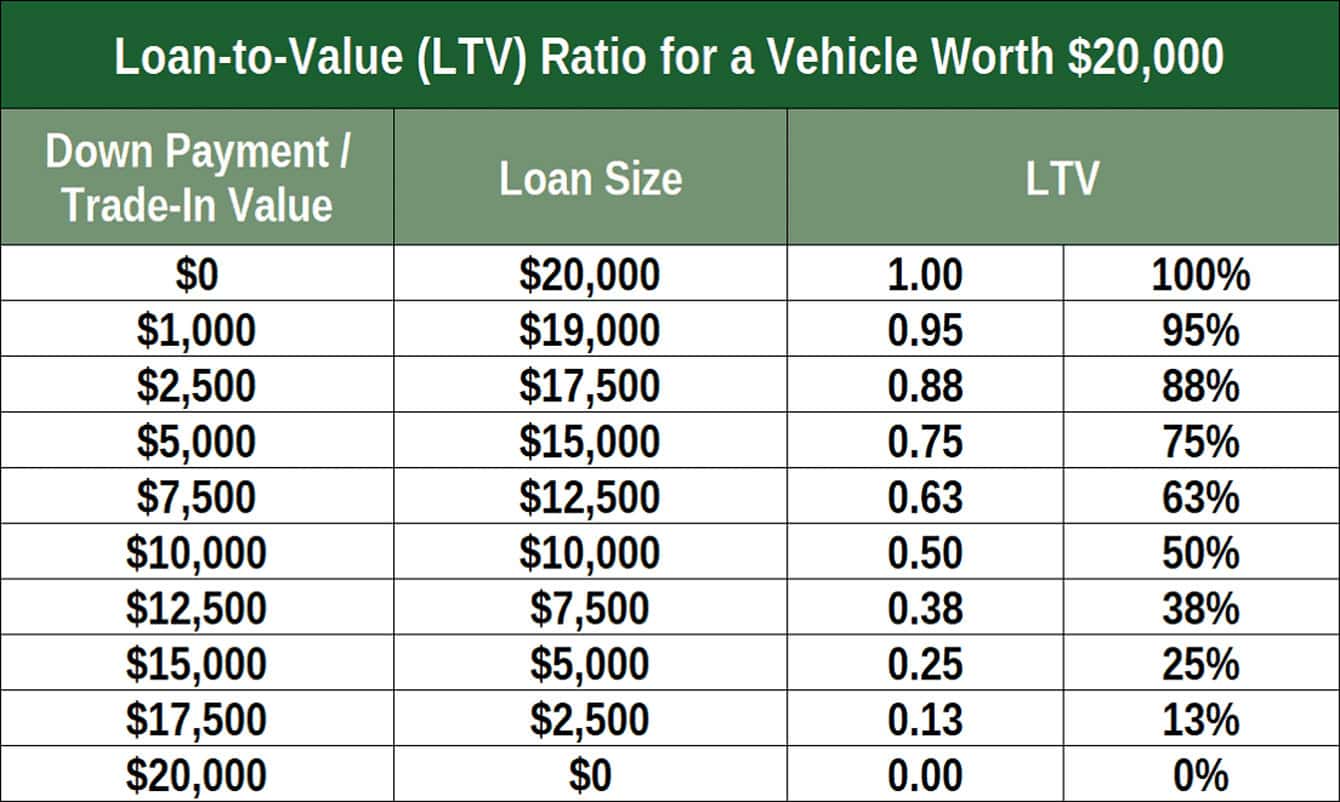
The auto financing industry relies heavily on Loan-to-Value (LTV) ratios to determine risk. LTV represents a mathematical comparison between the amount of money a lender provides for a vehicle purchase and the vehicle’s verified market worth, usually established by industry benchmarks like the National Automobile Dealers Association (NADA) or Kelley Blue Book (KBB). A standard auto loan typically caps the LTV at 100%, meaning the lender finances only the purchase price and standard government fees up to the vehicle's actual book value.
In contrast, a 150 LTV auto loan extends financing up to 150% of the vehicle’s book value. This means that if a car is worth $20,000 according to market valuation, the lender permits a loan amount of up to $30,000. This surplus of 50% above the vehicle's worth is designed to absorb extra costs that standard financing cannot cover.
Lenders structured these high-LTV products to accommodate specific consumer dilemmas. Chief among these is "rolled-over" negative equity—commonly referred to as being "upside down" on an existing car loan—where the balance owed on a current vehicle exceeds its trade-in value. By extending the LTV ratio to 150%, subprime and specialized lenders enable buyers to bundle their old debt into a brand-new auto loan. However, this practice significantly escalates the total principal balance from the moment the paperwork is signed.
Why Borrowers Seek High-LTV Financing
Borrowers rarely pursue 150 LTV auto loans out of casual preference; rather, these financial products serve as high-risk tools for specific credit and financial challenges. Understanding the motivations behind high-LTV financing helps clarify why these loans maintain a steady demand within the subprime lending market.
Overcoming Significant Negative Equity
The primary driver for a 150 LTV auto loan is negative equity. If a driver owes $18,000 on a vehicle that a dealer values at $10,000, they carry $8,000 in negative equity. Trading that car in normally requires paying the $8,000 difference in cash to clear the lien. When the borrower lacks cash reserves, a high-LTV loan allows them to transfer that $8,000 balance into the financing package for the replacement vehicle.
Financing Taxes, Registration, and Dealer Fees
Beyond the base vehicle price, buyers face destination charges, state sales taxes, documentary fees, and registration costs. These additional expenses can easily add 10% to 15% to the total out-the-door price. Buyers with thin credit files or minimal savings may not have the cash required for these upfront fees, making a slightly elevated LTV necessary to drive off the lot.
Purchasing Specialized Vehicles with Limited Comps
Certain vehicles, such as conversion vans, heavily customized trucks, or specialty commercial autos, feature high upfit costs that traditional valuation guides fail to capture accurately. A standard lender might value a customized work van at $25,000 based on the base chassis, while the total build cost with shelving and racks is $35,000. A high-LTV loan bridges this appraisal gap, though lenders scrutinize the exact nature of the vehicle before approval.
Risks and Financial Consequences
While 150 LTV auto loans provide immediate flexibility, they introduce substantial long-term financial liabilities. Borrowers and lenders alike face heightened default exposure when a loan exceeds the asset's value by such a wide margin.
| Risk Factor | Operational Impact |
|---|---|
| Immediate Negative Equity | The loan balance exceeds vehicle value on day one. |
| Accelerated Depreciation | New vehicles lose 20-30% value in the first year. |
| Higher Interest Rates | Lenders charge elevated APRs to offset default risk. |
| Total Interest Burden | Borrowers pay interest on rolled-over debt for years. |
The Compound Effect of Immediate Depreciation
Vehicles depreciate rapidly, typically losing a significant percentage of their value the moment they leave the dealership lot. When a buyer starts with a 150 LTV loan, the gap between the market value and the loan balance widens rapidly. If the car is totaled in an accident or needs to be sold unexpectedly, the financial deficit is severe.
Insurance Gaps and Guaranteed Asset Protection (GAP)
Standard auto insurance policies pay out only the actual cash value (ACV) of a vehicle at the time of a total loss, not the loan balance. With a 150 LTV loan, the ACV payout will likely fall thousands of dollars short of paying off the lender. This leaves the borrower responsible for a deficiency balance on a car they no longer possess. To mitigate this, lenders offering high-LTV financing typically require or strongly advise purchasing Guaranteed Asset Protection (GAP) insurance, which covers the difference between the insurance payout and the remaining loan balance. However, adding GAP insurance further increases the total amount financed.
Elevated Interest Rates and Monthly Payments
Lenders view 150 LTV loans as high-risk investments because the collateral does not secure the full principal amount. To compensate for this risk, financial institutions charge higher Annual Percentage Rates (APRs). Coupled with a larger principal balance, these elevated rates lead to substantially higher monthly payments and total interest costs over the life of the loan.
Eligibility Requirements and Underwriting Criteria
Securing a 150 LTV auto loan requires navigating stringent underwriting guidelines. Because lenders take on elevated exposure, they examine borrower stability and financial capacity closely before approving financing.
Credit Score Thresholds and Risk-Based Pricing
Borrowers seeking high-LTV financing often have subprime credit scores, though some prime lenders offer high-LTV options for qualified buyers rolling over equity on luxury vehicles. Subprime lenders evaluate credit reports for patterns of past defaults, bankruptcy history, and current debt loads. A lower credit score directly translates to a higher interest rate, making the loan significantly more expensive.
Debt-to-Income (DTI) Ratios
Lenders enforce strict Debt-to-Income (DTI) caps to ensure the borrower can handle the inflated monthly payment. The DTI ratio compares a borrower's monthly debt obligations to their gross monthly income. For high-LTV loans, lenders often require a maximum DTI ratio of 45% to 50%, ensuring that adding a larger auto payment does not push the borrower into financial distress.
Proof of Income and Employment Stability
Verifying steady income is mandatory for high-LTV approvals. Underwriters typically request recent pay stubs, W-2 forms, or tax returns for self-employed individuals. Lenders also look for consistent employment history, usually requiring at least six months to a year of continuous employment in the same field or with the same employer.
Down Payment Alternatives
While a 150 LTV loan reduces or eliminates the need for a traditional down payment, some lenders require a cash contribution or a trade-in with positive equity to offset a portion of the risk. When a cash down payment is not required, lenders may substitute it with proof of comprehensive and collision insurance coverage with low deductibles, safeguarding their collateral interest.
Alternatives to 150 LTV Auto Loans
Given the financial risks associated with financing 150% of a vehicle's value, exploring alternative strategies can protect buyers from compounding debt and severe negative equity cycles.
Paying Down Existing Negative Equity in Cash
The most direct alternative is paying the difference between the current loan balance and the trade-in value in cash before purchasing a new vehicle. While this requires upfront liquidity, it prevents rolling old debt into a new, higher-interest loan, stopping the cycle of negative equity.
Keeping and Maintaining the Current Vehicle
Delaying a vehicle purchase while making extra principal-only payments helps bridge the gap between the loan balance and the car's market value. Driving an older, paid-off or near-paid-off vehicle for an extra year or two allows the owner to build positive equity and save for a substantial down payment on their next purchase.
Opting for Less Expensive Vehicles
Choosing a reliable, lower-cost used car reduces the total amount needed for financing. By purchasing a vehicle that matches or falls below current market valuation limits (100% LTV), buyers avoid subprime interest rates and maintain manageable monthly payments.
Frequently Asked Questions
What is a 150 LTV auto loan used for?
A 150 LTV auto loan finances up to 150% of a vehicle's market value. It is primarily used to roll over negative equity from a previous car loan, finance state taxes and dealer fees, or purchase specialized commercial vehicles with high upfit costs.
Do all lenders offer 150 LTV financing?
No. Traditional banks and credit unions typically cap their auto loans at 100% to 125% LTV. Financing up to 150% is generally restricted to specialized subprime auto lenders, captive finance companies, and select dealerships that partner with high-risk lenders.
Why is negative equity dangerous with high-LTV loans?
Negative equity means you owe more than the car is worth. Starting a loan at 150 LTV accelerates this gap due to rapid vehicle depreciation. If the car is totaled or stolen, standard auto insurance will only pay the market value, leaving you responsible for the remaining thousands of dollars unless you carry GAP insurance.
How can I avoid needing a high-LTV loan?
You can avoid high-LTV financing by making a cash down payment, paying off existing negative equity before trading in a vehicle, purchasing a less expensive car, or keeping your current vehicle longer to pay down the principal balance.
Is GAP insurance required for a 150 LTV auto loan?
While not always legally mandated by every state, most lenders will require GAP insurance as a condition of approval for a high-LTV loan to protect their financial interest in the event of a total loss.
Next Actions for Borrowers
If you are considering a high-LTV auto loan, request a complete breakdown of the financing terms before signing any paperwork. Review the total cost of borrowing, including the APR, the exact amount allocated to rolled-over debt, and mandatory add-ons like GAP insurance. Obtain quotes from multiple lenders to compare interest rates, and evaluate whether delaying your purchase to save for a down payment offers a more financially stable path forward.