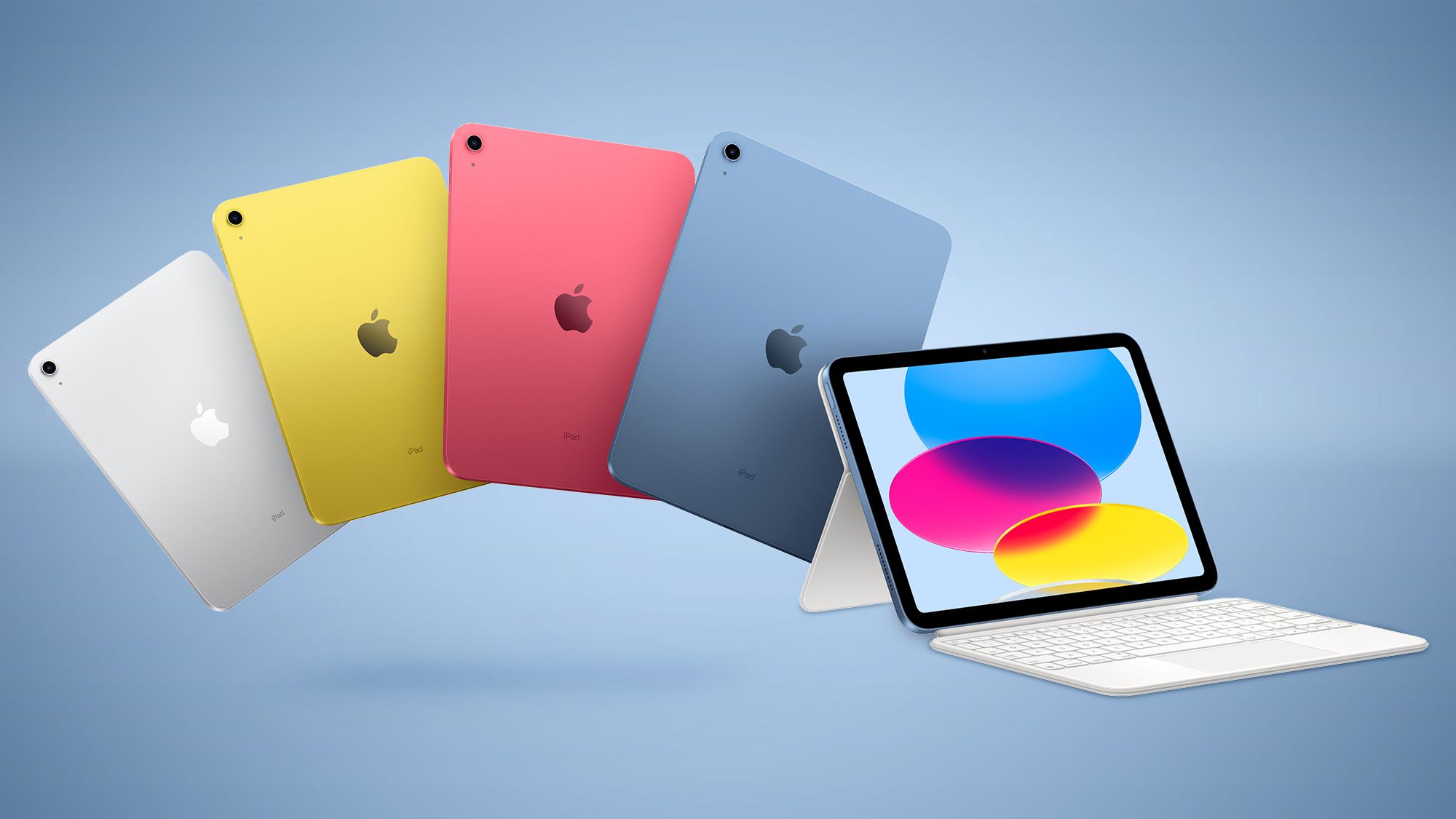
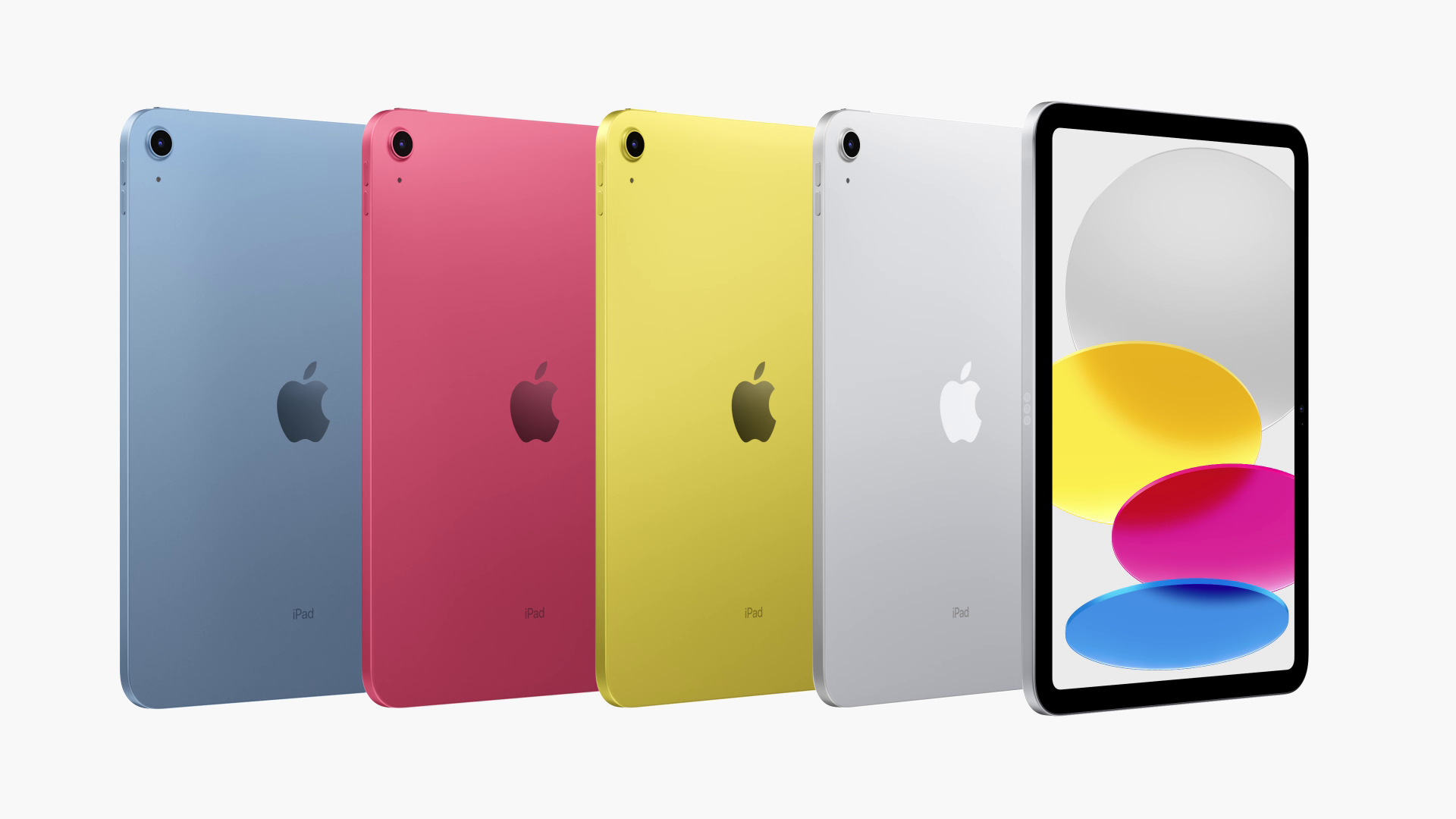
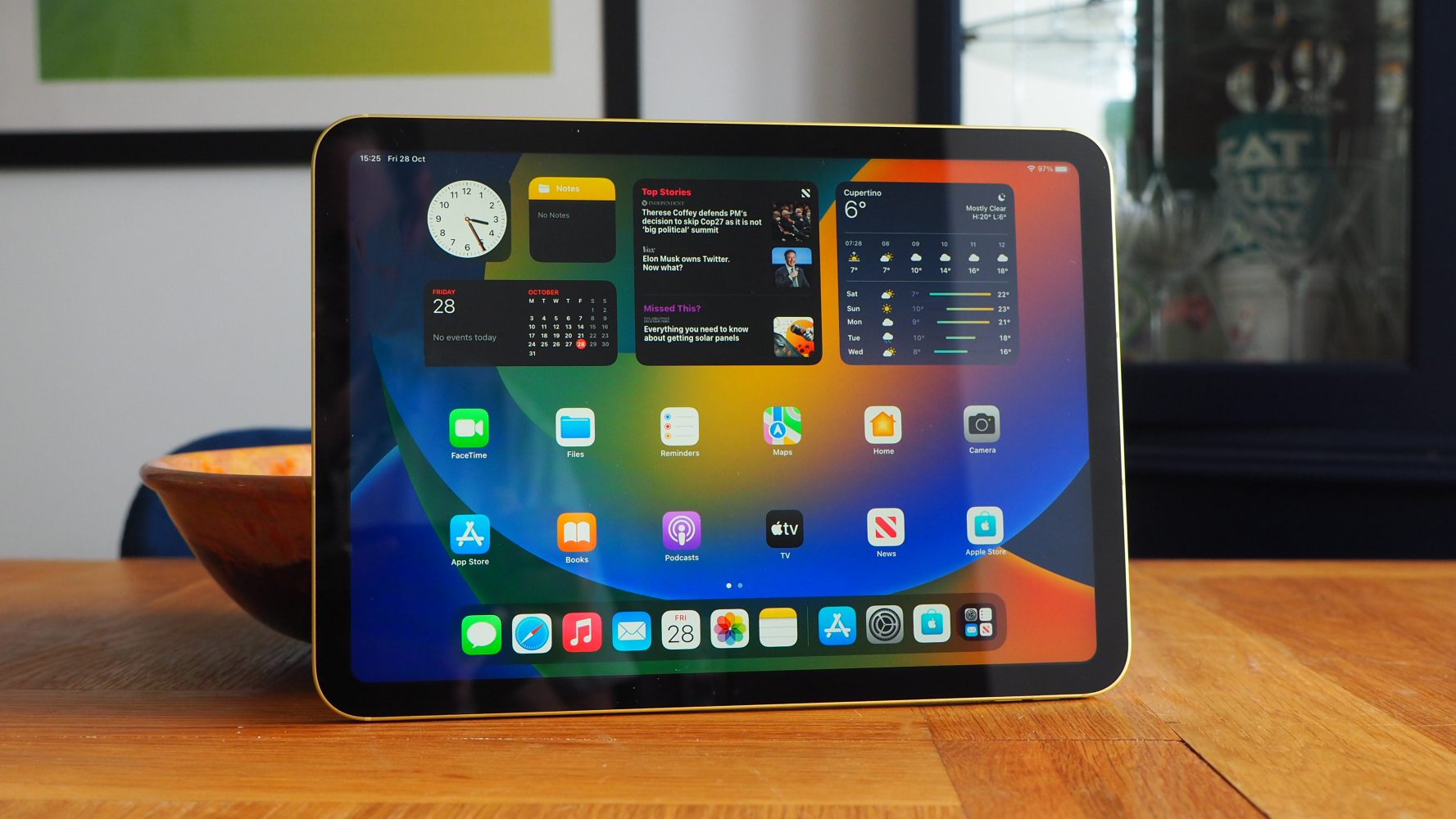
The 10th generation iPad features the Apple A14 Bionic chip, bringing a 6-core CPU, 4-core GPU, and a 16-core Neural Engine to Apple's entry-level tablet lineup. This configuration delivers a notable performance uplift over its predecessor, supporting modern multitasking, educational workflows, and casual gaming with improved power efficiency.
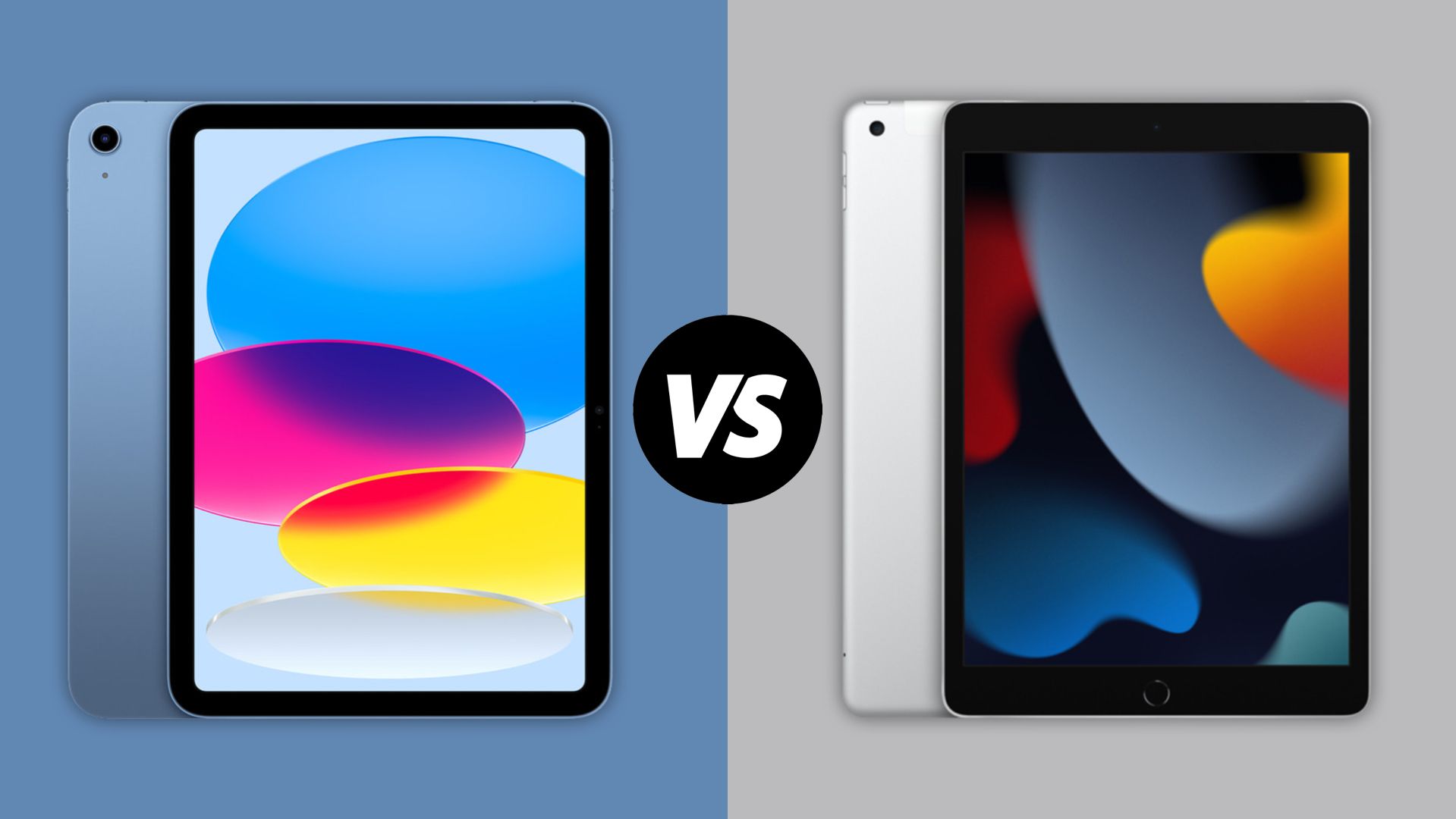
When Apple introduced the redesigned base-model iPad (10th generation) in October 2022, it marked a significant departure from the classic chassis that had defined the entry-level tablet for nearly a decade. Alongside a modernized, flat-edge design, a larger 10.9-inch Liquid Retina display, and the relocation of the front-facing camera to the landscape edge, the device adopted a new processing engine: the Apple A14 Bionic. Understanding this silicon helps buyers, IT administrators, and tech enthusiasts evaluate how the tablet handles everyday tasks, graphics-heavy applications, and long-term software support.
Evolution of Entry-Level Tablet Silicon
To understand the positioning of the 10th gen iPad chip, one must look at the trajectory of Apple’s entry-level tablet processors. For years, the base iPad relied on recycled or slightly older silicon tiers from previous iPhone and iPad Air generations. For instance, the 9th generation iPad utilized the A13 Bionic chip, which offered reliable performance but was housed in a legacy chassis featuring thick bezels and a physical Home button.
The transition to the A14 Bionic in the 10th generation model bridged a generation gap in processing power. Originally debuted in the iPhone 12 lineup in 2020, the A14 Bionic was built on a 5-nanometer process node. While it was already two years old by the time the 10th generation iPad launched, it represented a major architectural step up for the entry-level tablet category. It introduced a more advanced Neural Engine for machine learning tasks and a more efficient thermal envelope that allowed the redesigned, thinner chassis to run cool under load.
Examining this historical context reveals Apple’s product segmentation strategy. By utilizing the A14 Bionic rather than the M-series chips found in the iPad Pro and iPad Air lineups, Apple maintained a clear product hierarchy while delivering a substantial generational upgrade for students, families, and enterprise users who needed modern capabilities without professional-tier pricing.
Architectural Breakdown of the A14 Bionic
The A14 Bionic chip houses a complex arrangement of specialized processing blocks designed to balance high performance with energy efficiency. At its core is a 6-core CPU architecture, split evenly into two high-performance cores and four high-efficiency cores. The high-performance cores handle demanding tasks such as launching applications, rendering web pages with complex scripts, and processing high-resolution media, while the efficiency cores manage background processes, system maintenance, and light tasks to preserve battery life.
Graphics are managed by a 4-core Apple-designed GPU. This graphics subsystem supports API frameworks like Metal, allowing developers to optimize games and professional applications for smooth frame rates and visual effects. While it lacks the hardware-accelerated ray tracing or massive core counts of the M-series chips, the A14 GPU easily handles casual gaming, 4K video playback, and creative applications like Procreate or LumaFusion.
A critical component of the 10th gen iPad chip is the 16-core Neural Engine. Capable of performing up to 11 trillion operations per second, this dedicated machine learning hardware accelerates tasks such as Siri voice recognition, augmented reality (AR) processing, photo enhancements, and automated image segmentation. In educational settings, the Neural Engine assists with real-time translation features, handwriting recognition in Notes, and interactive learning applications that rely on computer vision.
| Component | Specification / Feature | Functional Impact |
|---|---|---|
| Process Node | 5-nanometer (TSMC) | Balances high transistor density with thermal and power efficiency. |
| CPU | 6-core (2 performance, 4 efficiency) | Handles general system navigation, multitasking, and web browsing smoothly. |
| GPU | 4-core Apple GPU | Powers casual gaming, UI animations, and standard media editing. |
| Neural Engine | 16-core | Accelerates machine learning, image processing, and AR applications. |
| Unified Memory | 4GB RAM | Allows concurrent app management and stable multitasking performance. |
Performance Realities in Daily Use
In practical, day-to-day operation, the A14 Bionic provides snappy responsiveness across the iPadOS interface. App launching is nearly instantaneous, and Split View multitasking—running two apps side-by-side with a Slide Over window—operates without noticeable stutter. Web browsing with dozens of open tabs remains stable, largely aided by the inclusion of 4GB of unified system memory, which represents an increase over the 3GB found in the 9th generation model.
For productivity tasks, the 10th gen iPad chip handles document editing, spreadsheet management, and video conferencing effortlessly. When paired with external accessories like the Magic Keyboard Folio, the device functions effectively as a lightweight laptop replacement for students and remote workers. Video playback is smooth, and the hardware-supported video decoders ensure that streaming high-definition content from platforms like Netflix, YouTube, and Apple TV+ consumes minimal battery power.
Gaming performance on the 10th generation iPad is robust for mainstream titles. Games available on the App Store, including graphically demanding options like Genshin Impact or Call of Duty: Mobile, run smoothly at medium-to-high settings. However, users should note that prolonged gaming sessions can lead to minor thermal throttling as the passive cooling design of the thin aluminum chassis dissipates heat.
Comparison with Preceding and Alternative Chips
To evaluate whether the 10th gen iPad chip meets specific performance requirements, it is helpful to compare it directly with neighboring processors in Apple's ecosystem. The table below outlines the architectural differences between the A13 Bionic (found in the 9th gen iPad), the A14 Bionic (10th gen iPad), and the M1 chip (found in the contemporaneous 5th gen iPad Air).
| Chip Model | Device Placement | CPU Configuration | GPU Configuration | RAM Allocation |
|---|---|---|---|---|
| A13 Bionic | iPad (9th generation) | 6-core (2 perf, 4 eff) | 4-core Apple GPU | 3GB |
| A14 Bionic | iPad (10th generation) | 6-core (2 perf, 4 eff) | 4-core Apple GPU | 4GB |
| M1 | iPad Air (5th generation) | 8-core (4 perf, 4 eff) | 8-core Apple GPU | 8GB |
As the comparison demonstrates, the step from the A13 to the A14 is an incremental architectural refinement. The move to the 5nm process node brought improved energy efficiency and a faster Neural Engine, while the extra gigabyte of RAM in the 10th generation model provides more headroom for background app retention.
Conversely, the jump from the A14 Bionic to the M1 chip in the iPad Air is substantial. The M1 introduces desktop-class performance, an 8-core CPU, double the GPU cores, and support for advanced iPadOS features like Stage Manager on external displays. Therefore, buyers looking for professional-tier workstation capabilities will find the M1 or later M-series chips more suitable, whereas the A14 in the 10th gen iPad remains optimized for mainstream consumers, educational institutions, and household use.
Software Support, Longevity, and Limitations
When investing in tablet hardware, software lifespan is a primary consideration. Apple typically supports iOS and iPadOS devices with major operating system updates for several years following their release. Because the A14 Bionic powers devices ranging from the iPhone 12 series up to the 10th generation iPad, it benefits from a wide and sustained developer ecosystem. Apple continues to issue security patches and operating system feature updates that fully leverage the capabilities of the A14 chip.
However, hardware limitations do exist. The A14 Bionic lacks the unified memory architecture bandwidth and advanced display controller engines required to run Stage Manager natively on external monitors—a feature reserved exclusively for M-series iPads. Furthermore, advanced professional software suites, such as heavy 3D rendering engines or high-track-count digital audio workstations with numerous third-party plugins, will push the limits of the 4GB RAM allocation and 4-core GPU.
For educational deployments, enterprise point-of-sale systems, and media consumption, these limitations are rarely consequential. The chip's longevity is secured by its efficient design and Apple's rigorous software optimization, ensuring the device remains responsive for everyday computing tasks for years.
Frequently Asked Questions
What specific chip is inside the 10th generation iPad?
The 10th generation iPad is powered by the Apple A14 Bionic chip, which features a 6-core CPU, a 4-core GPU, and a 16-core Neural Engine. This processor was originally introduced in the iPhone 12 lineup and provides a balanced mix of performance and energy efficiency for the base-model tablet.
How much RAM does the 10th gen iPad chip have access to?
The 10th generation iPad is paired with 4GB of unified system memory (RAM). This represents a 1GB increase over the 9th generation iPad, allowing for improved multitasking stability, better app retention in the background, and smoother web browsing with multiple open tabs.
Can the 10th gen iPad run heavy games and professional apps?
Yes, it can run mainstream mobile games and creative apps like Procreate, LumaFusion, and standard productivity tools smoothly. However, it lacks the raw power and memory bandwidth of M-series chips (such as the M1 or M2), making it less suitable for high-end 3D modeling, complex pro-level video editing, or advanced workstation tasks.
Does the 10th gen iPad support Stage Manager for external displays?
No. Stage Manager support for external displays requires an iPad powered by an M-series Apple Silicon chip (M1, M2, or later). The 10th generation iPad, utilizing the A14 Bionic processor, does not support this specific external display multitasking mode, though it can still handle basic mirroring and standard multi-app workflows on its built-in screen.
Is the 10th generation iPad chip a major upgrade over the 9th generation?
It represents a solid generational improvement. While both chips feature 6-core CPUs, the A14 Bionic in the 10th gen model is built on a more efficient 5nm process, includes an upgraded 16-core Neural Engine for machine learning, and benefits from an extra gigabyte of RAM, resulting in overall smoother system responsiveness and better energy management.
Conclusion and Buying Recommendation
The 10th gen iPad chip—the Apple A14 Bionic—strikes a practical balance between cost, performance, and energy efficiency. While it does not compete with the professional-grade horsepower of M-series tablets, it delivers more than enough capability for web browsing, streaming, digital textbooks, casual gaming, and everyday productivity. For buyers upgrading from older legacy iPads with Home buttons, the combination of the A14 processor, 4GB of RAM, and the modern all-screen design provides a compelling, future-proof user experience. Evaluate your primary workflows; if your daily tasks center around communication, media consumption, and general organization, the 10th generation iPad provides reliable, responsive performance.