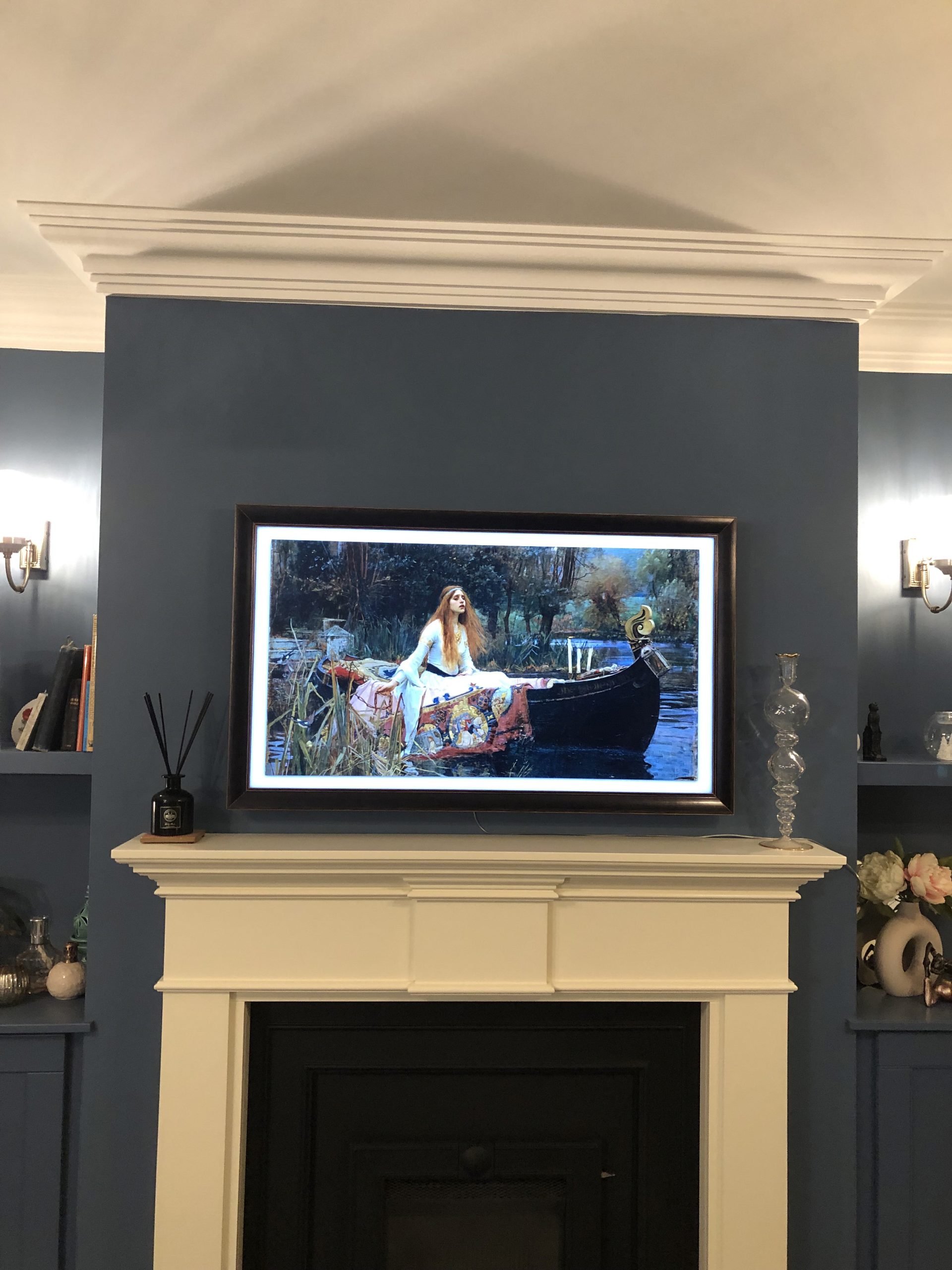
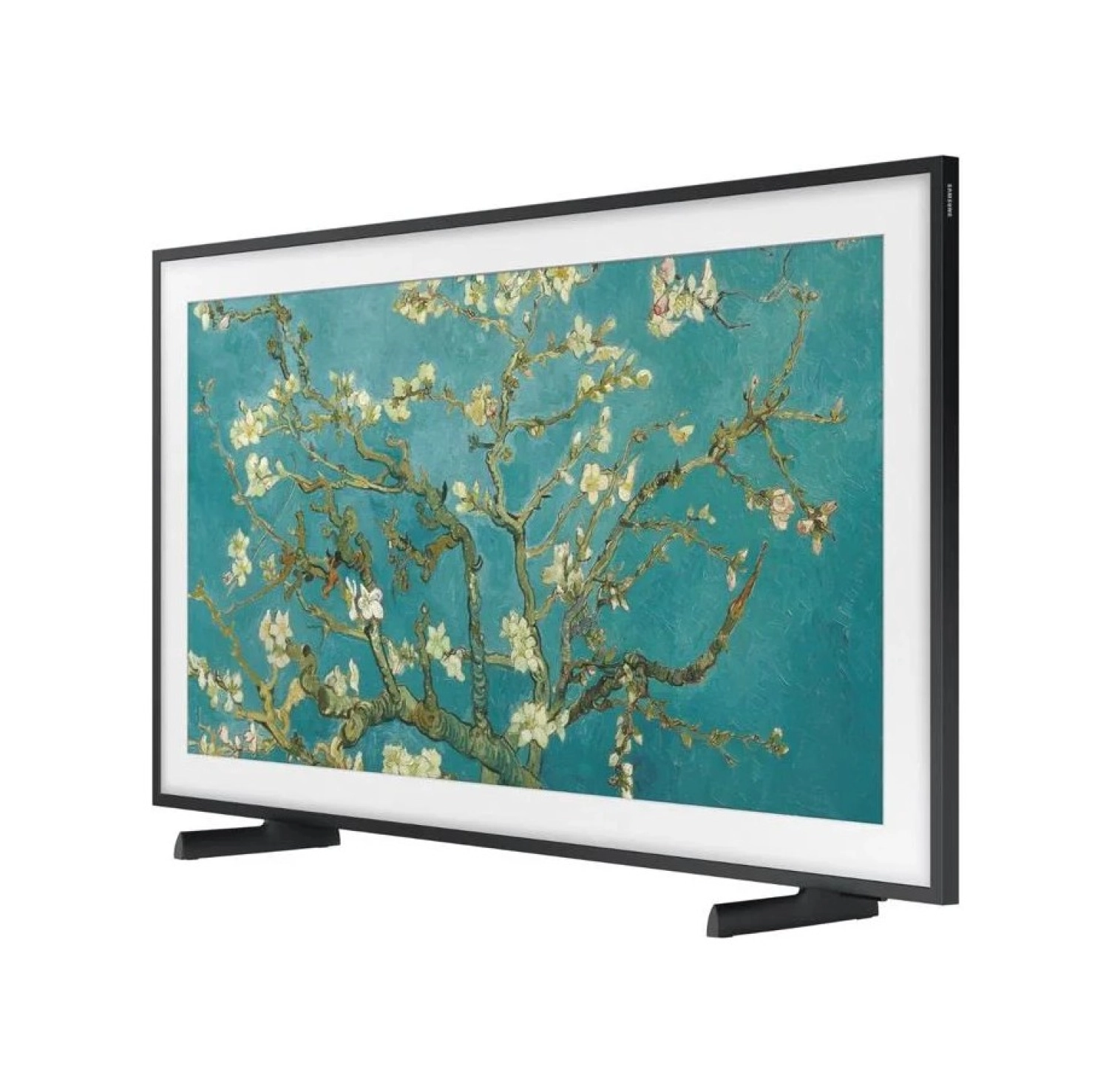
The Samsung The Frame 55-inch model remains a unique intersection of interior design and display technology, functioning as a high-end QLED television when powered on and a digital canvas for fine art when in standby. It excels in rooms where a traditional black-rectangle TV would be intrusive, though its specialized design dictates specific performance trade-offs compared to flagship high-luminance gaming monitors or dedicated home theater panels.
The Concept of the Lifestyle Television
The fundamental premise of The Frame series is to eliminate the aesthetic disruption a large, inactive television creates in a living space. While standard televisions prioritize thinness for wall-mounting, The Frame is engineered specifically to mimic the profile of a framed piece of wall art. This design choice is not merely cosmetic; it changes the way a user interacts with the device.
When the television is off, it activates "Art Mode," which uses a light sensor to adjust the display’s brightness and color temperature to match the ambient light in the room. This makes the images displayed—ranging from classic oil paintings to modern photography—look like prints rather than light-emitting screens. For homeowners who value minimalist or curated interior design, this feature is the primary value proposition, outweighing marginal gains in peak brightness or contrast ratios found in performance-oriented sets.
Technical Specifications and Panel Performance
The 55-inch model utilizes a 4K QLED panel equipped with Dual LED backlighting. This technology employs two distinct color temperature LEDs to improve contrast and color accuracy. By switching between cool and warm tones, the display attempts to optimize the picture based on the content being viewed, whether it is a cinematic film or a bright, high-key art piece.
One of the most critical technical aspects of The Frame is its Matte Display coating. Unlike the glossy finish on standard televisions, this anti-reflective layer is essential for the "art" experience. It effectively diffuses incident light, preventing the mirror-like reflections that typically plague OLED or standard LCD screens in bright rooms. While this coating is excellent for reducing glare, it can slightly soften perceived image sharpness and may make deep blacks appear slightly charcoal-gray under certain lighting conditions.
The television relies on the Quantum Processor 4K for upscaling content. Given that much of the available broadcast and streaming content remains at 1080p, the processor’s ability to map sub-4K footage to the 3,840 x 2,160 pixel grid is vital. The upscaling performance is robust, producing clean edges and reducing digital noise, though it does not reach the granular detail found in Samsung’s premium Neo QLED range.
The One Connect Box Solution
A standout feature of The Frame is the One Connect Box. Samsung separates the television's ports—including HDMI, power, and antenna inputs—from the panel itself. A single, thin "Invisible Connection" cable carries both power and data to the display.
This architecture is not just a convenience feature; it is central to the product's design mission. It allows the TV to sit flush against the wall, as there are no bulky HDMI or power cables protruding from the back of the panel. For wall-mounted installations, this results in an exceptionally clean look. However, users should note that the cable is proprietary. While long enough for most standard installations, it is susceptible to damage if bent sharply or pinched during installation. Proper cable management within the wall or through external conduits is necessary to maintain the "seamless" aesthetic.
Comparison of Display Technologies
To understand where The Frame sits in the current market, it is useful to compare it against alternative display categories:
| Feature | Samsung The Frame | Standard QLED TV | OLED TV |
|---|---|---|---|
| Aesthetic Goal | Decorative/Artistic | Multimedia Performance | Cinematic/Gaming |
| Screen Finish | Matte (Anti-glare) | Glossy/Semi-gloss | Glossy |
| Contrast | Moderate | High | Infinite |
| Flush Mounting | Included (Slim Fit) | Optional | Varies |
| Primary Use | Living areas/Galleries | General Entertainment | Home Theaters |
The Frame is not marketed as a competitor to high-end OLEDs in terms of contrast ratio or motion handling. Its design priority is longevity and visual integration. If your primary goal is competitive gaming or high-dynamic-range (HDR) movie watching in a pitch-black room, other models may offer better performance per dollar. However, in a bright, multi-purpose living space, the anti-glare properties of The Frame often provide a more usable experience than a glossy OLED.
Installation and Customization
Installing The Frame is a distinct process. It comes with the "Slim Fit Wall Mount," which is designed to keep the unit as close to the wall surface as possible. Unlike standard VESA mounts, this system requires careful leveling. Because the TV is intended to look like a frame, an off-level installation is visually jarring.
Customization is the final pillar of the user experience. Samsung offers magnetic, swappable bezels in various finishes such as wood grain, white, or metal. These snap onto the edges of the TV, hiding the black plastic frame and completing the illusion. Choosing the correct bezel to match existing home decor is a significant factor in the perceived value of the purchase. Furthermore, the internal interface allows for "matted" layouts, where digital borders are applied to artwork to further enhance the "framed" appearance.
Operational Limitations
While the device is highly functional, it has specific limitations. First, the "Art Store" is a subscription-based service. While the television comes with a selection of pre-loaded art, access to the full library requires a monthly or annual fee. Users can upload their own photographs, but the resolution and aspect ratio must be correctly formatted to avoid stretching or pixelation.
Second, the audio performance of the 55-inch panel is adequate for casual viewing but lacks the depth required for a cinematic experience. Due to the thin profile, there is limited internal volume for high-excursion speakers. Most owners eventually pair the TV with a soundbar, preferably one that utilizes the Q-Symphony feature, which allows the TV speakers and the soundbar to work in tandem to create a broader soundstage.
Troubleshooting and Maintenance
If the display begins to show screen burn-in (a rare occurrence on current QLED panels but possible if static images are left at maximum brightness for extended periods) or if the One Connect box fails to communicate, the first step is always a power cycle.
- Power Cycle: Unplug the One Connect box from the wall power outlet for 60 seconds.
- Firmware Updates: Ensure the television is connected to the internet, as Samsung frequently patches the Tizen OS to improve stability.
- Cable Inspection: Verify that the Invisible Connection cable is fully seated in both the display and the hub. Any slight misalignment can lead to intermittent signal drops or blackouts.
- Environment: If the TV is mounted in a location with direct sunlight, the internal temperature may rise. While the unit is designed for standard home temperatures, ensure there is adequate airflow around the back of the panel to prevent thermal throttling.
Frequently Asked Questions
Does The Frame 55 use more electricity than a standard TV? When in Art Mode, the power consumption is significantly lower than a television playing video, but it is not zero. It consumes electricity continuously while displaying art. Samsung has implemented power-saving sensors that turn off the screen if no motion is detected in the room for a set period, which helps mitigate energy usage.
Can I use any wall mount for The Frame? While technically possible with adapters, it is highly recommended to use the included Slim Fit Wall Mount. It is specifically engineered to fit the recess in the back of the TV, ensuring the flush-to-wall profile that is essential for the artistic look. Using a standard VESA mount will leave a significant gap between the TV and the wall.
Is the Art Store subscription required? No. You can display your own high-resolution photos via a USB drive or the SmartThings app without ever paying for the subscription. The Art Store is a library of licensed, high-quality images from professional galleries; it is a convenience, not a technical requirement.
Does the matte screen make the picture look blurry? "Blurry" is an overstatement, but the matte finish does reduce "micro-contrast" compared to a glossy screen. While it eliminates reflections, it can make deep blacks look slightly washed out when viewing in a room with very bright lights. It is a trade-off: you gain better visibility during the day but lose some absolute image punch in the dark.
What is the best way to clean the screen? Because of the specialized matte coating, you should only use a clean, dry microfiber cloth. Avoid all liquid cleaners, including glass cleaners, water, or alcohol-based solutions, as these can strip the anti-reflective properties and permanently damage the screen's finish.
Recommendation
The Samsung The Frame 55 is an ideal choice for the homeowner who views their television as a piece of furniture rather than a piece of home theater equipment. Its ability to disappear into a room's decor is currently unmatched by traditional displays. When purchasing, prioritize the integration with your existing decor—investing in a high-quality, magnetic bezel will do more for the visual appeal than searching for a panel that offers slightly higher peak brightness. For those prioritizing artistic integration, it remains the gold standard in the 55-inch category.