The emergency landing of JetBlue Flight 292 on September 21, 2005, remains a watershed moment in modern aviation history, primarily due to the rare nose-gear failure and subsequent live-media coverage. Examining the core changes and ongoing disagreements surrounding the incident reveals crucial shifts in how airlines manage mechanical failures, coordinate emergency responses, and handle real-time passenger information.
Introduction to JetBlue Flight 292 and Its Historical Context
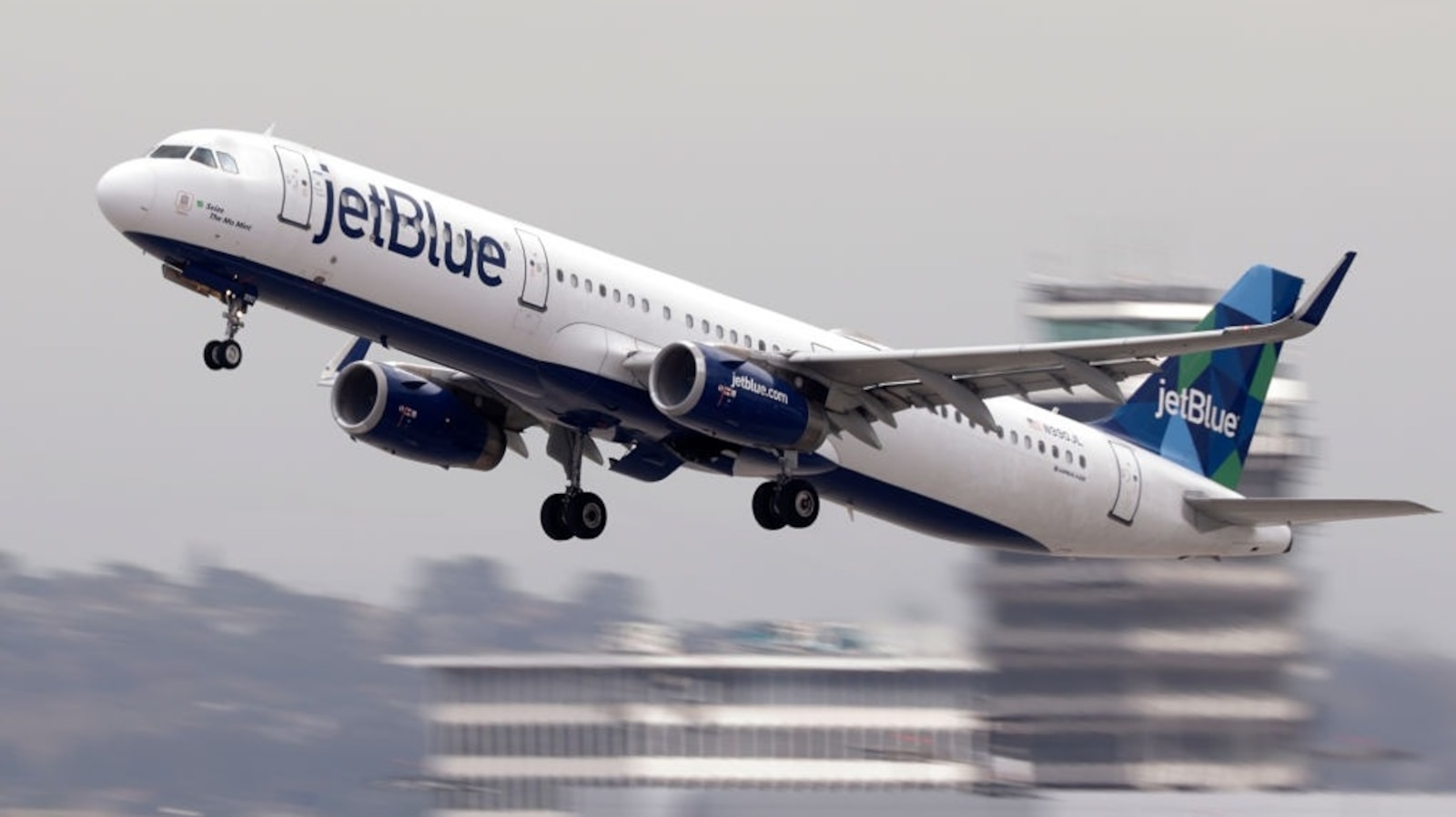
JetBlue Flight 292 was a scheduled domestic commercial flight traveling from Bob Hope Airport in Burbank, California, to John F. Kennedy International Airport in New York. Shortly after takeoff, the Airbus A320-232 experienced a catastrophic mechanical failure of its nose landing gear. The wheels jammed at a 90-degree angle to the direction of travel, preventing normal retraction and creating severe risks for the structural integrity of the aircraft upon touchdown.
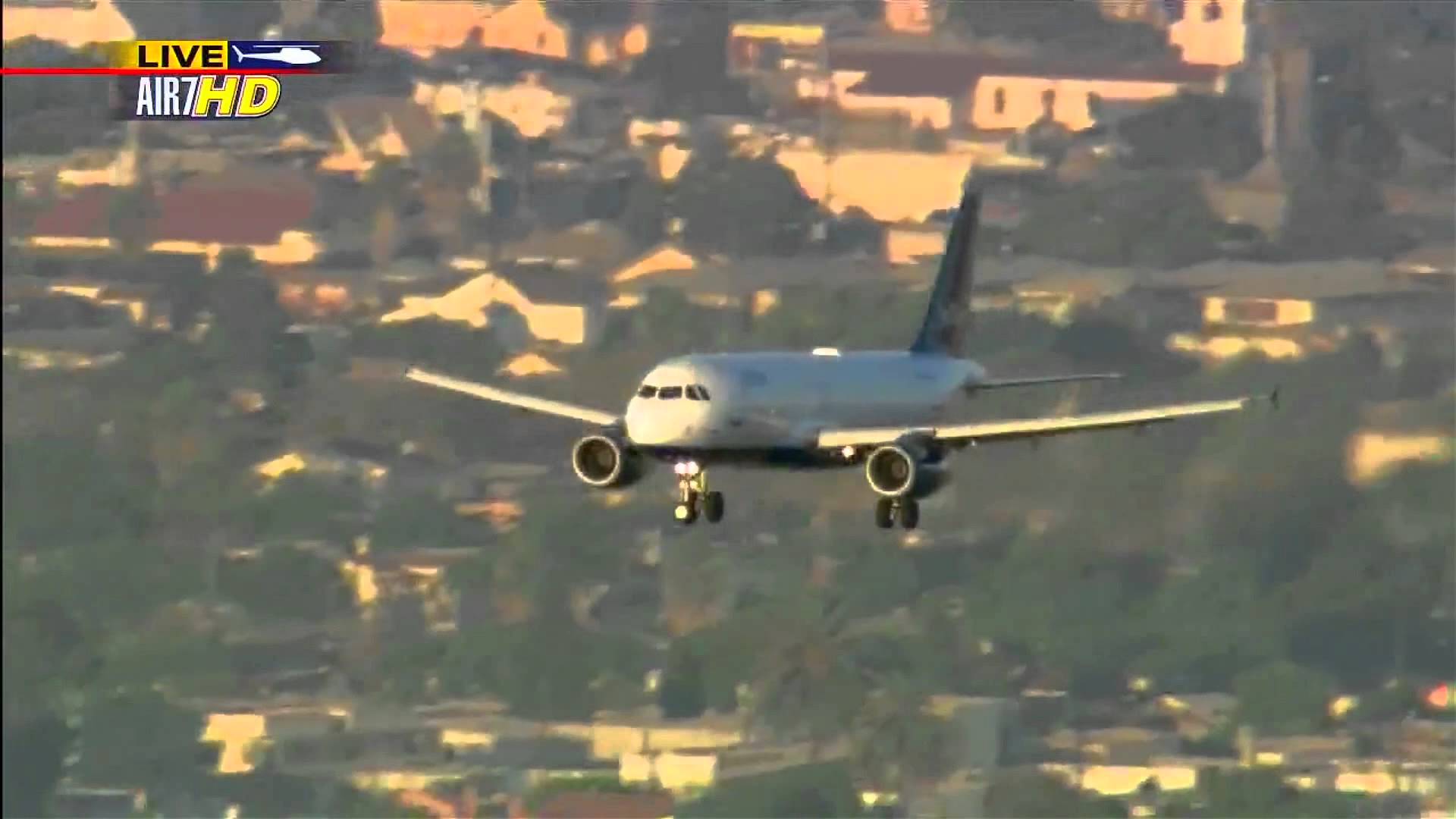
Rather than attempting an immediate landing at a closer facility without adequate emergency services, the flight crew, led by Captain Scott Burke and First Officer Marc Howle, elected to circle off the coast of Southern California to burn off fuel and reduce landing weight. What transformed this critical incident into a cultural and technical flashpoint was the presence of live, in-seat satellite television monitors on the aircraft. Passengers watched live news broadcasts of their own descending airplane, creating a unique psychological environment that directly influenced post-incident evaluations and regulatory scrutiny.
While the physical landing at Los Angeles International Airport (LAX) ended successfully with sparks, smoke, and minor structural damage but zero fatalities or serious injuries, the aftermath sparked intense debates. Aviation safety experts, airline executives, regulatory bodies, and passenger advocacy groups dissected every decision made before, during, and after the event. Understanding these dynamics requires a comprehensive look at the specific operational changes implemented in the wake of the incident, alongside the persistent disagreements regarding modern emergency protocol.
The 1 Key Change: Real-Time Cabin Entertainment and Information Management During In-Flight Emergencies
The single most consequential operational and policy shift originating from the scrutiny of Flight 292 centers on the management of passenger access to live media during active emergency situations. Prior to September 2005, the integration of live satellite television systems (such as DirecTV on JetBlue aircraft) into commercial cabins was viewed purely as an amenity for passenger comfort. The incident exposed an unprecedented vulnerability: passengers experiencing an in-flight emergency had simultaneous, unfiltered access to outside commentary, speculative news reports, and live external video footage of their own compromised aircraft.
In the wake of Flight 292, the aviation industry, alongside cabin safety regulators and individual carrier leadership teams, grappled with the cognitive and emotional impact of this phenomenon. The key change involved the development of strict internal protocols and technological safeguards regarding cabin entertainment systems during critical phases of flight and emergency events.
Technological Safeguards and Crew Overrides
Modern commercial aircraft equipped with live streaming or satellite television systems now incorporate centralized flight deck override controls. These systems allow flight crews to instantly cut power to passenger entertainment screens, Wi-Fi networks, and cabin monitors during emergency declarations or critical phases of flight.
- Flight Deck Discretion: Captains are empowered to disable cabin entertainment when managing abnormal checklists or communicating with air traffic control.
- Information Isolation: By cutting off external media feeds, airlines aim to prevent mass panic, confusion, and the spread of misinformation among passengers who might otherwise react to sensationalized television reporting.
- Standardized Briefings: Flight attendant emergency procedures have evolved to specifically address cabin electronics, ensuring passengers stow devices and turn attention away from external distractions when instructions are issued.
Despite these formal mechanisms, the balance between passenger transparency and operational control remains a subject of ongoing debate among aviation psychologists and consumer rights advocates.
Ongoing Disagreements Over Passenger Information Access and Media Ethics
While technical overrides exist to suppress live media during emergencies, deep-seated disagreements persist regarding whether blocking information is genuinely beneficial or if it infringes upon passenger autonomy. These arguments divide aviation safety professionals, media critics, and legal analysts.
The Argument for Information Suppression
Proponents of strict information control argue that real-time external media coverage during an emergency is inherently counterproductive. During Flight 292, commentators speculated on the probability of a catastrophic structural failure, fuel explosion, or catastrophic runway overrun.
- Mitigating Panic: Unfiltered commentary can induce severe psychological trauma and trigger erratic passenger behavior inside the cabin, complicating evacuation procedures.
- Preserving Situational Focus: Flight attendants rely on calm, orderly environments to deliver safety instructions. A cabin distracted by television screens showing external panic undermines crew authority.
- Preventing Misinformation: Media outlets frequently report unverified facts or sensationalized predictions during breaking news events, creating unnecessary terror based on speculation rather than operational reality.
The Argument for Transparency and Passenger Rights
Conversely, critics of information suppression argue that in the modern hyper-connected era, passengers possess a fundamental right to situational awareness.
- The Illusion of Control: Passengers on modern flights are well aware of tracking applications and external connectivity; attempting to blind them can erode trust in airline management.
- Psychological Coping: For some passengers, understanding the exact nature of the mechanical problem provides a sense of reality that mitigates the fear of the unknown.
- Accountability: The presence of external cameras and recording devices ensures total transparency regarding how airline crews handle crises, preventing institutional cover-ups of operational errors.
| Dimension | Proponents of Information Suppression | Proponents of Passenger Transparency |
|---|---|---|
| Primary Goal | Maintaining cabin order and preventing panic | Preserving passenger autonomy and trust |
| Operational Impact | Reduces external distractions for flight attendants | Relies on adult passengers to process real-world data |
| Communication Risk | May create distrust if passengers feel manipulated | Risks amplifying fear through sensationalized news |
| Regulatory Status | Supported by pilot authority and safety guidelines | Constrained by technical overrides on modern aircraft |
Mechanical and Operational Lessons From the Airbus A320 Nose-Gear Failure
Beyond cabin information policies, the physical mechanics of the Flight 292 incident triggered intensive technical reviews by Airbus and the National Transportation Safety Board (NTSB). The failure of the nose landing gear steering module—specifically the mechanism controlling the nose wheels—was a rare occurrence that required immediate engineering scrutiny.
Investigation Findings and Technical Modifications
The NTSB investigation revealed that the failure originated in the A320’s steer-by-wire system, specifically within the seals and hydraulic components of the nose-gear steering cylinder. When the steering mechanism suffered a hydraulic seal failure, the wheels lost their directional alignment capability and locked into a perpendicular position.
- Component Redesigns: Airbus issued service bulletins recommending enhanced inspection intervals and material upgrades for nose-gear steering seals across the global A320 fleet.
- Redundancy Improvements: Maintenance protocols were updated to ensure early detection of hydraulic weeping or wear in critical steering components before they resulted in mechanical binding.
- Landing Techniques: Training simulators integrated scenarios involving jammed landing gear, refining the mathematical models used by pilots to calculate drag, tire friction, and braking performance on asphalt versus concrete runways.
Emergency Response Coordination and Media Management at LAX
The execution of the landing at Los Angeles International Airport served as a masterclass in inter-agency emergency coordination, yet it also highlighted ongoing disagreements concerning airspace management and media spectacle.
When Flight 292 declared an emergency, LAX ground services mobilized an extensive response involving municipal fire departments, hazardous materials teams, and specialized rescue units. The decision to burn fuel for over three hours allowed the aircraft to shed weight, reducing the kinetic energy upon impact and minimizing the risk of a post-landing fuel fire. However, this prolonged holding pattern over the Pacific Ocean and Southern California created significant logistical challenges.
Airspace Saturation and Media Helicopters
One of the most contentious operational friction points during the incident was the presence of numerous media helicopters swarming the airspace around the circling Airbus A320.
- Air Traffic Control Strain: Air traffic controllers had to manage not only the emergency airliner and regular commercial traffic but also a cluster of broadcast aircraft attempting to capture footage.
- Safety Hazards: The close proximity of media aircraft to a commercial jet experiencing compromised flight control surfaces introduced avoidable collision risks.
- Regulatory Reform Calls: The incident fueled long-standing disagreements over the establishment of temporary flight restrictions (TFRs) during unfolding emergencies to keep non-essential aircraft away from distressed commercial flights. While TFRs are common for presidential movements or natural disasters, applying them rapidly to fast-moving aviation emergencies remains operationally complex.
Passenger Experience and Long-Term Psychological Impacts
The psychological aftermath experienced by the 140 passengers and 6 crew members of Flight 292 demonstrated that the trauma of an aviation incident extends far beyond physical safety. The unique loop of watching their landing broadcast live on cabin screens left lasting impressions on how survivors process post-incident stress.
Mental health professionals specializing in aviation trauma have noted that the passive absorption of live media during a life-threatening event distorts memory consolidation and heightens anxiety disorders. This realization reinforced the necessity for airlines to provide immediate, specialized psychological support services following major incidents—a standard that JetBlue and other major carriers subsequently refined.
Frequently Asked Questions
What caused the mechanical failure on JetBlue Flight 292?
The incident was caused by a failure in the hydraulic seals of the nose-gear steering module on the Airbus A320. This failure caused the nose wheels to lock at a 90-degree angle to the direction of travel, preventing normal retraction and creating extreme friction and sparks upon landing.
Why did Flight 292 circle for hours before landing?
The flight crew elected to circle off the coast of Southern California to burn off excess jet fuel. Reducing the aircraft's weight significantly lowered the kinetic energy upon touchdown, decreasing the risk of structural collapse, gear detachment, or a catastrophic fuel-fed fire.
How did passengers watch their own flight on TV?
JetBlue aircraft were equipped with live satellite television systems (such as DirecTV) integrated into individual seatback monitors. Because the broadcast signal was received in real-time, passengers were able to watch live news helicopter footage of their own plane circling and preparing to land.
What are the main disagreements regarding cabin media during emergencies?
Disagreements center on whether airlines should have the power to cut off passenger entertainment feeds during crises. Proponents of suppression argue it prevents panic and misinformation, while advocates for transparency maintain that passengers have a right to real-time information and situational awareness.
Were there any serious injuries during the landing?
No. Despite the dramatic visual spectacle of sparks and smoke as the aircraft touched down on LAX Runway 25L, all 139 passengers and 6 crew members evacuated safely without serious physical injuries.
Conclusion and Recommendations for Air Travelers
The landing of JetBlue Flight 292 remains a pivotal case study in modern aviation crisis management, balancing technical engineering resilience with human psychological factors. For air travelers, understanding these events highlights the extraordinary safety margins built into modern commercial aviation, where redundant systems and skilled pilot training routinely overcome severe mechanical failures.
When flying, passengers should place complete trust in the flight crew's instructions during abnormal situations. If an in-flight emergency occurs, complying immediately with crew commands—including stowing electronic devices and abandoning seatback entertainment—ensures that the cabin remains orderly, focused, and optimized for a safe outcome.