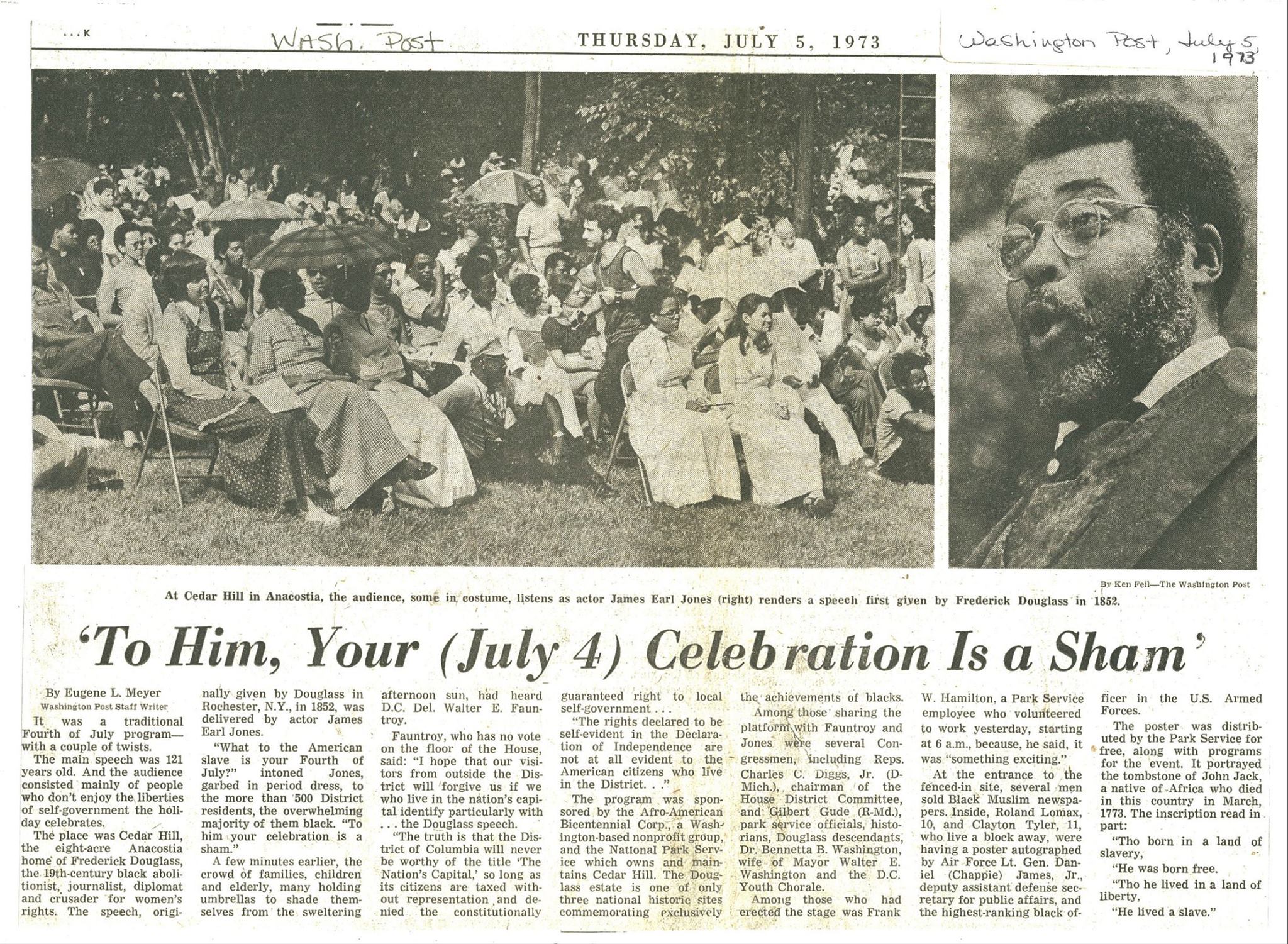
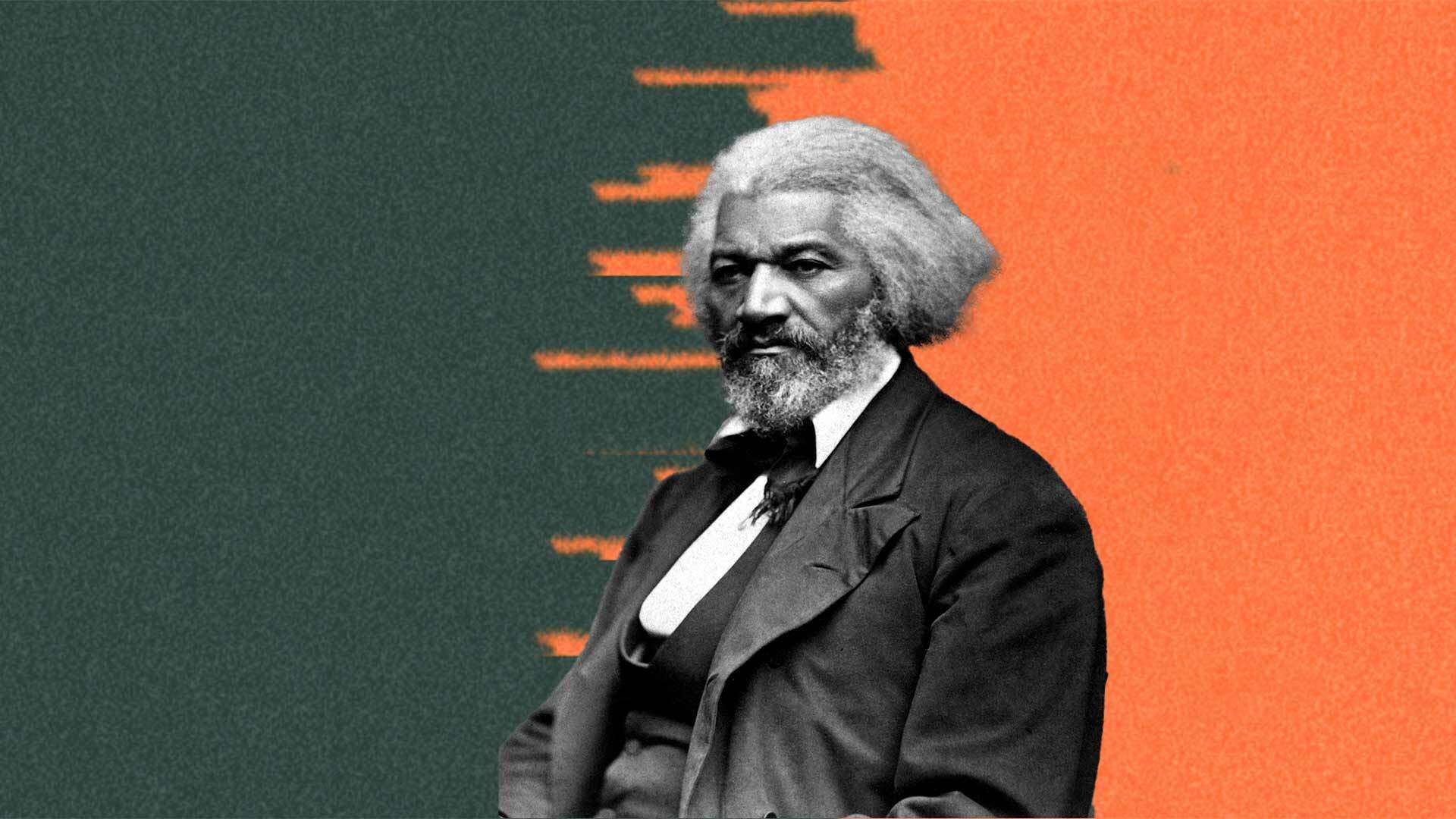
Frederick Douglass’s "What to the Slave Is the Fourth of July?" remains one of the most significant pieces of American oratory, and obtaining a reliable PDF version of this speech allows students, researchers, and history enthusiasts to engage with the primary source material directly. This overview explains how to locate authoritative digital copies, why the specific formatting matters for scholarly study, and how to interpret the historical context of the 1852 address to gain a deeper understanding of its rhetorical power.
Understanding the Significance of the 1852 Address
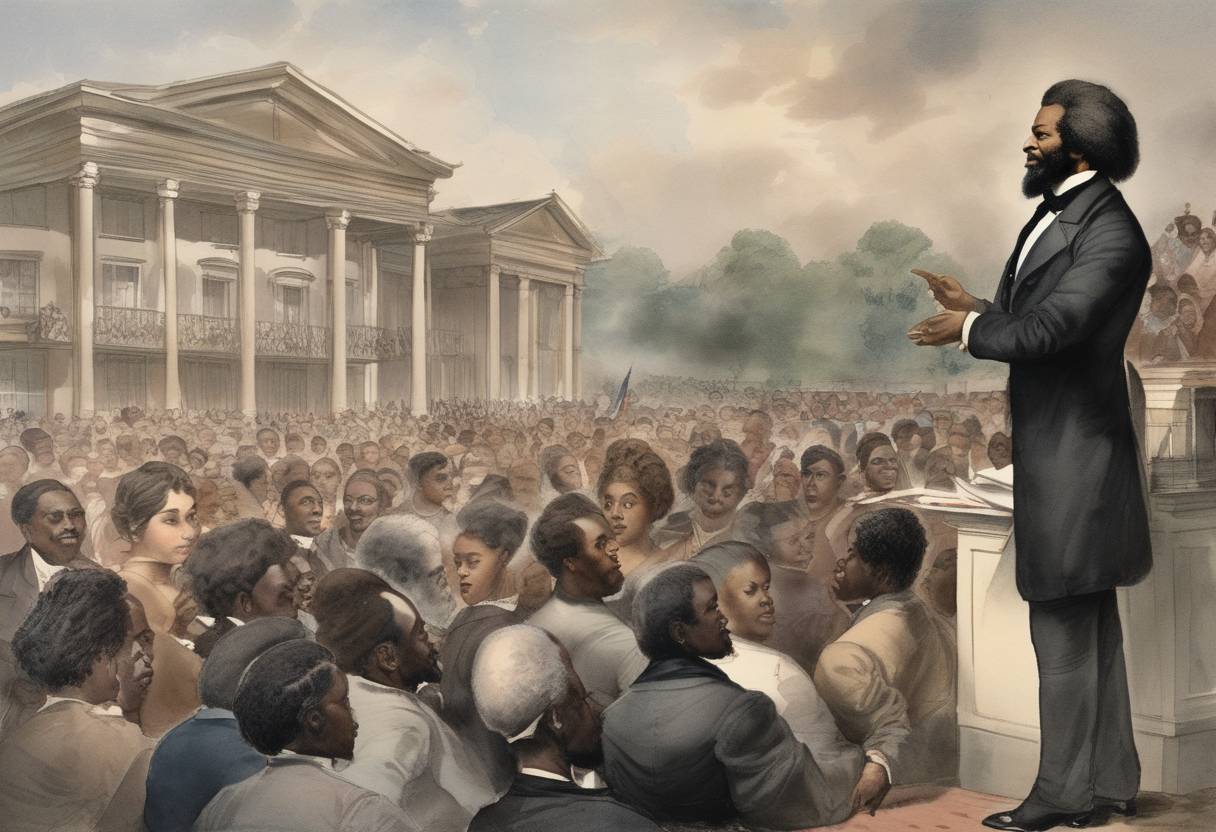
On July 5, 1852, in Corinthian Hall, Rochester, New York, Frederick Douglass—a formerly enslaved man turned abolitionist—delivered a searing critique of the United States. Invited by the Rochester Ladies' Anti-Slavery Society to speak on the anniversary of the Declaration of Independence, Douglass chose to highlight the hypocrisy of a nation celebrating liberty while maintaining the institution of chattel slavery.
The speech is not merely a historical relic; it is a masterclass in rhetorical strategy. Douglass begins with a respectful acknowledgment of the Founding Fathers but pivots sharply to condemn the "revolting barbarity" of slavery. By reading the original text, one can observe his use of irony, biblical allusion, and direct address to confront his white audience with their moral failure. Because the speech is in the public domain, numerous versions exist in digital formats, ranging from simple plain-text transcripts to high-resolution scans of the original 1852 pamphlet.
How to Locate and Verify a Reliable PDF
Finding a PDF of the speech is straightforward, but for academic or rigorous study, the provenance of the document is essential. You should prioritize versions that are derived from original archives rather than edited anthologies that may contain modernization or omissions.
- Academic Archives: The most reliable PDFs are those hosted by university libraries or organizations like the Frederick Douglass Papers at Indiana University-Purdue University Indianapolis (IUPUI). These institutions often provide scanned versions of the original 1852 printed pamphlet.
- Digital Libraries: Platforms like the Library of Congress and the Internet Archive provide high-quality scans of historical documents. Using these sources ensures you are viewing the text as it was published by the author, preserving original spelling and punctuation, which can be critical for linguistic analysis.
- Public Domain Repositories: Project Gutenberg and similar digital repositories offer clean, verified text files. While these may not always be in the original visual format (like a PDF scan), they are verified for accuracy against known historical editions.
When selecting a PDF, check for OCR (Optical Character Recognition) quality. A high-quality PDF will allow you to highlight and search the text, which is an invaluable feature for cross-referencing Douglass’s arguments or extracting specific quotes for essays.
Key Features of a High-Quality Source Document
A useful PDF of the speech should contain more than just the body of the text. To maximize its utility, look for documents that include:
- Contextual Prefaces: Material that explains the circumstances of the invitation, the location (Corinthian Hall), and the audience present.
- Original Annotations: Footnotes or endnotes from contemporary editors that clarify 19th-century political references or archaic phrasing.
- Visual Metadata: If it is a scanned version of the 1852 pamphlet, ensure the cover page and front matter are included, as they provide context regarding the printer and the specific society that sponsored the event.
Comparative Formats for Study
Depending on your intent, the format you choose can impact your learning experience. The table below compares common methods of accessing the speech.
| Format | Pros | Best For |
|---|---|---|
| PDF (Scan) | Shows historical typography and original structure. | Primary source research and historical analysis. |
| PDF (Searchable) | Allows keyword searches and digital highlighting. | Students and researchers gathering evidence. |
| Digital E-Book | Optimized for mobile devices and font scaling. | General reading and leisure exploration. |
| Web-Based HTML | Accessible without downloading; often contains links. | Quick reference and classroom teaching. |
Navigating the Rhetoric: A Guide for Readers
When you open your PDF, it is helpful to look for specific rhetorical sections that define the speech’s impact. Douglass’s progression is methodical:
- The Exordium: Douglass starts with a humble tone, praising the efforts of the American revolutionaries to build a sense of common cause with his listeners.
- The Pivot: He transitions into the "distance" between the audience and the reality of the enslaved population, noting that the Fourth of July is "yours, not mine."
- The Denunciation: This is the heart of the speech. He describes the daily realities of slavery—the slave auctions, the broken families, and the cruelty of the slave codes.
- The Resolution: He concludes with a note of tempered hope, focusing on the inevitable nature of the abolitionist movement, relying on both the Declaration of Independence and his faith in human progress.
By identifying these sections, you can move beyond a superficial reading to understand how Douglass manipulated the expectations of his audience to achieve maximum emotional and intellectual resonance.
Troubleshooting Access and Formatting Issues
If you encounter a PDF that is difficult to read or navigate, consider the following troubleshooting tips:
- File Corruption: If a PDF fails to open or displays garbled text, it is likely a corrupted download. Return to the source website and clear your browser cache before attempting to download the file again.
- OCR Issues: If you cannot search the text within the PDF, the document may be a "flat" image scan rather than a text-embedded PDF. You can use free online OCR tools or professional PDF editing software to run text recognition, which will make the document fully searchable.
- Display Limitations: For those using tablets or e-readers, a large, scanned PDF can be difficult to manage. Converting the file to an ePub format or using a dedicated PDF reader app that supports "reflow" mode can significantly improve readability.
Essential Prerequisites for Deep Analysis
To get the most out of the text, it helps to have a basic grasp of the political climate in 1852. Key concepts to research before diving into the PDF include:
- The Fugitive Slave Act of 1850: This law forced citizens in free states to assist in the capture of escaped slaves, a major source of the anger evident in Douglass’s tone.
- The Role of the Anti-Slavery Societies: Understanding that these groups were often social, intellectual, and political hubs will explain why Douglass was invited to Rochester in the first place.
- 19th-Century Oratory: The speech follows the formal, highly structured patterns typical of 1850s public speaking, which valued long, complex sentences and high moral rhetoric.
Common Misinterpretations to Avoid
Many readers approach the speech expecting a simple condemnation of American hypocrisy. While that is a central theme, it is important not to miss the nuance in Douglass’s specific choices. He was not rejecting the American experiment; he was holding it to its own standards. He argues that the principles of the Declaration of Independence are "saving principles," and that the nation must live up to them to survive. Misinterpreting this as a purely anti-American speech ignores the profound, patriotic plea for inclusion and reform that sits at its core.
Next Steps for Historical Engagement
Once you have secured your PDF and completed your first read-through, the next step is to contextualize the document against other abolitionist literature of the era. Compare the tone of Douglass’s 1852 speech with the writings of William Lloyd Garrison or the later narratives of Harriet Jacobs. This comparative approach turns a static PDF into a dynamic map of 19th-century American thought.
For those conducting formal research, ensure that any quotes you pull are cited properly according to the style guide relevant to your work (such as Chicago or MLA). Always reference the specific edition or digital archive from which you retrieved your PDF to ensure the integrity of your citations. If you are using a scan of the 1852 pamphlet, note the specific reprint collection or digital library URL to ensure that others can verify your primary source.