The most widely recognized "6th member" of the Mystery Inc. gang is Scrappy-Doo, the exuberant nephew of Scooby-Doo who joined the cast in 1979 to revitalize the series’ ratings during a period of declining viewership. While characters like Flim-Flam or Vincent Van Gh, appearing in The 13 Ghosts of Scooby-Doo, are often discussed, Scrappy-Doo remains the definitive historical candidate for this title.
The Evolution of Mystery Inc. and the 6th Member Concept
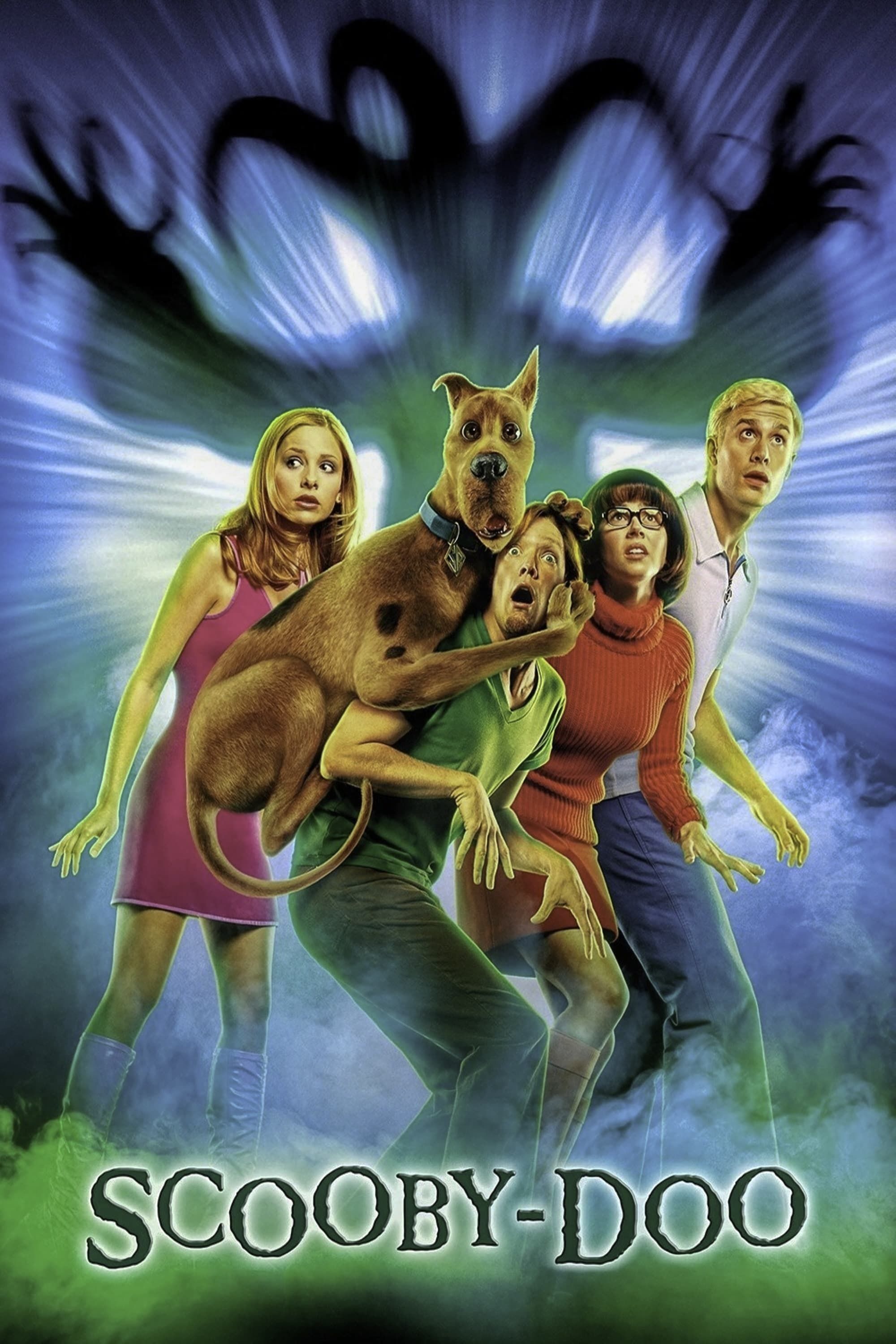
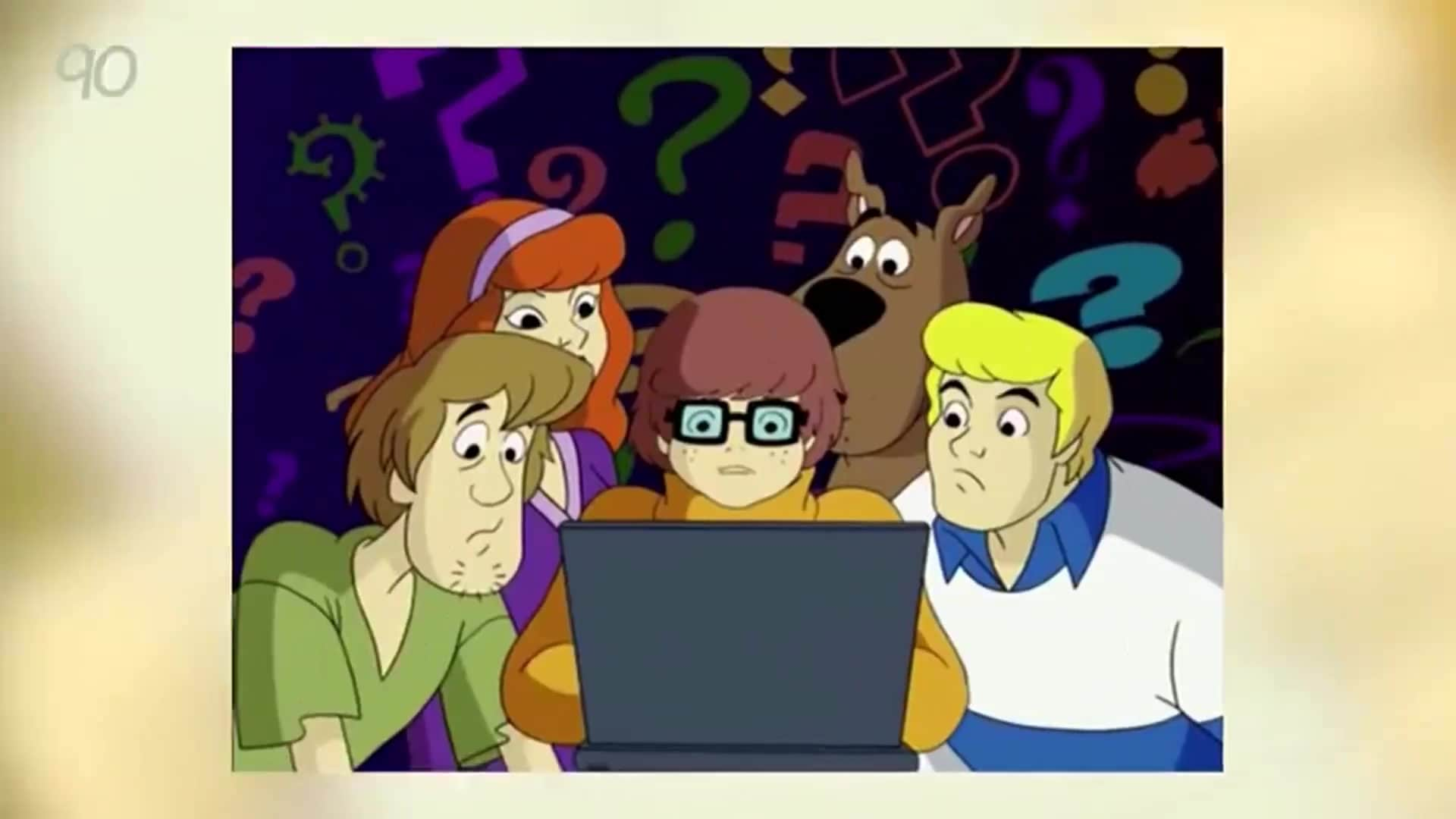
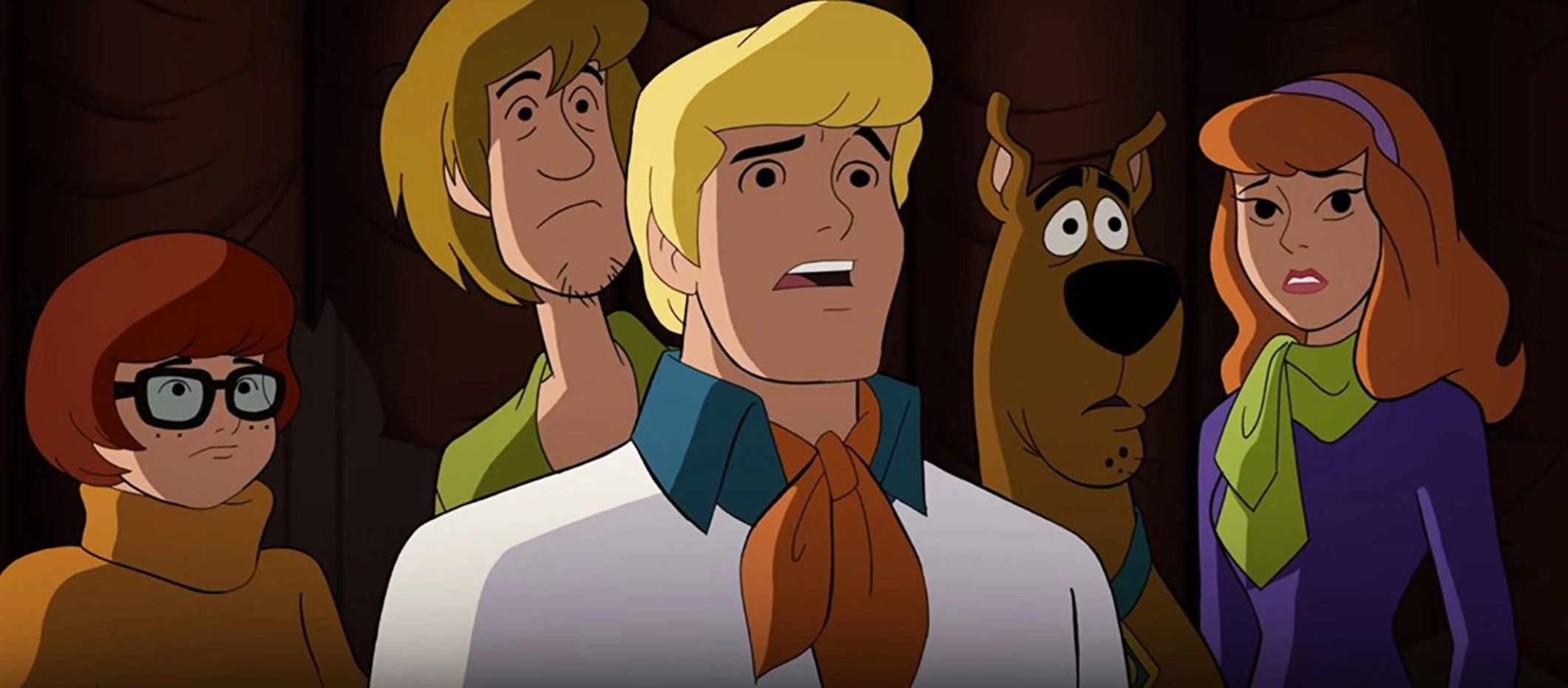
To understand the role of a "6th member," one must first examine the established architecture of the Scooby-Doo franchise. Since the debut of Scooby-Doo, Where Are You! in 1969, the core team consisted of a rigid quintet: Fred Jones, Daphne Blake, Velma Dinkley, Norville "Shaggy" Rogers, and Scooby-Doo. This balance of the "jock, socialite, brain, slacker, and dog" created a dynamic that sustained the series for a decade.
By the late 1970s, Hanna-Barbera faced a common television dilemma: show fatigue. As the 1979 production cycle for Scooby-Doo and Scrappy-Doo approached, the creative team determined that the series required a new energetic injection. The introduction of Scrappy-Doo was not merely a creative decision; it was a strategic business maneuver to maintain interest in a property that had transitioned from its original mystery-solving roots toward more slapstick-oriented comedy.
Historical Context: Why Scrappy-Doo Emerged
Scrappy-Doo was introduced during the fourth iteration of the show. The character design intentionally contrasted with Scooby-Doo. Where Scooby was often portrayed as cowardly, gluttonous, and reluctant to engage with ghosts, Scrappy was defined by his "puppy power," bravery, and eagerness to fight the villains. This aggressive, high-energy personality was designed to appeal directly to the younger demographics watching Saturday morning television in 1979.
The inclusion of a 6th member fundamentally shifted the show's pacing. For the first time, the "brains" of the group were frequently sidelined or required to pivot their problem-solving to account for an unpredictable, hyperactive puppy who often rushed headlong into danger. This shift caused a polarizing reaction among the audience, setting the stage for decades of debate regarding whether the addition of a 6th member enhanced the series or diluted the original chemistry of the core five.
Other Candidates: The 13 Ghosts and Beyond
While Scrappy-Doo holds the title by volume of appearance and narrative intent, the franchise has flirted with other additions over the years. Readers often cite The 13 Ghosts of Scooby-Doo (1985) as a moment where the "6th member" slot was occupied by different entities.
Vincent Van Gh, a warlock voiced by the legendary Vincent Price, served as a mentor figure for the gang. Unlike Scrappy-Doo, who was essentially a peer or sidekick to the gang, Van Gh acted as an authority figure, guiding them through the supernatural landscape. Furthermore, Flim-Flam, a young con artist, also inhabited this space during the same series. However, these characters are often categorized as "guest companions" rather than full "members" of the core Mystery Inc. organization, as they did not consistently appear in the team's traditional van-based adventures.
The Dynamics of Team Composition in Animation
In animation production, adding a new main cast member—especially one that breaks the established archetype—is a high-stakes decision. The following table illustrates the role distribution that made the original group successful and how the introduction of a 6th member (specifically Scrappy-Doo) forced a structural adjustment.
| Character | Traditional Role | Impact of 6th Member |
|---|---|---|
| Fred Jones | Leader/Trap Expert | Reduced need for traps due to Scrappy's direct combat |
| Daphne Blake | Fashion/Danger-Prone | Shifted to maternal or protective role |
| Velma Dinkley | Intellectual/Researcher | Logic often challenged by Scrappy's impulsivity |
| Shaggy Rogers | Reluctant Partner | Found a mirror in Scrappy’s chaotic energy |
| Scooby-Doo | The Reluctant Mascot | Forced into a "big brother" mentorship role |
| Scrappy-Doo | The Catalyst | Drove conflict and propelled action sequences |
Analytical Perspective: Was the 6th Member Necessary?
From a technical standpoint, the addition of a 6th member represents a "paradigm shift" in character ensemble writing. In standard comedic formats, groups of five allow for varied interaction pairs without overwhelming the screen. By adding a sixth member who possessed a drastically different psychological profile, the writers increased the number of potential interpersonal frictions.
However, the primary intent behind the "6th member" was to introduce a character who could initiate conflict rather than solve it. In the classic format, the mystery solved the plot. With Scrappy-Doo, the character’s internal personality flaws often generated the plot. This indicates a pivot in the show's developmental strategy: moving from a mystery-first show to a character-driven comedic show. For producers in the 1980s, this was a logical response to declining syndication numbers, as character-focused shows often enjoy higher rewatch value among younger audiences who connect with specific personality tropes.
Technical Challenges in Character Integration
Integrating a new member into an established group involves significant technical hurdles in character animation and voice acting balance. Each episode must account for the new member's presence, requiring:
- Screen Time Budgeting: Ensuring the original five do not lose their distinct identities while the new character is introduced.
- Dialogue Allocation: Balancing the script so that the established "brains" or "coward" do not become redundant.
- Narrative Integration: Providing a plausible reason for the new member's presence in a mystery-solving van.
The longevity of the Scooby-Doo franchise proves that these integrations were handled with enough success to keep the brand relevant through the 1990s and into the 2020s. While modern iterations of the franchise have occasionally moved back to the core five-member structure, the "6th member" period remains a critical case study in how animation studios handle brand evolution and creative revitalization.
Frequently Asked Questions
Why is Scrappy-Doo considered the official 6th member? Scrappy-Doo is considered the 6th member because he was formally integrated into the opening titles, promotional materials, and the central cast for multiple consecutive seasons, rather than appearing as a seasonal guest or a one-off narrative device.
Are there other characters who could be considered the 6th member? While characters like Vincent Van Gh or Flim-Flam have joined the gang for limited runs, they generally occupy the role of "recurring guest." The label of 6th member requires an extended tenure as part of the core Mystery Inc. team structure, which only Scrappy-Doo achieved.
Did the addition of a 6th member affect the show's mystery-solving format? Yes. The addition of a high-energy character like Scrappy-Doo necessitated a shift toward more action-oriented sequences and slapstick comedy, which contrasted with the slower, research-heavy approach favored in the original 1969 series.
What happens to the 5-member dynamic when a 6th joins? The dynamic shifts from a stable group to a more volatile one. The inclusion of a 6th member often forces the original group members to take on secondary roles, such as mentors or stabilizers, to accommodate the new character's specific personality traits.
Is the "6th member" concept still used in modern Scooby-Doo productions? As of 2026, most modern interpretations of Scooby-Doo favor the classic five-member ensemble. The industry has found that returning to the original character archetypes tends to perform better with long-term fans, though the 6th member experiment remains a significant part of the brand's history.
Practical Advice for Researchers and Fans
If you are researching the history of the Scooby-Doo franchise, it is helpful to distinguish between "temporary companions" and "series-long additions." When documenting the history of the show, remember that the "6th member" label is most accurately applied to characters who appear for the duration of a production cycle. For those looking to verify specific appearances, check the original credits of the Scooby-Doo and Scrappy-Doo segments produced between 1979 and 1983. Understanding the difference between these eras is essential for anyone aiming to analyze the evolution of the Mystery Inc. team accurately.